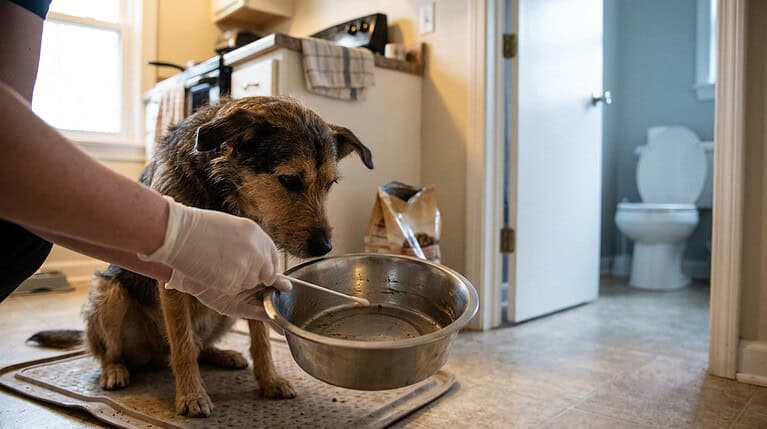
Your Dog’s Brain Knows the Difference Between Your Smile and Your Fear, Study Finds

Have you ever wondered if your dog can really tell how you feel? Research shows that dogs can tell the difference between a human smile and a fearful face, and their brains respond in different ways to each one. This means your dog is not just reacting to your tone of voice or body language.
Your dog’s brain is actually processing the specific look on your face.
This matters because it changes how you think about your dog’s understanding of you. Studies have found that dogs can tell smiling faces from blank expressions, and other research shows that people and dogs process facial emotions in similar ways. This points to a deeper connection between dogs and their owners than many people realize.
You will learn what the science says about how your dog reads your face, and what this means for your daily life together.
Understanding this connection can help you see your dog’s behavior in a new way.
How Your Dog Reads Your Face
Your dog picks up on more than just your tone of voice. Specific facial features and brain activity patterns show how your dog tells your smile apart from your fearful expression.
Your Dog Looks at Specific Features, Not Just Your Whole Face
Your dog reads your face using specific landmarks, not just your overall expression. Studies show dogs consistently turned their heads in certain directions when viewing happy versus fearful human faces.
Your dog’s brain also processes the difference between a real smile and a blank expression. Research confirms that dogs can discriminate human smiling faces through a learning process, not just instinct.
When you show fear, your dog’s gaze often lands on specific parts of your face. Your mouth and eye area carry the most weight during this process.
This pattern differs from how your dog reads other dogs, since humans struggle to identify dog emotion using the same facial cues dogs use on each other.
What Brain Scans Show About How Dogs See Emotion
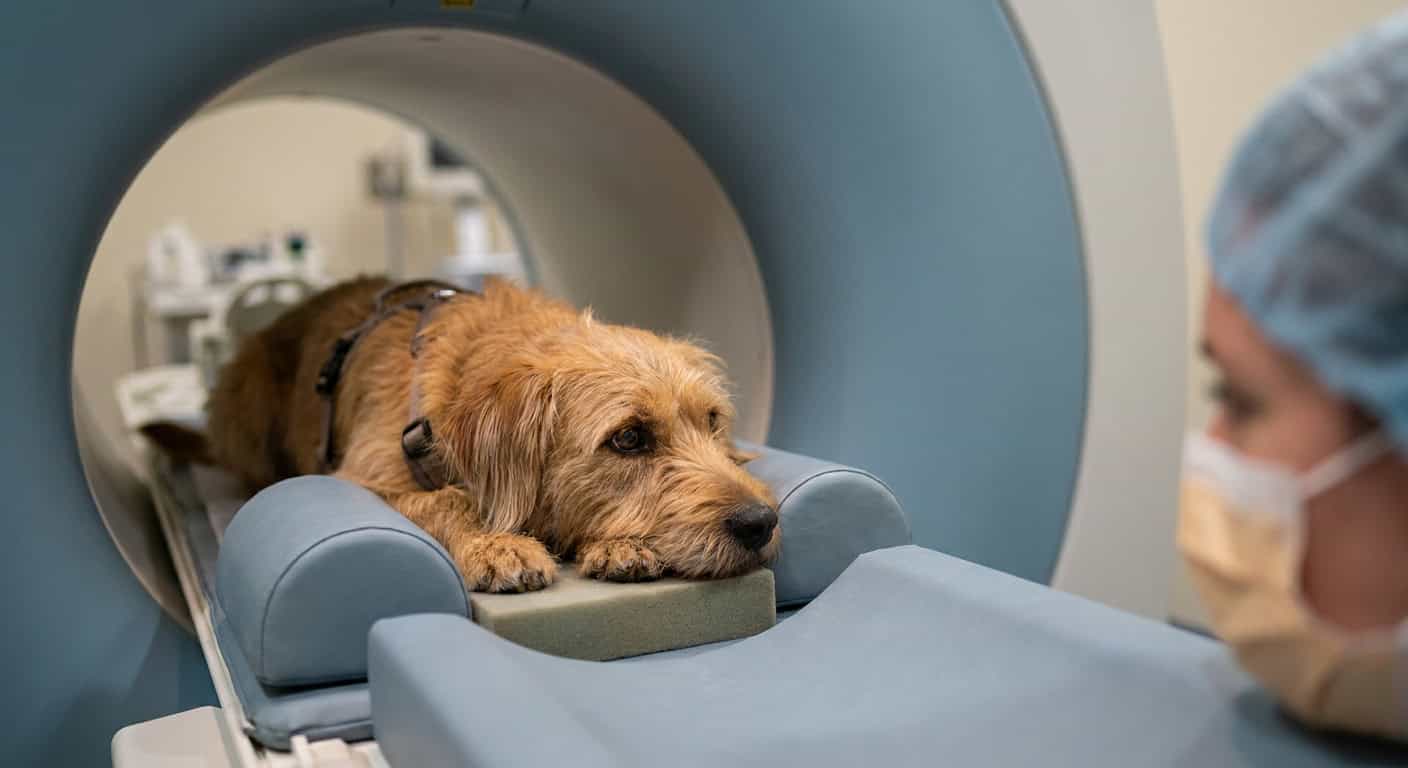
Brain scans give you a direct look at how your dog’s neural activity shifts based on your expression. A recent iScience study used imaging methods to track these responses in real time.
Your dog’s brain doesn’t treat all emotional faces the same way. Physiological reactivity, including heart rate changes, shifts depending on whether you display fear or happiness.
Researchers have also found that dog experts‘ brains differentiate fearful human faces from neutral ones more accurately than novices. This suggests your dog’s own experience with humans may shape how strongly its brain reacts to your expressions.
What This Means for You and Your Dog
This research changes how you should think about your daily interactions with your dog. Since your dog picks up on your facial expressions, your tone, and your body language, small changes in how you act can shape how your dog feels and behaves.
Your Dog Is Watching Your Face More Than You Think
Your dog is watching your face more closely than you might think. Studies show that humans and dogs process facial expressions in similar ways, which means your dog can pick up on subtle shifts in your mood.
If you come home stressed or upset, your dog may act more anxious or clingy. A calm smile, on the other hand, can help your dog relax.
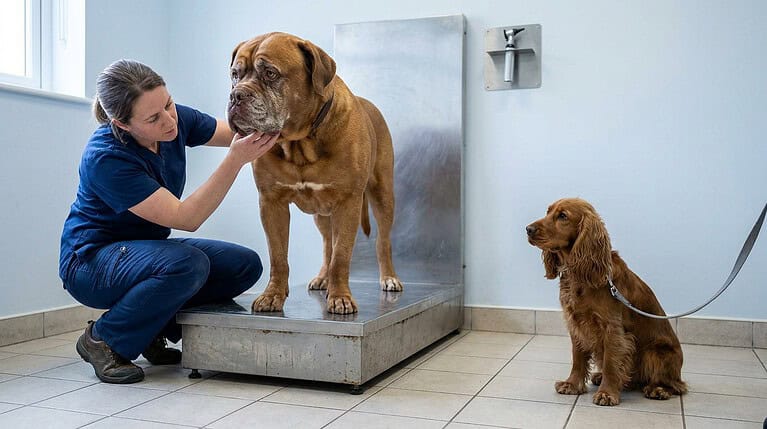
You should try to be aware of your own emotional state before interacting with your dog, especially during training or vet visits. Your dog cannot understand your words, but it can react to how you feel.
Managing your own stress can lower the chances of passing that stress on to your pet.
Keep Your Body Language Consistent
Dogs rely on patterns to understand what to expect from you. Mixed signals, like smiling while using a harsh tone, can confuse your dog and weaken trust over time.
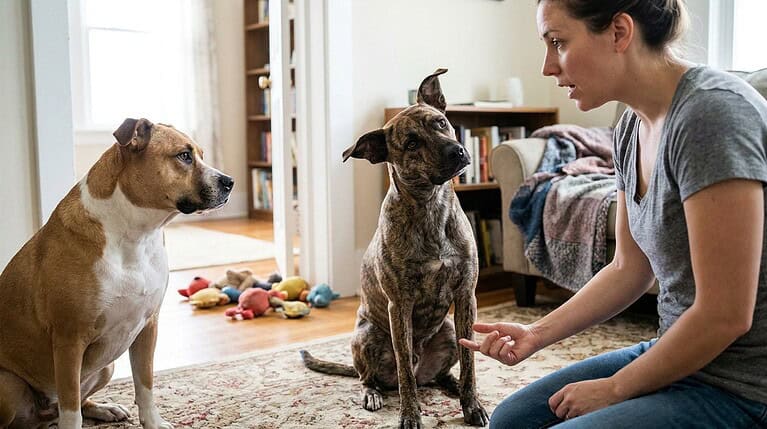
Clear and steady body language works best. For example, body language and non-verbal cues play a major role in how dogs interpret play, petting, and other interactions with humans, and unclear signals can lead to stress or fear responses in some dogs.
You can build stronger trust by keeping your movements, tone, and facial expressions consistent with your intentions. Over time, this consistency helps your dog feel more secure and better able to predict how you will act in different situations.