Scientists find that a dog’s paw preference may reveal clues about its emotional life

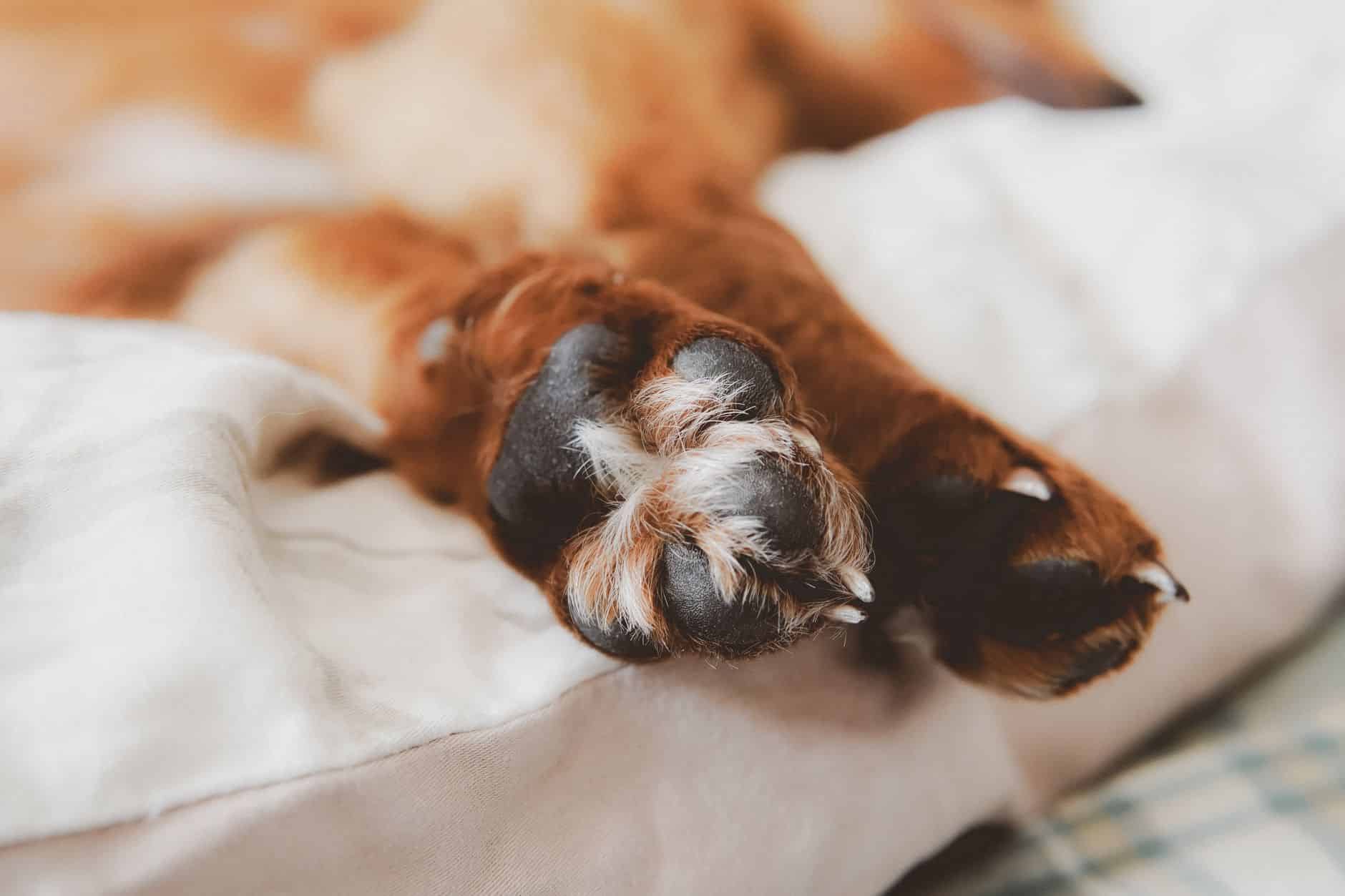
You might not realize it, but your dog can show a preference for using one paw over the other, much like how people are right- or left-handed. This tendency, called pawedness, reveals which side your dog favors when performing simple actions.
Understanding this can offer insights into your dog’s behavior and how their brain works.
Figuring out which paw your dog prefers isn’t always easy. Dogs may use different paws depending on what they are doing.
Studies show that unlike humans, who mostly favor their right side, many dogs don’t consistently prefer one paw over the other. This means your dog’s paw preference can vary and might not be as clear-cut as yours.
Ways to Find Out Which Paw Your Dog Prefers
To discover if your dog favors its left or right paw, there are several tests you can try. These help show a paw preference, but each has its strengths and limits.
One common method is the first-step observation. Watch your dog as it begins to walk or climbs stairs.
Note which paw it moves first. This can give clues about which side your dog tends to use.
Another popular approach is the Kong ball test. Give your dog a Kong toy and see which paw it uses to hold or steady the toy.
This test focuses on how your dog uses its paws during play. However, it’s important to know that a dog’s paw preference might change depending on the task.
A dog could use its left paw for one activity and the right for another. So, relying on just one test might not give a full picture.
A more thorough way to measure paw preference combines several tests into one tool called the Doginburgh Inventory. This method includes:
- The Kong ball test
- A food reaching test, where your dog reaches for a treat
- A step test, checking which paw the dog lifts first when on stairs (both while still and moving)
Each test measures paw use from different angles. This helps you see your dog’s overall preference.
Research has shown that paw preference isn’t only about direction (left or right). It also involves strength, which means how strongly your dog favors one paw.
Dogs can be grouped into five categories based on their paw use:
| Category | Description |
|---|---|
| Strong Left | Clearly favors the left paw |
| Weak Left | Slight preference for the left |
| Ambilateral | No clear preference for either paw |
| Weak Right | Slight preference for the right |
| Strong Right | Clearly favors the right paw |
Understanding both which paw your dog prefers and how strongly it chooses that paw can give you deeper insight into its behavior, mood, and even health.
What Can Your Dog’s Paw Preference Tell You About Its Personality?
Your dog’s choice of dominant paw can reveal different personality traits and emotional states. Dogs that favor their left paw often show a more cautious or pessimistic attitude.
In contrast, those that use their right paw tend to be bolder and may display more confident or even aggressive behaviors, especially during training activities like herding.
Dogs that do not clearly prefer either paw, called ambilateral, often behave differently from those with a strong paw preference. These dogs usually show less aggression toward strangers and may be more adaptable in stressful situations.
Stress can even influence which paw your dog favors. Some evidence shows that dogs under long-term stress might lose a clear preference.
Additionally, pawedness can sometimes relate to physical health, such as how well your dog’s immune system reacts to vaccines.
| Paw Preference | Typical Traits |
|---|---|
| Left-Pawed | More cautious, pessimistic tendencies |
| Right-Pawed | Confident, sometimes more aggressive |
| Ambilateral | Less aggressive, better stress adaptability |
Learning about your dog’s dominant paw helps deepen your connection and improve care. Explore more about how paw preference relates to personality at What Your Dog’s Dominant Paw Reveals About Its Mood.
For more details, see how to spot paw preference.