5 Minutes of Tug-of-War Beats Weeks of Training for Bonding

Do you want a fast way to bond with your dog? A quick game might work better than long training sessions.
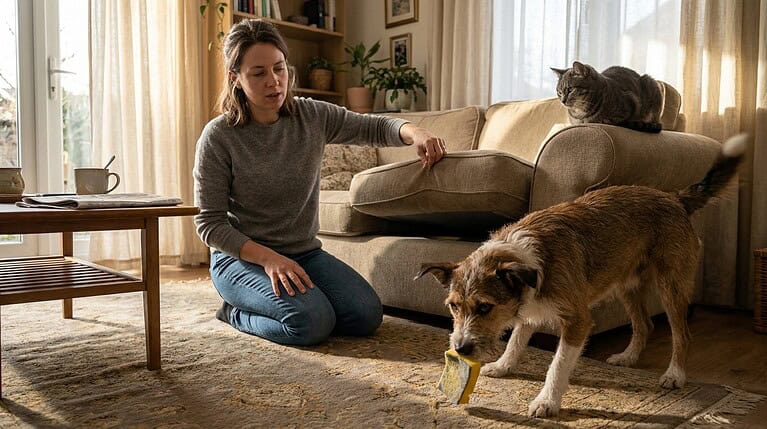
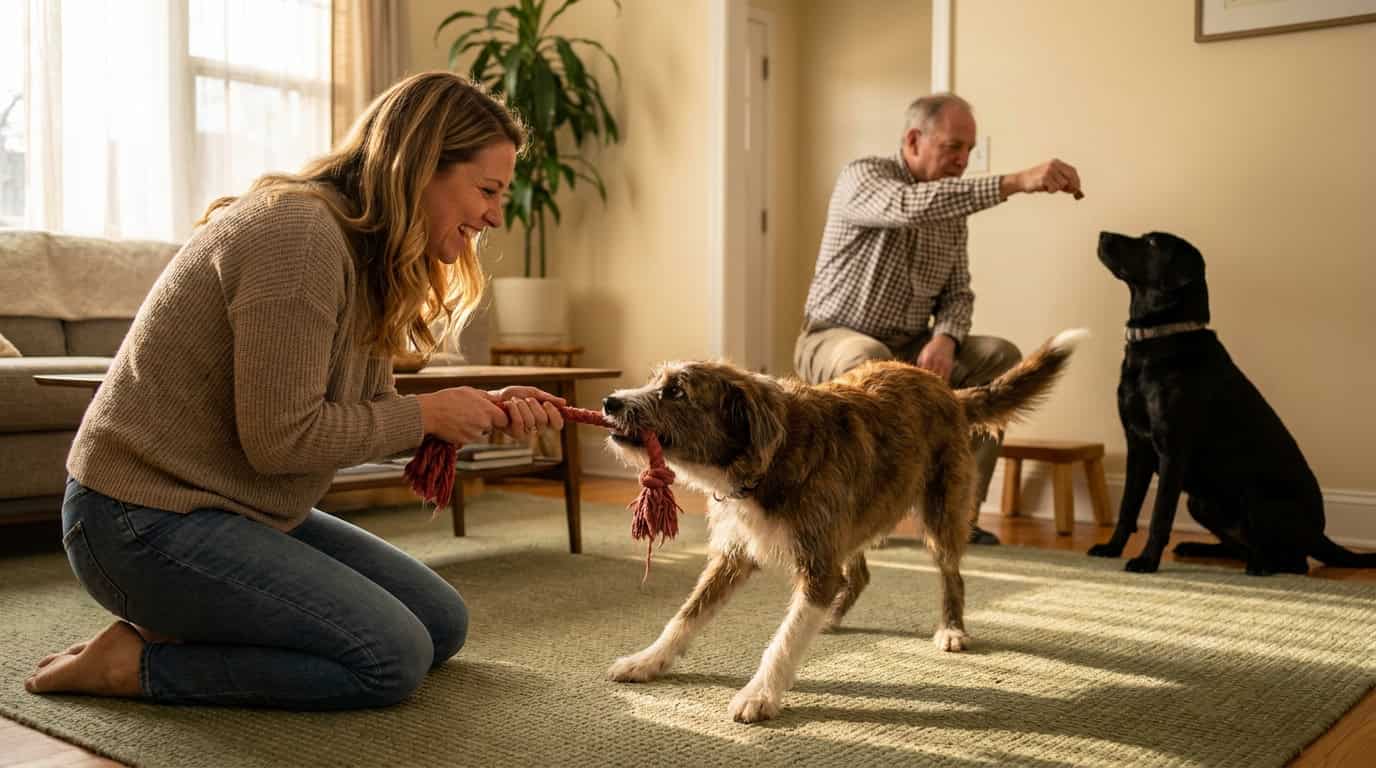
A short tug-of-war session can help you build a strong bond with your dog in just a few minutes. This simple game gives you a way to connect through play, and it can be more effective than hours of formal training.
Many experts note that games like this help build trust between you and your dog, similar to how tug-of-war games have historically fostered teamwork in group settings.
You might wonder why a short game would have such a big effect. The answer lies in how play connects you and your dog on a personal level, something that structured training does not always achieve.
This approach fits into a larger idea about using play to build stronger relationships with your dog.
Why Brief Play Builds Social Connection
A short game of tug-of-war works because it forces you and your dog to focus on each other and share a moment of fun. This shared focus, combined with the good feelings play creates, helps build trust faster than routine training drills.
You’re Both Locked In on the Same Thing
When you play tug-of-war, both you and your dog focus on the same object at the same time. This is called shared attention, and it is a key part of how social bonds form.
Your dog watches your movements, reads your body language, and responds to your energy. You do the same in return.
This back-and-forth attention teaches your dog that you are a reliable partner. It also builds a habit of checking in with you during play, which can carry over into other parts of your relationship.
Play interactions between dogs and owners have been linked to stronger connection and communication.
Shared attention during play also helps your dog learn to read your cues more clearly. This skill can make training sessions outside of playtime go more smoothly.
Excitement That Actually Builds Trust
Tug-of-war creates a state of positive arousal. This means your dog feels excited, but in a good way, not a stressed way.
This kind of arousal releases feel-good chemicals in the brain for both you and your dog. These chemicals help your dog link you with positive feelings.
Over time, this repeated positive experience builds trust. Your dog begins to see you as a source of fun and safety, not just commands or rules.
Short bursts of play, done often, can create these positive feelings more efficiently than long, repetitive training sessions.
Using Tug-of-War Safely and Effectively
The right toy and clear rules turn tug-of-war into a safe bonding tool instead of a source of confusion or bad habits. Getting these two things right helps your dog stay engaged without learning behaviors you don’t want.
Pick the Right Toy
Pick a toy made for tug play, not a random object from around your house. A rope toy or a rubber tug toy with handles works best because it gives you and your dog something to grip firmly.
Your toy should be:
- Long enough to keep your hands away from your dog’s teeth
- Durable so it won’t rip apart during play
- Soft on the mouth to protect your dog’s teeth and gums
Avoid using old socks, towels, or clothing items. These can teach your dog that household items are fair game for chewing or tugging.
Check the toy before and after each session. Replace it if you see frayed edges or loose parts your dog could swallow.
Set Clear Rules Before You Start
Rules keep tug-of-war fun and safe for both you and your dog. Start every session with a clear cue, like „take it,“ so your dog knows when play begins.
Teach a solid „drop it“ or „give“ command before you start tugging. Your dog should release the toy the moment you ask, every single time.
Follow these basic guidelines:
- You start the game. Don’t let your dog grab the toy on their own.
- You end the game. Stop play if your dog’s teeth touch your skin.
- Keep sessions short. Five minutes is enough to build connection without overexciting your dog.
If your dog growls playfully, that’s normal. But stop right away if the growling sounds tense or if your dog won’t let go on command.
How Does This Compare to Formal Training?
Formal training and play-based bonding serve different purposes, though both play a role in a healthy relationship with your dog.
Understanding when each approach works best helps you get the most out of your time together.
When Training Still Matters
Play does not replace every function that structured training provides. Your dog still needs to learn commands like sit, stay, and come for safety and everyday manners.
Training also teaches impulse control, which play alone cannot build. A dog that has never practiced waiting or listening under distraction may struggle in situations that require calm behavior.
Some experienced trainers note that training a dog is far simpler compared to working with wild or unpredictable animals, which shows that consistent structure still shapes behavior in ways spontaneous play cannot.
Skip formal training and your dog may struggle with basic obedience, even if your bond feels strong.
Match the Activity to Your Dog
Not every dog responds to the same type of engagement. Some dogs thrive on physical games like tug-of-war, while others prefer quieter interactions such as scent work or gentle handling.
Age, breed, and personality all affect what your dog finds rewarding. A high-energy working breed may need more vigorous play.
An older or smaller dog may prefer shorter, gentler sessions. Research on animal behavior suggests that enjoyment and comfort vary widely across species and individuals, a pattern that also applies to dogs of different temperaments.
Pay attention to your dog’s reactions during different activities. This helps you choose the right mix of play and training for your specific companion.