Each Birthday Raises a Dog’s Dementia Risk by 52% Study Finds

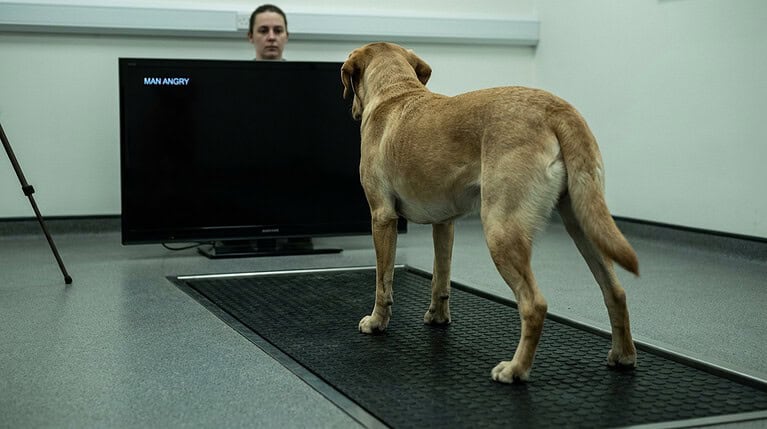
Dog parents want their pets to stay healthy as they age. New research gives us a clearer picture of how age affects a dog’s brain health.
A study found that a dog’s risk of developing canine cognitive dysfunction, a condition similar to dementia in humans, rises by 52% with each passing year of age. This means the risk isn’t steady over a dog’s lifetime.
Instead, it grows each year, especially as your dog enters its senior years. If you have an older dog, this information can help you watch for early warning signs.
Knowing how age impacts your dog’s brain health can help you make better choices about their care as they get older.
What the Research Reveals About Canine Cognitive Decline
The study behind this finding looked at thousands of dogs to measure how age affects brain health. Your dog’s risk factors go beyond just age, though age plays the biggest role.
How the 52% Risk Estimate Was Calculated
Researchers studied data from the Dog Aging Project, which included more than 15,000 dogs across the country. They used a rating scale to check for signs of canine cognitive dysfunction, or CCD.
The team then ran statistical models that controlled for other factors like breed, health status, and activity level. This means they isolated age as its own variable.
When they did this, they found that each extra year of age raised a dog’s odds of CCD by 52%. This number reflects a controlled statistical relationship, not a simple year-by-year prediction for every dog.
Your dog’s actual risk may differ based on other traits the study measured.
Other Things That Affect Your Dog’s Risk
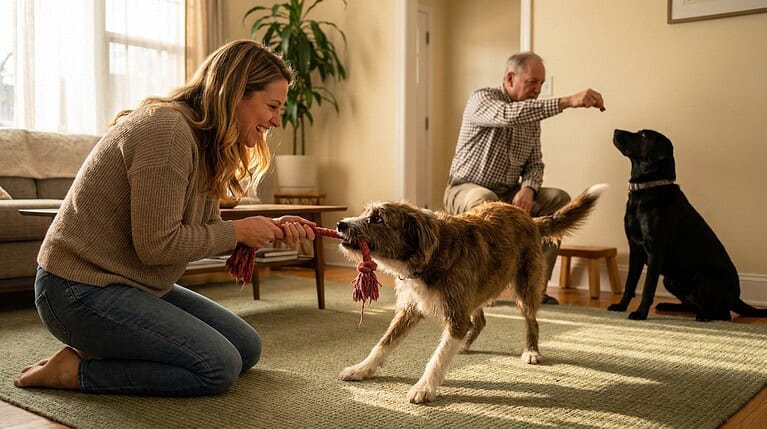
Age is not the only thing that affects your dog’s cognitive health. The study found that activity level made a big difference.
Dogs that were not active had 6.47 times higher odds of CCD compared to dogs that were very active. This was true even when comparing dogs of the same age, breed, and health status.
Health history also matters. Dogs with a past history of neurological, eye, or ear problems showed higher odds of CCD than dogs without these conditions.
Your dog’s body weight may offer clues, too. The researchers found that weight-based lifespan estimates could help vets screen for CCD risk before symptoms become obvious.
What to Watch For as Your Dog Ages
As your dog gets older, you may notice changes in how they act, sleep, and respond to their surroundings. Knowing what to watch for and how to get proper care can help you support your dog through these changes.
Signs Your Dog May Be Struggling
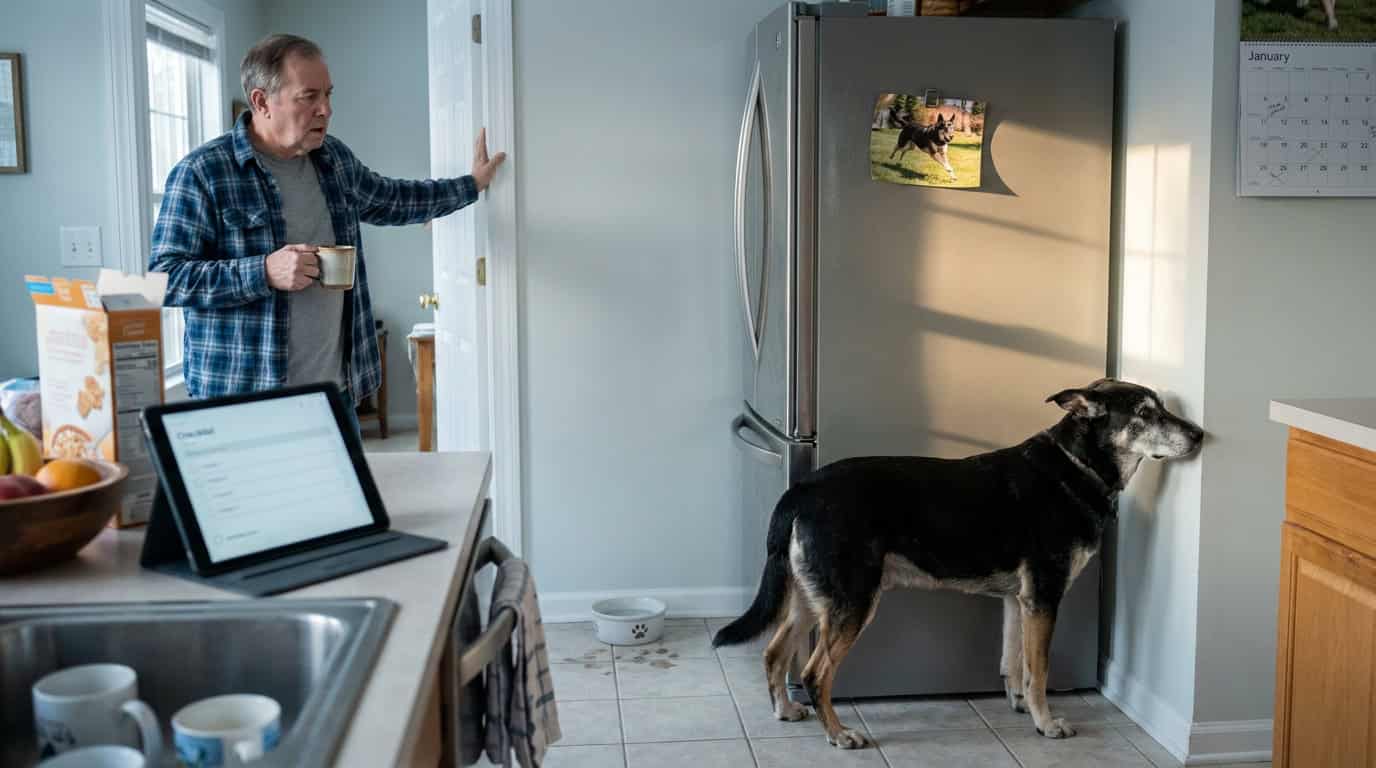
You might notice your dog acting confused in places they know well, like getting stuck in corners or staring at walls. Changes in sleep are also common.
Your dog may sleep more during the day and stay awake or pace at night. Other signs to watch for include:
- Disorientation: Your dog may seem lost in your home or yard.
- Changes in social behavior: Your dog may seek less attention or become more clingy.
- House soiling: Your dog may forget trained habits and have accidents indoors.
- Reduced activity: Your dog may show less interest in play or walks.
- Anxiety or irritability: Your dog may seem more nervous or react differently to family members.
These signs often develop slowly. You may not notice them until they become more frequent or severe.
What Your Vet Can Do to Help
If you notice these changes, schedule a visit with your veterinarian. They can run tests to rule out other health issues, like thyroid problems or vision loss, that can cause similar symptoms.
Your vet may also ask you detailed questions about your dog’s daily habits. This helps them figure out if the symptoms line up with age-related cognitive decline rather than another condition.
Once cognitive decline is confirmed, your vet may suggest supportive care options.
These can include:
- Diet changes: Some prescription diets contain antioxidants that may support brain health.
- Medication: Certain drugs can help manage symptoms like anxiety or sleep disruption.
- Environmental changes: Keeping furniture in the same place and using night lights can reduce confusion.
- Mental stimulation: Puzzle toys and short training sessions may help keep your dog’s mind active.
Regular checkups can help you track your dog’s condition. Adjust their care plan as needed.