
What Do Dogs Do When They’re About to Die?


You may sense something has changed when your dog slows down, eats less, or acts different than usual. These moments feel heavy, and not knowing what they mean can make it harder. Understanding what happens near the end can help you feel more prepared and less afraid.
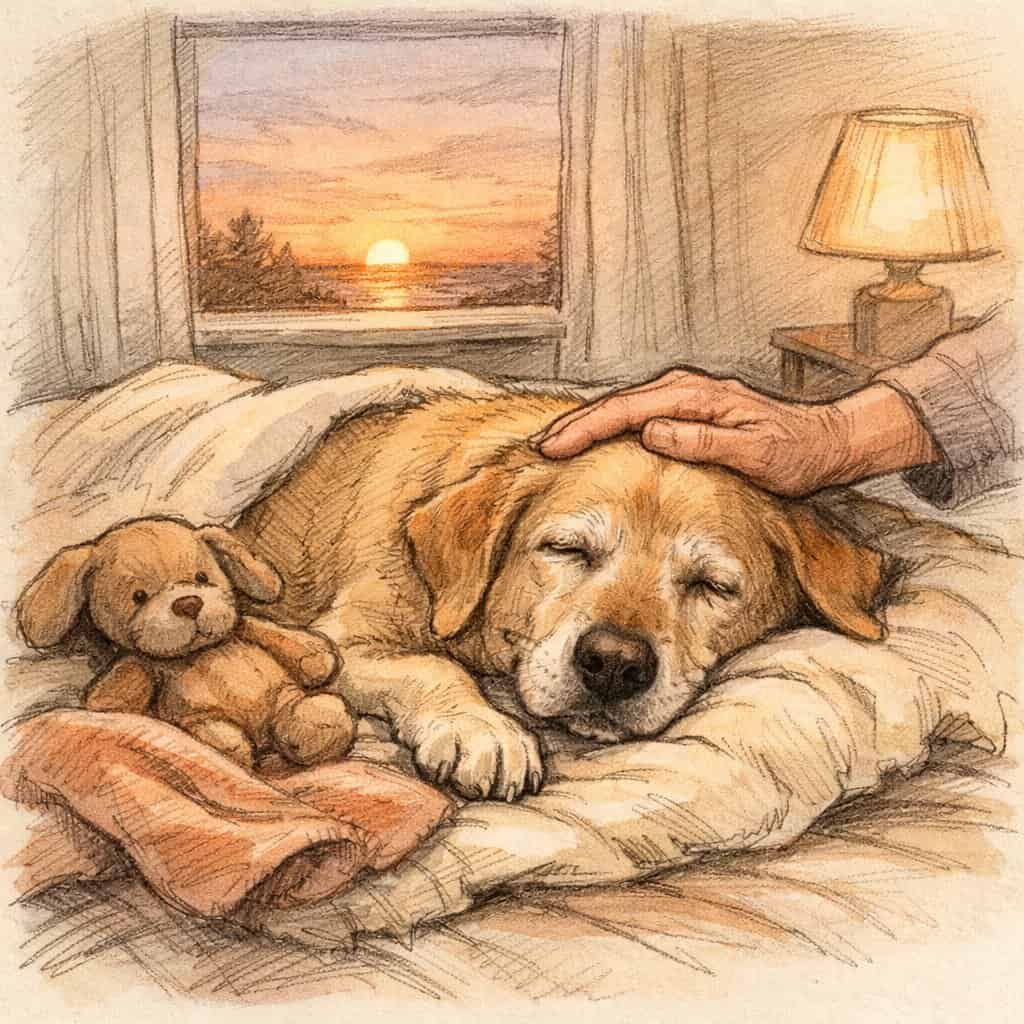
When dogs are about to die, they often show clear physical and behavior changes, such as low energy, less interest in food, changes in breathing, and a strong need for comfort or quiet. Some dogs pull away, while others stay close and seek your touch. These signs often come on slowly, not all at once.
Learning to spot these changes helps you understand what your dog needs most right now. You can offer comfort, make calm choices, and focus on love during this time. Knowing what to expect can bring a small sense of peace when everything else feels uncertain.
Recognizing the Signs When Dogs Are About to Die
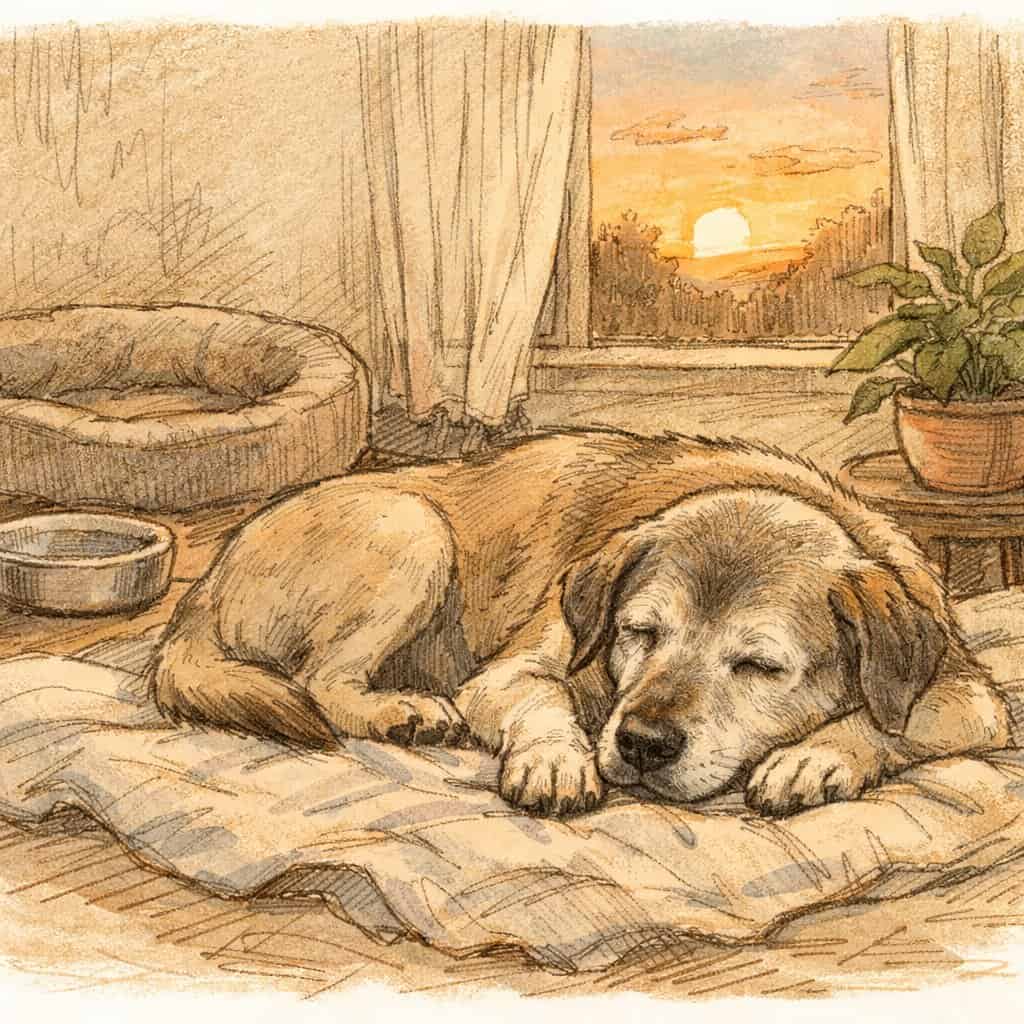
As dogs near the end of life, their bodies and habits often change in clear ways. You may notice shifts in movement, social behavior, eating, and breathing that signal serious decline.
Physical Changes in Behavior
You may see your dog move less and rest more than usual. Walking can look stiff, slow, or unsteady. Some dogs struggle to stand or lie down without help.
Energy often drops fast. Your dog may stop greeting you, playing, or responding to cues they once knew well. Shaking, weakness, or loss of balance can appear, even without effort.
Changes in sleep also stand out. Your dog may sleep most of the day and wake only for short periods. When awake, they may seem confused or distant. These changes often point to pain, organ failure, or extreme fatigue.
Common physical changes
- Trouble walking or standing
- Long periods of sleep
- Weakness or shaking
- Less response to touch or sound
Social Withdrawal and Seeking Isolation
Many dogs pull away from family near the end of life. Your dog may choose quiet corners, closets, or hidden spots. This behavior reflects instinct, not rejection.
Some dogs do the opposite and seek constant closeness. They may follow you, rest at your feet, or cry when left alone. Both patterns can signal distress or discomfort.
You may also notice less eye contact or interest in daily routines. Dogs often save energy and limit contact as their bodies fail. Pay attention to sudden shifts, not just long-term habits.
You might notice
- Hiding or avoiding busy areas
- Less interest in visitors
- Clingy behavior or anxiety
- Reduced response to affection
Loss of Appetite and Hydration
Loss of appetite ranks among the clearest signs. Your dog may sniff food and turn away or stop eating entirely. Even favorite treats may no longer help.
Water intake often drops too. Dehydration can cause dry gums, sunken eyes, and weakness. Swallowing may feel hard or painful, which adds to refusal.
Do not force food or water. Focus on comfort and follow your vet’s advice. Small sips or moist food may help for a short time, but appetite loss often marks a serious stage.
Warning signs
- Skipped meals for over a day
- Refusal of treats
- Little or no drinking
- Weight loss over days
Changes in Breathing Patterns
Breathing often changes as the body weakens. You may hear labored breaths, long pauses, or shallow panting while resting.
Some dogs breathe with their mouth open or use their belly muscles to breathe. Others show irregular rhythms that come and go.
These patterns can signal heart failure, lung issues, or pain. Keep your dog calm and in a quiet space. Contact your vet if breathing seems strained or sudden.
Common breathing changes
| Pattern | What You May See |
|---|---|
| Labored breathing | Chest or belly moving hard |
| Slow or uneven breaths | Long pauses between breaths |
| Open-mouth breathing | Panting without heat or stress |
| Noisy breaths | Wheezing or soft gasping |
How To Comfort Dogs in Their Final Days
You can help your dog feel safer and more at ease by reducing stress, staying close, and meeting changing care needs. Small, steady actions often bring the most comfort.
Providing a Peaceful Environment
Choose a quiet room away from noise, visitors, and other pets. Keep lights soft and avoid sudden sounds. A calm space helps lower anxiety and lets your dog rest.
Set up a low, padded bed with familiar blankets. Keep water within easy reach, even if your dog drinks less. If your dog struggles to move, place food and water on the same side to reduce effort.
Maintain a simple routine. Feed, medicate, and offer bathroom breaks at the same times each day. Predictability helps your dog feel secure when their body feels uncertain.
Helpful setup tips:
- Soft bedding with good support
- Warmth from a light blanket, not heat
- Clear paths with no clutter
Offering Gentle Physical Contact
Your presence matters. Sit nearby so your dog can see and smell you. Speak in a calm voice and keep movements slow.
Offer gentle touch if your dog welcomes it. Light strokes along the shoulders or chest often feel soothing. Stop if your dog pulls away, stiffens, or seems restless.
Lying on the floor at your dog’s level can help. It reduces pressure and makes contact easier. Even quiet companionship without touch can bring comfort.
Signs your dog wants space:
- Turning their head away
- Tensing muscles
- Whining or shallow breathing
Respect these signals and stay close without forcing contact.
Meeting Special Care Needs
As the body weakens, care needs change. Your dog may eat less, drink less, or need help standing. Offer small meals of soft food if approved by your vet.
Keep your dog clean and dry. Gently wipe the mouth, eyes, and paws. Trim fur around the rear if needed to prevent skin sores.
Pain control matters. Follow your vet’s plan for medication and dosing. Call the vet if pain seems worse or new symptoms appear.
| Need | What You Can Do |
|---|---|
| Hydration | Offer water often; use a shallow bowl |
| Mobility | Use towels or harnesses for support |
| Comfort | Adjust bedding and reposition gently |