
What Do Fleas Look Like on Dogs?

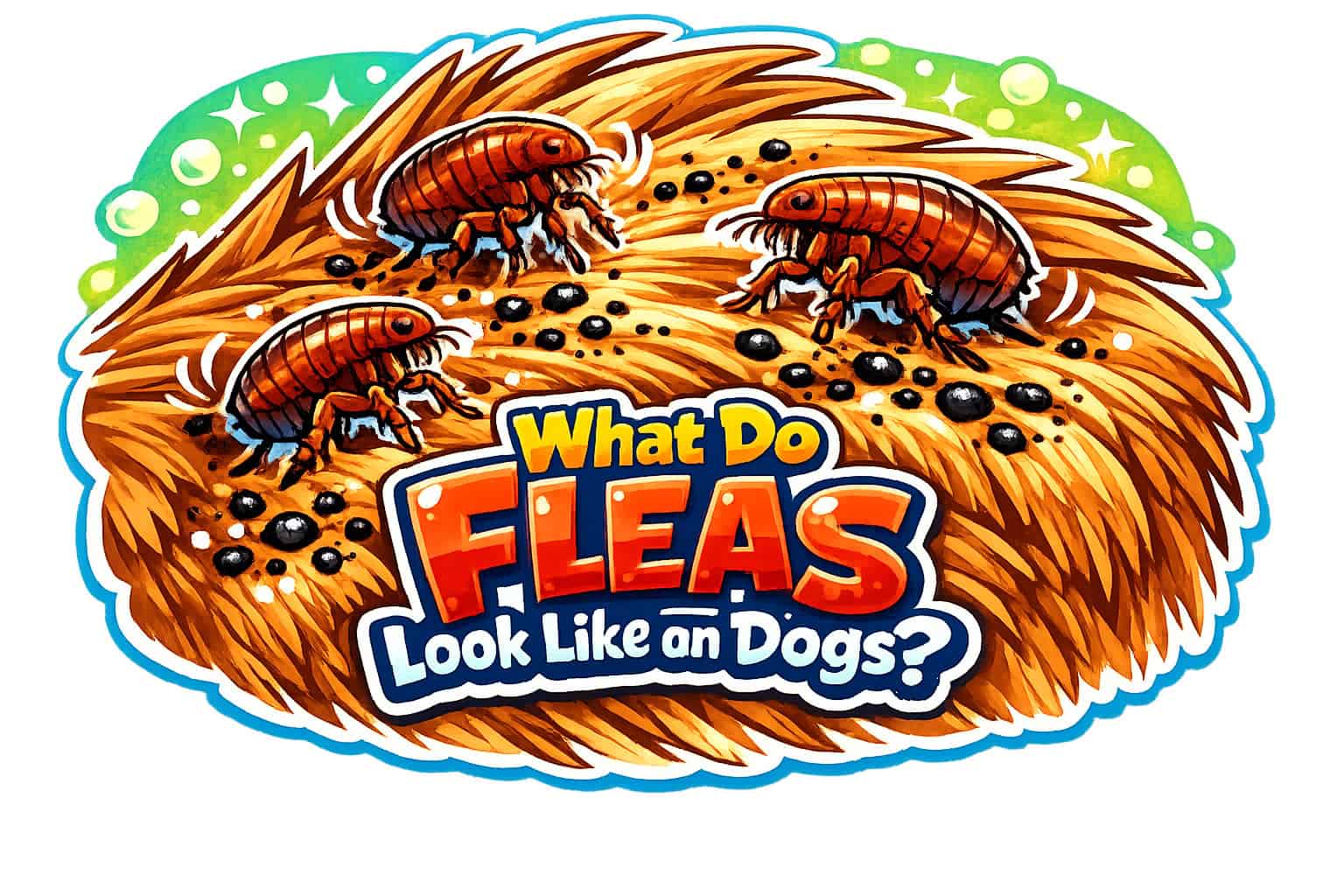
Fleas are tiny parasites that live on your dog and feed on their blood. At a glance, you might even mistake them for dirt since they zip around and hide deep in the fur.
Even just a few fleas can make your dog miserable, causing steady itching and irritated skin.
Spotting flea trouble early is key for your dog’s health. Watch for scratching, hair loss, red bumps, and those dark little specks known as flea dirt.
Preventive care lowers the risk, but honestly, you’ll still want to check your dog often. If you see fleas, don’t wait—call your vet.
What Do Fleas Look Like?
You might catch a glimpse of fleas as tiny, dark insects darting through your dog’s fur. They’re only a few millimeters long, usually brown or almost black.
Their bodies are flat and oval, with six legs that let them move quickly and jump surprisingly far.
It’s easy to miss fleas since they blend in and move fast. Sometimes, you’ll notice signs of them before you spot the bugs themselves.
Common visual clues include:
- Tiny insects that scurry away when you part the fur
- Flea dirt, which really does look like black pepper
- Little specks that turn reddish when wet—yep, that’s digested blood
Fleas usually hop onto your dog from other animals or places they’ve shared. They might bite you, but they don’t stick around on human skin.
Could Your Dog Have Fleas?
Fleas can cause some pretty obvious changes in your dog’s skin or behavior. You might see hair loss, constant scratching, or red, sore patches.
Some dogs chew at their own skin or seem less playful than usual. If things get worse, you could notice a drop in appetite or energy.
Check the coat, too. Look for tiny dark grains—that’s flea dirt. Adult fleas are small and quick, so catching them in the act isn’t always easy.
Dry Skin vs. Flea Trouble
Let’s put the signs side by side for a quick comparison.
| Sign | Dry Skin | Fleas |
|---|---|---|
| Flakes | White and dusty | Black specks |
| Cause | Low moisture, bathing | Parasites from outdoors |
| Itch | Mild to steady | Strong and frequent |
Here’s a simple test: brush some of your dog’s fur onto a damp paper towel. If you see black specks that turn reddish-brown, it’s likely fleas. White flakes that stay white? Probably just dry skin.
How To Check Your Dog for Fleas
Try checking your dog when they’re calm—maybe after a walk or before bedtime. Keep a flea comb handy just in case.
- Start at the head and work your way down to the tail.
- Comb or brush through small sections of fur.
- Pay extra attention to warm, hidden spots.
High-risk areas to inspect
| Area | Why it matters |
|---|---|
| Base of tail | Fleas tend to gather here |
| Neck | It’s warm and sheltered |
| Belly and groin | Less fur means you’ll spot things faster |
If your dog’s fur is thick or matted, use your fingers to part the hair and look right at the skin. Keep an eye out for tiny dark bugs or black specks.
If you find fleas, give your dog a bath with flea shampoo to get rid of them and clean up the coat.
Treatment for Fleas on Dogs
If you spot fleas or flea dirt, it’s time to call your vet. They’ll help you pick safe options based on your dog’s size, age, and health.
Common flea treatments include:
- Oral preventatives that kill fleas and keep new ones away. Some cover other parasites, too.
- Fast-acting oral meds that start working within hours.
- Medicated flea shampoos for use during baths.
- Topical treatments you apply to the skin to kill and repel fleas.
Your vet might also recommend ways to soothe the itch while the treatment kicks in. These can help stop the scratching and protect the skin:
- Antihistamines for itch relief
- Allergy injections for longer-term control
- Corticosteroids for short-term inflammation
- Anti-itch meds made just for dogs
Fleas spread like wildfire between pets. Check every animal in your house and treat them if needed.
Fleas don’t just live on your dog—they hang out in your home, too. You’ll need to clean up to break their life cycle.
- Wash pet beds, blankets, and soft toys in hot water every week.
- Vacuum floors, rugs, and furniture often. Empty the vacuum after each use.
Ongoing protection really does matter. Keep your dog on flea prevention year-round. If your dog isn’t protected and has fleas now, get started with a prescription from your vet.
What Fleas Look Like on Dogs: Common Questions
Can you spot fleas on your dog with your eyes?
You can, but it’s not always easy. Fleas are tiny, dark brown, and flat—and they move fast, jumping away if you get too close.
Where to look first:
- Base of the tail
- Belly and inner thighs
- Neck and behind the ears
A flea comb can help slow them down and bring them into view. Sometimes you have to be patient—those little guys are quick.
How do flea bites appear on dogs?
Flea bites usually show up as small red bumps on your dog’s skin. At first glance, they can look like tiny pinpoints.
You may notice:
- Raised red spots
- Skin that feels warm or a bit swollen
- Sometimes, if your dog reacts more, you might see bigger red circles
Dogs who have allergies tend to scratch more. This can lead to larger, redder patches of skin.