
Why Do Dogs Shake?


You see your dog shake, and you wonder what it means. The movement might look small and harmless, or it might seem sudden and strange. You want to know if it is normal or a sign that something is wrong.
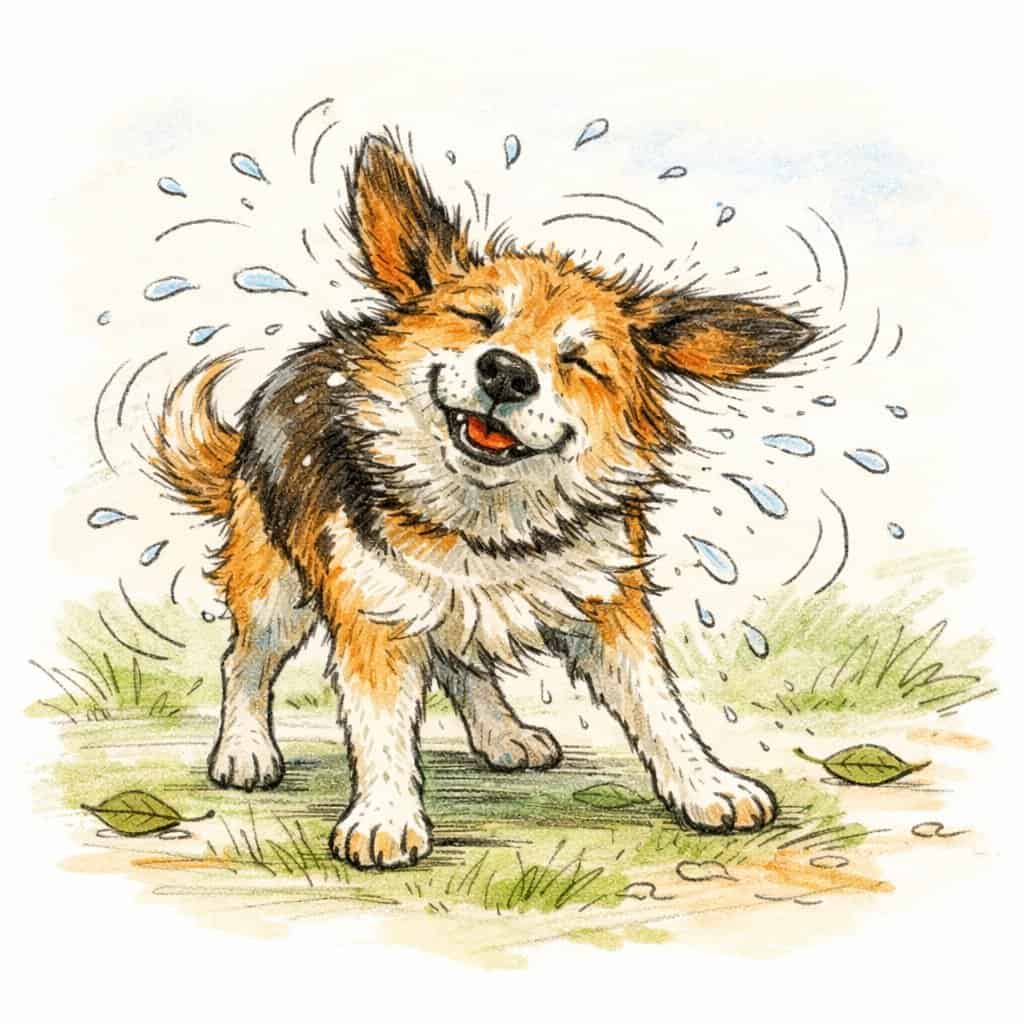
Dogs shake for many reasons, including cold, excitement, stress, pain, or health problems, and some causes are harmless while others need a vet’s care. Your dog may shiver after a bath, tremble during a thunderstorm, or shake when feeling anxious. In some cases, shaking can point to illness, injury, or even toxin exposure.
When you understand why dogs shake, you can spot the difference between normal behavior and a real problem. This guide will walk you through common everyday causes and the health issues that may need quick action.
Common Reasons Dogs Shake
Dogs often shake for simple, everyday reasons. Excitement, cold weather, and getting wet all trigger natural body responses that look dramatic but are usually normal.
Expressing Excitement
You may notice your dog shake when you grab the leash or come home from work. This type of shaking often comes with a wagging tail, bright eyes, and quick movements.
Excitement triggers a rush of adrenaline. That burst of energy can make your dog’s muscles tremble for a short time. Small breeds tend to show this more clearly, but any dog can do it.
This shaking usually stops once your dog settles down.
Normal excitement shaking often includes:
- Jumping or spinning
- Barking or whining
- Loose, wiggly body language
- Shaking that lasts a few seconds to a minute
If the shaking continues after your dog calms down, look for other signs like pain or fear. In most cases, though, brief trembling during happy moments is harmless.
Feeling Cold
Cold weather is a common reason dogs shiver. Shaking helps the body create heat by making muscles move quickly.
Dogs with short hair, low body fat, or small frames feel cold faster. Puppies and senior dogs also struggle more with low temperatures.
You might see your dog:
- Curl up tightly
- Lift paws off cold ground
- Seek blankets or warm spots
- Shiver during walks
If your dog stops shaking after you move indoors or add a sweater, cold was likely the cause. Limit time outside in freezing weather. Dry bedding and warm shelter matter, even for thick-coated breeds.
If your dog keeps shaking in a warm room, cold may not be the issue. Watch for other symptoms like vomiting, weakness, or stiffness.
Drying Off After Getting Wet
After a bath, swim, or rainstorm, your dog will likely shake from head to tail. This full-body shake is a built-in drying system.
When your dog twists the body quickly, water flies off the fur. Studies show this motion removes a large amount of water in seconds. It helps prevent body heat loss.
You may see this happen:
- Right after a bath
- After playing in sprinklers
- During rainy walks
- Even after drinking water, if the face gets wet
This shake is strong and fast, but it lasts only a moment. It is normal and healthy.
Keep towels nearby to limit mess. If your dog shakes repeatedly without being wet, check for ear irritation or skin problems.
Health-Related Causes for Shaking
Shaking can signal more than cold or excitement. Your dog may tremble because of stress, pain, or an underlying medical problem that needs care.
Experiencing Stress or Anxiety
Stress and anxiety often cause full-body trembling. You may notice shaking during loud noises, vet visits, car rides, or when your dog meets new people.
Other signs usually appear at the same time. Watch for:
- Panting when it is not hot
- Pacing or restlessness
- Tucked tail
- Whining or hiding
Some dogs also shake after a stressful event. This response helps release built-up tension.
Short-term stress is common. Ongoing anxiety is not. If your dog shakes often in certain settings, reduce triggers when you can. Create a quiet space at home. Use calm, steady movements and a soft voice. If the shaking continues or gets worse, your vet can suggest behavior training or medication.
Pain or Discomfort
Pain often causes trembling, especially if it starts suddenly. Your dog cannot tell you what hurts, so shaking may be one of the first signs you see.
Look for these clues:
- Limping or stiffness
- Crying out when touched
- Hunched posture
- Changes in appetite
- Reluctance to move or jump
Injuries, joint problems, dental pain, or stomach upset can all lead to shaking. Small dogs may tremble more when they feel pain, but any breed can show this sign.
Do not ignore new or intense shaking. If your dog also vomits, seems weak, or avoids contact, call your vet right away. Quick action can prevent more serious problems.
Medical Conditions Like Ear Infections
Certain medical conditions trigger shaking as a symptom. Ear infections are a common example.
If your dog has an ear infection, you may notice:
- Head shaking
- Scratching at one or both ears
- Redness or swelling inside the ear
- Bad odor or discharge
Ear infections cause discomfort and pressure. Shaking the head may seem like your dog is trying to relieve that feeling.
Other health issues can also cause tremors. These include poisoning, low blood sugar, fever, or nervous system disorders. In some cases, shaking comes with vomiting, diarrhea, lethargy, or loss of balance.
Contact your vet if shaking appears with other symptoms or lasts more than a short time. Early treatment often leads to better outcomes.