Giant Breeds: The Only Dog Where Being a Good Boy Comes With a 3-Year Penalty

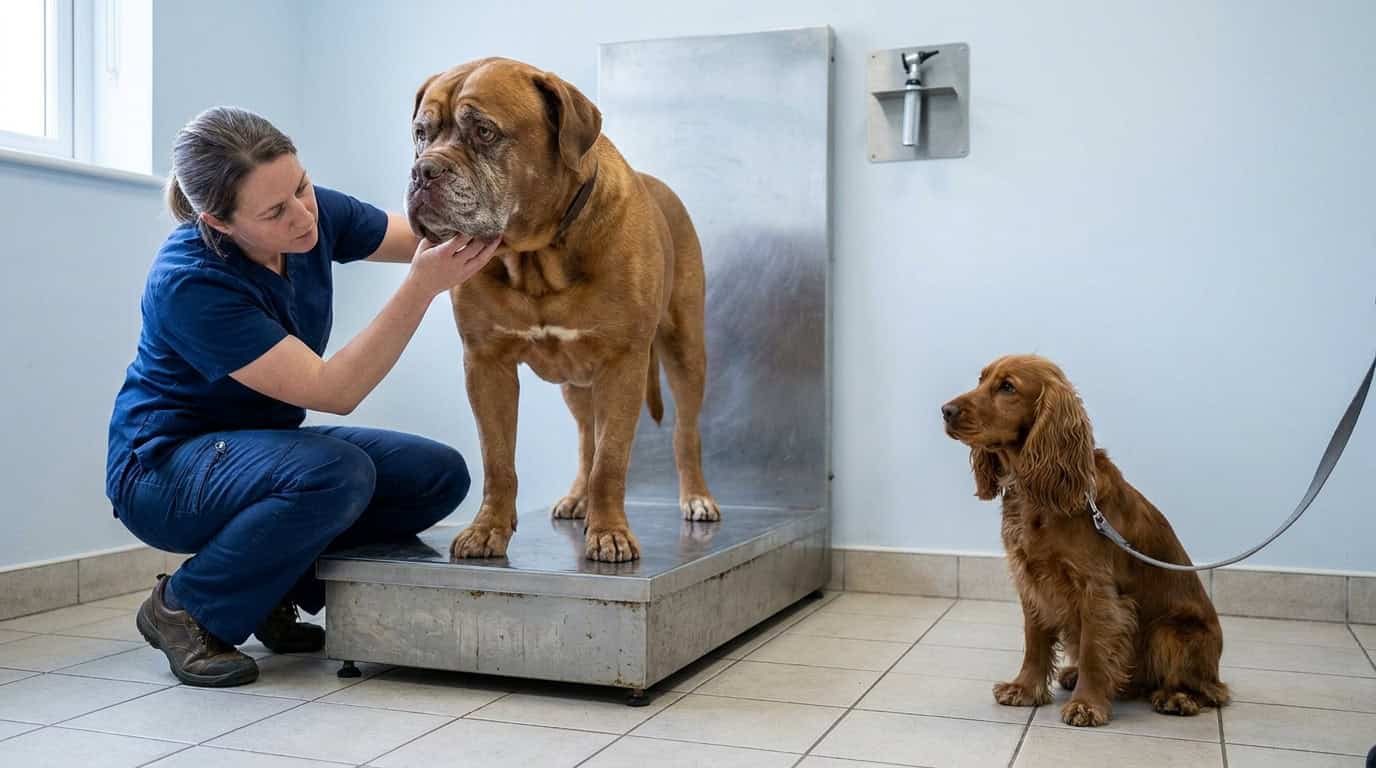
Big dogs give you big love, but they don’t give you much time.
Great Danes, Mastiffs, and other giant breeds often live only 6 to 8 years. That’s up to 3 years shorter than most medium-sized dogs, and up to 6 years shorter than small breeds.
The bigger the dog, the faster its body seems to wear out. You might wonder why size makes such a big difference.
Scientists have some answers, but not everyone agrees on all the details. If you’re thinking about bringing home a gentle giant, you deserve to know what’s ahead.
Why Giant Dogs Mature More Slowly
Your giant breed puppy grows on a different timeline than smaller dogs. Their bones, joints, and brains all need extra time to finish developing.
Their Bones Need More Time to Finish Growing
Your giant breed’s bones grow from areas called growth plates. These plates stay open longer in large dogs than in small ones.
Small breeds often finish growing by 12 months. Giant breeds, like Great Danes or Mastiffs, may not finish until 18 to 24 months.
This slower growth happens because giant breeds need to build much more bone mass and muscle. Their skeleton has to support a body that can weigh over 100 pounds.
You should avoid high-impact exercise, like jumping or long runs, while your dog’s growth plates are still open. Too much stress on growing bones can lead to joint problems later, such as hip dysplasia.
Key growth facts for giant breeds:
- Growth plates close later, often past 18 months
- Bone density increases gradually over 2+ years
- Rapid growth raises the risk of skeletal disorders
- Controlled exercise protects joints during development
They Act Like Puppies Long After They Look Grown
Your giant breed’s brain also matures on a slower schedule. Emotional maturity often doesn’t arrive until age 2 or 3, even after physical growth slows down.
This means you may deal with puppy-like behavior in a dog that already looks fully grown. Chewing, jumping, and testing boundaries can continue well past the point where a smaller dog has settled down.
Training still works the same way. You just need more patience and consistency for a longer period.
Giant breeds also process new experiences slowly. Socialization should continue steadily through the first few years, not just during early puppyhood.
You should expect your dog’s temperament to keep shifting as they age. What looks like stubbornness or excess energy at 18 months often fades once full maturity sets in.
Health Risks During the Extended Puppy Stage
Large and giant breeds stay in a growth phase much longer than small dogs. This means your dog’s bones, joints, and body systems are more open to injury and disease during this time.
Their Joints Are More Fragile While They Grow
Your dog’s growth plates stay open longer in giant breeds, sometimes past 18 months of age. During this time, the bones are softer and more likely to bend or break under stress.
Too much exercise, jumping, or running on hard surfaces can damage these growth plates. This can lead to long bone growth problems common in large breeds.
Common orthopedic risks include:
- Hip dysplasia – a loose or poorly formed hip joint
- Elbow dysplasia – abnormal growth in the elbow joint
- Panosteitis – painful inflammation in the long bones
- Osteochondrosis – cartilage that fails to turn into bone properly
You should limit high-impact activity until your dog’s growth plates close. Controlled walks are safer than repeated jumping or long runs.
The Right Food Protects Their Growing Bones
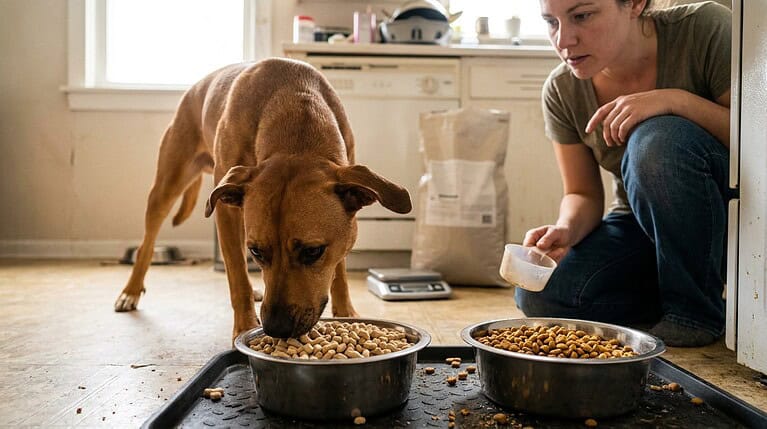
Your dog’s diet plays a large role in how well its bones and joints develop. Large breed puppy foods are made with lower calcium and fat levels than regular puppy food.
This slower growth rate helps prevent bone and joint problems. Feeding an adult-formula food or a diet too rich in calories can cause your dog to grow too fast, which puts more strain on the joints.
Extra body weight also adds stress to bones that are still forming. You should keep your dog at a lean body weight throughout the growth period, which can take up to three years in some giant breeds.
Talk to your vet about a feeding schedule based on your dog’s breed, size, and growth rate. Regular weight checks can help you catch problems early.
Training and Daily Care for Oversized Adolescents
Your giant breed puppy will act like a toddler for two to three years while carrying the body of a full-grown dog. This gap between mental age and physical size means your training and exercise routine needs to change as your dog grows.
Start Training Before They Get Too Big
Your puppy’s brain is not fully developed until age two or three, even though their body looks like an adult dog by age one. This means you need to keep rules simple and repeat them often.
Set boundaries early. Teach basic commands like sit, stay, and leave it before your dog gets too big to manage.
A 150-pound dog that jumps on guests or pulls on a leash becomes a safety problem, not just an annoyance. Socialization matters just as much as commands.
Expose your puppy to different people, sounds, and situations during the first year. This builds confidence and reduces fear-based reactions later.
Keep training sessions short. Ten to fifteen minutes at a time works better than long sessions, since young dogs lose focus quickly.
Exercise That Protects Developing Joints
Giant breed puppies grow fast, and their bones and joints are still forming well into their second year. Too much exercise, especially high-impact activity, can damage growth plates.
Avoid these activities until your dog is fully grown:
- Jumping on and off furniture or vehicles
- Running on hard surfaces like pavement
- Long hikes or forced runs
- Repetitive stair climbing
Instead, stick to short, controlled walks. Many vets suggest five minutes of walking per month of age, done twice a day.
A six-month-old puppy, for example, would get about 30 minutes of walking split into two sessions. Swimming is a good low-impact option once your puppy is old enough and comfortable in water.
It builds muscle without putting stress on joints. Watch your dog’s energy level and adjust exercise as needed.
Overtired puppies are more prone to injury.
Planning for the Realities of Giant-Breed Ownership
Before bringing home a giant breed, you need to think about your budget, your living space, and your dog’s health needs. These dogs come with higher costs and shorter lifespans, so planning ahead can help you give your dog the best life possible.
They Cost More and Need More Space
Giant breeds cost more to own than smaller dogs. You will spend more on food, since these dogs can weigh over 100 pounds.
You will also pay more for medications, since doses are based on weight. Your home needs enough room for a large dog to move around comfortably.
A giant breed needs space to stretch out, turn around, and rest without feeling cramped.
Here are some costs you should plan for:
- Food: Large-breed formulas cost more per bag and get used up faster
- Veterinary care: Bigger dogs often need higher medication doses and larger equipment for exams
- Pet insurance: Premiums may be higher due to increased health risks
- Furniture and gear: You may need a bigger crate, bed, and car harness
They Live Shorter Lives, So Checkups Matter More
Giant breeds have shorter lives than smaller dogs. One study found that giant breed dogs had a median age at death of just under 9 years.
Regular checkups can help your vet catch health problems early. Preventive care is especially important for giant breeds.
Giant breeds often face specific health issues. The same study found that dermatological and musculoskeletal disorders were among the most common problems in this group.
Heart disease and certain cancers also appear more often in giant breeds than in smaller dogs.
You should ask your vet about a screening schedule that fits your dog’s breed and age. Early detection can help manage conditions like joint problems or heart issues before they limit your dog’s quality of life.