7 Everyday Tips for When Your Senior Dog Is Incontinent

When your beloved four-legged friend gets older, incontinence may become part of your daily life. This topic is emotional for many of us, because our dog is not just a pet but a full-fledged member of the family. Here are some tips that can help you navigate this new challenge.
💡 Tip #1. Consult your veterinarian
Before you try to simply live with your dog’s incontinence, it is important to take your dog to a veterinarian. Incontinence can have various causes, ranging from urinary tract infections to age-related issues.
A veterinarian can determine the exact cause and suggest an appropriate treatment. Sometimes a simple adjustment to diet or a medication can bring significant relief.
💡 Tip #2. Establish a routine
A consistent routine gives your dog a sense of security and can help manage incontinence more effectively. Schedule regular walks, ideally at the same times each day, so your dog can settle into a regular bathroom schedule.
Make sure the last walk takes place late in the evening to help prevent nighttime accidents.
💡 Tip #3. Use dog diapers and pads
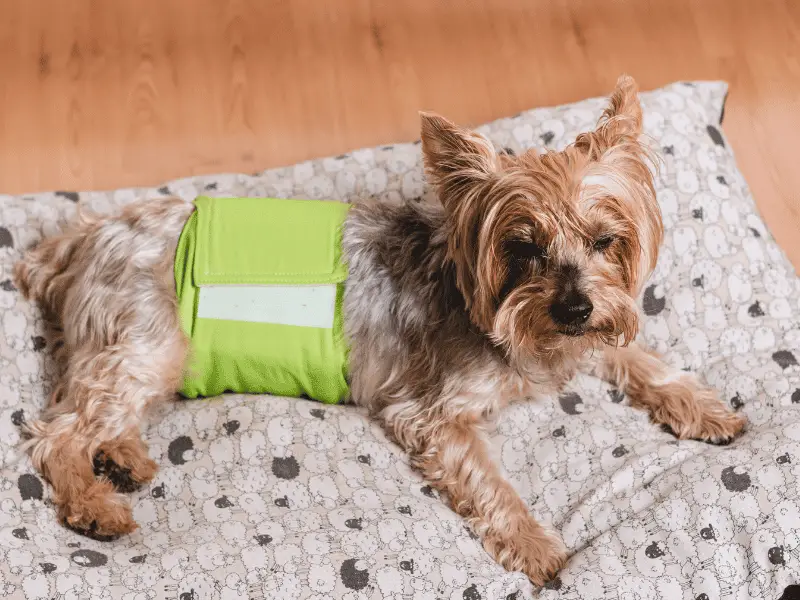
Dog diapers can be a big help in managing incontinence. They come in various sizes and for both male and female dogs. Make sure the diapers fit well without constricting.
Change the diapers regularly to prevent skin irritation. At home, you can also place absorbent pads, especially in your dog’s favorite spots. These pads are easy to wash or dispose of and help keep the area clean.
💡 Tip #4. Adjust the sleeping area
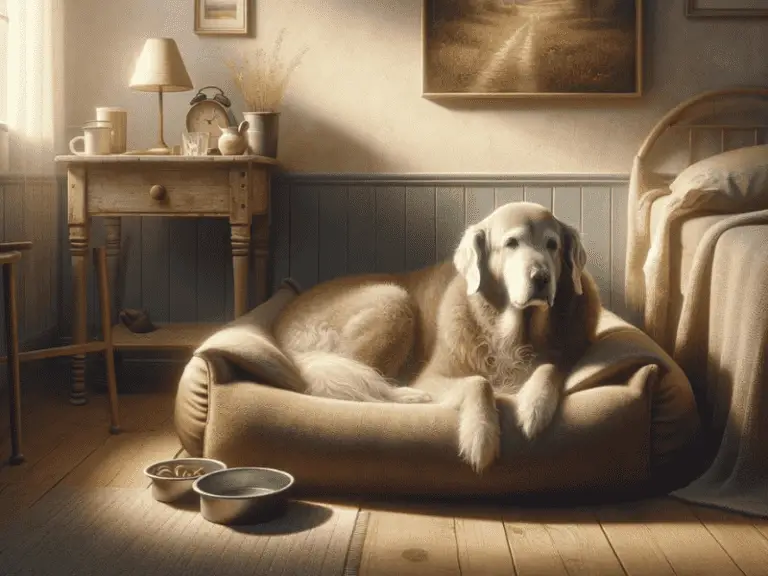
A dry, comfortable sleeping area is especially important for your senior dog. Invest in waterproof mattress covers or specialized dog beds designed for incontinence.
These often come with removable, washable covers, which makes cleaning much easier. In addition, you can use waterproof pads or towels and change them regularly to minimize moisture and odors.
💡 Tip #5. Optimize your cleaning routine
Keep your home clean and hygienic by developing an effective cleaning routine. Use pet-safe cleaners that contain enzymes to eliminate odors and stains.
Always keep some cleaning wipes and a specialized spray on hand so you can respond quickly to little accidents. Regularly washing dog beds, blankets, and pads also helps keep your home fresh.
💡 Tip #6. Don’t forget skin care
Your dog’s skin can become irritated by constant moisture. Make sure your dog’s skin is clean and dry after every diaper change. Use gentle, dog-friendly wipes or a damp cloth, then dry the skin thoroughly.
There are also barrier ointments and sprays that can help protect the skin. Make sure your dog does not lick or chew at the diaper, as this can lead to additional skin problems.
💡 Tip #7. Show patience and affection
Incontinence can be just as frustrating for your dog as it is for you. Be patient and understanding when accidents happen. Avoid scolding your dog, since they are not at fault and cannot control it.
Instead, give extra cuddles and show your dog that you are there for them. Your positive attitude and support are essential to help their confidence and reduce stress, which can make incontinence worse.
Remember that your senior dog has loved you unconditionally their whole life and now relies on your love and care.