Survey Reveals: Your Dog’s Bowl Has More Bacteria Than Your Toilet

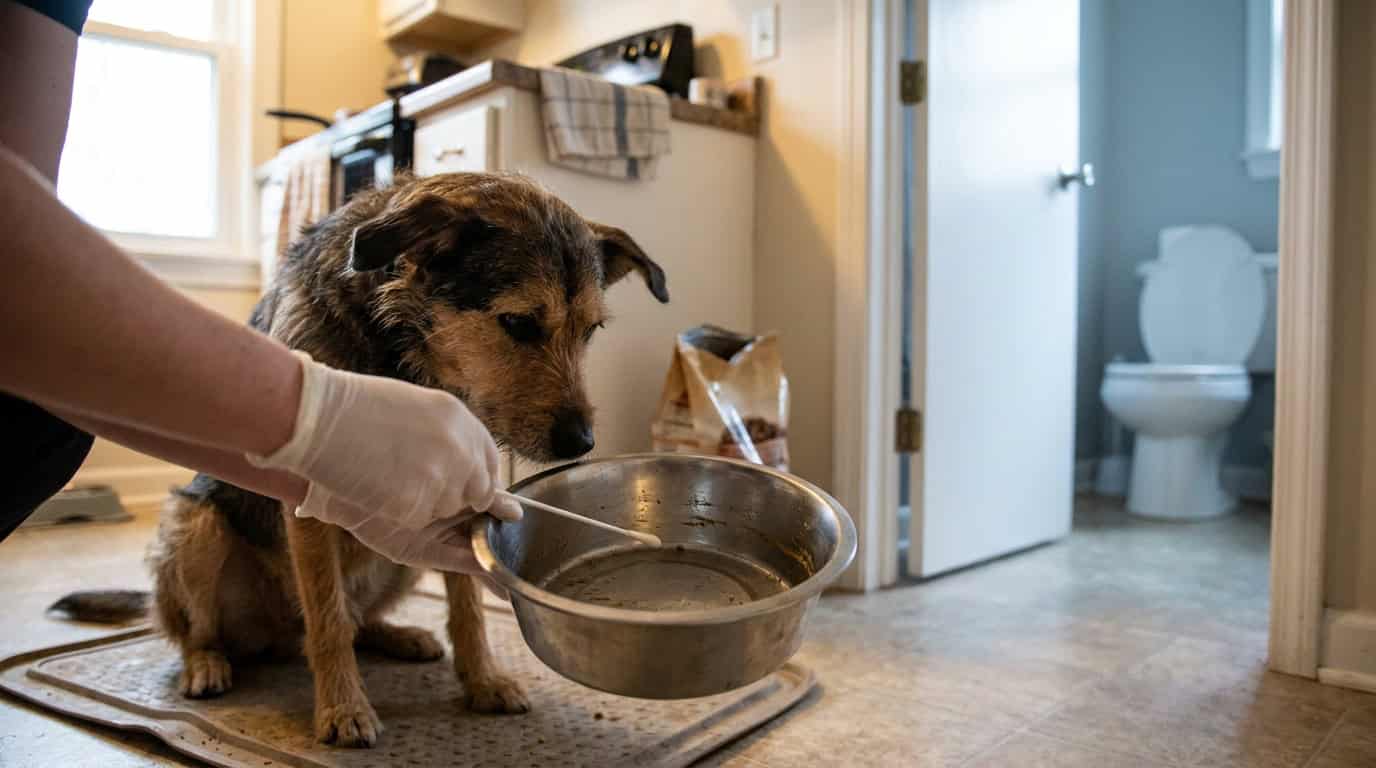
Your dog’s food bowl might be one of the dirtiest items in your house. A recent survey found that pet bowls carry more bacteria than most toilets.
This happens because pet bowls sit out all day, collect saliva and food residue, and rarely get a deep clean.
You probably wash your dishes after every meal. But your dog’s bowl may go days or even weeks without a proper scrub.
That gap gives bacteria plenty of time to grow.
What the Survey Findings Mean
The results of these bacteria tests depend heavily on how scientists count microbes and what they compare them to. Understanding the testing process helps you see why the toilet comparison, while attention-grabbing, doesn’t tell the full story.
How Scientists Count Bacteria
Researchers measure bacteria using a method called colony-forming units, or CFUs. This process involves swabbing a surface, then letting any bacteria present grow in a lab dish over a set period of time.
The number of colonies that form tells scientists how much bacteria was on the original surface. Higher CFU counts mean more bacteria were present, but this method doesn’t identify which specific bacteria are there or whether they can make you sick.
A study on dog food bowls found that certain feeding and cleaning habits raise the risk of bacterial contamination. Factors like bowl material, food type, and how often you clean the bowl all affect these counts.
Wet food bowls, for example, often show higher bacteria levels than dry food bowls because moisture helps bacteria grow faster.
Why the Toilet Comparison Doesn’t Tell the Whole Story
Toilet seats get cleaned often and are made of smooth, hard plastic that doesn’t hold onto bacteria easily. Dog bowls, on the other hand, often go days without a thorough cleaning and can have small grooves or scratches where bacteria can settle in.
This difference in cleaning habits and material design explains why bowls often test higher for bacteria, even if neither surface poses a real health risk to you.
The type of bacteria found also matters more than the total count. Toilet seats mostly have bacteria from human waste, while pet bowls may carry enteric bacteria linked to pet food and animal waste.
Some of these bacteria can spread to you through direct contact, according to research on zoonotic bacteria found in pet dogs.
Where the Bacteria Come From
Bacteria build up in your dog’s bowl through a mix of moisture, leftover food, and repeated contact with your pet’s mouth. Understanding how these germs form and spread can help you keep your dog’s feeding area cleaner and safer.
That Slimy Film in Your Dog’s Bowl
A thin, slimy layer often forms on the inside of your dog’s bowl. This layer is called biofilm, and it happens when bacteria stick to a wet surface and multiply over time.
Water bowls are especially prone to this problem. Standing water gives bacteria a steady source of moisture, which helps them grow faster than they would in a dry environment.
You may not always see biofilm with your eyes. It can feel slippery to the touch, even after you rinse the bowl with water.
Plastic bowls tend to trap more biofilm than stainless steel or ceramic. Scratches in the plastic surface give bacteria more places to hide and grow, similar to how germs collect in everyday household items.
Handling, Food Residue, and Environmental Exposure
Wet food leaves behind small particles that stick to the sides and bottom of your dog’s bowl. These leftover bits break down over time and become a food source for bacteria.
Your dog’s saliva also plays a role. Each time your dog eats or drinks, saliva mixes with food residue and creates more opportunities for bacteria to grow.
Placement of the bowl matters too. Bowls kept near the floor can pick up dirt, dust, and other particles that carry additional bacteria.
Pets should avoid drinking from other unclean water sources, since non-potable water can introduce harmful bacteria that add to what is already in the bowl.
Regular hand washing after handling your dog’s bowl can also lower the chance of spreading bacteria to other surfaces in your home, much like basic hygiene habits help prevent the spread of common infections.
Should You Actually Worry?
Most bacteria found in a dog’s bowl are not a threat to a healthy pet or family. However, certain conditions can turn a dirty bowl into a real health concern, especially for people or animals with weaker immune systems.
When Bacteria Pose a Meaningful Risk
Bacteria in your dog’s bowl become a problem mainly when the numbers get too high or when harmful strains are present. Bowls that go days without washing can build up biofilm, a sticky layer where bacteria multiply quickly.
Some of the bacteria found in pet bowls, including certain Staphylococcus species, can cause skin infections or other illness in both pets and household environments.
Other studies have looked at antimicrobial-resistant E. coli spreading between animals and shared spaces, which raises concerns about treatment options if an infection does occur, as shown in research on resistant E. coli strains.
You should watch for signs like:
- Vomiting or diarrhea in your dog
- Skin irritation or sores near the mouth
- Unexplained fatigue or loss of appetite
These symptoms don’t always mean bacteria are the cause, but they are worth mentioning to your vet.
Who Needs to Be Extra Careful
Not every dog or person faces the same level of risk from bacteria in a food or water bowl. Puppies, senior dogs, and pets with existing health conditions tend to have weaker immune defenses, making it easier for bacteria to cause illness.
The same is true for people. Young children, older adults, and anyone with a compromised immune system should be extra careful when handling pet bowls or cleaning up after feeding.
Households with multiple pets may also see more bacterial spread, since shared spaces and close contact make it easier for germs to move between animals, as described in research on households with pets.
If someone in your home fits one of these higher-risk categories, it makes sense to clean and disinfect bowls more often than you might otherwise.
How to Keep Your Dog’s Bowl Clean
You can lower the bacteria in your dog’s bowl with simple daily habits and smart material choices. The steps below show you how to clean bowls the right way and when to replace them.
Daily Washing Methods
You should wash your dog’s bowl every day, not just when it looks dirty. Food and saliva create a film that bacteria grow in within hours.
Use hot water and dish soap to wash the bowl after each meal. Rinse it well so no soap residue remains, since some dogs are sensitive to soap taste or smell.
Here are three simple washing steps you can follow:
- Scrub the bowl with a brush or sponge kept only for pet items
- Rinse with hot water for at least 15 seconds
Let the bowl air dry fully before adding new food or water.
You can also run bowls through the dishwasher once a week for deeper cleaning. High heat during the dishwasher cycle kills more bacteria than hand washing alone.
Choosing Materials and Replacing Damaged Bowls
The material of your dog’s bowl affects how much bacteria can build up on it. Plastic bowls scratch easily, and those scratches trap bacteria that regular washing cannot remove.
Stainless steel and ceramic bowls are better choices. Both materials have smooth, hard surfaces that resist scratching and are easier to sanitize fully.
Check your dog’s bowl often for signs of wear. Replace it if you notice:
- Deep scratches or cracks
- A cloudy or dull surface that won’t clean off
- Chips in the material, especially with ceramic bowls
A study on food contact surfaces found that damaged or worn surfaces hold higher bacteria counts, even after washing. This applies to pet bowls as well as kitchen items.