Dogs Follow Human Pointing Gestures Across 5 Continents. Culture Has Nothing to Do With It.

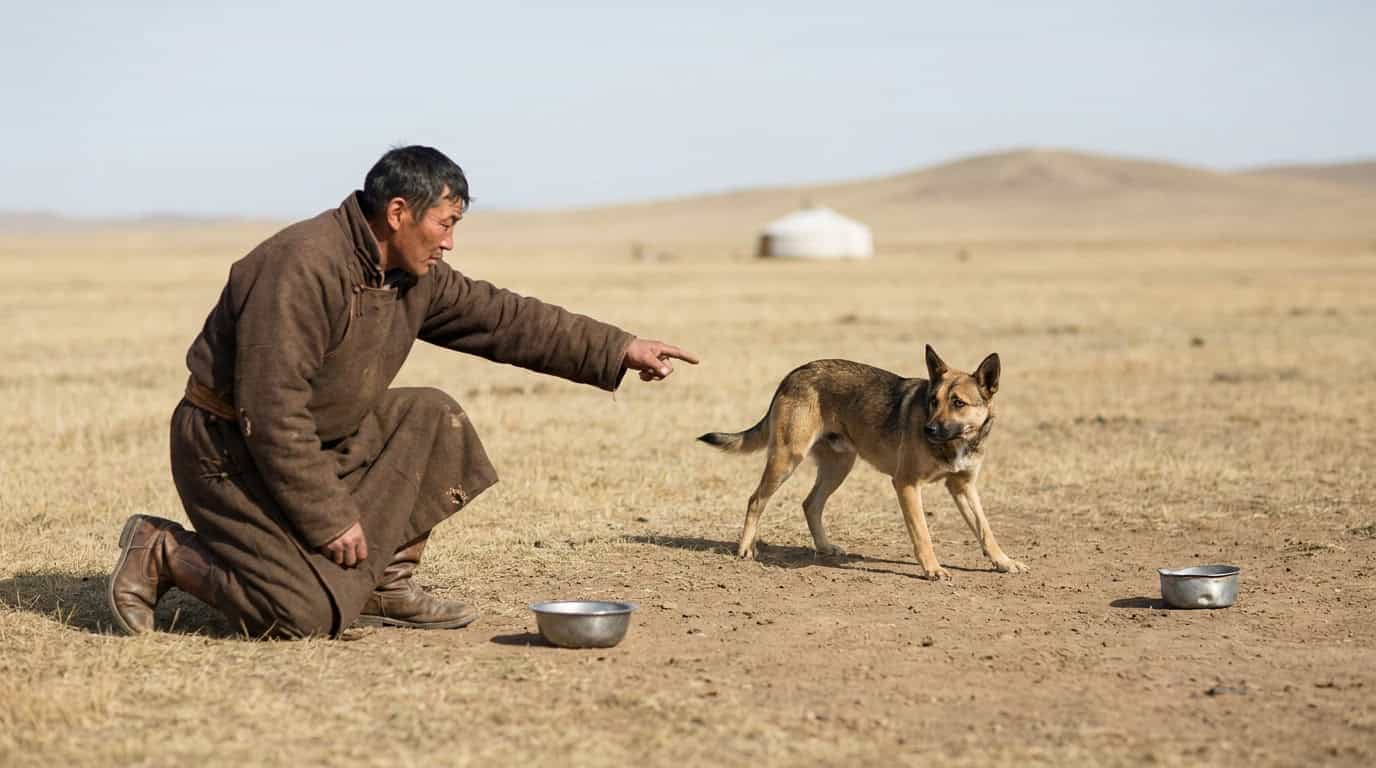
Dogs from many different countries can follow a human point without any training. A recent study found that dogs on five continents responded to human pointing gestures in a similar way, which shows this skill does not depend on culture or specific dog-owner relationships.
You might expect dogs raised in different homes or countries to respond differently to human gestures. Researchers tested free-living dogs across several cultural settings on different continents and found the same basic pattern each time.
This matters because it tells you something about how dogs and humans communicate. The results suggest that reading a human point may be part of a dog’s basic understanding of people, not something they pick up from a specific culture or training style.
Dogs Around the World Understand Pointing
You can now look at real data comparing how dogs from different parts of the world respond to human pointing gestures. Researchers set out to test whether your dog’s ability to follow a point depends on training and culture, or if it comes from something more universal.
Five Continents, One Experiment
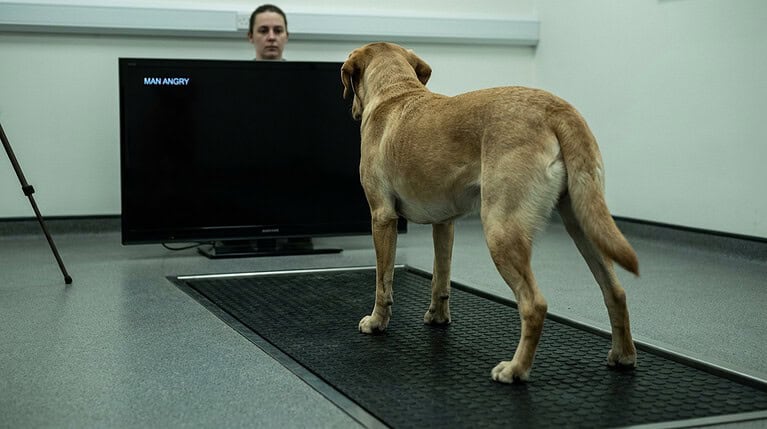
Scientists tested hunting dogs and their owners in five very different places: Vanuatu, Mongolia, Madagascar, Peru, and Germany. Each location gave researchers a chance to study dogs living in unique cultures and environments.
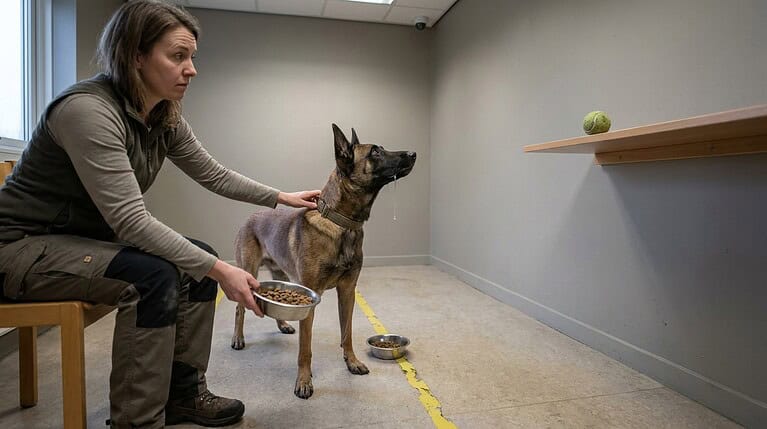
The team used a set of six social-cognitive tests along with a questionnaire. This helped them measure both how dogs acted and how owners felt about their bond with their dogs.
By choosing rural societies instead of only Western cities, researchers avoided a common problem in past studies. Many earlier studies focused only on dogs from Western, Educated, Industrialized, Rich, and Democratic societies.
This new approach gave a clearer picture of dogs worldwide. It showed striking global similarities in how dogs and humans connect.
Dogs Followed Pointing No Matter Where They Lived
Across all five countries, dogs showed strong and steady results. They followed human pointing gestures regardless of where they lived or how their owners trained them.
Even with major differences in daily life, work duties, and living conditions, the dogs responded in similar ways. Some small differences did appear, mostly linked to hunting styles or whether a society matched Western norms.
But the main pattern stayed the same. Dogs across five continents understood pointing gestures with notable consistency.
What the Findings Reveal About Cultural Influence
These results suggest that your dog’s understanding of pointing is not something learned only through culture. It may be a shared trait shaped by thousands of years of living alongside humans.
The similarities held steady even though the five test locations had very different social structures and lifestyles. Researchers noted that the small variations found were more closely tied to practical factors, like hunting methods, than to culture itself.
This points to a biological or evolutionary explanation rather than a cultural one.
Why Your Dog Understands Your Gestures
Your dog’s ability to read your gestures comes from a mix of biology and daily life together. Scientists point to two main forces: how dogs changed during domestication, and how much time each dog spends with people.
It Started Thousands of Years Ago
Dogs split from wolves thousands of years ago. During this process, dogs that paid attention to human signals had an advantage.
This shaped their brains and behavior over many generations. Researchers found that dogs follow pointing gestures even without special training.
This skill appears early in puppies, which suggests it has a strong biological basis. Some experts argue this points to a shared cognitive trait built into dogs as a species.
Your dog’s instinct to watch your hands and face likely stems from thousands of years of living alongside humans. It is not from any single culture or region.
Everyday Experience With People
Biology sets the stage, but daily contact with people also shapes how well your dog reads you. Dogs that interact with humans often tend to pick up on cues faster than those with less contact.
Studies show that even dogs with limited human contact can follow basic gestures, though practice may sharpen this skill over time. Your relationship with your dog plays a role too.
Consistent exposure to your gestures, tone, and body language helps your dog respond more accurately. This is especially true as puzzles get more complex or subtle.
What We Still Don’t Know
Despite strong evidence, gaps remain in how researchers study dog-human communication. Most studies focus on dogs living in Western homes, which leaves out street dogs and dogs from other regions.
A review of dog behavior research notes that free-living dogs across different cultural settings are understudied compared to pet dogs in labs. This makes it hard to know how much environment shapes gesture-following skills versus biology alone.
Future studies need to include more diverse dog populations. This includes:
- Street dogs in various countries
- Working dogs with different levels of human contact
- Dogs from regions with limited prior research