Why Your Senior Dog Is Becoming a Picky Eater (And What You Can Do)

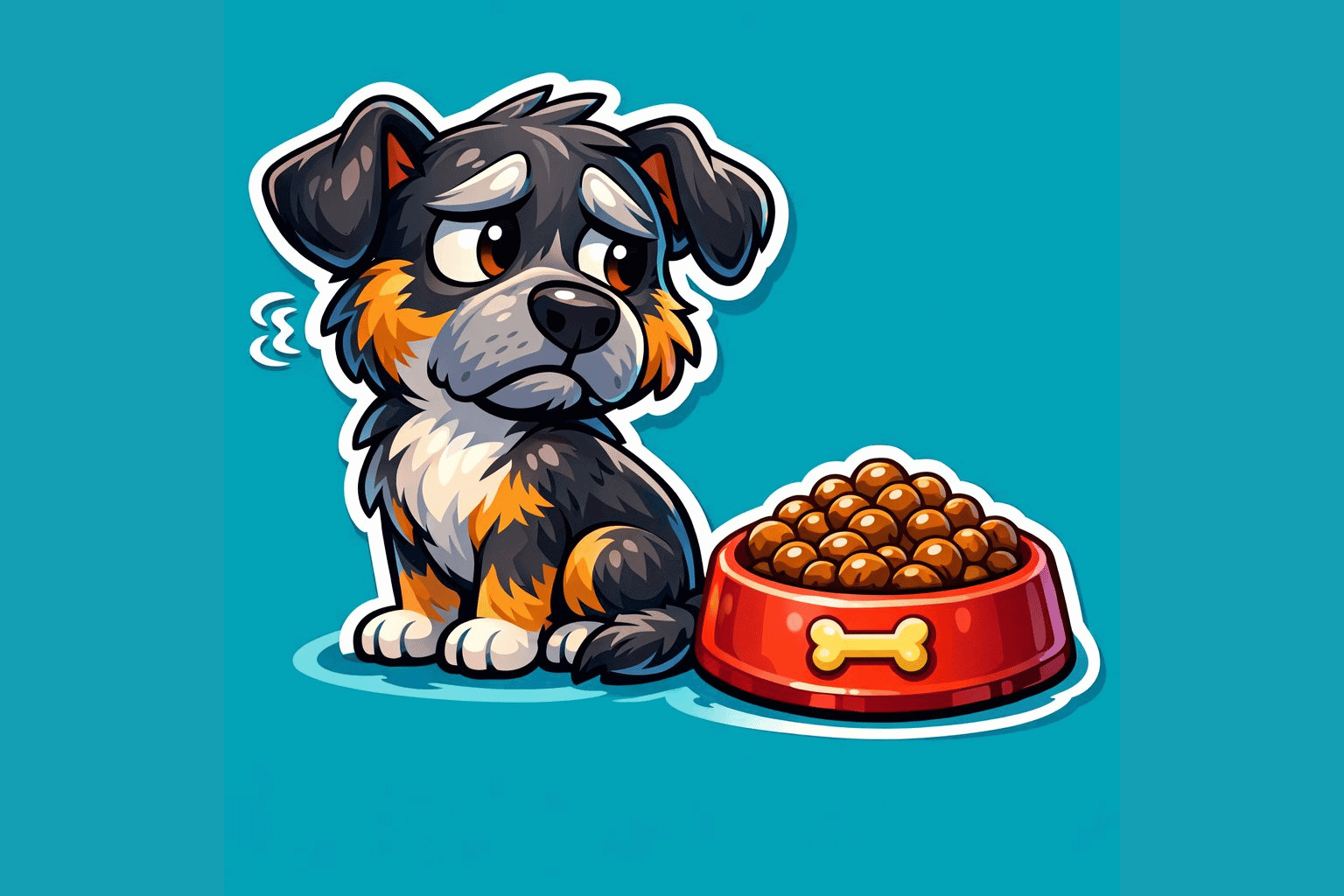
You set the bowl down, and your senior dog turns away from food they once loved. That change? It’s worrying and, honestly, kind of baffling, especially when it seems to happen overnight.
Senior dogs often get picky because aging messes with taste, smell, teeth, and health, but you can help by figuring out the cause and making a few food or routine tweaks.
Maybe it’s sore teeth, fading senses, or something brewing under the surface. Stress or a shakeup in daily life can also throw them off.
It helps to know what’s just normal aging and what signals a bigger issue. There are ways to make meals tempting again. With a bit of trial and error, you can keep your dog healthy and help them enjoy eating well into their golden years.
Common Reasons Senior Dogs Become Picky Eaters
As dogs age, appetite changes usually tie back to health, senses, or how their body handles food. Even small shifts can make meals less inviting or tougher to eat, even if your dog’s still hungry underneath it all.
Medical Conditions Affecting Appetite
Lots of senior dogs lose interest in food because of medical issues. Kidney or liver disease, even cancer, can bring on nausea or zap appetite. Arthritis can make it tough for your dog to stand and eat without pain.
Cognitive decline can throw them off at mealtime. Some dogs get confused or anxious around food. If your dog suddenly gets picky and starts losing weight, vomiting, or just seems tired, a vet visit is important. It’s rarely just a behavior quirk at that point.
Common signs to watch for:
- Skipping meals
- Eating less but drinking more
- Weight loss over weeks
Changes in Taste and Smell
With age, your dog’s taste buds and sense of smell fade. Food that used to smell amazing might now seem bland or boring. Since dogs rely on smell to get excited about eating, that change can really put them off.
Cold or dry food doesn’t give off much aroma. That makes it even harder to keep their attention through a meal. Sometimes you’ll see your dog sniff and walk away, even when you know they’re hungry. It’s frustrating, sure, but it’s just how their senses age—it’s not them being stubborn.
Try warming up their food or picking meals with stronger, natural smells. Sometimes, that’s all it takes.
Dental Health Issues
Dental pain is a big reason older dogs turn picky. Loose teeth, gum problems, or infections make chewing miserable. Your dog might avoid hard kibble or drop food mid-bite.
Maybe you notice them chewing on just one side or slowing down at meals. Bad breath and pawing at the mouth usually mean something’s up with their teeth. Honestly, even soft food can hurt if their gums are inflamed.
Regular dental checks catch these issues before they get worse. Fixing mouth pain often brings appetite back way faster than just swapping food.
Age-Related Metabolic Changes
Older dogs burn calories more slowly. They don’t need as much food, but they still need balanced nutrition. If a meal feels too rich or heavy, they might quit halfway through.
Digestion gets touchier, too. Some dogs get gassy or feel queasy after eating, which can make them avoid food the next day.
Smaller meals spaced out over the day usually work better. Senior formulas are designed to be easier on their system and match their lower energy needs.
How to Identify the Cause of Picky Eating in Older Dogs
Senior dogs change up their eating for all sorts of reasons: body, senses, even routine. You can usually narrow it down by watching their behavior, checking health stuff, and keeping tabs on what they eat and when.
Recognizing Behavioral Changes
Start by just watching your dog at mealtime. Older dogs might skip food if they’re anxious, confused, or uncomfortable.
Pacing, whining, leaving the bowl, or only eating when you’re close by—those all matter. Some seniors get a little forgetful or thrown off by changes and may skip meals or seem lost when it’s time to eat.
Physical comfort matters too. Dental pain, stiff joints, or trouble standing can make eating tough. If your dog drops food, chews on one side, or only likes soft stuff, their mouth could be bugging them.
Jot down these little shifts. Patterns pop up faster that way.
Consulting with Your Veterinarian
If your dog’s picky streak lasts more than a few days, call your vet. Appetite loss in older dogs usually points to some health issue.
Vets check for the usual suspects:
- dental disease,
- kidney stuff,
- arthritis,
- or cognitive decline
- Bloodwork and exams help rule out bigger problems.
Bring clear notes about what you’ve noticed. Don’t worry about being too detailed—every bit helps.
Helpful details to bring:
- When the picky eating started
- Any weight changes
- New foods or treats
- Medications or supplements
- Other symptoms, like vomiting or low energy
Catching things early makes a huge difference.
Monitoring Eating Patterns
Keep track of what, when, and how much your dog eats. Even small changes can give you a clue.
Notice if your dog eats better at certain times or prefers certain textures. A lot of seniors like their food warm or with a stronger smell, probably because their senses aren’t what they used to be.
Watch if food sits untouched for more than 20 minutes. That usually means they’re not interested.
Here’s a simple table you can use:
| Detail to Track | What to Note |
|---|---|
| Time of meal | Morning or evening |
| Food type | Dry, wet, mixed |
| Amount eaten | All, some, none |
| Behavior | Eager, hesitant, avoids bowl |
Tracking like this helps you figure out what’s working—and what’s not.
Tips to Encourage Healthy Eating Habits
Senior dogs eat less for all sorts of reasons—taste, smell, dental pain, or digestion. A few small changes to food, routine, or how you serve meals can help your dog eat enough to stay healthy.
Choosing the Right Food Formulation
Look for food made for senior dogs. These recipes usually have fewer calories, a bit more fiber, and nutrients that help with joints and digestion.
Soft or moist food is easier for dogs with dental pain or missing teeth. If you stick with dry kibble, add some warm water or low-sodium broth to soften it and bring out the smell. A stronger aroma can make a big difference for older dogs.
Pay attention to how your dog feels after eating. Gas, loose stool, or skipped meals might mean the food just isn’t a good fit. Always check with your vet before switching proteins or jumping to a prescription diet.
Good features to look for:
- Easy-to-chew texture
- Moderate protein from clear sources
- Added omega-3s for joints and brain
Improving Mealtime Environment
Serve meals somewhere calm and quiet. Too much noise or foot traffic can distract older dogs and kill their appetite.
Try to keep a regular feeding schedule. Dogs like knowing when food’s coming—it helps trigger appetite, even when they’re not super hungry.
Use shallow bowls to make eating easier on their neck. Raised bowls can help if your dog has arthritis. If they don’t finish in 20 minutes, just pick up the food—no grazing all day.
Simple changes that help:
- Warm food a bit to boost aroma
- Feed away from younger, rowdy pets
- Sit nearby if your dog eats better with you around
Incorporating Safe Food Toppers and Treats
Add a little healthy topper to spark interest, but don’t overdo it. Plain cooked chicken, turkey, or eggs are safe in small amounts.
Skip high-fat, salty, or seasoned foods. Those can upset digestion or make existing health problems worse, especially for seniors with kidney or pancreas issues.
Treats should get your dog started, not fill them up. Use them to encourage those first bites, then let the main meal do the work.
Safe topper ideas:
| Option | Why It Helps |
|---|---|
| Plain yogurt (small amount) | Adds smell and probiotics |
| Pumpkin puree | Supports digestion |
| Warm bone broth (no salt) | Boosts flavor and moisture |
Long-Term Solutions and Support
Long-term, it’s about regular health checks and smart feeding habits. These steps keep your senior dog’s appetite up and help you spot changes early.
Maintaining Regular Veterinary Checkups
Try to see your vet at least twice a year for your senior dog. Older dogs hide pain or illness, and appetite changes are often the first sign.
Your vet checks teeth, gums, and jaw health. Dental pain is a huge cause of picky eating, especially with dry food.
Bloodwork and urine tests can catch kidney, liver, or hormone changes. These issues often mess with hunger, but treatment can turn things around.
Review medications at every visit. Some drugs mess with taste or cause nausea. Adjusting timing or dose might help.
Bring notes about what your dog eats, avoids, and how long meals take. That detail helps your vet give you practical advice you can actually use.
Adjusting Diet as Needs Change
As your dog gets older, their food needs shift right along with them. You’ll want to give them meals that help with digestion, joints, and muscle but are still easy for them to eat. Nobody wants to fight with their dinner.
Let’s talk texture first. Most seniors seem to go for soft, moist, or warmed food. Probably because it smells better and isn’t tough on their teeth or gums.
Lean into quality protein and keep fat moderate. If you swap foods, do it gradually; sudden changes can throw off their digestion or make them even pickier.
Here’s a quick cheat sheet:
| Need | Helpful Diet Change |
|---|---|
| Dental pain | Soft or soaked food |
| Low appetite | Warm meals, stronger aromas |
| Weight loss | Higher calorie senior formulas |
| Sensitive stomach | Limited ingredient diets |
Switch foods slowly, over a week or so. Keep an eye on their energy, stool, and appetite. Those clues usually tell you if it’s working or not.