Why Does My Dog Eat Grass?

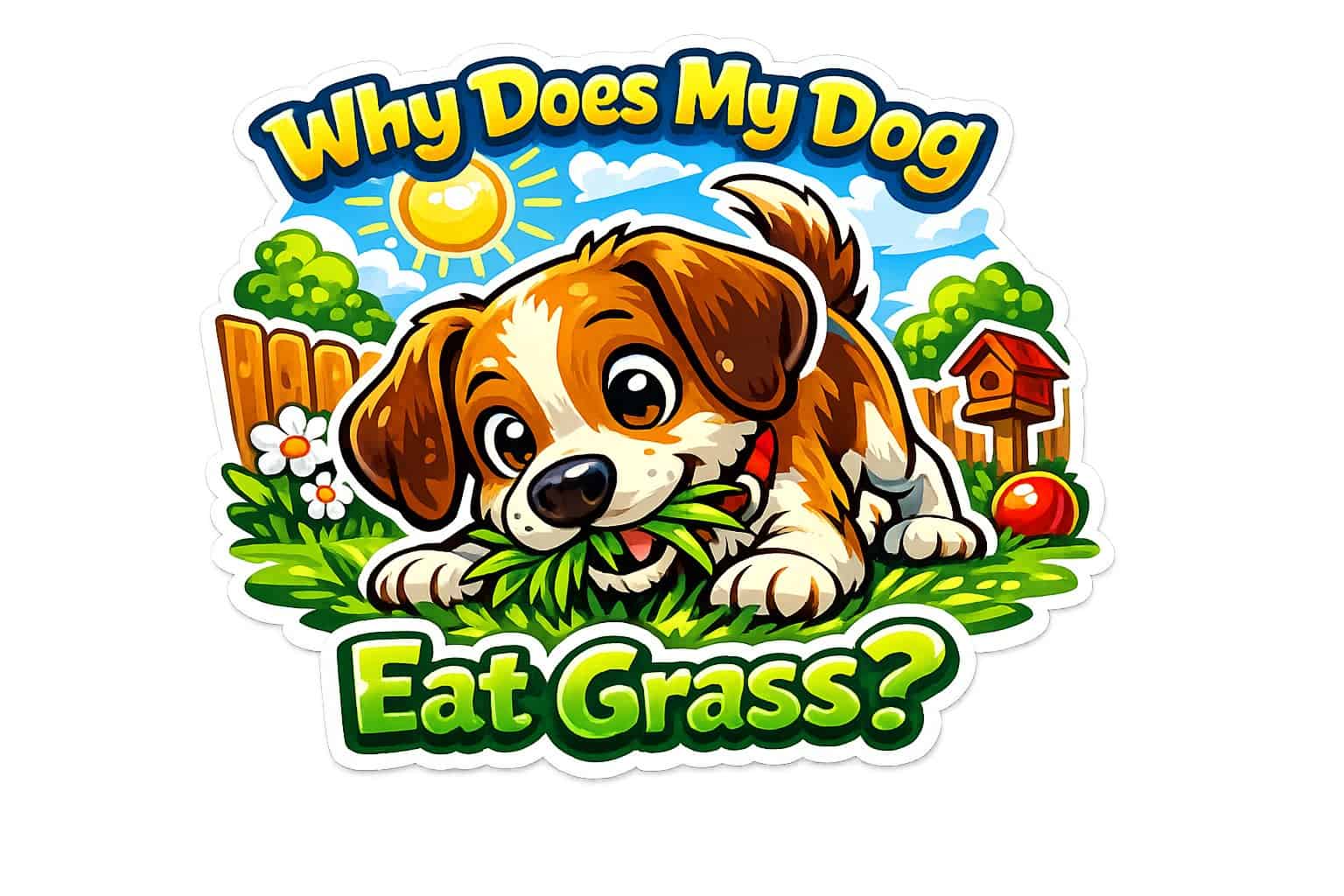
You notice your dog stop mid-walk and start chewing grass, and you wonder if something is wrong. The habit looks odd, but it happens often and usually has a simple reason. You want to know when to relax and when to pay closer attention.
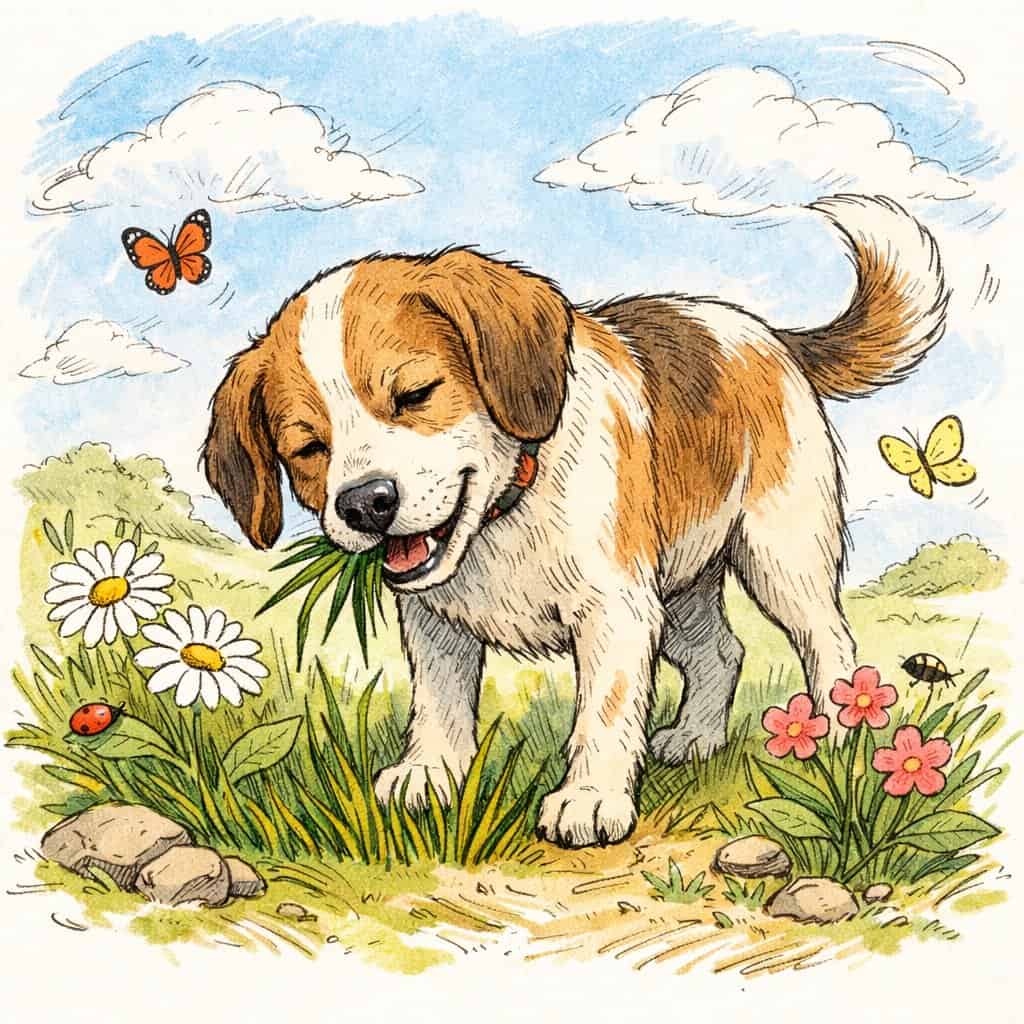
Dogs often eat grass because it is a normal habit, but it can also link to boredom, stress, taste, or a mild stomach issue. Some dogs like the texture or smell. Others do it when they feel bored or anxious, and a few may seek relief from stomach discomfort.
You also need to know when grass eating could cause problems. Things like chemicals on lawns or frequent vomiting matter. Learning the common reasons and the safe ways to respond helps you protect your dog and feel more at ease.
Common Reasons Dogs Eat Grass
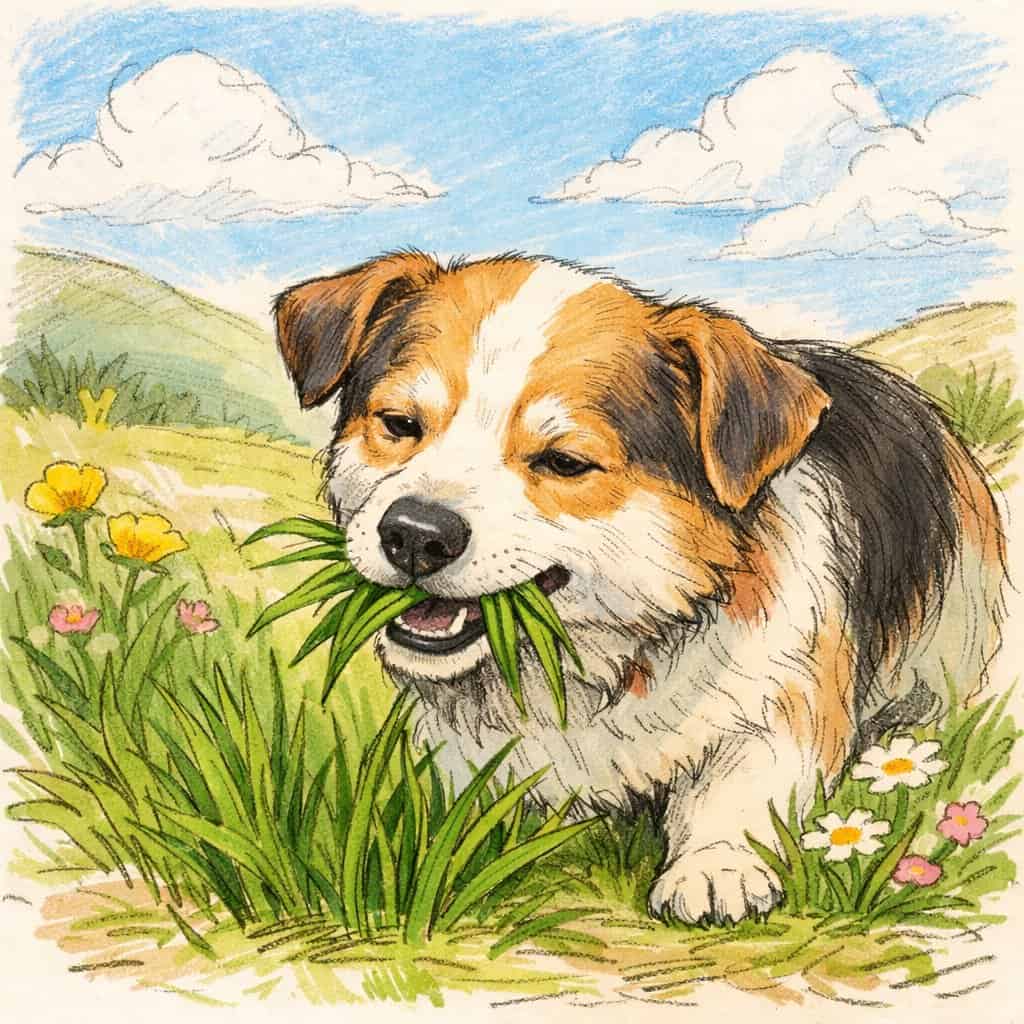
Dogs eat grass for several clear reasons tied to instinct, diet, and daily habits. In most cases, this behavior stays normal and harmless, especially when your dog acts healthy and happy.
Natural Instincts in Canines
Your dog may eat grass because instinct guides this behavior. Wild dogs and wolves also eat plants along with prey. This habit did not disappear in pets.
Grass can help your dog’s body in simple ways. Some dogs chew grass to trigger vomiting when their stomach feels off. Others eat it without getting sick at all.
You may notice this happens during walks or outdoor time. Fresh grass smells new and feels different, which can draw your dog’s attention. This choice often reflects normal canine behavior, not a problem.
Dietary Needs and Nutrients
Your dog may seek grass when the diet lacks certain nutrients. Fiber plays a key role in digestion, and grass contains small amounts of it.
Some dogs eat grass more often when meals feel unbalanced. This does not always mean poor food, but it can signal a need for change.
Possible links to diet include:
- Low fiber intake
- Hunger between meals
- Digestive discomfort
| What Grass Offers | How It May Help |
|---|---|
| Fiber | Supports digestion |
| Moisture | Helps hydration |
| Texture | Aids gut movement |
Talk with your vet if grass eating becomes frequent. A diet adjustment may reduce the urge.
Boredom or Enjoyment
Sometimes, your dog eats grass simply because it feels good. The texture can seem fun to chew, especially when the grass feels cool or wet.
Boredom also plays a role. Dogs without enough exercise or mental play look for easy ways to pass time. Grass stays available and interesting.
You may see this behavior more during slow walks or long yard time. Adding play, training, or toys often reduces grass chewing. When your dog stays engaged, the habit may fade on its own.
Potential Concerns and Safe Solutions
Grass eating often stays harmless, but some cases need attention. The main risks involve stomach upset, toxic lawn products, and unsafe outdoor access.
Digestive Upset and Vomiting
Some dogs vomit after eating grass. This does not always mean your dog feels sick. Many dogs eat grass and never throw up.
Watch for patterns. Vomiting once after grass eating often is not serious. Repeated vomiting, diarrhea, or loss of appetite needs a vet visit.
Pay attention to timing and behavior. If your dog eats grass fast and then vomits yellow foam, an empty stomach may cause the issue. Feeding smaller, regular meals can help.
Call your vet if you see:
- Vomiting that lasts more than a day
- Blood in vomit or stool
- Lethargy or belly pain
Harmful Chemicals in Lawns
Lawns can carry hidden dangers. Fertilizers, weed killers, and bug sprays can stick to grass blades and enter your dog’s mouth.
Some chemicals cause mild stomach upset. Others lead to serious poisoning. Risk rises in public parks, shared yards, and recently treated lawns.
You can lower exposure with simple steps:
- Avoid grass with warning flags or signs
- Rinse paws and mouth after walks
- Choose untreated areas for play
Common lawn risks include:
- Herbicides and pesticides
- Slug bait and rodent poison
- Mold on damp or rotting grass
Creating a Safe Environment
You can manage grass eating without harsh control. Start with meeting basic needs. Daily exercise and mental play reduce boredom-related grazing.
Offer safe alternatives. Chew toys, puzzle feeders, and more walk time help redirect focus. Some dogs benefit from added fiber, but ask your vet first.
Make your yard safer and more appealing:
- Grow dog-safe plants
- Block access to treated areas
- Provide fresh water outside
If grass eating becomes intense or sudden, schedule a vet check. Changes in diet, health, or stress often play a role.