
When Do Dogs Get the Zoomies?


Your dog suddenly bolts across the room, spins in tight circles, and races back again. You laugh, but you also wonder what just happened. These wild bursts of energy are called zoomies, and they are a normal part of dog behavior.
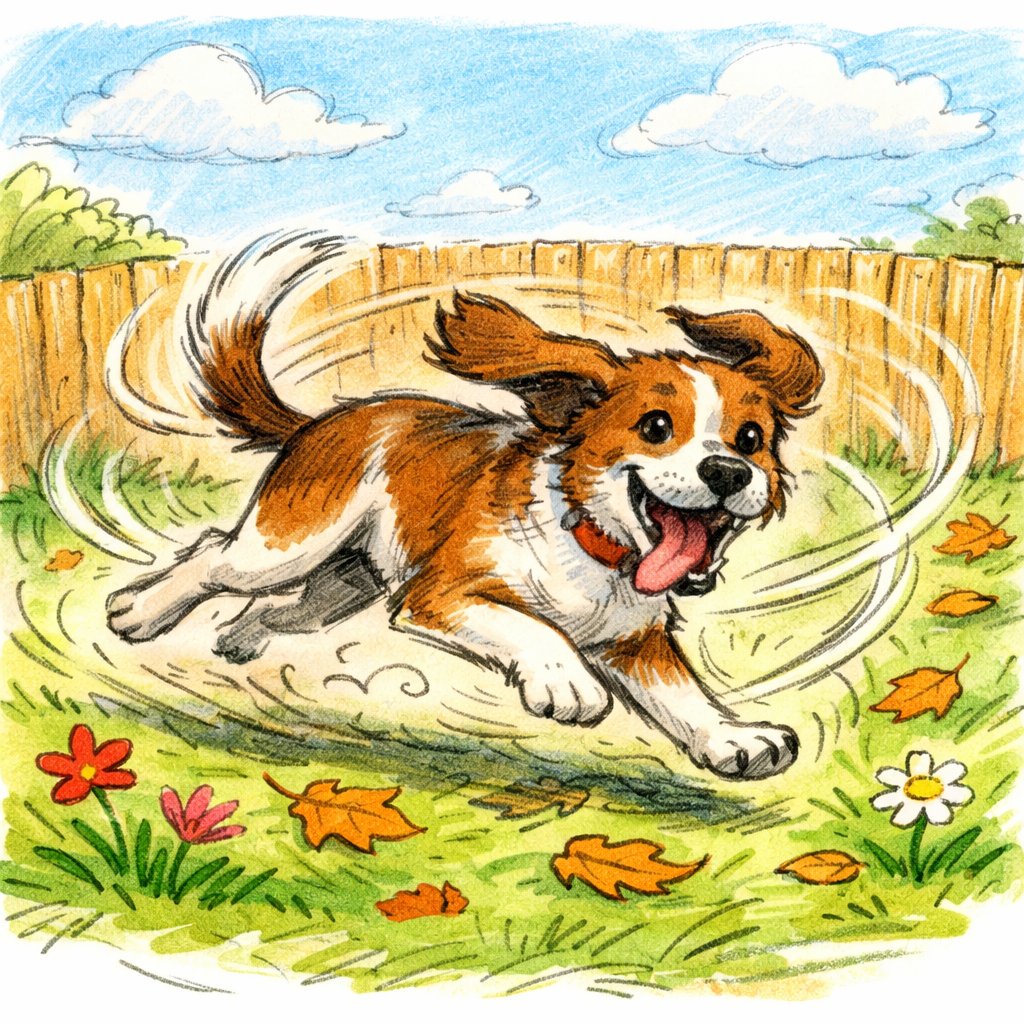
Dogs usually get the zoomies after a bath, after going potty, when they feel excited, or when they need to release built-up energy. You may also notice them in the morning, after your dog leaves a crate, or during play. Puppies get them more often, but dogs of any age can have them.
When you understand when and why zoomies happen, you can manage them with more confidence. You will learn the common times they show up and what causes them, so you can tell the difference between healthy fun and a sign your dog needs more exercise or structure.
When Dogs Commonly Get the Zoomies
Dogs often burst into zoomies at specific times or after certain events. You will notice patterns, especially around rest, grooming, play, and moments of strong emotion.
Typical Times of Day for Zoomies
You will often see zoomies early in the morning or in the evening. These times match your dog’s natural energy peaks. After a full night of sleep, your dog may wake up ready to move.
Many dogs also zoom after being crated or resting for several hours. The sudden freedom feels exciting. They release built‑up energy all at once.
Puppies show this pattern even more. They have high energy and less self‑control. A short nap can recharge them quickly, which explains why your puppy may sprint around the house right after resting.
If zoomies happen daily at the same time, your dog may need more structured exercise. A longer walk or play session earlier in the day can reduce these bursts.
After Bath Time or Grooming
You may notice wild running right after a bath. This is one of the most common triggers.
Baths create strong sensations. Your dog feels water, handling, and new smells. Once the bath ends, they often sprint, rub on furniture, or roll on the floor.
This behavior likely serves two purposes:
- Release stress or tension
- Dry off and reset their scent
Even calm dogs may explode into motion after grooming. The shift from restraint to freedom can feel intense.
To manage this, give your dog a safe space to run. Clear the area of slippery rugs or sharp corners. Most post‑bath zoomies last only a few minutes.
During Play Sessions
Zoomies often happen in the middle of active play. A game of fetch or tug can push your dog’s excitement level higher and higher.
When that energy peaks, your dog may suddenly break away and sprint in circles. This is sometimes called a frenetic random activity period (FRAP).
Young dogs and puppies do this more often. Their brains are still learning how to regulate excitement. Fast movement helps them burn off extra stimulation.
Watch your dog’s body language. Loose movements, play bows, and relaxed faces signal healthy fun. Stiff posture or rough collisions may mean play has become too intense.
Short breaks during play can help keep things safe and controlled.
Zoomies Triggered by Excitement
Strong emotions often spark zoomies. Your dog may race around when you come home, when guests arrive, or before a walk.
Happy events trigger adrenaline. That rush of energy needs an outlet. Running is quick and natural.
Some dogs also zoom after pooping. This may relate to physical relief or a burst of nerve stimulation. The behavior looks strange, but it is usually normal.
If excitement‑based zoomies feel out of control, focus on calm routines. Ask for a simple cue like “sit” before opening the door or clipping on the leash. Clear structure helps your dog manage big feelings without losing control.
Understanding the Causes of Zoomies
Dogs do not run in sudden bursts for no reason. Zoomies happen when your dog releases built-up energy, reacts to strong emotions, or follows natural behavior patterns linked to age and breed.
Natural Instincts Behind Zoomies
Zoomies, also called frenetic random activity periods (FRAPs), help your dog release stored energy. If your dog rests for hours or feels excited, that energy can build up fast.
You may notice zoomies after:
- A bath
- A bowel movement
- A play session
- Being crated for a while
- Greeting you at the door
These moments often trigger strong feelings. Your dog may feel relief, excitement, or stress. Instead of showing it in small ways, your dog releases it all at once through running, spinning, or darting around furniture.
Zoomies can also serve as a quick warm-up. After being outside in cold weather or waking from a nap, your dog may sprint to loosen muscles.
If zoomies happen very often or seem hard to control, your dog may need more daily exercise or mental activity.
Age-Related Zoomie Patterns
Age plays a big role in how often your dog gets the zoomies.
Puppies get them the most. Young dogs have high energy levels and limited impulse control. Their brains and bodies are still developing, so quick bursts of movement are common.
You may see puppy zoomies several times a day. This is normal behavior, especially in the evening.
Adult dogs usually have fewer episodes. They still get excited, but they manage energy better. Zoomies may happen after play or during happy moments.
Senior dogs can still get zoomies, though less often. When older dogs run in short bursts, it often shows they feel healthy and comfortable.
Sudden new zoomies in an older dog, especially with other behavior changes, may need a vet check.
Breed Differences in Zoomie Frequency
Breed affects how much energy your dog has. High-energy breeds tend to get zoomies more often.
Dogs bred for work, such as:
- Border Collies
- Australian Shepherds
- Jack Russell Terriers
- Labrador Retrievers
often store large amounts of physical energy. If you do not give them regular exercise, they may release it in short, intense bursts indoors.
Calmer breeds, like Bulldogs or Basset Hounds, usually have fewer zoomie episodes. However, any dog can have them.
Mixed breeds vary based on their background. If your dog comes from active working lines, you may notice more frequent bursts.
When zoomies match your dog’s breed traits and daily routine, they are usually a healthy way to burn off extra energy.