
What Do Dogs Eat in the Wild?

You may wonder what dogs eat when they live without bowls, brands, or feeding times. In the wild, dogs rely on instinct, teamwork, and what the land offers to stay alive. Their diet reflects how they hunt, scavenge, and adapt to changing seasons.
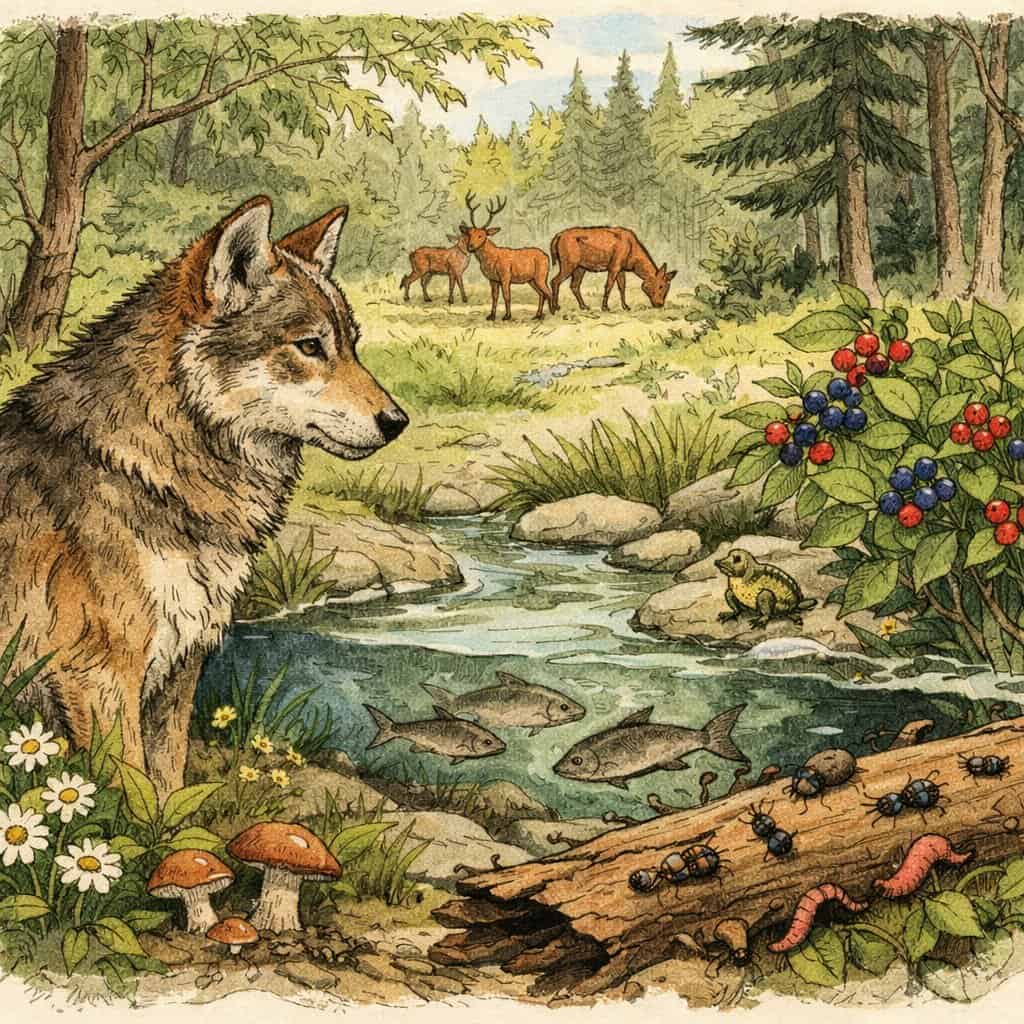
Wild dogs eat mostly meat from hunted animals, along with organs, bones, and small amounts of plant matter they find while foraging. You see how this mix supports energy, strength, and survival without human help.
As you explore this topic, you will see how natural food choices shape behavior and health. You will also learn how wild dogs find meals, share food, and survive when food runs low.
Natural Diet of Wild Dogs
Wild dogs rely on meat as their main food, but they also eat plants and use many water sources. Their choices depend on where you find them and what food they can catch or gather.
Prey Animals Consumed
You see wild dogs eat mostly animals they can catch or scavenge. Meat gives them protein, fat, and key nutrients.
Common prey includes:
- Small mammals like rabbits and rodents
- Birds such as ducks or ground birds
- Insects when larger prey is scarce
Some species hunt bigger animals. African wild dogs often work as a pack to take down hoofed animals like impala or gazelles. They target prey they can handle without high risk.
| Prey Type | Why It Matters |
|---|---|
| Small animals | Easy to catch and eat |
| Birds | Good protein source |
| Large prey | Feeds a whole pack |
Wild dogs also scavenge. You may see them eat leftovers from other predators when the chance is safe.
Foraging for Plant Foods
You might think wild dogs eat only meat, but they also eat plant foods. Plants add fiber and help with digestion.
They often eat:
- Berries and fruits when in season
- Grasses or leaves in small amounts
- Roots or seeds if food runs low
Wild dogs do not rely on plants as a main food. They use them to fill gaps when prey is hard to find. You will notice this more in dry seasons or harsh areas.
Plant foods also provide water and some vitamins. This helps dogs survive when hunting fails for a short time.
Water Sources in the Wild
Wild dogs need regular water to survive. You will find them near natural water when possible.
Common water sources include:
- Rivers and streams
- Lakes and ponds
- Rain pools and mud holes
They often drink after a hunt to cool down and replace lost fluids. In dry regions, wild dogs may travel long distances to find water. Some moisture also comes from fresh meat and certain plants.
Access to water shapes where wild dogs live and hunt. You can often trace their movement by nearby water sources.
Feeding Behaviors and Survival Strategies
Wild dogs survive by using smart teamwork and flexible feeding habits. You see them hunt with speed and coordination, and they adjust their meals when food runs low.
Hunting Techniques
You rely on teamwork when you hunt in the wild. Wild dogs often hunt in packs, which raises their success rate. Each dog plays a role, such as chasing, cutting off escape routes, or tiring the prey.
You focus on medium-sized animals like antelope, deer, or hares. The pack uses long chases instead of short ambushes. This method works well because wild dogs have strong stamina.
Common hunting traits include:
- Coordinated movement to control prey direction
- Endurance running to exhaust targets
- Shared feeding to reduce conflict
You eat quickly after a kill. Fast feeding lowers the risk of losing food to other predators.
Scavenging Habits
You do not rely on scavenging, but you use it when needed. Wild dogs may eat from carcasses left by other animals, though this happens less often than active hunting.
You also stay alert for easy food sources. This can include small animals, leftover bones, or the stomach contents of prey. These contents may contain partly digested plants.
In harsh conditions, you may eat non-meat foods. Wild dogs sometimes consume:
- Rotten fruit
- Grasses and herbs
- Roots dug from soft soil
You adapt your diet based on what the land offers. This flexibility helps you survive during food shortages.