Safe and Sound: Your Senior Dog’s Fourth of July Survival Plan

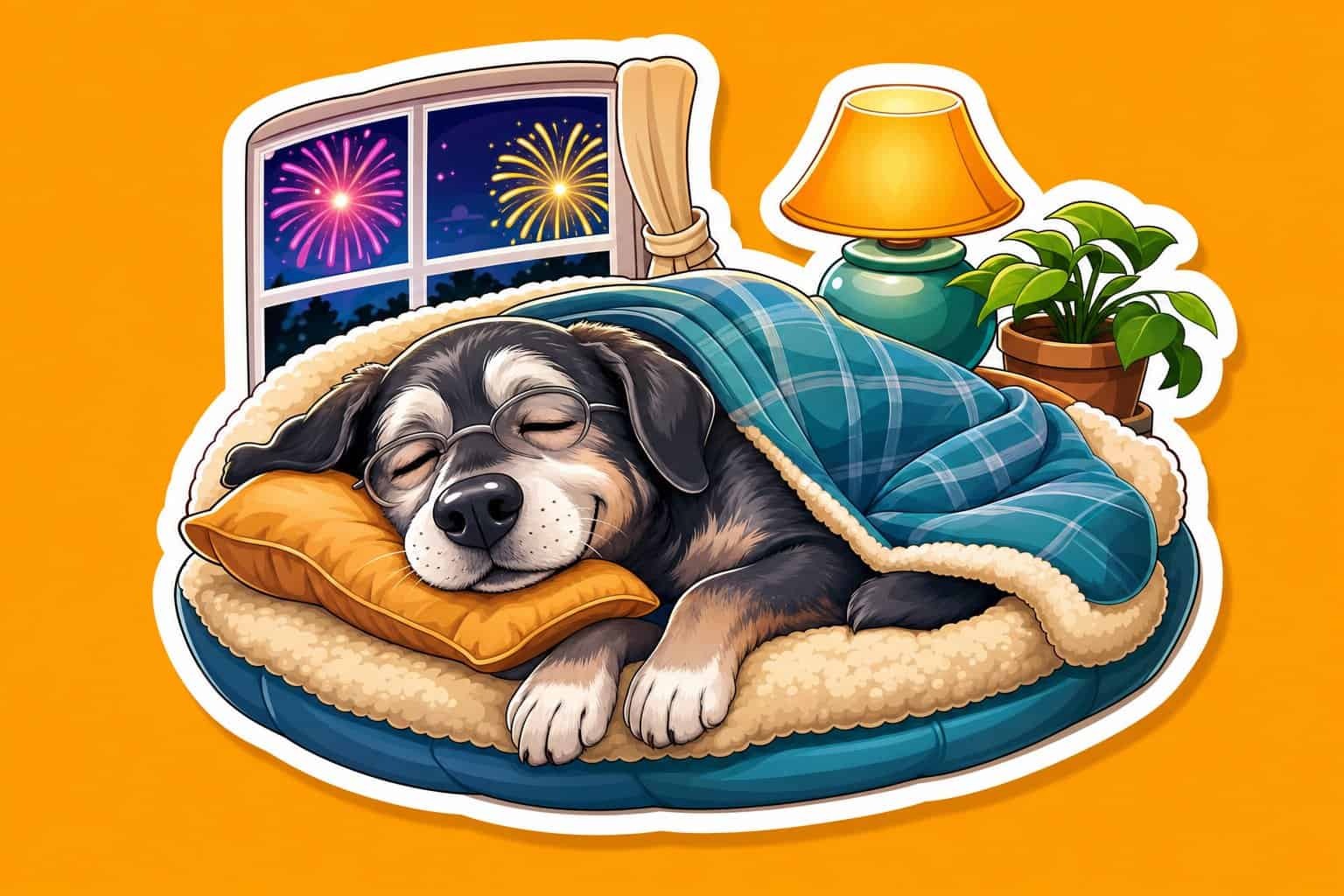
The Fourth of July can be tough on all dogs, but older dogs face unique challenges during fireworks season.
Senior dogs often have hearing loss, vision problems, arthritis, and anxiety issues that make loud celebrations especially stressful and even dangerous for their health.
Your older dog needs extra care and planning to stay safe during Independence Day festivities. From updating their identification information to creating a quiet retreat space, you can take steps to protect your senior companion from the noise, crowds, and hazards that come with holiday celebrations.
This guide will walk you through everything you need to know to keep your aging dog comfortable and secure on the Fourth of July. You’ll learn how to prepare your home environment for your canine companion, manage anxiety in older dogs, and monitor your pet after the celebrations end.
Why the Fourth Is Harder on Older Dogs
Older dogs face unique challenges during Fourth of July celebrations that younger dogs might handle better. Their age-related health issues, sensory changes, and reduced ability to cope with stress make them particularly at risk during fireworks and festivities.
Your Senior Dog’s Body Handles Stress Differently Now
Your senior dog’s body and mind work differently than they did in younger years. Older dogs are at higher risk for various health problems that fireworks can make worse.
Heart conditions become more common as dogs age. The stress from loud fireworks can increase heart rate and blood pressure in senior dogs who already have weak hearts.
This extra strain can be dangerous. Hearing loss affects many older dogs, but it doesn’t always protect them from firework fear.
Some dogs with partial hearing loss actually become more anxious because they can’t locate where sounds are coming from. The unpredictable nature of fireworks makes this worse.
Joint problems and arthritis limit your senior dog’s mobility. If your dog panics and tries to run or hide quickly, they might hurt themselves.
Stiff joints and weak muscles make falls and injuries more likely during a panic episode. Cognitive decline in elderly dogs reduces their ability to handle stress.
Your dog might not remember safe spaces they once knew or understand that the loud noises aren’t actual threats.
What Fear Looks Like in Your Older Dog
Watch your senior dog closely during fireworks because recognizing stress early helps you step in before things get worse. Your older dog might show distress differently than younger dogs do.
Physical signs include:
- Panting heavily even in cool rooms
- Drooling more than normal
- Shaking or trembling
- Pacing back and forth
- Refusing to eat treats they normally love
Behavioral changes you might notice:
- Hiding in unusual places like closets or under beds
- Following you from room to room
- Whining, barking, or howling
- Scratching at doors or windows
- Having accidents indoors despite being house-trained
Some senior dogs freeze in place and won’t move at all. This is still a fear response even though it looks calmer than other reactions.
Your dog’s eyes might look wider than usual with visible whites showing. Senior dogs with cognitive problems might show confusion along with fear.
They may forget where their safe space is or not recognize familiar people trying to comfort them.
If They Run, They’re in Real Danger
More dogs go missing on the Fourth of July than any other day of the year. Senior dogs face extra dangers if they escape because they have less stamina and fewer survival skills than younger dogs.
Your older dog might panic and run through an open door or gate during fireworks. Even dogs who never tried to escape before can bolt when terrified.
Arthritic dogs can still move surprisingly fast when scared. Getting lost poses serious risks for senior dogs.
They tire quickly and can’t travel as far to find their way home. Older dogs may only survive for a short time when separated from their care routine.
Your senior dog needs daily medications for conditions like heart disease, diabetes, or thyroid problems. Missing even one or two doses can create serious health emergencies.
Without their regular food, older dogs with sensitive stomachs can get sick quickly.
💡 Tipp: Make sure your senior dog has current identification:
- Update your microchip information with your current phone number and address
- Attach a collar tag with your contact details
- Add a temporary tag with a cell phone number you’ll answer during July 4th activities
- Take recent photos showing your dog’s current appearance
Cognitive decline makes it harder for lost senior dogs to navigate back home. They might not remember familiar landmarks or respond to their name as reliably.
This means they need people to find them rather than finding their way back alone.
📌 Topic: Make Sure Someone Can Bring Them Home
Your senior dog needs up-to-date identification before the Fourth of July arrives. Making sure your contact details are current on both ID tags and microchip records gives you the best chance of a quick reunion if your older dog gets scared and runs away.
💡 Tipp: Check Their Collar Tag Right Now
Check your dog’s collar tag right now to make sure it’s still readable. Tags can fade or get scratched over time, making the phone number hard to see.
Replace worn tags before the holiday. Your current cell phone number should be on the tag along with your dog’s name.
Include a backup number if possible, like a family member who will be available during the holiday. Make sure the collar fits properly on your senior dog.
You should be able to fit two fingers between the collar and your dog’s neck. Older dogs can lose or gain weight, so check the fit even if the collar has been on for a while.
Consider getting a backup collar with identification. Keep it ready in case the main collar breaks or falls off during a stressful moment.
💡 Tipp: Is Your Microchip Info Actually Up to Date?
Your dog’s microchip information only works if the registry has your current contact details. Call your microchip company or log into their website to verify your address, phone number, and email are correct.
Don’t assume the information is still accurate. Many pet owners move or change phone numbers without updating their pet’s records.
Ask your vet to scan the microchip at your next visit. This confirms the chip is still working and gives you the microchip number if you don’t have it written down.
Write down the microchip number and keep it in your phone or wallet. Register your chip if you adopted your senior dog and never completed the paperwork.
Some older rescue dogs have chips that were never properly registered to their new owners.
💡 Tipp: What to Do the Moment They Go Missing
Take clear, recent photos of your senior dog from multiple angles before July 4th. These photos help others identify your dog quickly, especially important since older dogs may have gray fur or distinguishing marks.
Create a lost pet poster template on your phone ahead of time. Include your dog’s name, your phone number, and a space where you can add the photo.
Know which local shelters and veterinary clinics to call first. Save these numbers in your phone now so you won’t waste time searching for them if your dog goes missing.
Planning ahead with identification makes a big difference in emergency situations. Post on local social media groups and neighborhood apps immediately if your dog escapes.
Many senior dogs don’t travel far from home, so neighbors often spot them quickly.
📌 Topic: Set Up a Safe Space Before the Fireworks Start
Your senior dog needs a secure space where they can escape the chaos of Fourth of July celebrations. Setting up the right environment with proper soundproofing, calming tools, and a dedicated quiet zone can help your older dog feel protected during the fireworks.
💡 Tipp: Pick the Quietest Room in Your House
Pick a room in your home that sits farthest from outside noise. Interior bathrooms, closets, or basement rooms work well because they have fewer windows and outside walls.
Your senior dog’s safe space should be somewhere they already feel comfortable, not a new location that might add stress. Close all windows and draw the curtains or blinds to block flashing lights from fireworks.
Creating a calm environment helps reduce your older dog’s fear response to loud noises. Keep the room temperature comfortable since senior dogs often struggle with temperature regulation.
Add familiar items like their favorite toys or a piece of your worn clothing to provide reassurance through scent. Dim the lights or use a small lamp to create a soothing atmosphere.
Avoid complete darkness, which might disorient your older dog if they have vision problems.
💡 Tipp: Block the Noise Before It Starts
Layer towels or blankets at the bottom of doors to block sound from entering the room. Heavy curtains provide better noise reduction than standard blinds or shades.
Clinically tested calming music for dogs can mask firework sounds while creating a peaceful atmosphere. Play the music at a moderate volume starting hours before fireworks begin so your dog associates it with relaxation.
White noise machines or fans provide steady background sound that drowns out sudden bangs. Television or radio at normal volume also works to cover external noise.
Start playing your chosen sound early in the day. Your senior dog will adjust better when the calming noise is already present before fireworks start rather than introducing it during peak stress.
Crates, Bedding, and Anxiety Wraps That Actually Help
Crate Setup
Cover your senior dog’s crate with thick blankets on three sides to create a den-like feel. Leave the door open so they can enter and exit freely.
Never force your older dog into a crate if they’re not crate-trained, as this adds stress.
Bedding Options
Provide orthopedic beds or extra padding for arthritic joints. Senior dogs often lie down for extended periods during stressful events, so proper support helps them stay comfortable.
Anxiety Wraps
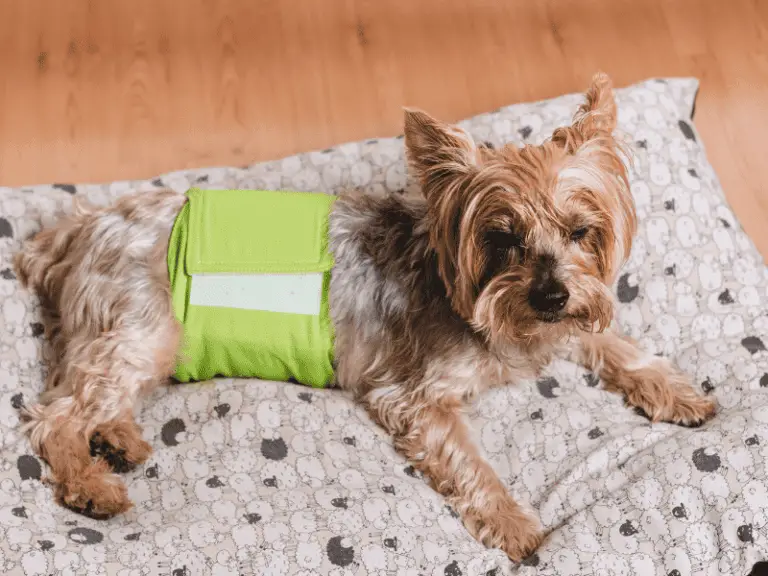
These snug-fitting garments apply gentle pressure to your dog’s body. They work like a comforting hug and many senior dogs respond well to this type of calming tool.
Put the wrap on 30 minutes before expected noise to let your dog adjust to wearing it.
📌 Topic: Helping Your Senior Dog Stay Calm
Older dogs often experience heightened sensitivity to loud noises like fireworks, and their anxiety can intensify with age-related changes in hearing and cognitive function. Preparing your senior dog through gradual sound exposure, selecting age-appropriate calming aids, and working closely with your vet can make a significant difference in their comfort level.
💡 Tipp: Start Practicing With Firework Sounds Early
Start desensitization training at least 4-6 weeks before the Fourth of July. Play recordings of firework sounds at very low volumes while your senior dog engages in enjoyable activities like eating treats or playing with a favorite toy.
Gradually increase the volume over several weeks, but only when your dog remains calm. If your older dog shows signs of stress (like panting, pacing, or a tucked tail) lower the volume immediately.
Senior dogs may need longer to adjust than younger dogs due to cognitive changes that can contribute to stress and anxiety. Keep training sessions short, about 10-15 minutes each day.
Your senior dog may tire more easily, so patience is essential. Never force exposure or rush the process, as this can worsen anxiety.
💡 Tipp: Which Calming Aids Are Safe for Older Dogs
Several calming aids can help your older dog feel more secure during fireworks. Pressure wraps or anxiety vests apply gentle, constant pressure that can reduce stress responses in noise-sensitive dogs.
Safe calming options for senior dogs include:
- Calming pheromone diffusers or sprays (DAP products)
- Pressure wraps or anxiety vests
- Calming supplements with L-theanine or chamomile
- White noise machines or calming music
- CBD products designed for pets (check with your vet first)
Be cautious with sedatives or strong medications in older dogs, as they may have kidney or liver conditions that affect how their body processes these substances. Always start with the lowest dose of any new supplement and monitor your senior dog’s response carefully.
💡 Tipp: Talk to Your Vet About Anxiety Meds
Schedule a checkup before July 4th to discuss anxiety management strategies specific to senior dogs. Your vet can prescribe anti-anxiety medications that are safe for older dogs with existing health conditions.
Medications like trazodone or gabapentin are often prescribed for noise phobias and can be given a few hours before fireworks start. Your vet will adjust dosing based on your dog’s weight, age, and any medications they’re already taking.
Discuss your dog’s complete health history, including any heart conditions, cognitive dysfunction, or mobility issues. These factors influence which calming strategies will work best and which ones to avoid for your individual senior dog.
📌 Topic: Adjust Your Schedule and Manage the Chaos
Your senior dog needs extra support during July 4th celebrations, especially when your normal schedule changes and visitors arrive. Simple changes to exercise timing, access management, and food safety can prevent stress and health problems.
💡 Tipp: Get Their Walk Done Early
Take your older dog for a walk and bathroom break earlier in the day, well before fireworks begin. Morning or early afternoon exercise helps tire them out so they rest more easily when loud noises start later.
Senior dogs often need more frequent potty breaks than younger dogs. Plan for extra trips outside before guests arrive and before sunset when fireworks typically begin.
This prevents accidents inside and reduces your dog’s anxiety about needing to go out during scary noises. Keep walks short and calm.
Your older dog may tire more easily in summer heat, so avoid the hottest parts of the day. Stick to familiar routes where your dog feels comfortable and can do their business without added stress from unfamiliar surroundings.
💡 Tipp: Keep Them Away From Doors and Guests
Set up a quiet room for your senior dog away from entry doors before guests arrive. Isolating your senior from other household pets and unfamiliar guests helps reduce their stress during busy celebrations.
Keep your dog’s safe space stocked with:
- Fresh water
- Comfortable bedding
- Favorite toys
- A piece of your worn clothing for comfort
Post a sign on the door asking guests not to enter. Older dogs can become confused or frightened when doors open repeatedly, and they may try to escape.
Their slower reflexes mean they’re less likely to respond quickly if they get out. Check on your senior dog regularly but keep visits calm and brief.
Too much activity in their safe space defeats the purpose.
💡 Tipp: Don’t Let Party Food Make Them Sick
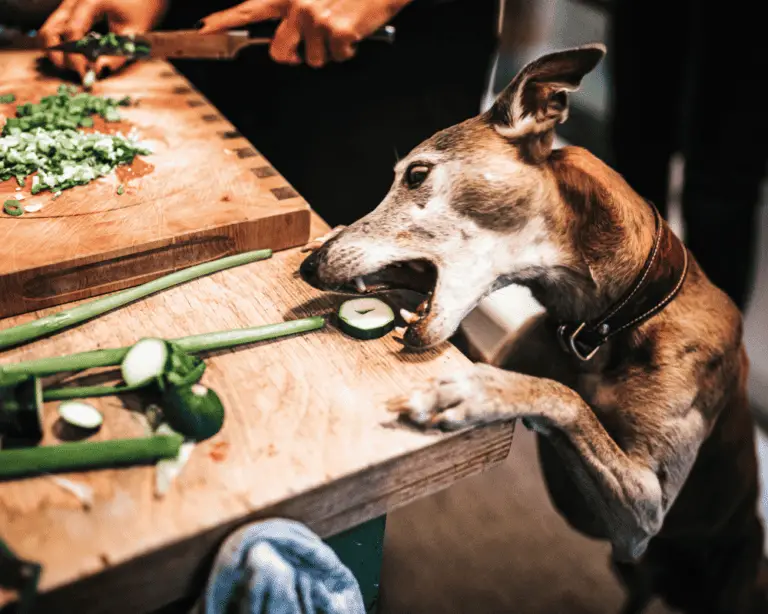
Feed your senior dog their regular meal at the usual time before party foods come out. Stick to their normal diet and portions to avoid digestive upset, which older dogs experience more easily than younger ones.
Common July 4th foods dangerous to dogs:
- Corn on the cob (choking hazard, intestinal blockage)
- Cooked bones (splintering risk)
- Onions and garlic
- Grapes and raisins
- Chocolate desserts
- Alcohol
Tell your guests not to feed your dog any table scraps. Older dogs often have sensitive stomachs and may have food allergies or dietary restrictions that require careful management.
Keep trash cans covered and away from where your dog can reach them. Discarded food, bones, and skewers pose serious risks.
Empty outdoor trash frequently during your celebration to prevent your senior dog from scavenging dangerous items.
📌 Topic: The Days After Matter Too
Your senior dog needs careful attention in the hours and days following Fourth of July festivities. Older dogs may show delayed stress reactions, and the holiday’s aftermath brings risks from escape attempts and dangerous debris left behind.
💡 Tipp: Watch for Stress That Doesn’t Go Away
Your senior dog might not bounce back from the stress as quickly as a younger dog would. Watch for changes in eating habits over the next few days.
Some older dogs stop eating or drink less water after stressful events. Pay attention to your dog’s bathroom habits.
Stress can cause diarrhea or constipation in senior dogs. You might also notice your dog seems more tired than usual or sleeps in different spots than normal.
Look for signs of ongoing anxiety like panting, pacing, or hiding. Your senior dog might shake or tremble even when the fireworks have stopped.
Some older dogs need extra monitoring during recovery periods. Check for physical injuries too.
Your dog might have hurt themselves while trying to escape or hide. Look at their paws, nails, and mouth for any damage.
💡 Tipp: They Might Still Try to Bolt Days Later
Senior dogs can still run when frightened, even if they move slowly most days. Check your fence and gates right away.
Fireworks might continue for days after July 4th in some neighborhoods. Keep your dog’s collar on with current ID tags.
Make sure your microchip information is up to date with your current phone number and address. Many animals become separated from their owners during stressful events.
Use a leash for all bathroom breaks, even in your fenced yard. Your senior dog’s hearing or vision loss might make them more jumpy at unexpected sounds.
Don’t assume they’ll stay close to you like they normally do. If your dog does escape, contact local shelters and vets immediately.
Post on neighborhood social media groups with a recent photo.
💡 Tipp: Clean Up All the Firework Debris
Walk your yard carefully before letting your senior dog outside.
Pick up all firework debris, including small pieces of paper and plastic.
These items can cause blockages if your dog eats them.
Look for these dangerous items:
- Sparkler wires – can cut paws or puncture intestines if swallowed
- Firecracker remnants – contain toxic chemicals
- Glow sticks – the liquid inside irritates mouths and stomachs
- Food waste – spoiled picnic food causes digestive problems
Check your neighbor’s yards too if your dog has access to those areas.
Firework debris can land far from where it was lit.
Keep your dog away from any area where you find debris until you’ve cleaned it completely.
Senior dogs sometimes eat things they wouldn’t normally touch when they’re stressed.
Call your vet right away if your dog eats any firework debris or shows signs of poisoning like vomiting or excessive drooling.