
How to Use a Dog Support Harness to Help Your Senior Dog Get Up and Walk

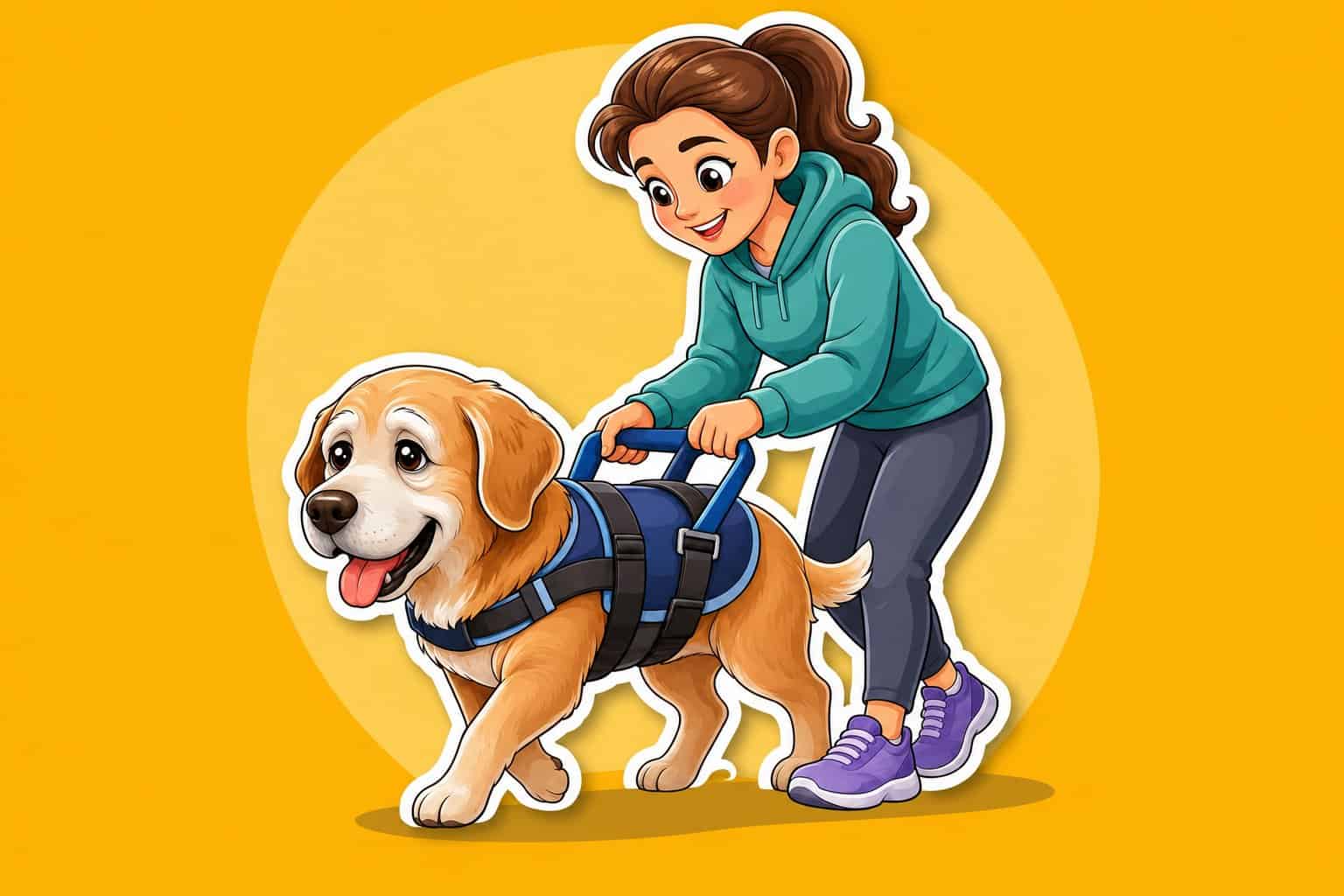
With an aging dog, simple tasks like standing up or walking can become difficult. A support harness helps you lift and guide your senior dog safely, taking pressure off their weak legs and joints while giving them the stability they need to move around.
To use a support harness, position it around your dog’s body according to the design, secure all straps snugly but comfortably, and gently lift the handles to provide the right amount of support as your dog stands and walks. Studies on assistance dogs show that different harness types affect how dogs move, so choosing and using the right one matters.
Most older dogs adapt well to wearing a harness once they understand it helps them feel more secure. Whether your dog has arthritis, hip problems, or general weakness from age, a support harness can make a real difference in their quality of life and independence.
Choosing the Right Support Harness for Your Senior Dog
Finding the right dog support harness depends on your senior dog’s specific mobility challenges and physical condition. The type of support harness you select should match where your dog needs the most help, whether that’s their back legs, front legs, or entire body.
What Kind of Harness Does Your Dog Need?
A rear support harness wraps around your dog’s hindquarters and helps lift their back legs. This type works well for senior dogs with weak hind legs, arthritis in their hips, or degenerative myelopathy.
A front support harness provides support under your dog’s chest and shoulders. You’ll want this option if your dog has front leg weakness or needs help bearing weight on their forelimbs.
A full body harness combines both front and rear support into one piece. This full-body support harness distributes weight evenly across your dog’s torso.
It’s the best choice for dogs with overall weakness or those recovering from surgery. Lift harnesses come with sturdy handles that let you control how much weight you’re supporting.
Some lifting harness designs include padded handles to make them more comfortable for you during longer walks.
When to Choose a Rear, Front, or Full-Body Harness
Choose a rear support harness when your senior dog can still support their front end but struggles to stand or walk with their back legs. Dogs with hip dysplasia or mobility issues affecting their hindquarters benefit most from this type.
Pick a front support harness if your dog has elbow arthritis, shoulder problems, or front leg injuries. This is less common in senior dogs but necessary for those with specific front limb conditions.
A full-body support harness becomes essential when your dog needs help with both ends. If your dog can barely stand on their own or has widespread muscle weakness, this option provides the most comprehensive support.
It also works well for larger dogs who need substantial lifting assistance during bathroom breaks or navigating stairs.
Getting the Fit Right
Measure your dog carefully before buying any support harness. You’ll need their chest circumference at the widest point, their length from neck to tail base, and their weight.
Most manufacturers provide sizing charts specific to their harnesses. Check both weight ranges and measurements since your senior dog’s body shape matters as much as their size.
The harness should fit snugly without restricting movement or cutting into your dog’s skin. You should be able to fit two fingers between the harness and your dog’s body.
Proper harness selection and fit prevents chafing and ensures the harness stays in place during use. Look for adjustable straps that let you customize the fit.
Padding in key pressure points adds comfort for your senior dog during extended wear. Quick-release buckles make it easier to put the harness on and take it off, which matters when your dog has stiff joints or feels uncomfortable.
How to Use the Harness the Right Way
Using a support harness correctly makes a big difference in keeping your senior dog safe and comfortable. The right techniques help you lift and guide your older dog without causing pain or injury.
Safely Putting the Harness on Your Dog
Start by placing the harness on a flat surface where your dog can see it. Let your senior dog sniff the harness first so they feel comfortable with it.
For a rear support harness, slide the support sling under your dog’s hindquarters just in front of their back legs. The padded part should sit against their belly and the handle should rest on top of their back.
Make sure the straps aren’t twisted. For a front lifting harness, guide your dog’s front legs through the openings one at a time.
You can lift each paw gently and slip it through, or have your dog step into the harness if they’re able to move on their own. If you’re using a full-body dog lift harness, start with the front section first, then move to the back.
This gives you better control and keeps your dog balanced. Check that all buckles click securely and straps lay flat against your dog’s body.
The fit should be snug but not tight. You should be able to slide two fingers between the harness and your dog’s body.
How to Support and Lift Your Dog Without Harm
Hold the harness with handle firmly with both hands when possible. This spreads the weight evenly and gives you better control.
When lifting your senior dog, bend at your knees, not your waist. Keep your back straight and lift with your legs to protect yourself from injury.
For larger dogs, you may only need to support some of their weight rather than lifting them completely off the ground. A rear support harness works well when your dog’s back legs are weak but their front legs are still strong.
Lift gently on the handle to take pressure off their hind legs while they walk. Don’t pull up too high or you could throw off their balance.
For dogs who need front support, a rehabilitation harness with front and rear handles lets you distribute support where your dog needs it most. You can adjust how much weight you’re taking off each end based on your dog’s specific mobility issues.
Never jerk or yank on the harness. Use smooth, steady movements to help your dog feel secure.
Walking, Stairs, and Car Entry with a Harness
During walks, keep one hand on the handle of your support sling so you’re ready to help if your dog stumbles. Let your senior dog set the pace and take breaks when they need to rest.
For stairs, position yourself on the downhill side. Going up stairs, stand behind your dog and lift gently on the harness to reduce the strain on their legs.
Going down, stay in front or beside them to prevent falls if they lose their footing. Car entry becomes much easier with a harness.
Lift your dog by holding the front and rear handles of a full-body lift harness. Guide their front paws onto the car floor or seat first, then support their rear end as they climb in.
Some dogs do better with a ramp, which you can use along with the harness for extra support. Always secure your dog once they’re in the car.
The harness handle shouldn’t be used as a restraint while driving.
Adjusting and Taking the Harness Off
Check the fit each time you put the harness on your senior dog. Dogs can lose or gain weight as they age, which changes how the harness should fit.
Adjust the straps so the harness sits in the same position every time. Mark the correct adjustment holes with a permanent marker so you can quickly set it right.
The chest strap on a front harness should sit across your dog’s chest, not their neck. The belly strap on a rear harness should be positioned just in front of the back legs.
Look for any rubbing or red marks on your dog’s skin after removing the harness. These spots show where the fit needs adjustment.
Add padding or loosen straps slightly in those areas. To remove the harness, unbuckle all clips while your dog is standing or lying comfortably.
Slide the rehabilitation harness off gently, front section first if it’s a full-body style. Never pull the harness over your dog’s head or paws roughly.
Store your harness in a spot where you can grab it quickly when your dog needs help getting up.
Helping Your Dog Adjust to a Support Harness
Your senior dog needs time to get comfortable with their new support harness. The key is taking small steps, creating positive experiences, and staying patient while your dog learns this equipment is there to help them.
Start Slow and Let Them Get Used to It
Start by letting your senior dog see and smell the harness without putting it on. Place it near their favorite resting spot for a day or two so it becomes part of their environment.
When you’re ready for the first try, choose a calm time of day when your dog is relaxed. Hold the harness open and let them walk through it naturally, then immediately remove it and give them a treat.
Keep these first sessions under one minute. Over the next few days, gradually increase how long the harness stays on.
First leave it loosely fastened for just a few minutes while your dog stands or sits. Then try short periods while they walk around inside your home.
Watch your dog’s body language during each session. If they freeze, pant heavily, or try to back out of the harness, you’re moving too fast.
Go back to an earlier step and spend more time there.
Make Them Love It
Pair every harness session with something your senior dog loves. Give high-value treats like small pieces of chicken or cheese each time you put the harness on and take it off.
Make the harness mean good things are coming. Put it on right before meals, favorite activities, or gentle play sessions.
Your dog will start to connect the harness with positive experiences rather than something to fear. Practice basic activities your dog already knows while wearing the harness.
Ask them to sit, lie down, or touch your hand for treats. This builds their confidence and shows them they can still do normal things.
Start with very light support from the lifting harness at first. Let your dog bear most of their own weight while you just guide them gently.
As they get more comfortable, you can provide more assistance when needed.
When Things Don’t Go as Planned
If your dog won’t step into the harness: Try putting one leg through at a time instead of asking them to walk through it. You can also practice with just the straps first before using the full dog support harness.
If your dog freezes when you lift: You might be providing too much support too quickly. Lower them back down and use less lift.
Some dogs need to feel the ground under their paws to stay calm. If your dog tries to escape the harness: Check that all straps fit correctly and aren’t pinching or rubbing.
The harness should be snug but not tight. You should fit two fingers under any strap.
If your dog shows signs of stress: Take a break from harness training for a day. When you start again, go back to an easier step.
Some senior dogs need weeks to fully adjust, and that’s perfectly normal.
What to Look for and How to Keep It Working
Choosing the right harness for your senior dog involves understanding which materials provide the best support and how to care for the equipment properly. Regular maintenance and knowing what to expect from long-term use will help you get the most out of your investment.
The Materials That Matter Most
The best support harnesses for older dogs use soft, breathable fabrics that won’t rub against sensitive skin. Look for materials like neoprene or padded mesh that distribute pressure evenly across your dog’s body.
A full body harness should have padding at key contact points, especially under the chest and belly. These padded areas prevent chafing during daily walks and activities.
The padding should be at least half an inch thick for larger dogs. Harness with handle designs give you better control when lifting your dog.
The handle should be reinforced and positioned over your dog’s center of gravity, usually just behind the front legs. Some handles are padded to protect your hands during lifting.
Water-resistant or waterproof materials make cleaning easier and prevent odor buildup. Avoid harnesses with rough edges or exposed stitching that could irritate your dog’s skin.
Metal hardware should be rust-resistant and lightweight to reduce strain on aging joints.
Maintaining, Cleaning, and Storing Your Harness
Clean your dog’s harness every one to two weeks to prevent bacteria growth and maintain the material’s integrity. Most harnesses can be hand-washed with mild soap and warm water.
For machine-washable harnesses, use a gentle cycle and place the harness in a mesh laundry bag to protect buckles and straps. Avoid harsh detergents or bleach, which can break down padding and fabrics.
Air-dry the harness completely before the next use, as moisture can cause mold and weaken the material. Check your harness weekly for signs of wear.
Look for frayed straps, loose stitching, or compressed padding that no longer provides adequate cushioning. Replace any harness that shows significant damage, as it may fail when supporting your dog’s weight.
Store your harness in a cool, dry place away from direct sunlight. Hang it on a hook or lay it flat to maintain its shape.
Keep it easily accessible so you can use it consistently for your dog’s mobility needs.
What to Expect Over Time
Dogs using harnesses daily may need adjustment periods as their mobility changes over time. Start with short walks three to five times daily when introducing a new harness.
Your dog’s body condition may change with age. This may require harness size adjustments.
Check the fit monthly by ensuring you can slide two fingers between the harness and your dog’s body. Too loose and the harness won’t provide adequate support; too tight and it can restrict movement or cause discomfort.
Some dogs develop dependency on their support sling or rehabilitation harness if used incorrectly. Encourage your dog to bear as much weight as possible on their own legs while you provide just enough assistance to prevent falling.
Watch for behavioral changes that might indicate discomfort. If your dog resists wearing the harness or seems more reluctant to walk, check for pressure points or skin irritation.
Harnesses can affect gait patterns, so monitor how your dog moves and adjust usage accordingly.