How to Protect Your Senior Dog from Heat in Summer

Summer heat poses special risks for older dogs. Senior dogs are more vulnerable to heat-related illness than younger dogs because their bodies are less efficient at regulating temperature, and they often have underlying health conditions that make them more sensitive to extreme weather.
Both very young and older dogs face increased risk during hot months. Your aging companion depends on you to keep them safe when temperatures rise.
Understanding how your senior dog experiences heat differently helps you take the right steps to protect them. Simple changes to their environment and daily routine can make a big difference in preventing heat stress.
From setting up cool spaces in your home to adjusting walk times and choosing the right treats, there are many ways to help your older dog stay comfortable and healthy all summer long. You’ll learn how to spot early warning signs of overheating and create a summer care plan tailored to your senior dog’s needs.
Why Senior Dogs Struggle with Heat
Older dogs face greater heat-related dangers than younger pets because their bodies cannot regulate temperature as well. Age-related changes in their organs, combined with common health problems, make it harder for senior dogs to stay cool when temperatures rise.
Their Bodies Can’t Cool Down Like They Used To
Your senior dog’s body loses its ability to control temperature efficiently as it ages. The thermoregulatory mechanisms that keep dogs cool become less effective over time.
Older dogs cannot pant as effectively as younger ones. Their respiratory systems weaken with age, making it harder to release heat through evaporative cooling.
This is especially true if your dog has any breathing difficulties. Your senior dog’s circulatory system also changes with age.
Blood vessels become less flexible, and the heart pumps less efficiently. This makes it harder for blood to move heat from the core of your dog’s body to the skin surface where it can escape.
Older dogs also have a reduced ability to produce and regulate sweat through their paw pads. Their metabolic rate changes too, which affects how quickly they can adjust to temperature shifts.
Health Problems That Make Heat More Dangerous
Many health problems that affect senior dogs make heat stress more dangerous. Dogs with heart disease struggle to pump blood effectively, which is critical for moving heat through the body.
Respiratory conditions like chronic bronchitis or laryngeal paralysis make panting less effective. Your dog needs efficient panting to cool down.
Obesity is a major risk factor for older dogs. Excess body fat acts as insulation that traps heat inside your dog’s body.
Overweight senior dogs have a much harder time staying cool. Common conditions that increase heat sensitivity:
- Heart disease
- Kidney disease
- Respiratory problems
- Diabetes
- Thyroid disorders
- Obesity
Medications your senior dog takes can also affect temperature regulation. Diuretics, heart medications, and some pain relievers may interfere with your dog’s natural cooling processes.
How to Tell When Your Dog Is Overheating
You need to watch your senior dog closely during warm weather because they may not show obvious signs of distress until it becomes serious. Early recognition can save your dog’s life.
Early warning signs include:
- Heavy panting or rapid breathing
- Excessive drooling
- Difficulty breathing
- Increased heart rate
- Restlessness or anxiety
As heat stress progresses, your dog may show more severe symptoms. Look for weakness, stumbling, or difficulty standing.
Your dog’s gums may turn bright red or even blue or purple. Vomiting and diarrhea can occur as your dog’s body struggles with the heat.
Some dogs become disoriented or seem confused. Emergency symptoms requiring immediate veterinary care:
- Collapse or inability to stand
- Seizures
- Loss of consciousness
- Body temperature above 104°F
- Bright red, gray, or blue gums
Your senior dog may not be as active or alert as a younger dog, so subtle changes in behavior matter. If your normally calm dog seems agitated, or your usually energetic senior becomes suddenly lethargic, take it seriously.
Set Up a Cool Space for Your Senior Dog
Senior dogs need extra help staying cool because their bodies don’t regulate temperature as well as younger dogs. Setting up the right indoor and outdoor spaces with proper cooling tools makes a big difference in keeping your older dog safe during hot weather.
Keep Your Home Cool and the Air Moving
Keep your home between 68 and 78 degrees Fahrenheit when your senior dog is inside. Air conditioning works best, but if you don’t have it, fans can help move air around the room where your dog rests.
Place fans at floor level since cool air sinks and your dog stays low to the ground. Point the fan toward your dog’s favorite sleeping spot.
Open windows on opposite sides of your home to create cross-ventilation that pulls hot air out. Close blinds and curtains during the hottest part of the day, usually between 10 AM and 4 PM.
This blocks direct sunlight from heating up your rooms. Older dogs struggle with very hot weather on humid summer days, so monitor the temperature regularly with a thermometer placed at your dog’s height.
Make Sure They Have Shade Outside
Never leave your senior dog outside for long periods in summer. When your older dog does go out, make sure they have multiple shaded areas to choose from.
Natural shade options:
- Trees with thick canopies
- Covered porches or patios
- The north side of buildings
Artificial shade solutions:
- Pop-up canopy tents
- Tarps secured between posts
- Large umbrellas anchored firmly
Put raised beds or cots in shaded spots since they allow air to flow underneath your dog. Avoid letting your senior dog lie directly on hot concrete, asphalt, or dark surfaces that absorb heat.
Grass or dirt in the shade stays cooler. Bring your dog inside during peak heat hours.
Limit outdoor time to early morning before 9 AM or evening after 7 PM when temperatures drop.
Best Cooling Products for Senior Dogs
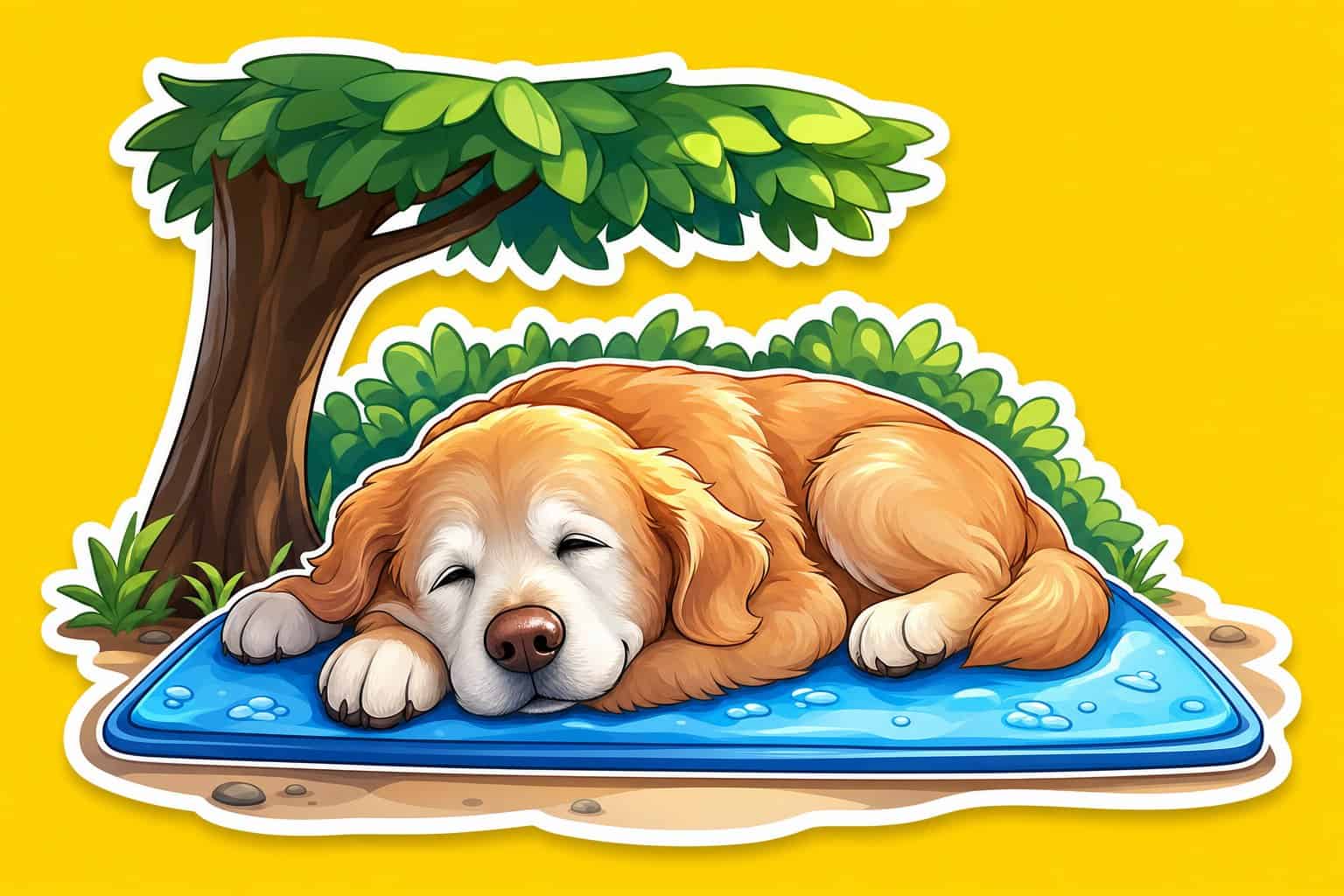
Cooling mats contain gel or water that stays cool without electricity. Place them where your senior dog already likes to rest.
They typically stay cool for 3 to 4 hours. Cooling vests wrap around your dog’s body and use evaporation to lower body temperature.
Soak the vest in cool water, wring it out, and put it on your dog for 2 to 3 hours. These work well for older dogs who still take short walks.
Elevated beds lift your dog off the ground so air flows all around them. Look for beds made from breathable mesh fabric.
Keep several water bowls around your home, both inside and outside. Add ice cubes to keep water cold longer.
Clean and refill bowls twice daily since senior dogs need constant access to fresh water.
Safe Summer Activities and Preventative Care
Senior dogs need extra attention during summer months to stay healthy and comfortable. Early morning or late evening activities, paw protection, sun safety measures, and proper grooming all work together to keep your older dog safe when temperatures rise.
Walk When It’s Coolest Outside
Take your senior dog outside during the coolest parts of the day. The best times are before 8 AM and after 7 PM when the sun is less intense.
Your older dog can’t handle heat the way they did when they were younger. Their bodies don’t regulate temperature as well anymore.
Research shows that hot summer weather reduces both the duration and intensity of dog activities. Keep walks short during summer.
Fifteen to twenty minutes is plenty for most senior dogs. Watch for signs your dog needs to stop, like heavy panting, slowing down, or lying down.
If your dog shows these signs, head home right away and offer water.
Protecting Paws from Hot Surfaces
Hot pavement can burn your dog’s paw pads in seconds. Test the ground with your bare hand for seven seconds.
If it’s too hot for your hand, it’s too hot for your dog’s paws. Ground Surface Temperature Guide:
| Air Temperature | Pavement Temperature |
|---|---|
| 77°F | 125°F |
| 86°F | 135°F |
| 87°F | 143°F |
Walk on grass whenever possible. Dog booties provide good protection but let your senior dog practice wearing them indoors first.
Some dogs need time to get used to them. You can also apply paw wax before walks to create a protective barrier.
Yes, Your Dog Can Get Sunburned
Your senior dog can get sunburned just like you. Dogs with white coats, thin fur, or pink skin need the most protection.
Areas at highest risk include the nose, ears, belly, and any spots where fur is thinning. Use only pet-safe sunscreen made specifically for dogs.
Human sunscreen contains zinc oxide and other ingredients that are toxic to dogs if they lick it off. Apply sunscreen thirty minutes before going outside.
Focus on exposed areas and reapply every few hours. Pay special attention to dogs with short white coats who spend time outside, as they are more vulnerable to sun damage.
Brush More, But Don’t Shave
Regular brushing helps your senior dog stay cool by removing dead undercoat. Brush your dog at least three times per week during summer.
This lets air reach their skin better. Don’t shave your dog’s coat completely.
Their fur actually protects them from both heat and sun. A light trim is fine, but leave at least one inch of fur.
Dogs with double coats especially need that insulation. Check your dog’s coat for mats.
Matted fur traps heat against the skin and prevents proper air flow. Bathe your senior dog as needed, but not more than once every two weeks unless your vet says otherwise.
Keep Them Hydrated and Fed Right
Older dogs need extra attention during hot weather because their bodies don’t cool down as efficiently as younger dogs. Fresh water, cooling foods, and frozen treats work together to keep your senior dog comfortable and safe when temperatures rise.
Water Bowls Everywhere, Refilled Often
Your senior dog needs constant access to clean, cool water throughout the day. Check water bowls every few hours and refill them with fresh water since warm water sits untouched and bacteria grows quickly in summer heat.
Place multiple water bowls around your home and yard so your older dog doesn’t have to walk far to drink. This matters more for senior dogs with arthritis or mobility problems who might skip drinking if the bowl feels too far away.
Watch for signs of dehydration like dry gums, sunken eyes, or skin that doesn’t bounce back when you gently pinch it. Working dogs maintain cooler body temperatures when they drink water enriched with nutrients, which can help your senior dog stay hydrated during hot days.
Add ice cubes to water bowls to keep them cooler longer. Some older dogs enjoy licking ice cubes as a way to take in more fluids while cooling their mouths at the same time.
Add Cool Foods and Frozen Treats
Wet dog food contains more moisture than dry kibble and helps your senior dog stay hydrated. Mix wet food with dry food or switch completely during summer months to boost water intake through meals.
Offer cold foods straight from the refrigerator on hot days. Your older dog will appreciate the cooling effect and might eat better when food isn’t sitting out at room temperature.
Safe cooling foods include:
- Plain watermelon (remove seeds and rind)
- Cucumber slices
- Blueberries
- Carrots (chilled or frozen)
- Green beans
These foods add water content to your dog’s diet while providing vitamins and fiber. Always introduce new foods slowly to avoid stomach upset in your senior dog.
How Pupsicles and Homemade Options Help
Pupsicles give your senior dog a fun way to cool down while getting extra hydration. These frozen treats take longer to eat than regular snacks, which helps lower body temperature gradually.
Make simple pupsicles by freezing low-sodium chicken broth in ice cube trays or small containers. You can also blend dog-safe fruits with water or plain yogurt before freezing.
Easy Pupsicle Recipes:
| Ingredients | Instructions |
|---|---|
| Chicken broth + water | Mix equal parts, freeze in molds |
| Mashed banana + peanut butter | Blend with water, pour into trays |
| Pumpkin puree + yogurt | Mix together, freeze in portions |
Give pupsicles as afternoon treats when heat peaks.
Avoid pupsicles with sugar, artificial sweeteners (especially xylitol), or ingredients toxic to dogs like grapes or chocolate. Stick to simple recipes with whole foods your senior dog already eats safely.