Is My Dog Lactose Intolerant?

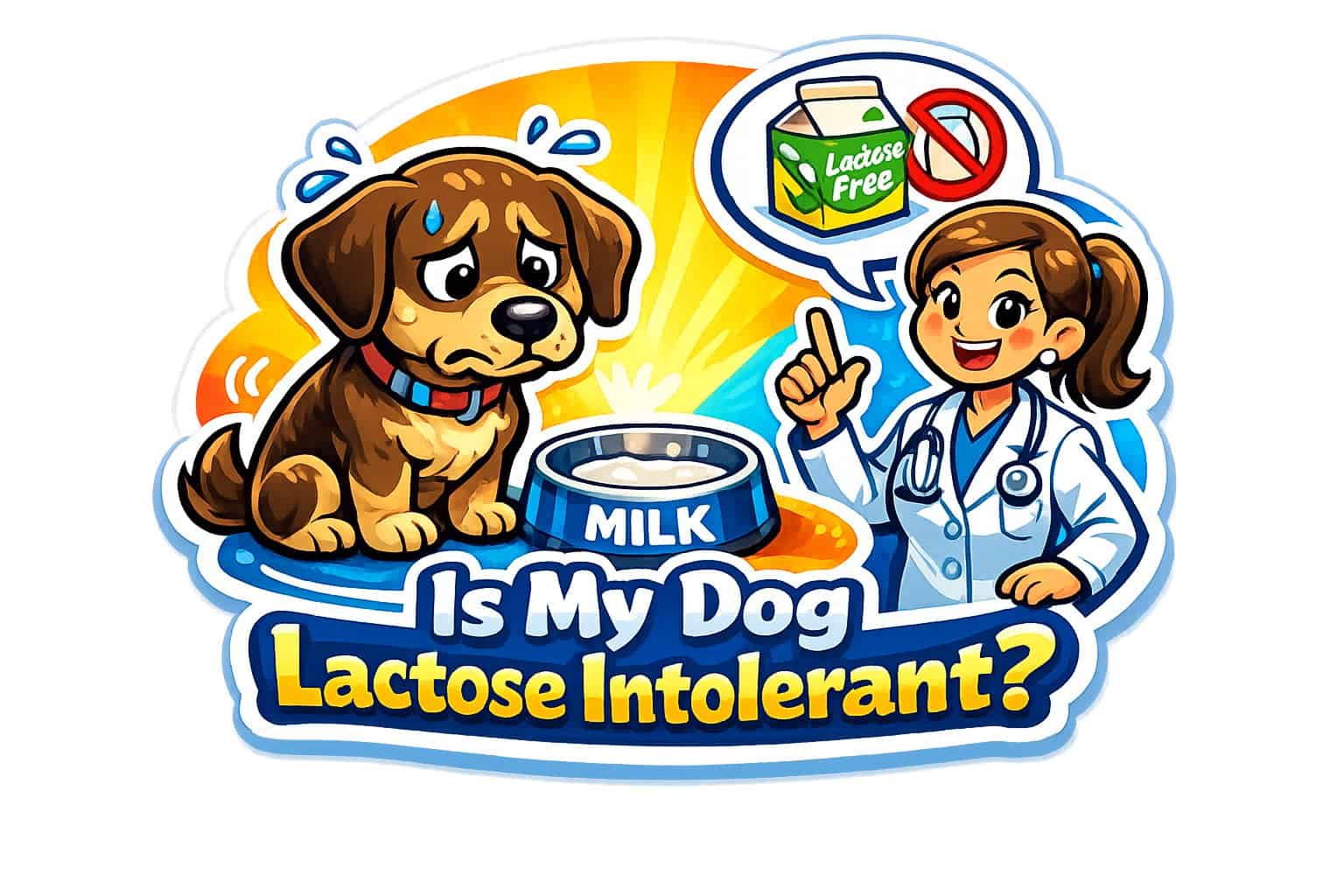
You may love sharing a bite of cheese or a splash of milk, but your dog’s body may not agree. Many dogs lose the ability to digest lactose after puppyhood, which can lead to stomach trouble. Yes, your dog may be lactose intolerant, and it often shows up as diarrhea, gas, bloating, or vomiting after eating dairy.

These signs can appear fast or creep in over time, which makes them easy to miss. You might think the problem comes from something else, or you may brush it off as a one-time upset stomach. Knowing what to watch for helps you connect the dots and protect your dog’s comfort.
You can take simple steps to confirm the issue and manage it the right way. With the right choices, you can avoid painful symptoms and still keep treats safe and enjoyable for your dog.
Signs of Lactose Intolerance in Dogs
Lactose intolerance often shows up soon after your dog eats dairy. You can spot it by watching changes in digestion, comfort, and behavior, and by knowing which dogs face higher risk.
Common Symptoms of Lactose Intolerance
You may notice signs within 30 minutes to a few hours after your dog eats milk, cheese, or ice cream. Digestive issues appear most often and tend to repeat after each dairy exposure.
Common signs include:
- Diarrhea or loose stools
- Gas and loud stomach sounds
- Bloating or belly discomfort
- Vomiting
- Loss of appetite for the next meal
Some dogs also act restless or ask to go outside more often. Symptoms usually stop when you remove dairy from the diet. Small amounts may cause mild signs, while larger servings often cause worse problems.
| Symptom | How It Looks |
|---|---|
| Diarrhea | Watery or soft stools |
| Gas | Frequent passing gas |
| Bloating | Swollen or tender belly |
| Vomiting | Happens soon after eating |
Differences Between Lactose Intolerance and Allergies
Lactose intolerance and food allergies are not the same. Intolerance affects digestion, while allergies involve the immune system.
With lactose intolerance, your dog lacks enough lactase, the enzyme that breaks down milk sugar. This leads to gut upset but not immune reactions. Symptoms stay focused on the stomach and intestines.
Food allergies often cause itchy skin, ear infections, hives, or paw licking. They can also cause vomiting or diarrhea, but skin signs help set them apart. Allergic reactions may happen even with tiny amounts and can last longer.
If symptoms include itching or swelling, talk to your vet. Those signs point away from lactose intolerance.
Risk Factors for Lactose Intolerance in Dogs
Age plays a big role. As your dog gets older, lactase levels drop. Adult dogs handle dairy worse than puppies.
Diet history matters too. Dogs that rarely eat dairy may react faster when they try it. Breed can also affect risk, though any dog can become intolerant.
Cow’s milk causes issues more often than dog milk because it contains more lactose. Even puppies may struggle with it. Large servings increase risk, especially rich foods like ice cream.
If your dog shows repeat symptoms after dairy, avoid it and choose lactose-free treats made for dogs.
Diagnosing and Managing Lactose Intolerance
You can spot lactose intolerance by watching how your dog reacts to dairy and by working with your vet. Careful food choices and simple diet changes help prevent stomach upset and keep your dog comfortable.
How Veterinarians Identify Lactose Intolerance
Vets often start with your dog’s history. They ask what dairy your dog ate and how soon symptoms began. Signs usually show up 30 minutes to 2 hours after eating dairy.
Your vet may suggest a short diet trial. You remove all dairy for one to two weeks. If symptoms stop and return after dairy comes back, lactose intolerance is likely.
Common signs vets look for include:
- Diarrhea
- Vomiting
- Gas or bloating
- Stomach pain
- Loss of appetite
Vets rarely need lab tests. They rule out other causes like food allergies, infections, or parasites. Call your vet if symptoms last more than a day, include blood, or cause weight loss.
Safe Alternatives to Dairy Products
You can replace dairy with options that do not contain lactose. These choices reduce stomach upset while still offering treats or nutrients.
Safer options include:
- Lactose-free dog milk
- Plain water or ice cubes
- Dairy-free dog treats
- Small amounts of cooked lean meat
Some dogs tolerate certain foods better than others. Plain yogurt labeled lactose-free may work for a few dogs, but many still react.
| Avoid These | Use These Instead |
|---|---|
| Cow’s milk | Lactose-free dog milk |
| Ice cream | Frozen fruit treats |
| Cheese | Single-ingredient treats |
Always introduce new foods slowly. Watch for loose stools or gas.
Tips for Maintaining a Healthy Diet
A balanced diet supports digestion and overall health. Choose a complete dog food that meets your dog’s age and size needs.
Read ingredient labels closely. Avoid foods with milk, whey, or lactose listed. Treats should make up less than 10% of daily calories.
Helpful habits include:
- Feed meals at the same times each day
- Limit table scraps
- Keep fresh water available
If your dog has frequent stomach issues, ask your vet about a sensitive stomach formula. Consistent feeding and careful choices reduce flare-ups and help your dog feel better day to day.