Why Your Old Dog Suddenly Wants To Be Alone: Common Causes And How To Help

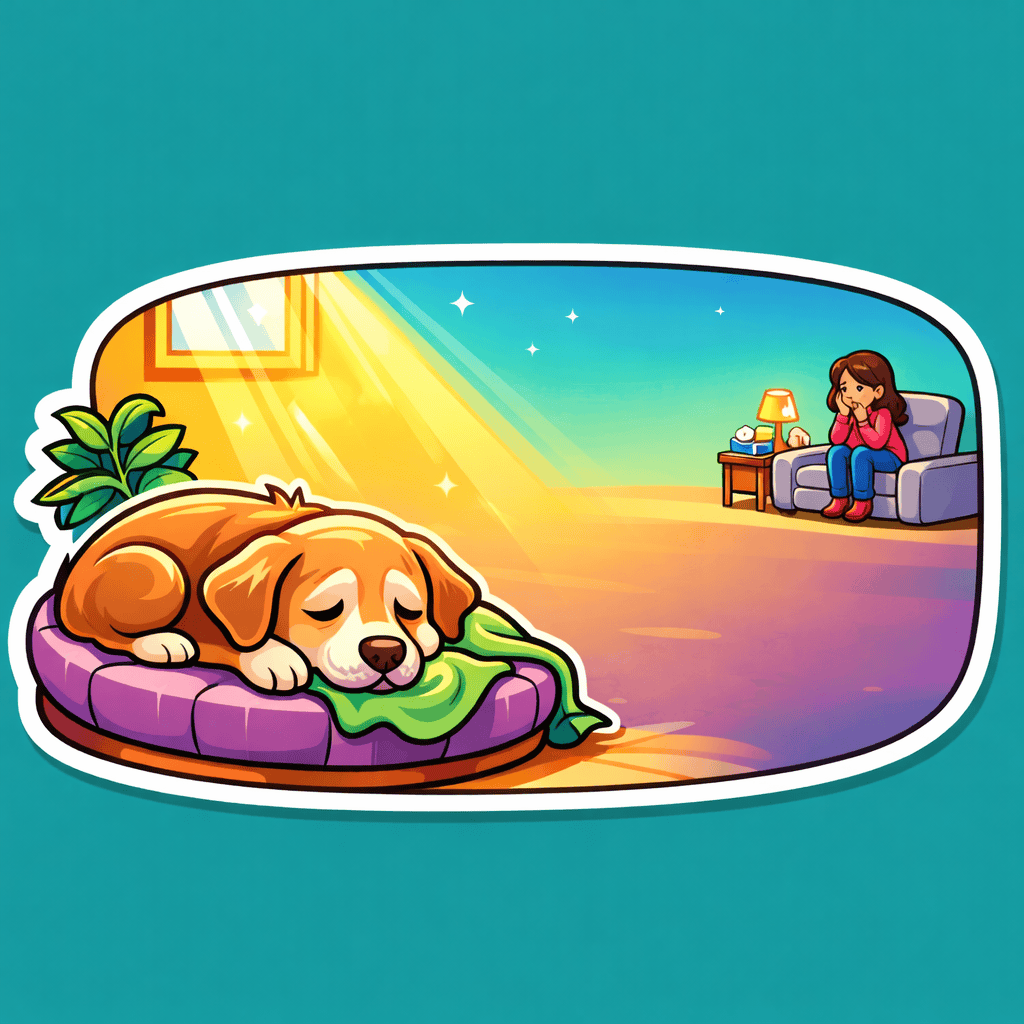
You notice your senior dog choosing a quiet corner instead of staying close. That change can feel worrying, especially when your old dog once followed you everywhere. You want to know what this shift means and if something feels wrong.
Your old dog suddenly wants to be alone because age often brings pain, anxiety, confusion, or lower energy, and solitude helps them feel safe and comfortable.
Senior dogs may rest more, avoid noise, or step away when their body or mind feels overwhelmed.
This change does not always signal a serious problem, but it does ask for your attention. Understanding why senior dogs seek space helps you respond with calm support and protect their wellbeing as their needs change.
Common Reasons Older Dogs Seek Solitude
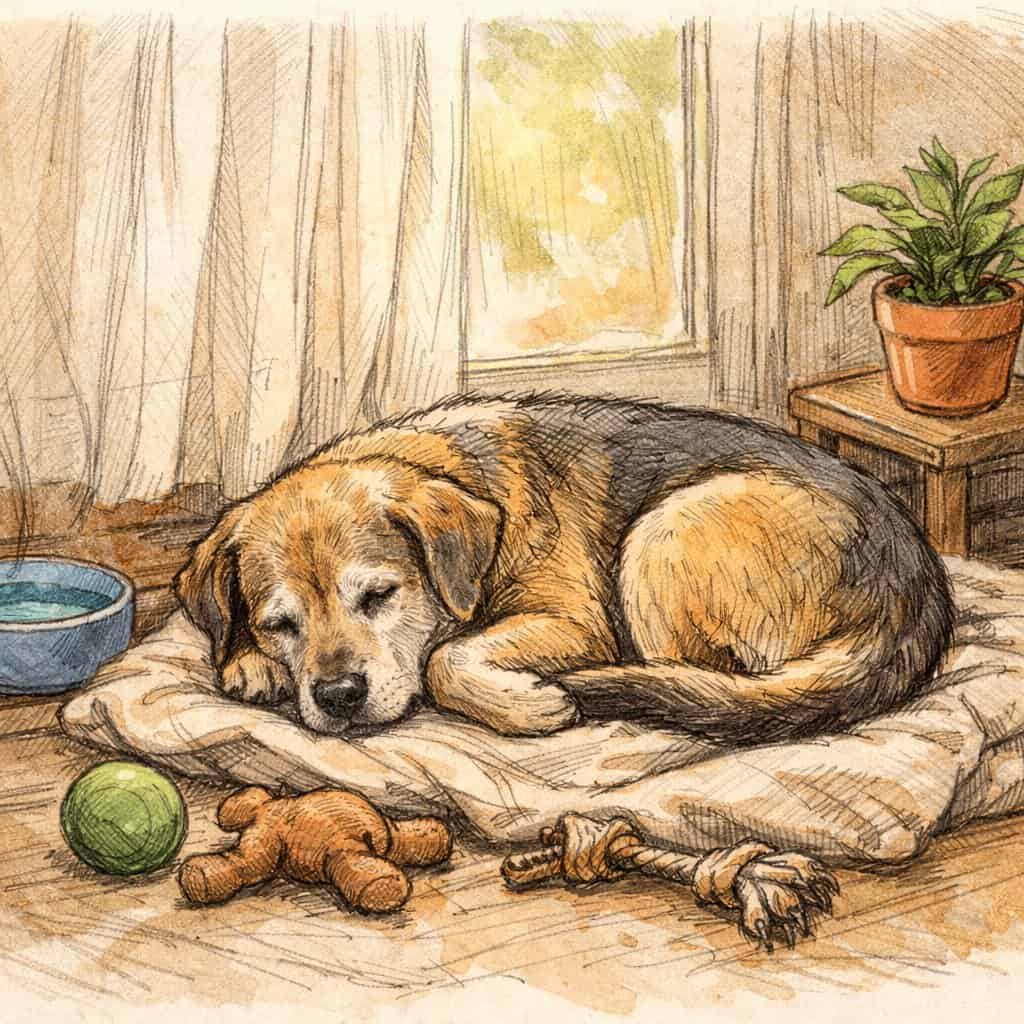
Senior dogs and old dogs often pull away because aging affects their minds and bodies in real ways. Changes in behavior, health, and comfort can all push your dog to rest alone more often.
Age-Related Behavioral Changes
As your senior dog ages, their brain does not work the same way it once did. Many old dogs develop cognitive decline, which can affect memory, awareness, and social behavior.
Your dog may feel confused in busy spaces. Noise, movement, or new routines can overwhelm them, so they choose quiet rooms instead.
Sleep patterns also change with age. Older dogs nap more during the day and may seek calm spots where they feel safe and undisturbed.
You may notice less interest in play or attention. This does not mean your dog feels distant from you. It often means they need more mental rest and predictable surroundings.
Common signs linked to aging behavior include:
- Restlessness at night
- Slower response to voices or cues
- Reduced interest in social interaction
Medical Issues Causing Discomfort
Health problems often drive senior dogs to spend time alone. Many illnesses cause subtle discomfort that your dog cannot explain.
Chronic conditions like kidney disease, heart disease, or digestive issues can drain energy. Your old dog may isolate to rest without interruption.
Vision or hearing loss also plays a role. When your dog cannot see or hear well, social spaces may feel stressful or unsafe.
Some medical issues affect mood. Hormonal changes or neurological conditions can make your dog seem withdrawn or distant.
Watch for medical warning signs such as:
- Changes in appetite or thirst
- Weight loss or gain
- Increased sleep or lethargy
Pain or Mobility Challenges
Pain remains one of the most common reasons senior dogs seek solitude. Dogs often hide pain by instinct, especially as they age.
Arthritis, joint stiffness, and muscle weakness can make movement uncomfortable. Your dog may avoid areas where they need to climb, jump, or walk far.
Lying alone helps them control their position and body pressure. Soft, quiet spaces reduce strain on sore joints.
Dental pain also causes isolation. Chewing, yawning, or being touched near the mouth may hurt more than you realize.
Signs pain may be driving isolation include:
- Difficulty standing or lying down
- Limping or stiffness after rest
- Sensitivity to touch
Emotional and Environmental Triggers
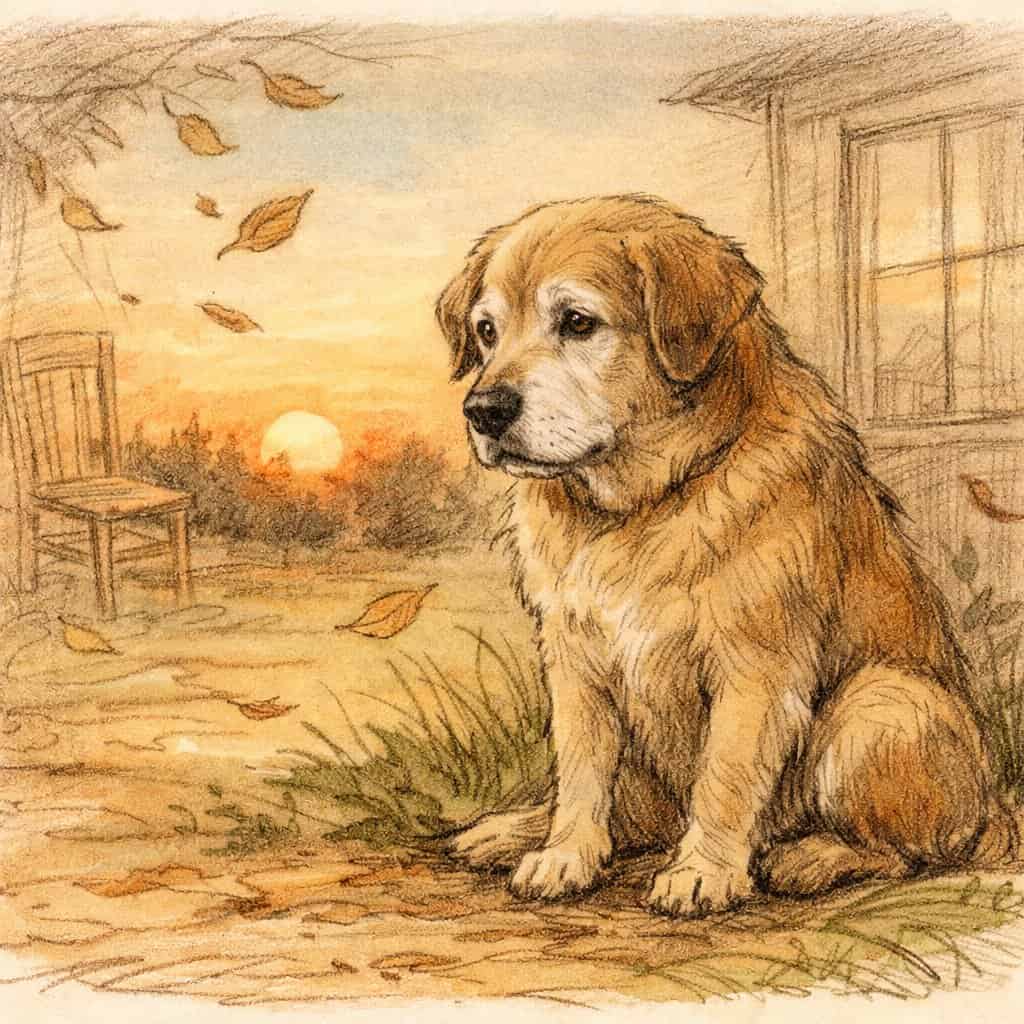
Senior dogs and old dogs often seek space when emotions or surroundings feel hard to manage. Stress, home changes, and shifts in daily relationships can push your dog to rest alone to feel safe.
Stress or Anxiety Sources
Stress often builds quietly in senior dogs and old dogs. Loud noises, new routines, or too much handling can drain them faster than before. Aging can lower patience and raise sensitivity, so small issues feel bigger.
Common stress sources include:
- Noise: fireworks, storms, or home repairs
- Routine pressure: rushed walks or skipped rest
- Overstimulation: frequent visitors or active kids
You may notice your dog choosing a quiet room or sleeping alone more often. This choice helps them calm down. Keep routines steady, offer quiet time, and let your dog decide when to interact. Respecting space can reduce anxiety and improve trust.
Recent Changes at Home
Changes at home affect senior dogs and old dogs more than younger dogs. A move, new furniture, or schedule shifts can disrupt their sense of safety. Even positive changes can feel confusing at first.
Watch for changes like:
- Moving to a new home or room
- New work hours that alter feeding or walks
- Remodeling that changes smells and sounds
Your dog may retreat to familiar spots or avoid busy areas. Keep key items in the same place, like beds and bowls. Maintain regular meal and walk times. Calm consistency helps your dog adjust without feeling overwhelmed.
Shifts in Household Dynamics
Household changes can strain emotional balance in senior dogs and old dogs. New pets, babies, or guests can reduce access to attention and quiet space. Loss also matters; the absence of a person or pet can lead to withdrawal.
Pay attention to these situations:
- A new dog or cat competing for space
- A baby changing noise levels and routines
- A family member moving out or passing away
Your dog may step back to avoid conflict or confusion. Give one-on-one time each day, even if brief. Create a quiet zone where your dog can rest undisturbed. Predictable care helps your dog feel secure again.
How to Support Your Senior Dog’s Wellbeing
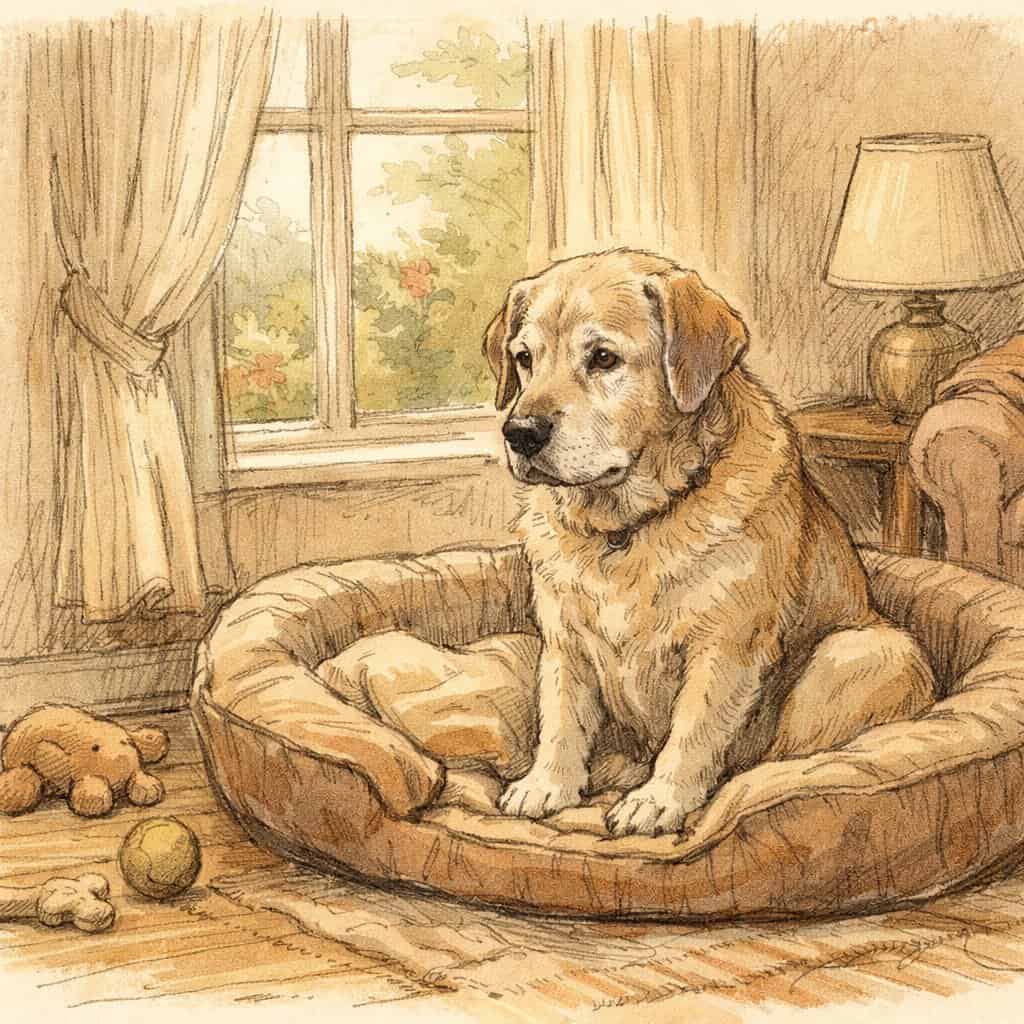
You can help your senior dog feel safer and more at ease with simple changes at home and close attention to daily habits. Comfort, routine, and timely care matter most when old dogs start to pull away.
Comforting Safe Spaces
Give your senior dog quiet places where they can rest without stress. Pick spots away from noise, kids, and other pets. Old dogs often seek space because sound, light, or touch feels overwhelming.
Use soft bedding with good support for joints. Keep the bed warm and easy to reach. Avoid stairs or slick floors nearby.
Helpful tips for safe spaces:
- Place beds in low-traffic areas
- Keep food, water, and a potty path close
- Use night lights to help with poor vision
- Keep routines the same each day
Let your senior dog choose when to rest or interact. Respecting that choice builds trust and lowers anxiety.
Monitoring Health and Behavior
Watch small changes in your old dog’s daily life. Subtle shifts often point to pain, confusion, or discomfort. Track what you see so you can act early.
Pay close attention to:
- Changes in sleep or pacing
- Less interest in walks or play
- New signs of fear or confusion
- Appetite or weight changes
A simple log helps:
| What to Track | What to Note |
|---|---|
| Eating | Amount, speed, skipped meals |
| Movement | Stiffness, limping |
| Mood | Withdrawal, irritability |
Senior dogs may hide pain. Your steady attention helps you spot problems before they grow.
When to Consult a Veterinarian
Call your veterinarian when changes last more than a few days or worsen. Sudden isolation, restlessness, or confusion needs medical input. These signs may link to pain, joint issues, heart problems, or cognitive decline.
Seek help right away if your old dog shows:
- Sharp behavior changes
- Crying, panting, or shaking
- Trouble standing or walking
- Accidents after good house training
Bring your notes to the visit. Clear details help your veterinarian decide next steps. Early care can improve comfort and quality of life for senior dogs.