Why Is My Dog’s Nose Dry?

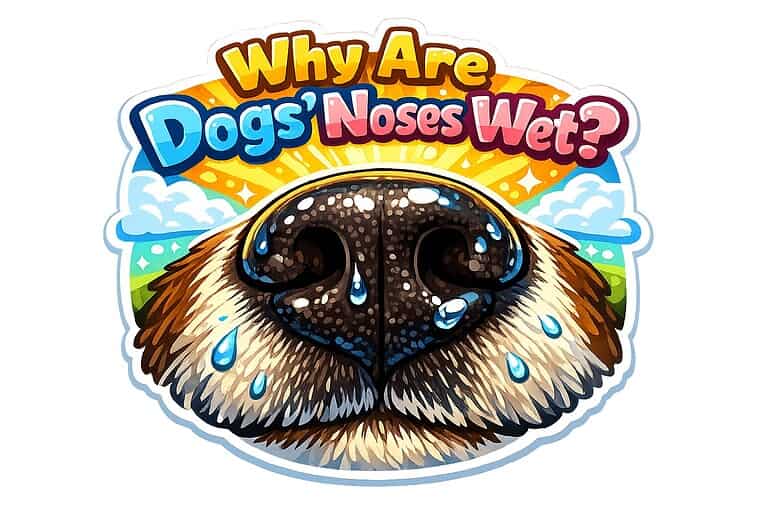
You touch your dog’s nose and notice it feels dry. That can worry you, especially if you’ve heard a cold, wet nose means good health. Before you panic, know that a dry nose is common and often harmless.
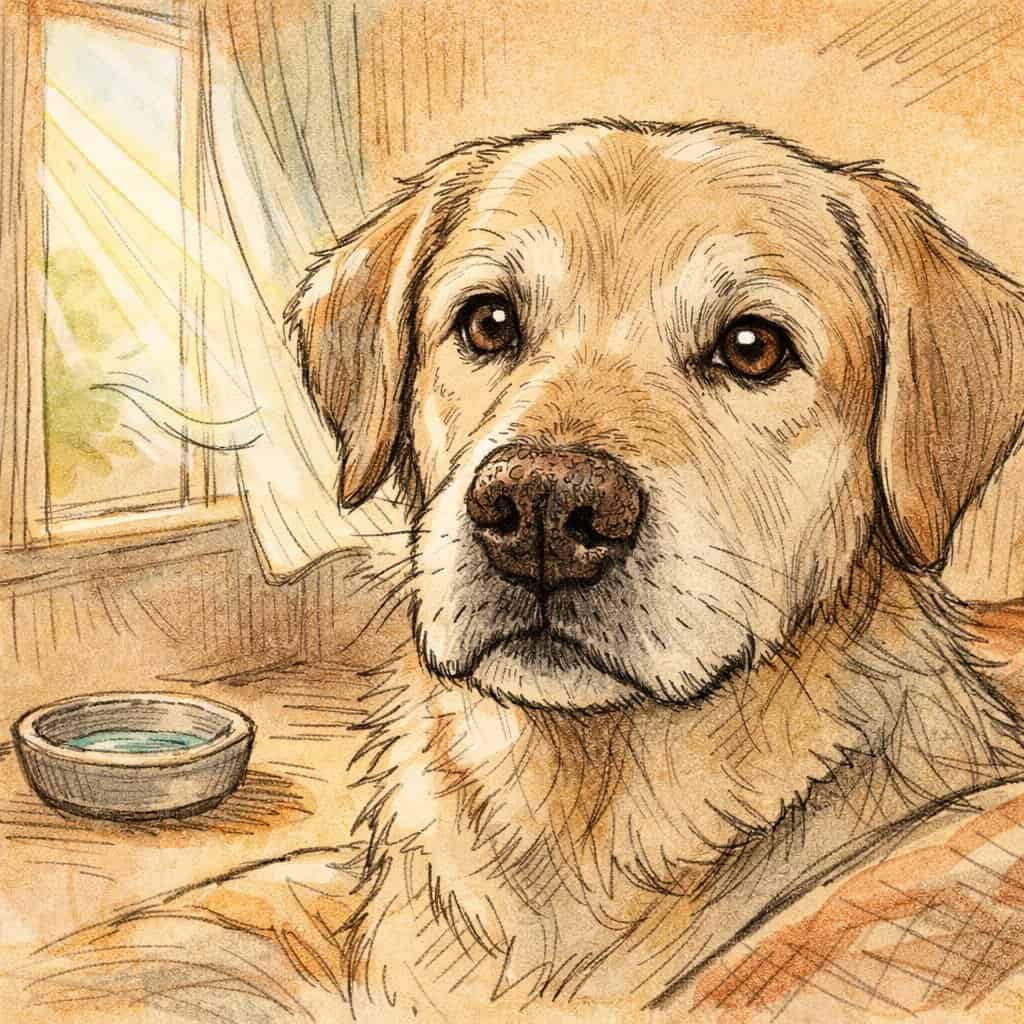
Most of the time, your dog’s dry nose happens because of normal changes like sleep, weather, or mild dehydration, not serious illness. Dogs’ noses can dry out after a nap, time in the sun, or sitting near a heater.
Still, you should pay attention to other signs. If you notice low energy, vomiting, cracked skin, or changes in appetite, a dry nose could point to a health issue. Keep reading to learn what causes a dry nose and when you should call your vet.
Common Reasons for a Dry Dog Nose
Your dog’s nose can turn dry for simple, everyday reasons. Time of day, the air around your dog, and your dog’s age all play a role in how moist that nose feels.
Normal Variations Throughout the Day
Your dog’s nose does not stay wet all the time. It often dries out while your dog sleeps because they stop licking it. Since dogs keep their noses moist through licking and natural mucus, less licking means less moisture.
You may notice a dry nose first thing in the morning. In many cases, it turns moist again after your dog wakes up and moves around.
A wet nose does not always mean good health, and a dry nose does not always mean illness. Focus on your dog’s behavior. If your dog eats well, plays, and acts normal, a dry nose alone is usually not a problem.
Environmental Factors Affecting Nose Moisture
The air in your home can dry out your dog’s nose. Indoor heating in winter and air conditioning in summer lower humidity. Dry air pulls moisture from the skin, including the nose.
Sun exposure can also dry the nose. Light-colored or pink noses may even get mild sunburn. This can cause dryness, peeling, or small cracks.
Other common factors include:
- Dehydration from not drinking enough water
- Wind or cold weather during long walks
- Allergens or dust that irritate the nose
Make sure your dog has constant access to clean water. If you use heaters often, a humidifier can help add moisture back into the air.
Age-Related Changes in Moisture Levels
Puppies and senior dogs may have drier noses than healthy adult dogs. As dogs age, their bodies may produce less natural moisture. This can lead to a nose that feels dry or slightly rough.
Older dogs may also develop thicker skin on the nose. This condition, called nasal hyperkeratosis, causes crusty buildup. It looks dry and flaky but does not always cause pain.
If your senior dog’s nose becomes deeply cracked, bleeds, or changes color, contact your vet. Mild dryness without other symptoms often links to normal aging.
Pay attention to changes that happen along with low energy, loss of appetite, or behavior shifts. These signs matter more than nose texture alone.
When a Dry Nose Indicates a Health Concern
A dry nose alone does not prove your dog is sick. You need to look at other clear signs like behavior changes, skin damage, or signs of pain.
Symptoms of Dehydration or Illness
A dry nose can point to dehydration or illness when it appears with other symptoms. Watch for low energy, sunken eyes, thick saliva, or dry gums. If your dog does not want to eat or drink, take that seriously.
You can check hydration at home. Gently lift the skin over your dog’s shoulders. If it does not snap back quickly, your dog may lack fluids.
Other warning signs include:
- Vomiting or diarrhea
- Fever (warm ears and body)
- Shaking or weakness
- Fast breathing
If your dog seems tired and has a dry, cracked nose, call your vet. A dry nose with behavior changes matters more than nose texture alone.
Allergic Reactions and Irritants
Allergies can make your dog’s nose dry, red, or flaky. Your dog may rub their face on the carpet or paw at their nose. You might also see sneezing or watery eyes.
Common triggers include:
- Pollen
- Dust
- Mold
- Plastic food bowls
- New cleaning products
Plastic bowls can cause contact reactions in some dogs. Switching to stainless steel often helps.
Look for swelling, bumps, or discharge from the nose. If your dog scratches often or develops skin rashes, allergies may be the cause. Your vet can suggest safe treatments like antihistamines or diet changes.
Sunburn and Skin Conditions
Dogs with light-colored or thin fur can burn their noses in strong sun. The skin may turn pink, dry, or peel. In severe cases, it can crack or form sores.
Limit sun time during peak hours. Ask your vet about pet-safe sunscreen for sensitive areas.
Some skin diseases also affect the nose. Autoimmune conditions can cause crusting, sores, or loss of color. Bacterial infections may lead to swelling and discharge.
Get veterinary care if you see:
- Deep cracks that bleed
- Thick crusts
- Pus or bad odor
- Color changes that spread
A simple dry nose feels smooth and does not hurt. Pain, open sores, or lasting damage need medical attention.