Why Do Dogs Lick You?

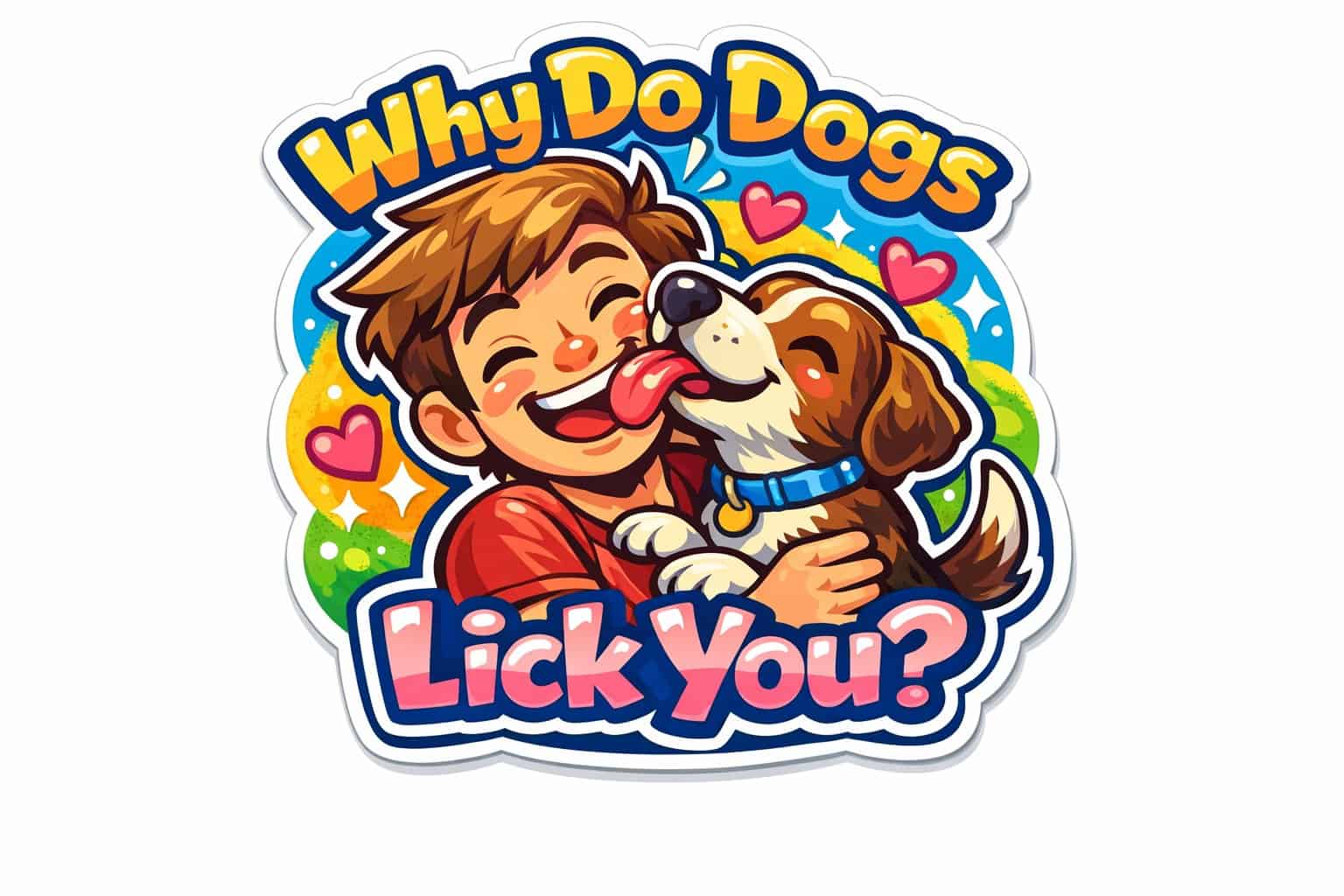
You feel a wet lick on your hand or face, and you wonder what it means. Dogs lick for simple reasons tied to how they feel and what they need. Your dog licks you to show affection, get attention, explore how you taste, or soothe stress.
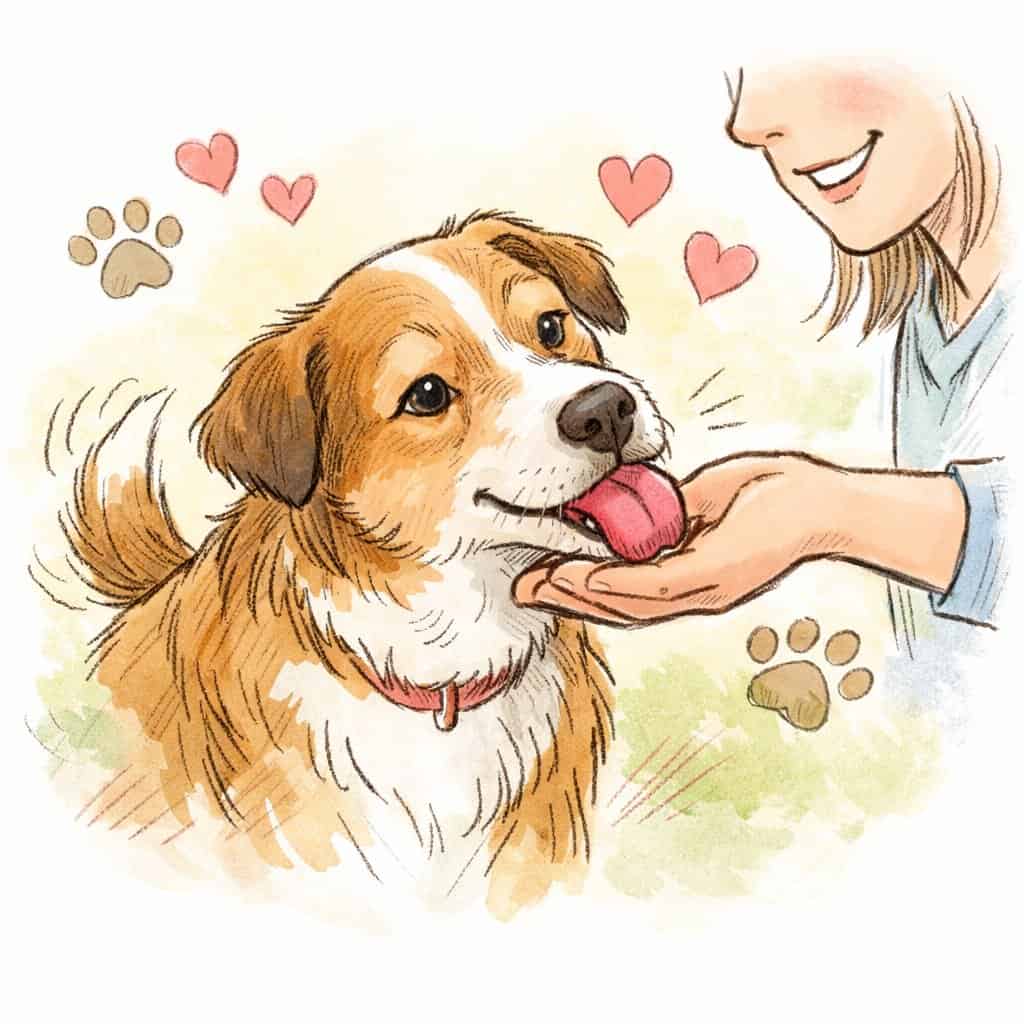
Licking starts early in puppy life and often carries into adulthood. Your dog may lick when you come home, when you pet them, or when they feel unsure. The behavior can feel sweet, odd, or annoying, depending on the moment.
Not every lick means the same thing. The meaning can change based on timing, body language, and how often it happens. Knowing why your dog licks helps you respond in a way that fits both of you.
Common Reasons Dogs Lick Humans
Dogs lick for clear and practical reasons tied to emotion, learning, and their senses. This behavior often reflects how your dog feels, what your dog wants, or how your dog understands the world around you.
### Affection and Bonding
Your dog often licks you to show affection. Licking releases calming chemicals in your dog’s brain, which helps your dog feel safe and relaxed with you.
You may notice licking during greetings, quiet moments, or cuddling. These times matter because your dog connects licking with closeness and trust.
Dogs also learn this behavior early. Puppies lick their mother and littermates as part of bonding. Your dog may carry that habit into adulthood and direct it toward you.
Common signs that licking shows affection include:
- Relaxed body posture
- Soft eyes
- Gentle, slow licks
When licking stays calm and brief, it usually reflects comfort and emotional connection.
Seeking Attention
Dogs quickly learn what gets your attention. If you talk, laugh, pet, or react when your dog licks you, your dog may repeat the behavior.
Your dog may lick when bored, excited, or wanting interaction. This often happens when you work, use your phone, or focus on something else.
Attention-seeking licking can become frequent if it works every time. The behavior does not mean your dog feels anxious or misbehaved. Your dog simply uses a tool that has worked before.
You may see this pattern:
- Lick
- You respond
- Dog repeats licking
Consistent responses shape how often your dog uses licking to communicate needs.
Taste and Smell
Your skin carries scents and flavors that interest your dog. Sweat leaves behind salt, and dogs often enjoy that taste.
Lotions, soaps, and food smells also attract licking. Even after washing, your skin still holds personal scent markers that your dog recognizes.
Dogs rely heavily on smell to gather information. Licking helps your dog sample those smells more closely.
Your dog may lick more after:
- Exercise
- Cooking
- Applying scented products
This type of licking usually focuses on hands, arms, feet, or your face. Curiosity and sensory input drive the behavior, not emotion alone.
Instinctual Behavior
Licking comes from instinct. Wild pups lick adult dogs to ask for food and care. That instinct remains in domestic dogs today.
Your dog may lick you as a way to communicate needs. This can include hunger, comfort, or reassurance.
Dogs also explore the world with their mouths. Licking works like touch and smell combined. It helps your dog learn about objects, people, and changes in routine.
Instinct-based licking often appears:
- During stress
- In new environments
- When routines change
This behavior reflects natural learning patterns rather than training issues.
What Your Dog’s Licking Can Mean
When your dog licks you, the action often has a clear purpose. Licking can send messages, gather information, or help your dog cope with strong feelings. The meaning depends on timing, body language, and context.
Communication Signals
Your dog often uses licking as a simple way to talk to you. A quick lick can show affection, trust, or a desire to stay close. Puppies learn this early from their mothers, so the habit feels natural and safe.
Licking can also ask for attention. If your dog licks when you stop petting or look away, the message may be clear. Some dogs lick to calm a tense moment, such as when guests arrive or voices get loud.
Pay attention to the pattern.
Helpful clues include:
- Relaxed body and soft eyes: comfort or bonding
- Fast licking with pawing: attention-seeking
- Licking after scolding: calming or apology behavior
Exploring the Environment
Your dog also licks to learn about the world. A dog’s mouth gathers details about taste, smell, and texture. Your skin carries salt, sweat, and scents that tell a story about where you have been.
This behavior works like sniffing, but with more detail. Dogs use their tongues to confirm what their noses detect. Licking hands, feet, or faces often reflects curiosity, not affection alone.
You may notice more licking after exercise or cooking. That timing supports exploration rather than emotion. If the licking stays brief and gentle, it usually falls within normal behavior.
Anxiety or Stress Response
In some cases, licking helps your dog manage stress. Repeated licking can release calming chemicals in the brain. Dogs may lick more during changes like moving, schedule shifts, or loud events.
Watch for signs that point to stress. These include pacing, whining, or licking that does not stop when you move away. The licking may focus on one spot and seem urgent.
Stress-related licking often appears with:
- Yawning or lip licking
- Avoiding eye contact
- Clingy behavior
If you see these signs often, the licking likely serves as a coping tool rather than communication.