Why Are Dogs‘ Noses Wet?

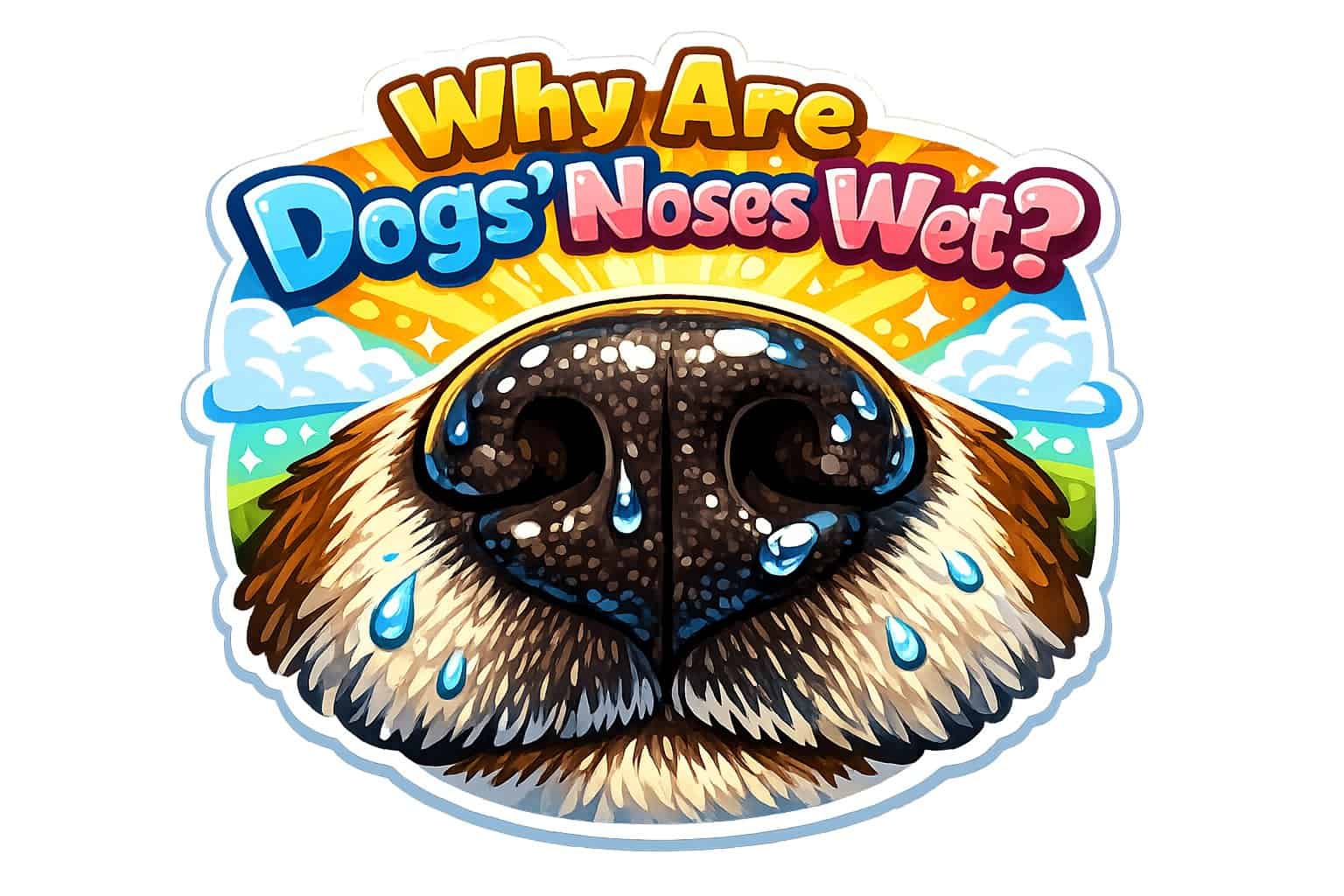
You have likely noticed your dog’s nose feels cool and damp during a cuddle or greeting. That wet nose is not random, and it plays a real role in how your dog moves through the world.
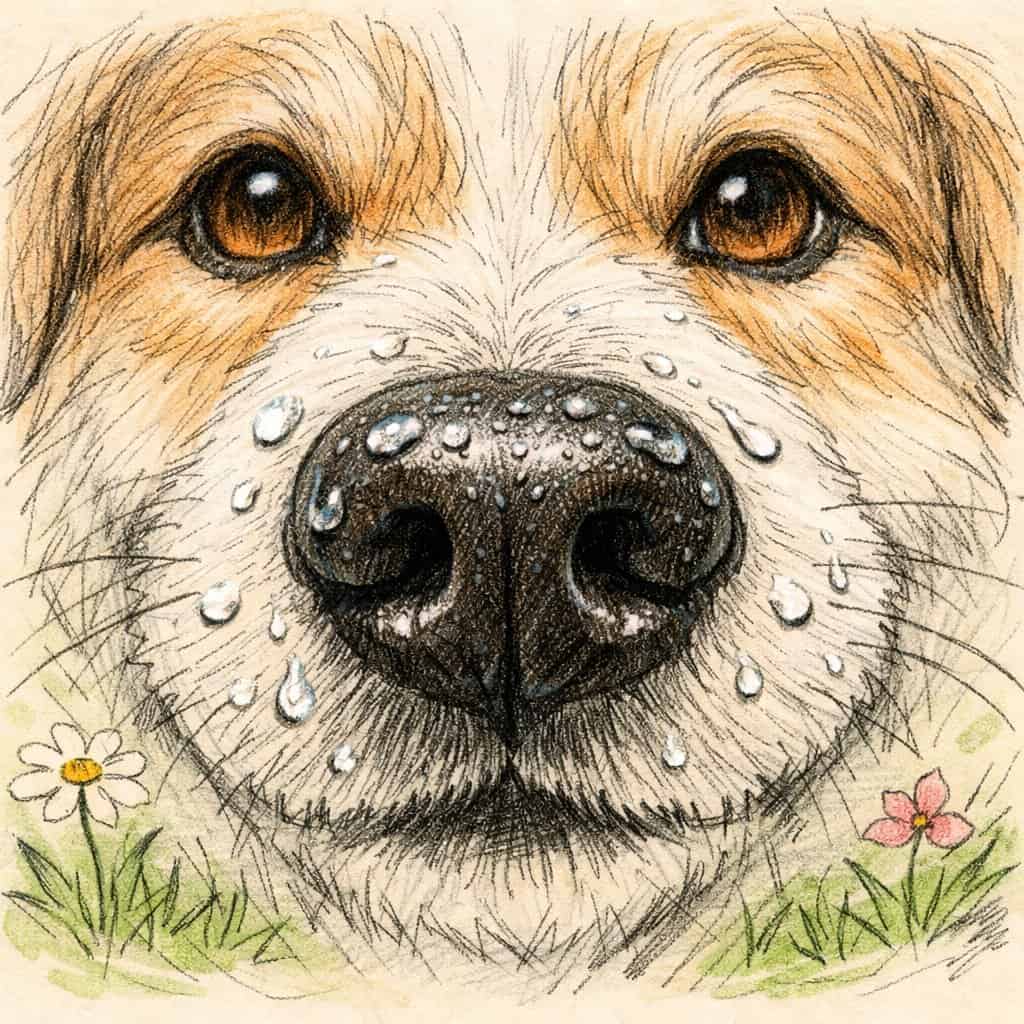
A dog’s nose stays wet because moisture helps trap scent particles, boosts smell, and supports temperature control and nasal health. Glands inside the nose, normal mucus, and frequent licking all help keep that surface damp and working as it should.
As you learn more, you will see why a wet nose usually means things are normal and when moisture may signal something else. You will also clear up common myths, like the idea that a dry nose always means poor health.
Why Are Dogs‘ Noses Wet?
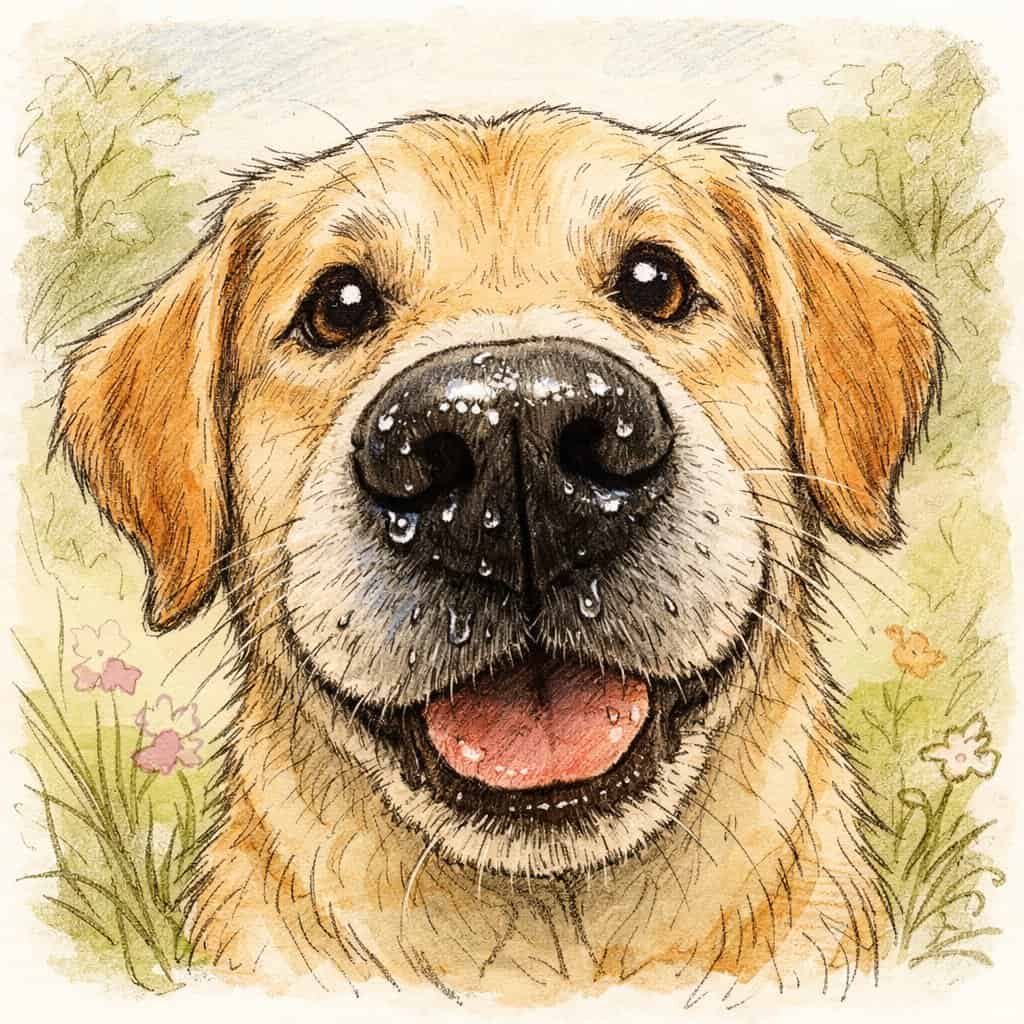
Your dog’s wet nose supports strong smell, stays moist through natural body processes, and helps guard sensitive tissues. These features work together to keep your dog alert, comfortable, and healthy during daily life.
How a Wet Nose Helps Dogs Smell
A damp nose helps your dog smell better by trapping tiny scent particles from the air. When the nose stays moist, odors stick to the surface instead of slipping past it. This gives your dog clearer scent details.
Dogs also lick their noses often. Licking spreads moisture and pulls scent particles into the nose. Once inside, the nose sends strong signals to the brain for processing.
A wet nose works like a collector. It gathers information from the ground, air, and objects your dog sniffs.
Key ways moisture boosts smell:
- Traps scent particles
- Improves scent transfer into the nose
- Supports detailed scent tracking
Natural Moisture Production
Your dog’s nose stays wet because the body makes moisture on purpose. Small glands inside the nose release a thin fluid. This fluid moves to the surface and keeps the nose damp.
Mucus also plays a role. It lines the nasal passages and helps catch dust and germs before they reach the lungs. This process keeps breathing safer and cleaner.
Licking adds another layer of moisture. Dogs lick their noses to spread fluids evenly and remove dirt. This habit supports both comfort and function.
Normal moisture can change during the day. Sleep, weather, and activity level all affect how wet the nose feels.
Protective Benefits of a Damp Nose
A wet nose protects your dog’s nasal tissue from drying and cracking. Moist skin stays flexible and less likely to split or bleed. This matters because the nose faces constant contact with air and surfaces.
Moisture also helps filter what your dog breathes in. Dust and pollen stick to the damp surface instead of going deeper into the airway. This lowers irritation.
A damp nose supports temperature control as well. As moisture evaporates, it helps release heat.
Protective roles of a wet nose:
- Guards sensitive skin
- Filters debris from the air
- Helps manage body heat
Common Causes and Myths About Moist Noses
Your dog’s nose moisture can change for many reasons. Health, daily surroundings, and common beliefs all play a role in how wet or dry your dog’s nose feels.
Health Signs Related to Nose Wetness
A wet nose often supports your dog’s strong sense of smell. Small glands inside the nose release fluid, and this moisture helps trap scent particles. Dogs also lick their noses, which adds more moisture.
A moist nose does not always mean your dog is healthy. A dry nose does not always mean something is wrong. You should watch for other signs that matter more, such as:
- Energy level
- Appetite
- Clear breathing
- Normal behavior
Call your vet if you notice thick discharge, cracks, swelling, or a sudden change paired with tiredness or fever. Nose moisture alone rarely gives a full health picture.
Environmental Factors That Affect Nose Moisture
Your dog’s surroundings can change how their nose feels throughout the day. Dry air often leads to a drier nose, especially in winter or in homes with heaters.
Common environmental factors include:
| Factor | Effect on Nose |
|---|---|
| Warm weather | More licking and moisture |
| Cold or dry air | Drier nose surface |
| Sleep | Nose dries while resting |
| Outdoor time | Moisture from air and smells |
After naps, your dog’s nose may feel warm or dry. This change usually fixes itself once your dog wakes up and moves around.
Debunking Nose Dryness Myths
One common myth says a dry nose means your dog is sick. This belief is false. Nose moisture changes often and does not track health on its own.
Another myth claims a healthy dog always has a cold, wet nose. In reality, many healthy dogs have dry noses at times. Weather, sleep, and age all affect moisture.
Focus on patterns, not moments. If your dog eats well, acts normal, and shows no pain, nose dryness alone should not worry you. Trust what you see across the whole day, not just one nose check.