When Is Putting My Dog to Sleep Really Necessary?

Deciding to put your senior dog to sleep is probably one of the hardest choices you’ll ever have to make as a pet owner. You might catch yourself watching your old friend and wondering if they’re still enjoying life, or just hanging on out of habit.
Maybe you’ve noticed changes in how they move, eat, or interact with your family. You could be questioning if it’s time to have that tough conversation with your vet.
Euthanasia becomes necessary when your dog’s quality of life has shifted, and they’re experiencing more pain and discomfort than joy or contentment most days. It’s not about one bad day or even a tough week. It’s about realizing when the good moments have mostly faded.
There’s no magic answer for when to make this decision. But you can look for clear signs and have honest conversations with your vet to help guide you through it.
Understand Your Senior’s Health
As your dog ages, their health needs change. Knowing what to expect helps you make better choices for their care.
Spotting the difference between normal aging and serious health problems becomes crucial as your dog gets older.
Recognizing Signs of Aging
Have you noticed your dog moving slower? Most dogs hit their senior years around age 7, though giant breeds like Newfoundlands reach that stage around 9.
Physical changes you might spot:
- Graying around the muzzle and face
- Taking longer to get up
- Less excitement for rough play
- Changes in sleep habits
Older dogs often sleep more, and that’s usually fine.
Behavioral shifts can include:
- Preferring quiet time over play
- Slower response to commands
- Less interest in new things
- Seeking more comfort and routine
Maybe your dog now chooses the cool tile floor instead of their old bed. Senior dogs often look for different sleeping spots because of joint pain or just wanting a cooler place.
Common Chronic Conditions
Certain health issues show up more in older dogs. Catching these early can really help.
Kidney disease is common. Look for increased drinking, more bathroom trips, or a loss of appetite.
Thyroid problems can mean weight gain or loss, changes in coat, or shifts in energy. A blood test at the vet can check for this.
Diabetes sometimes appears, especially in overweight senior dogs. Signs include drinking and peeing a lot, or losing weight even though they eat.
Arthritis and joint issues are almost expected in aging dogs. You might see your dog hesitate before jumping or seem stiff after lying down.
Heart problems can creep up too. Watch for nighttime coughing or your dog tiring quickly on walks.
Normal Changes vs. Health Concerns
So how do you know if what you’re seeing is just aging or something more serious?
Normal aging signs:
- Sleeping 12-14 hours a day
- Slow mornings
- Preferring shorter walks
- Some hearing or vision loss
Signs that need a vet visit:
- Not eating for more than a day
- Trouble breathing or heavy panting
- Sudden confusion or strange behavior
- Obvious pain when touched or moving
- Noticeable weight loss
I’d suggest vet visits every six months for senior dogs. Problems caught early are usually easier to manage.
If only your dog could tell you what hurts, right? Since they can’t, it’s up to you to notice those little changes in their routine.
Quality of Life: What Matters Most?
Your dog’s quality of life really boils down to three things: enjoying daily activities, moving comfortably, and eating and drinking well. These areas help you figure out if your senior dog is still finding joy or just getting by.
Assessing Daily Enjoyment
Does your dog still wag their tail when you walk in? Are they interested in their favorite toys, even if playtime is shorter?
Signs your dog is still enjoying life:
- Tail wags or happy body language
- Interest in treats or toys
- Seeking out family for cuddles
- Perking up for walks or outside time
Maybe your dog doesn’t fetch like before but likes to watch the action from the porch. That’s totally fine! The important thing is that they’re still getting some pleasure out of their day.
Warning signs:
- No interest in things they used to love
- Hiding or avoiding family
- Not responding to your voice
- Looking lost in familiar spots
If your dog sleeps most of the day and ignores everything, that could mean their quality of life is slipping. But remember, older dogs do sleep more.
Mobility Challenges
Can your dog still get to their food and water? Mobility problems don’t always mean poor quality of life, but they can make things harder.
Manageable mobility issues:
- Walking slower but still moving around
- Sometimes needing help with stairs
- Morning stiffness that gets better with gentle movement
- Shorter walks, but still wanting to go
Many dogs adjust to these changes. Maybe your dog likes shorter, more frequent walks, or picks a bed that’s easier to reach.
Serious mobility problems:
- Can’t stand or walk without falling
- Obvious pain when moving, like whimpering or panting
- Can’t reach food, water, or bathroom spots
- Refuses to move at all
If your dog can’t do basic things like eat, drink, or go outside, their quality of life might be seriously affected.
Eating and Drinking Habits
Is your dog still interested in food and water? Changes here can tell you a lot about how they’re feeling.
Normal eating for older dogs:
- Eating a bit less but still daily
- Preferring softer foods
- Smaller, more frequent meals
- Keeping a steady weight
Maybe your dog wants their kibble soaked or needs a raised bowl. That’s normal.
Red flags:
- Not eating for a day or two
- Sudden weight loss
- Trouble chewing or swallowing
- Drinking way more or way less than usual
Losing interest in food often means pain or illness. Sometimes you can treat the problem, but other times it means your dog’s body is shutting down.
When Is It Really Necessary to Put My Dog to Sleep?
This decision mostly comes down to your dog’s pain and emotional state, plus whether they’re facing a sudden crisis you can’t manage.
Physical Pain and Suffering
You know your dog best. If they stop eating their favorite treats or can’t get comfortable anywhere, they’re trying to tell you something.
Pain that’s out of control might show up as heavy panting, shaking, or hiding in odd spots. Maybe they snap or growl when you touch them, which isn’t like them at all.
Pain meds should help, but if your vet has tried different options and your dog still can’t walk, eat, or sleep, the pain might just be too much.
Big warning signs:
- Trouble standing or lying down
- Not eating for days
- Heavy panting or fast breathing
- Avoiding touch
- Can’t sleep through the night
When nothing helps and your dog can’t even enjoy a gentle belly rub anymore, you might be facing that final decision.
Emotional Wellbeing of Your Dog
Dogs feel emotions, too. Depression and anxiety can make their last days tough, even if you control their physical pain.
Watch for changes in personality. Are they withdrawing or acting confused?
Signs of emotional suffering:
- No interest in walks or play
- Sleeping way more than usual
- Looking confused or lost
- Not greeting family
- Losing house training
A once-social dog might stop coming when called. Maybe they just stare at the wall or seem not to recognize you.
Some dogs get anxious or restless at night. If medications don’t help and your dog seems miserable most of the time, that’s important.
Sudden Decline or Crisis Situations
Sometimes a medical emergency makes the choice for you. Things like stroke, severe breathing trouble, or sudden paralysis often mean you have to act fast.
Emergencies include:
- Breathing trouble that doesn’t get better
- Suddenly can’t stand or walk
- Severe seizures not controlled by meds
- Losing all control of bladder and bowels
- Not eating or drinking for days
If your vet says surgery is unlikely to help or your dog’s condition will get worse quickly, you might need to decide sooner than you’d hoped.
Your dog’s health before the crisis matters, too. A rapid decline in a dog already struggling is different than a sudden problem in an otherwise healthy senior.
Veterinarian Guidance and Honest Conversations
Your vet is your main ally here. They can explain your dog’s condition and help you figure out what to do next.
What To Expect at the Vet
Your vet will examine your dog, checking vital signs, mobility, and pain.
They’ll probably ask a lot about your dog’s daily routine. How much are they eating? Do they still like walks? Any confusion or odd behavior?
Your vet might suggest tests like blood work or X-rays to get a better idea of what’s going on.
Your vet will focus on:
- Pain and comfort
- Eating and drinking habits
- Mobility and independence
- Mental awareness
- Response to treatments
These conversations can feel overwhelming, and that’s totally normal. Your vet gets that this is tough.
Many vets give you extra time for these talks so you don’t feel rushed.
Questions to Ask Your Vet
Bring a list of questions about your dog’s health and options. It’s easy to forget things in the moment.
Some good questions:
- What’s my dog’s outlook with current treatment?
- How will things likely change from here?
- What signs mean my dog’s quality of life is dropping?
- Are there any treatments we haven’t tried?
- How will I know when it’s time?
Ask honestly about pain and comfort. Can meds still help? For how long?
Don’t be afraid to talk about the euthanasia process. Knowing what to expect can ease your mind a bit.
Your vet can help you think about timing, too. Some dogs have good and bad days, which can make things more complicated.
If you don’t understand something, ask your vet to explain it in simpler terms.
Collaborating on the Final Decision
Your vet won’t make this choice for you, but they’ll give you important advice based on their experience.
Some vets use quality of life checklists to help you look at things like appetite, mobility, and social behavior.
Be honest about what you see at home. Your daily observations matter as much as the vet’s exam.
Your vet might suggest checking in weekly or watching for certain symptoms.
To work well together:
- Share your worries openly
- Talk about your dog’s personality
- Think about your family’s feelings
- Plan for the practical side of things
There’s rarely a „perfect“ time. Your vet knows this is as much about your heart as it is about medicine.
Some vets offer in-home euthanasia. If vet visits stress your dog out, ask about this option.
Your vet cares about your dog’s comfort and your peace of mind.
Preparing for Euthanasia
You’ll need to make several important choices about location. Understanding what happens during the process matters too.
Creating a peaceful environment really helps. Knowing how to comfort your dog makes their final moments as gentle as possible.
At-Home vs. Clinic Visits
Many veterinarians now offer at-home euthanasia services. This lets your dog stay in their familiar surroundings with their favorite blanket or bed.
At home, your dog feels more relaxed. They won’t experience the stress of a car ride or unfamiliar smells.
You can take as much time as you need without worrying about other appointments. Some folks find this flexibility comforting.
Clinic visits work better if your dog doesn’t mind the vet’s office. Some pets actually feel calmer there because they associate it with their doctor’s care.
Cost differs between options. Home visits usually cost $100-300 more than clinic services.
Most vets can arrange either option with 24-48 hours notice. Think about your other pets too.
If you have multiple dogs, they might benefit from seeing what happens. This helps them understand why their friend won’t be coming back.
How the Process Works
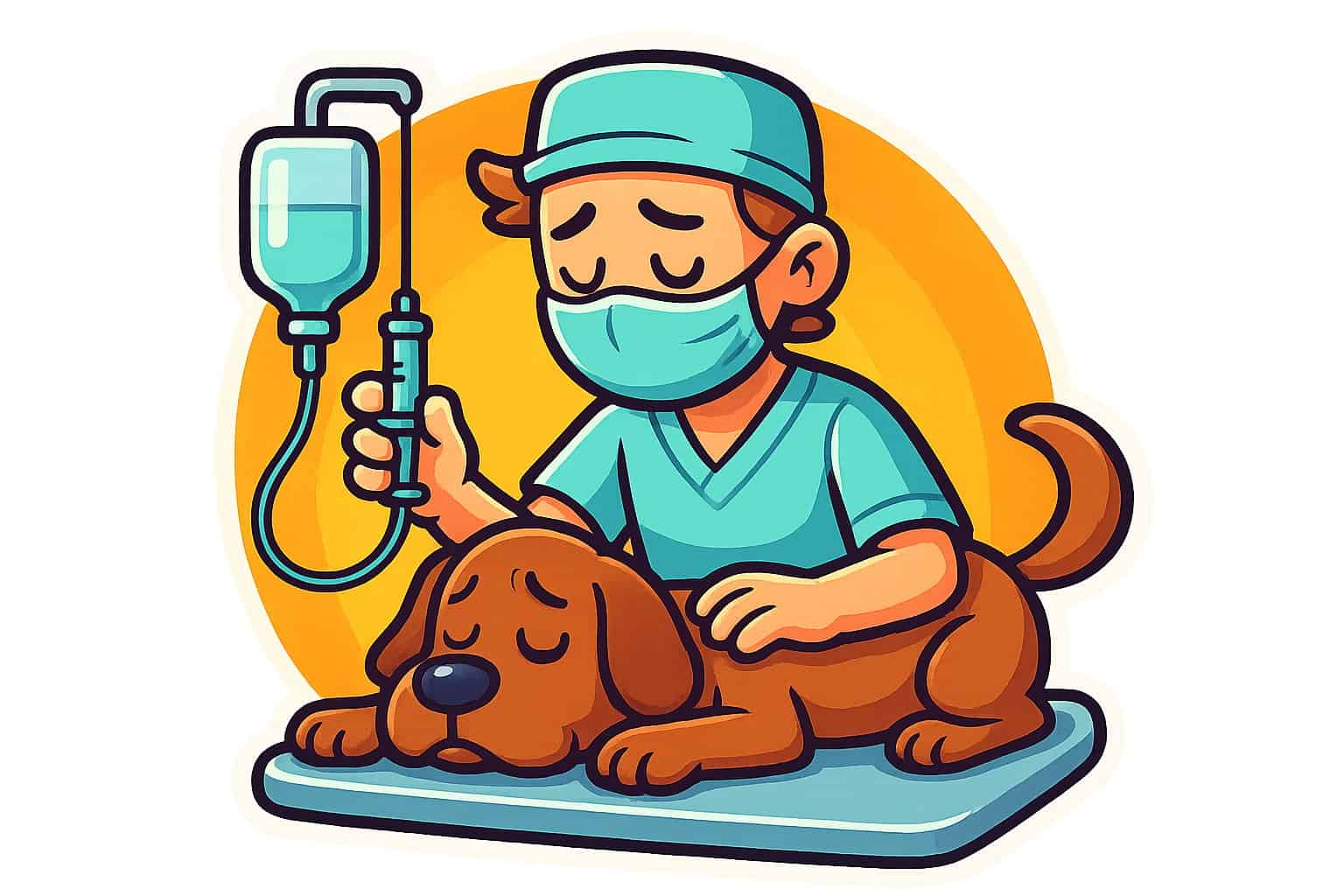
Your vet will first give your dog a sedative injection under the skin. This makes them sleepy and calm within 10-15 minutes.
The final injection goes into a vein, usually in the front leg. Your dog becomes unconscious within seconds.
Their heart stops peacefully shortly after. Many people worry this hurts their dog, but it doesn’t.
The process feels similar to falling asleep under anesthesia for surgery. Your vet might shave a small patch of fur to find the vein easily.
Some dogs may take a few deep breaths or move slightly as their body relaxes. This is completely normal.
The whole process takes about 20-30 minutes from start to finish. Most of that time is just waiting for the sedative to work.
Supporting Your Dog in Those Final Moments
Stay close to your dog and speak in your normal, loving voice. They find comfort in hearing you, even as the sedative takes effect.
Pet them gently on their head or chest. These are usually their favorite spots for affection.
Keep your touch light and soothing. You might want to have their favorite treat ready before the sedative.
Once they’re sleepy, they won’t be interested in food. Some dogs like having their favorite toy nearby.
Others prefer a familiar blanket from home. Bring whatever makes them feel secure.
Don’t feel guilty if you need to step away for a moment. Your emotions are completely normal.
Your vet understands this difficult situation. It’s okay to cry or talk to your dog throughout the process.
Many people tell their dogs they love them or share a favorite memory. This helps both of you.
Coping With Guilt and Grief
Losing your dog brings up many difficult emotions. You might experience guilt about your decision, sadness about losing your companion, and worry about how the loss affects your family and other pets.
Common Feelings After Saying Goodbye
You’re not alone if you feel guilty after putting your dog to sleep. This feeling hits almost every pet owner, even when they know they made the right choice.
Your mind might replay moments and wonder „what if.“ Maybe you think you should have tried one more treatment or waited longer.
These thoughts are normal parts of grieving. The guilt often comes from love.
You cared so deeply that any decision feels impossible. Choosing to end your dog’s suffering is an act of kindness, not failure.
You might also feel:
- Sadness – Missing your daily routine together
- Relief – That your dog’s pain is over
- Anger – At the situation or even at your dog for leaving
- Emptiness – From the quiet house and empty spaces
Grief comes in waves. One moment you feel okay, then suddenly the loss hits you again.
This rollercoaster of emotions is completely normal.
Helpful Ways to Grieve
Grieving your dog takes time, and there’s no „right“ way to do it. What matters is finding healthy ways that work for you.
Give yourself permission to grieve. Your dog was family. Don’t let anyone tell you „it was just a dog.“
Your pain is real and valid. Try these approaches:
- Create a memory book with photos and stories
- Plant a tree or flowers in your yard
- Keep a special collar or toy nearby
- Write a letter to your dog
Should you get another dog right away? Usually, it’s better to wait.
You need time to process your loss before opening your heart to a new companion. Talk to others who understand.
Pet loss support groups, either online or in person, connect you with people who truly get it. Your regular friends might not understand the depth of pet grief.
Consider talking to a counselor if your grief feels stuck or overwhelming after several weeks.
Supporting Children and Other Pets
Children and other pets in your home are grieving too. They need extra support during this difficult time.
For children, be honest but age-appropriate. Young kids might ask if the dog went to heaven or if they’re coming back.
Answer their questions simply and let them express their feelings through drawing, stories, or play. Maybe your child wants to have a small funeral or ceremony?
This can help them say goodbye in their own way. Other pets often sense the loss and may act differently.
Your remaining dog might search for their friend, eat less, or seem more clingy than usual. Help your other pets by:
- Keeping their routine as normal as possible
- Giving them extra attention and comfort
- Watching for signs they need veterinary care if they stop eating
- Not rushing to introduce a new pet
Have you noticed your other dog acting confused or sad? Dogs do grieve, and they might need weeks to adjust to life without their companion.
Be patient with them, just as you’re being patient with yourself.
What Comes Next?
Saying goodbye is only the beginning of a new chapter in your relationship with your beloved companion. You can create meaningful keepsakes and find healthy ways to process your grief while keeping their memory alive.
Creating Lasting Memories
Have you thought about how you want to remember your dog’s unique personality? The weeks before and after saying goodbye offer precious opportunities to capture their essence.
Photo collections tell your dog’s story best when they show real moments. Gather pictures from puppyhood to their senior years.
Include silly shots, sleeping poses, and everyday moments. A memory book lets you combine photos with written memories.
Write about their favorite toys, funny habits, or the way they greeted you each day. Include stories from family members who loved them too.
Paw print keepsakes create tangible reminders you can hold. Clay impression kits work well for this.
You can also press their paw into ink and stamp it onto special paper. Consider recording their sounds if you haven’t already.
Maybe it’s their gentle snoring or the way they whined when excited. These audio memories often bring the strongest emotional comfort later.
Memorial Options
Your dog’s memorial should reflect what made them special to you. There’s no right or wrong way to honor them.
Physical memorials give you a place to visit and remember:
- Plant a tree or flower garden in their favorite outdoor spot
- Create a small memorial stone with their name and dates
- Display their collar, favorite toy, or a framed photo
Memorial jewelry lets you carry them with you. Some pet owners choose pendants that hold a small amount of ashes.
Others prefer simple pieces engraved with their dog’s name. Charitable giving turns your grief into something positive.
Senior dog rescues, animal shelters, or veterinary schools often need donations. This honors your dog while helping other animals.
Creative tributes work well for artistic families. Paint a portrait, write a poem, or commission custom artwork from their favorite photo.
Finding Closure Together
Grief hits everyone in your home in its own way. Kids, other pets, and adults all need their own time and space to process a loss like this.
Family rituals can help everyone say goodbye. You might hold a small ceremony, where each person shares a favorite memory.
Light a candle or maybe release biodegradable balloons. It doesn’t have to be fancy—just something that feels right for your family.
Your other pets might grieve, too. They could search for their companion, eat less, or seem a little lost.
Stick to their usual routines and give them extra attention. Sometimes, just being there with them helps more than you’d think.
Professional support can make a difference when grief feels too heavy to handle alone. Pet loss counselors really get how deep the bond with an animal can be.
Many veterinary offices know local resources if you need them.
Let yourself grieve as long as you need. Some days hit harder than others, and that’s just how it goes when you lose someone so important.