10 Tricks to clean your senior dog’s teeth without stress

Good news, you can keep your dog’s teeth clean and gums strong without all those stressful brushing sessions.
With a bit of patience and the right tricks, dental care can actually turn into a positive part of your dog’s day.
This guide’s packed with easy, stress-free ways to brighten your senior dog’s smile and keep their mouth comfy.
1) Use dental chews like Greenies to gently remove plaque without stress
Start off with a soft, tasty dental chew your senior dog already likes. Greenies or similar vet-approved chews help knock down plaque and tartar, plus they freshen breath. They’re way easier and safer than trying to jam a toothbrush into a tired mouth.
Pick a chew that matches your dog’s size and jaw strength. If it’s too hard, it could hurt those older teeth, and if it’s too small, well, choking’s just not worth the risk. Give the chew after a meal or make it a chill daily routine your dog can actually look forward to.
Keep an eye on your dog while they chew. Dental treats work by encouraging natural chewing action, which scrapes off buildup from teeth. It’s a gentle, low-stress way to help with oral hygiene, especially when brushing just isn’t happening anymore.
Pair this habit with regular checkups to catch any deeper dental issues before they get bad. Stick with it and you’ll probably notice cleaner teeth, fresher breath, and a much happier, more comfortable senior dog.
2) Offer raw carrots or apple slices as natural teeth cleaners and tasty treats
Try handing your senior dog some small pieces of raw carrot or crisp apple slices. It’s a gentle way to clean their teeth and a tasty snack at the same time.
The firm texture helps rub away soft plaque as they chew, kind of like how crunchy veggies help our own teeth. Always chop the pieces into bite-sized chunks especially for dogs with weaker jaws or a few missing teeth.
Go for fresh, raw options with nothing added, no sugar or seasoning. Carrots bring nutrients that are great for gums, and apples can help freshen breath by boosting saliva flow, which rinses the mouth naturally.
Plus, these snacks add a little variety and give your dog something fun to crunch.
If your dog’s not used to raw produce, start slow. See how they react and adjust the portions if needed. If they have dental pain or sensitive teeth, you might want to try slightly chilled or even steamed carrots to make chewing easier. Keep treats in moderation and balance them with regular meals to keep things healthy.
3) Apply pet-safe dental wipes to rub away buildup easily and calmly
Pet-safe dental wipes are a gentle alternative when brushing just feels like too much for your senior pup. These wipes help remove light plaque and food residue without any harsh scrubbing. They’re made for dogs, so they’re safe for sensitive gums and you don’t have to rinse after.
Wrap a wipe around your finger and let your dog sniff it first. That way, they’ll feel more at ease. Then, softly rub the surface of each tooth and along the gumline. Take your time, stay calm, and your relaxed energy will help your dog chill out too.
If your dog gets antsy, keep the cleaning sessions short. Even a quick wipe-down a few times a week can help with breath and reduce buildup. Always check the ingredients first. Go for wipes that are dog-friendly and free from alcohol or weird artificial flavors.
After each cleaning, give your dog some gentle praise or a tiny treat. This builds trust and makes the process a little easier next time. With a bit of patience, dental wipes can really help keep your senior dog’s mouth cleaner without the drama.
4) Incorporate enzymatic water additives to reduce plaque through drinking
Add an enzymatic water additive right into your senior dog’s water bowl. These solutions mix in easily and you don’t really have to do anything else once it’s in there. As your dog drinks, the enzymes get to work breaking down the plaque-causing bacteria on teeth and gums.
Choose a product made just for dogs. Look for ingredients like glucose oxidase, lactoperoxidase, or zinc compounds. Those help control bacteria and freshen breath. Skip anything with alcohol, artificial dyes, or strong flavors that might mess with your dog’s stomach or make them not want to drink.
Follow the label for how much to use and keep an eye on how your dog reacts. Some of these are totally tasteless, which is perfect for picky seniors who just won’t tolerate brushing. Just watch their water intake to make sure they’re still drinking enough.
Combine this step with regular dental checks and some chew toys made for older dogs. You’ll be doing a lot for your dog’s comfort and mouth health, and it doesn’t add any stress to your daily routine.
5) Massage your dog’s gums softly to promote blood flow and comfort
Use your finger or a soft bit of gauze to gently rub your senior dog’s gums. Go slow and stay calm so your dog feels safe. You just want light pressure, enough to touch the gums but not so much that it bothers them.
Start with quick sessions, like 30 seconds, and stop if your dog seems uncomfortable. Over time, they’ll figure out gum massage is gentle and maybe even soothing. Keep your voice calm and encouraging to help them relax.
This simple massage boosts blood flow to the gums, which can help with gum health and ease a bit of soreness. It also gives you a chance to notice any weird swelling or tenderness early.
If your dog likes it, add gum massage to your cleaning routine a few times a week. Always wash your hands first, and if your dog’s gums are bleeding or look really inflamed, skip this step and check with your vet before trying again.
6) Introduce chew toys designed to scrape teeth, like Nylabone Dental Chew
Pick up some chew toys that gently clean your senior dog’s teeth while they play. Look for ones made from safe stuff like nylon or natural rubber. Nylabone Dental Chews are a solid choice since they’ve got textured ridges that help scrape off plaque and tartar.
Offer the toy when things are calm. Let your dog sniff and lick it before chewing, so they’re not surprised. Don’t force it, patience is way better than pressure.
Watch your dog as they chew to make sure they don’t bite too hard or swallow any pieces. Swap out the toy once it starts looking worn. If your senior dog has a weaker jaw or missing teeth, go for a softer texture.
Encourage chewing for short periods each day. This habit helps reduce buildup and freshen breath without the stress of brushing. Over time, your dog might even start to look forward to it, making dental care just another part of playtime.
7) Schedule regular vet dental checks to catch issues early and avoid pain
Book dental exams with your vet at least once or twice a year. Senior dogs are just more likely to get gum disease, loose teeth, and infections as they get older. Regular visits help your vet catch little problems before they turn into big, painful ones.
Ask your vet to check for decay, plaque, or soreness. Even if your dog’s teeth look fine, a professional exam can spot issues under the gumline that you’d never see at home. Early treatment keeps your dog comfy and saves you from expensive procedures later on.
During these visits, talk about your at-home care. Your vet can suggest the best brushing tools, dental chews, or rinses for your dog’s age and health. A plan that fits your dog makes daily care way easier and less stressful for both of you.
Don’t wait until your dog’s breath is awful or they’re struggling to eat to set up an appointment. Proactive care keeps your dog happy, enjoying meals, and out of pain. Treat these checkups like any other regular health thing, just like vaccines or yearly exams.
8) Feed dental-specific dry kibble such as Hill’s Prescription Diet t,d for oral health
Pick a dry food that helps clean your dog’s teeth as they chew. Hill’s Prescription Diet t,d is one example made just for dental care. The special kibble shape and texture gently scrubs teeth and helps cut down on plaque and tartar.
Check with your vet to see if this food is right for your senior dog. It’s a complete diet, so you can feed it as their main food. The bigger kibble encourages chewing, which helps clean each tooth right up to the gum line.
Feed smaller bites if your dog has a tiny mouth or weaker teeth. Always have fresh water nearby to wash away any loosened bits. Give your older dog a little time to adjust to the new food, and keep an eye out for any changes in how they chew or eat.
Pair dental kibble with regular brushing or dental treats for extra care. All these steps together help keep your senior dog’s mouth clean, so they stay comfortable and healthy as they age.
9) Use flavored toothpaste with finger brushes to ease your dog into cleaning
Let your senior dog sniff and lick the finger brush first. It helps build trust and makes the whole brushing thing less of a surprise. Go with a soft silicone or rubber finger brush, something that feels gentle on aging gums and sensitive teeth.
Pick a dog-safe toothpaste with a flavor your dog likes, maybe chicken or peanut butter. Skip human toothpaste. It’s got stuff in there that isn’t safe for dogs. Just use a small dab on the brush to start.
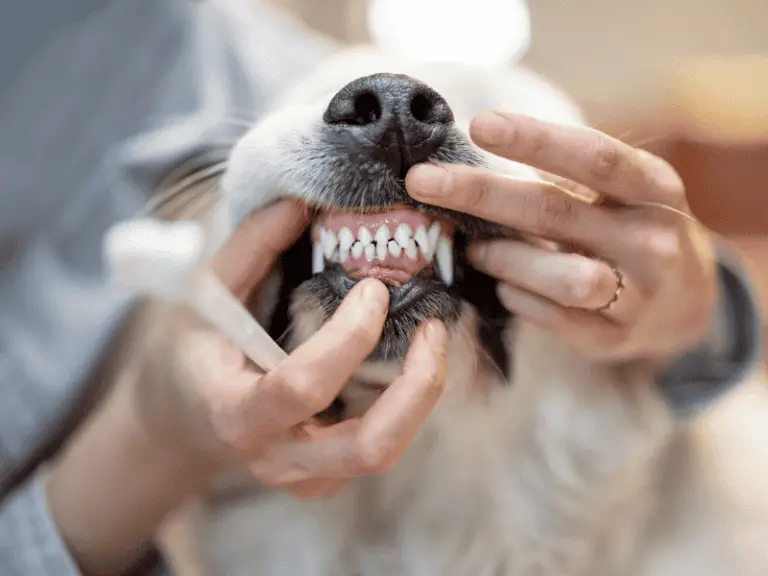
Keep the sessions short, especially in the beginning. Gently lift your dog’s lip and use small, circular motions along the gum line. Focus on the outer surfaces, since that’s where most plaque hangs out.
Stay calm and talk to your dog in a soothing voice. Lots of praise and tiny breaks if your dog seems unsure. After a while, your dog will probably get used to it, maybe even enjoy it.
10) Create a quiet, calm environment to reduce anxiety during dental routines
Pick a quiet spot where your senior dog feels safe. Skip loud TVs, busy rooms, or sudden noises. Calm surroundings really help your dog relax and make cleaning easier for both of you.
Talk softly and move slowly. Your tone and how you act can totally change how your dog feels. Gentle movements and calm words help your dog feel secure while you’re brushing their teeth.
If you can, dim the lights or use soft, natural light. Bright, harsh light can make your dog uneasy. A relaxed mood just makes everything go smoother.
Try playing some low, soothing music if your dog likes it. Some dogs actually find background noise, like soft instrumental music, calming. Pay attention to what seems to chill your dog out and adjust the environment as needed.
Keep all your supplies handy so you’re not scrambling mid-session. Being organized lowers stress for both you and your dog. With a consistent routine and a chill setting, dental care can actually turn into a peaceful time instead of a battle.
Dental Health for Senior Dogs is important
Recognize Common Signs of Dental Issues
Dental problems usually show up in subtle ways at first. Notice if your dog eats slowly, drops food, or avoids chewing on one side.
That could mean pain or a loose tooth. Bad breath, red gums, or yellow-brown buildup along the gumline often point to plaque or even infection.
Gum disease in older dogs isn’t just about mouth pain. It can cause tooth loss, make eating tough, and in serious cases, bacteria can spread to organs. Take a look at your dog’s mouth every week under gentle light. Try using a simple checklist,
| Sign | What It Could Mean |
|---|---|
| Persistent bad smell | Bacteria buildup or gum infection |
| Gums that bleed easily | Early periodontal disease |
| Weight loss | Pain while chewing |
If you spot something off, get your vet to check things out sooner rather than later. Early help means fewer big procedures and less stress for your senior dog.
Create a Positive Dental Care Routine
Make tooth cleaning a calm and positive experience and help your senior dog stay cooperative and comfortable. With gentle handling and timely rewards, you can teach your dog that dental care is just a normal, stress-free part of life.
Reduce Fear With Consistent and Calm Handling
Move slowly and keep your cool. Dogs pick up on your mood, so talk softly and handle their mouth gently. Choose a quiet spot without a bunch of distractions. This creates a predictable vibe that helps your dog focus on you and relax.
Start with quick sessions—maybe just a minute or two. Touch your dog’s muzzle, lift the lips, then let go. Gradually make the sessions longer as your dog gets more comfortable. Consistency matters more than how long you brush. Use a soft toothbrush or finger brush made for dogs.
Don’t force your dog to cooperate. Take short breaks if they pull away. Calm redirection works way better than scolding. Over time, your dog will learn that dental care isn’t scary.
| Step | Action | Purpose |
|---|---|---|
| 1 | Speak in a calm tone | Reduces anxiety |
| 2 | Keep sessions short | Prevents frustration |
| 3 | Gently handle muzzle | Builds trust |
| 4 | End on a positive note | Reinforces relaxation |
Reward Good Behavior To Build Trust
Grab some small, soft treats your dog actually goes nuts for. Reward calm behavior pretty often, like after brushing or even just for letting you touch their mouth, you know? This kind of feedback helps your dog start to link cooperation with something good.
Try breaking things down into tiny steps. Give a reward after each little milestone, whether that’s letting you open their mouth, accepting the toothpaste, or just staying still for a second while you brush.
Honestly, patience is key here, especially with older pups who might need a bit more reassurance. Gentle praise, and lots of it, really does wonders for building trust and making every session a bit easier.
Eventually, your dog might even look forward to tooth cleaning, believe it or not. Treats, affection, and a calm, steady routine help your senior dog realize dental care can actually mean comfort and love, not just stress or fear.