The 8 Best Protein Sources for Senior Dogs

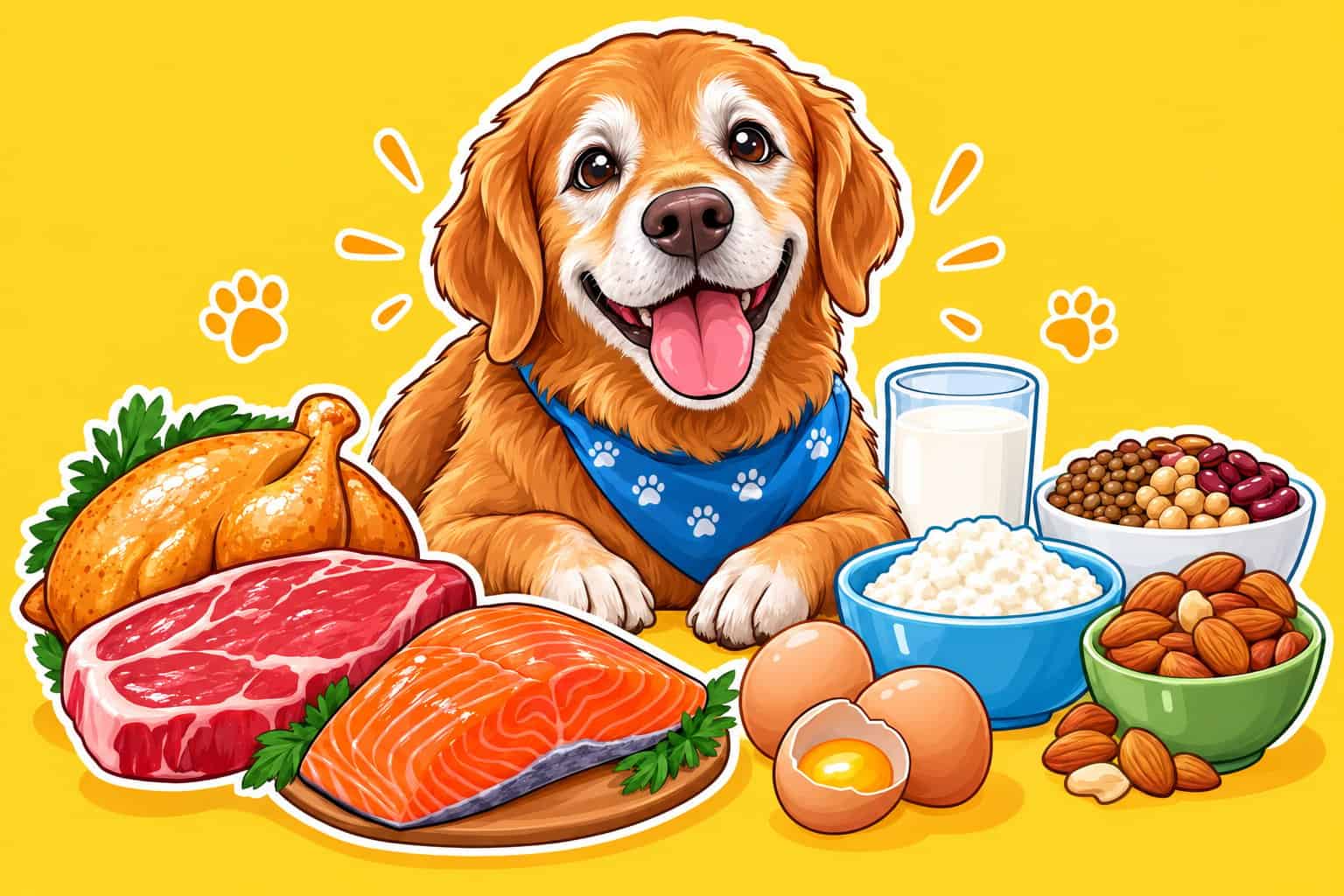
As your dog gets older, their body goes through many changes. Senior dogs need high-quality protein to maintain muscle mass, support organ function, and keep their immune system strong. The right protein sources can help your aging companion stay healthy and active for years to come.
Finding the best protein for your older dog doesn’t have to be complicated. From common meats like chicken and beef to fish options and eggs, there are many excellent choices to consider. Understanding protein requirements across different life stages helps you make better decisions about what to feed your senior pet.
The key is choosing proteins that are easy to digest and packed with the nutrients your dog needs as they age.
1) Chicken breast
Chicken breast is one of the best protein options you can feed your senior dog. It’s lean, easy to digest, and packed with the nutrients your older dog needs to stay healthy.
Your aging dog will benefit from chicken breast because it contains high-quality protein without excess fat. This matters for senior dogs who may have slower metabolisms or weight concerns. The protein helps maintain muscle mass, which older dogs tend to lose as they age.
Chicken breast is also gentle on sensitive stomachs. Many senior dogs develop digestive issues, and this mild protein source rarely causes upset. You can prepare it simply by boiling or baking without added oils or seasonings.
Research shows that chicken breast meal provides adequate nutrition for senior dogs when included in their diet. The amino acids in chicken support your dog’s immune system and help repair body tissues.
You can serve chicken breast as a complete meal mixed with vegetables and grains, or use small pieces as healthy treats. Just make sure to remove all bones and skin before feeding it to your dog. Cook the chicken thoroughly to eliminate any harmful bacteria.
2) Turkey breast
Turkey breast makes an excellent protein choice for your senior dog. It’s lean and easy to digest, which matters more as your dog gets older.
The protein in turkey breast helps maintain your dog’s muscle mass. Senior dogs often lose muscle as they age, so getting enough quality protein is important. Turkey breast provides this without adding extra fat that could lead to weight gain.
Your older dog will benefit from turkey’s nutritional profile. It contains essential amino acids that support your dog’s body functions. The special needs of older dogs include proper protein intake to stay healthy.
When feeding turkey breast to your senior dog, choose plain cooked meat without skin or seasoning. Remove any bones, as these can be dangerous. You can add small amounts to your dog’s regular food or use it as a healthy treat.
Keep portions appropriate for your dog’s size and activity level. Too much of any protein can upset your dog’s stomach.
3) Lean beef
Lean beef gives your senior dog high-quality protein that helps maintain muscle mass as they age. Your older dog needs protein to stay strong and healthy, and beef provides all the essential amino acids they require.
Research shows that older dogs need more protein than younger adult dogs to maintain their body condition. Lean beef meets this increased need without adding too much fat to your dog’s diet.
When you choose beef for your senior dog, pick lean cuts like sirloin or round steak. These cuts give your dog the protein benefits without extra calories that could lead to weight gain. Trim off any visible fat before cooking.
You can serve lean beef cooked and plain to your dog. Avoid adding seasonings, onions, or garlic, which can harm dogs. Ground lean beef works well mixed with your dog’s regular food or served on its own.
Beef also provides important nutrients like iron, zinc, and B vitamins. These nutrients support your senior dog’s immune system and overall health as they get older.
4) Lamb
Lamb offers your senior dog a high-quality protein that’s easy to digest. This makes it especially good for older dogs whose digestive systems may not work as well as they used to.
Your aging dog can benefit from lamb because it contains essential amino acids needed to maintain muscle mass. As dogs get older, they naturally lose muscle, so getting enough quality protein becomes more important.
Lamb is often used in novel protein diets for dogs with food sensitivities. If your senior dog has developed allergies or stomach problems over the years, lamb might be a good alternative to chicken or beef.
This protein source also provides vitamins and minerals that support your older dog’s health. Lamb contains B vitamins, zinc, and iron that help keep your senior dog’s immune system strong.
You can find lamb in many commercial senior dog foods. It comes in different forms like fresh lamb, lamb meal, or lamb stew. When choosing a lamb-based food for your older dog, look for products where lamb appears as one of the first ingredients on the label.
5) Salmon
Salmon offers your senior dog a powerhouse of nutrition that supports aging joints and overall health. This fish provides high-quality protein that’s easy for older dogs to digest and use.
The omega-3 fatty acids in salmon are particularly valuable for your aging companion. These healthy fats help reduce inflammation in joints, which can ease discomfort from arthritis. Research shows that oily fish like salmon provides abundant omega-3s that support senior pet health.
Salmon is also highly palatable, meaning most dogs love the taste. Studies have found that salmon protein hydrolysate was especially palatable to dogs, making it a great choice if your older dog has become picky about food.
You can feed your senior dog salmon in several forms. Fresh cooked salmon works well, or you can choose commercial dog foods that list salmon as the main protein. Just make sure any salmon you give is fully cooked and boneless to keep your dog safe.
The protein quality in salmon helps maintain your older dog’s muscle mass, which naturally declines with age.
6) Sardines
Sardines make an excellent protein choice for your senior dog. These small fish are packed with high-quality protein that’s easy for older dogs to digest and absorb.
Your aging dog can benefit from the omega-3 fatty acids found in sardines, which support joint health and reduce inflammation. Sardines help old dogs stay alert as they age while providing essential nutrients.
You can feed your senior dog canned sardines packed in water or olive oil. Make sure to drain them before serving. Start with small amounts to see how your dog’s digestive system handles this new protein source.
Fish protein is highly digestible and bioavailable, making it an ideal choice for meeting your older dog’s protein needs. Sardines also contain important vitamins and minerals that support your senior dog’s overall health.
Feed sardines a few times per week as a meal topper or treat. They add variety to your dog’s diet while delivering the nutrition older dogs need.
7) White fish
White fish offers a lean protein option that’s easy on your senior dog’s digestive system. Varieties like cod, haddock, and tilapia contain high-quality protein without excess fat.
Your aging dog needs protein to maintain muscle mass, but their metabolism slows down as they get older. White fish provides the nutrients they need without adding unnecessary calories. The mild flavor also works well for dogs with sensitive stomachs or food sensitivities.
Fish proteins can be especially helpful for senior dogs with compromised digestion. The protein breaks down easily, making it simpler for your dog’s body to absorb essential amino acids.
You can serve white fish cooked and boneless to your senior dog. Remove all bones carefully, as they pose a choking hazard. Avoid adding butter, oils, or seasonings that might upset your dog’s stomach.
White fish also contains omega-3 fatty acids, though in smaller amounts than fatty fish like salmon. These nutrients support joint health and brain function in older dogs. Mix white fish with your dog’s regular food or use it as a special protein source a few times per week.
8) Eggs
Eggs are an excellent protein source for your senior dog. They contain all the essential amino acids your older dog needs to maintain muscle mass and stay healthy.
You can feed your dog eggs cooked in various ways, including boiled, scrambled, or poached. Just avoid adding butter, oil, or seasonings that could upset your dog’s stomach. Raw eggs aren’t recommended because they can contain harmful bacteria.
Egg protein is highly digestible, which is especially helpful for older dogs with sensitive stomachs. The health benefits of egg protein make it particularly suitable for dogs with weakened gastrointestinal tract functions.
Your senior dog can benefit from both the egg white and yolk. The yolk contains valuable nutrients like vitamins A, D, E, and B12, plus healthy fats that support your dog’s coat and skin. The white provides pure protein without added fat.
Most senior dogs tolerate eggs well, but some may have sensitivities. If you notice any digestive upset or skin issues after feeding eggs, consult your veterinarian. Start with small amounts and gradually increase to see how your older dog responds.
How Protein Supports Healthy Aging
Older dogs need adequate protein to maintain their body condition and fight off illness. Protein requirements actually increase in senior dogs rather than decrease, making it one of the most important nutrients in their diet.
Maintaining Lean Muscle and Mobility
Your senior dog’s body breaks down muscle tissue faster as they age. Without enough protein, your dog will lose muscle mass and strength over time. This makes it harder for them to walk, climb stairs, and do everyday activities.
Senior dogs require 50% more protein to support protein turnover compared to younger dogs. This extra protein helps rebuild muscle tissue that breaks down each day. When your dog gets enough protein, they can keep their lean muscle mass and stay mobile longer.
Protein also gives your dog energy for movement and play. Strong muscles protect their joints and bones from injury. Dogs with good muscle mass can maintain a healthy weight and avoid putting extra stress on their aging bodies.
Supporting Immune Health and Recovery
Your dog’s immune system needs protein to work properly. Protein helps make antibodies that fight infections and disease. When your senior dog gets sick or injured, protein speeds up healing and recovery.
Older dogs face rapid metabolic decline, often seen after 8 years of age. Their bodies don’t absorb nutrients as well as they used to. This means they need high-quality protein sources that are easy to digest.
Protein also helps maintain healthy skin and coat in senior dogs. A strong immune system keeps your dog feeling better and can help them live longer.
Choosing the Right Diet for Your Older Dog
Your senior dog’s protein needs depend on their activity level and overall health condition. Working with your veterinarian helps you create a diet plan that addresses your aging dog’s specific requirements.
Matching Protein Intake to Activity Level and Health Needs
Active senior dogs need more protein than their less active counterparts. If your older dog still enjoys daily walks and playtime, they benefit from higher protein levels to maintain muscle mass and energy.
Less active senior dogs require adjusted protein amounts to prevent weight gain while still supporting their body functions. You should consider your dog’s daily routine when selecting their food.
Health conditions change protein requirements:
- Dogs with kidney disease may need modified protein levels
- Senior dogs with arthritis benefit from adequate protein to support joint health
- Older dogs recovering from illness need increased protein for healing
Protein quality and digestibility matter more than the amount alone. Your aging dog absorbs high-quality proteins more efficiently, which means they get better nutrition from smaller portions.
Weight management becomes important as dogs age. Too much protein combined with low activity leads to extra pounds, while too little causes muscle loss and weakness.
When to Ask Your Veterinarian for Guidance
Schedule a nutrition consultation when your dog turns seven or eight years old. This timing allows you to adjust their diet before age-related issues develop.
Contact your vet if your senior dog experiences sudden weight changes, decreased appetite, or digestive problems. These signs often indicate the need for dietary adjustments.
You should seek professional advice when your older dog has:
- Chronic health conditions like diabetes or heart disease
- Recent surgery or medical procedures
- Changes in bathroom habits or stool consistency
- New medications that might interact with certain foods
Your veterinarian can recommend blood tests to check kidney function, liver health, and nutrient levels. These results guide specific dietary choices for your aging companion.
Senior dogs heal more slowly from injuries and stress, making proper nutrition even more important. Regular check-ups help you adjust your dog’s diet as their needs change over time.