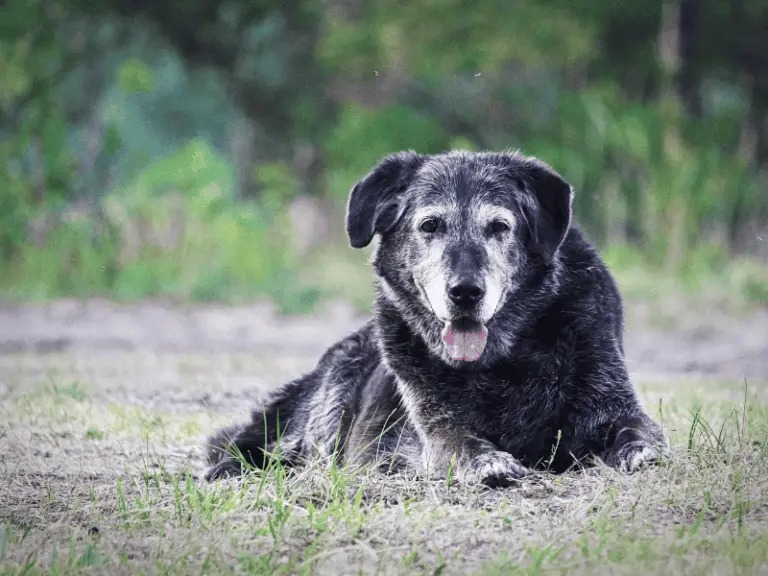
8 Stress Triggers for Your Senior Dog You Should Avoid

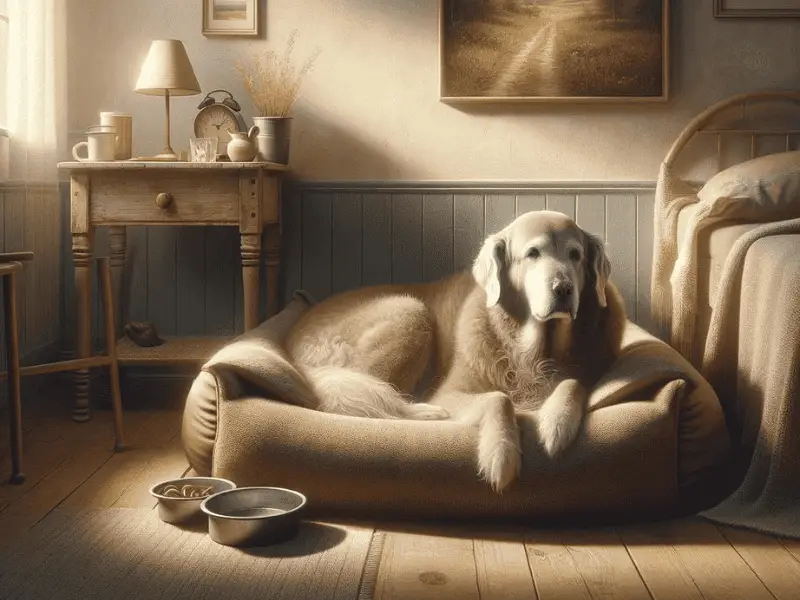
Your senior dog brings a dynamic all his own to life with you. He is more susceptible to stress not only because of his age, but also due to the physical and mental changes that come with it.
By becoming aware of which everyday situations can trigger stress for your older companion, and proactively taking steps to minimize them, you can help him enjoy his golden years to the fullest.
In this article, we look at 8 everyday situations that can lead to stress in senior dogs and offer solutions to help them enjoy a relaxed and happy life in their later years.
1. Changes at home
Changes in the home environment, such as moving, renovations, or even just rearranging furniture, can trigger uncertainty and stress in older dogs. They rely on familiar surroundings to feel safe. Solution: Try to make changes gradually and gently acclimate your dog to the new circumstances. A consistent safe space that stays the same can help him adjust.
2. New pets
Bringing new pets into the household can be stressful for your senior dog for several reasons. First, the older dog may feel he has to defend his established position or his resources, such as attention from his humans, food, and resting spots.
This can lead to fear and stress, especially if the senior dog is no longer as socially flexible or physically capable as he was in his younger years. Second, the energy and play style of a younger animal can be overwhelming for an older dog who prefers a calmer lifestyle.
If it is absolutely necessary to bring a new pet into the household, start with short, controlled meetings in a neutral area to avoid competition over territory.
Use positive reinforcement to reward peaceful interactions, and make sure each dog has his own safe retreat. It also helps to gradually and under supervision acclimate the new animals to the older dog’s presence, to help both sides adjust and minimize any stress.
Be especially attentive and fair when distributing love and attention to prevent jealousy.
3. Too much time alone
For your senior, too much time alone can be especially stressful. As he gets older, your dog may become more prone to separation anxiety, partly because of changes in his cognitive state. This can lead to confusion and insecurity.
In addition, a reduced ability to keep himself occupied or to be physically active can leave him feeling isolated and anxious when he is left alone.
To minimize the negative effects of too much time alone, make sure your dog is not left by himself for too long. You can do this by arranging for a pet sitter, family members, or friends to stop by while you are away.
It also helps to create a calming environment with familiar items such as blankets or toys that help your dog feel more secure. Gentle background noise, like classical music or a softly playing radio, can also reduce feelings of loneliness.
4. Noise
Noise is an ever-present source of stress. As dogs age, they can develop increased sensitivity to noise, whether because of changes in perception or a general decrease in tolerance for disturbances.
Loud sounds like fireworks, thunderstorms, loud music, or even everyday household noise can trigger anxiety or panic reactions in your older dog. This not only causes acute stress but can also affect your dog’s well-being and health over time.
5. Rough play
As dogs get older, they tend to have less energy for exuberant or rough styles of play. Rough play that young or high-energy dogs might find exciting can quickly become a source of stress and discomfort for older dogs.
It also carries a higher risk of injury, since older dogs are more prone to joint issues, arthritis, and general muscle weakness.
You should actively choose play types that match your dog’s age and physical abilities. Gentle games that stimulate the mind without putting too much strain on the body are ideal.
Think puzzle toys, light fetch with soft items, or search games that let him use his nose. It is important to keep play sessions short and pay attention to your dog’s signals to make sure he is having fun and not getting overwhelmed.
6. Travel
Travel can be especially stressful for senior dogs. Older dogs benefit from routine and a familiar environment. The changes that come with travel, such as new surroundings, unfamiliar sounds, and movement, can trigger confusion and anxiety.
On top of that, long trips by car or plane can be physically demanding, especially for dogs with joint pain or other age-related conditions.
If travel is unavoidable, plan ahead to make the experience as comfortable as possible for your senior dog. Provide a comfortable travel surface that supports his body and minimizes pressure points.
Regular breaks on longer drives allow your dog to move around and relieve himself. Also make sure he has access to water and any necessary medications during the trip.
If possible, use a crate or a safety harness to secure him during the ride and give him a sense of security. Research pet-friendly accommodations in advance and build in plenty of downtime so your dog can adjust to the new circumstances.
7. Extreme temperatures
As dogs get older, they often lose some of their ability to handle extreme temperatures effectively. This can be due to reduced temperature regulation, a thinning coat, or existing health problems.
Extreme heat can be just as dangerous as icy cold, especially for dogs with heart problems or other age-related conditions. In hot weather, your senior dog may dehydrate more quickly or suffer heatstroke, while cold temperatures can aggravate arthritis symptoms and lead to general discomfort.
Make sure your dog has access to a temperate, comfortable area in your home year-round. In summer, provide plenty of shade and fresh water to prevent overheating. Consider using a fan or air conditioning to create a pleasant environment.
In the colder months, a warm, soft bed away from drafts and the use of warming elements, such as a blanket (under supervision), can greatly increase your dog’s comfort. Also consider putting a dog coat on your senior during walks in cooler weather to keep him warm.
8. Sudden dietary changes
As your dog ages, his digestive system can become more sensitive, and sudden changes in diet can cause gastrointestinal upset, such as nausea, diarrhea, or constipation.
Any change to your senior dog’s diet should be slow and gradual. Start by mixing small amounts of the new food with the old, and over several days or even weeks gradually increase the proportion of the new food.
This gives your dog’s digestive system time to adjust. Always consult a veterinarian before making any dietary change to ensure that the new diet meets all of your dog’s nutritional needs and does not worsen any health issues.
Choose high-quality food that is specifically formulated for the needs of senior dogs to support optimal health and well-being.