Getting a Second Dog for Your Senior Dog? What You Need to Know!

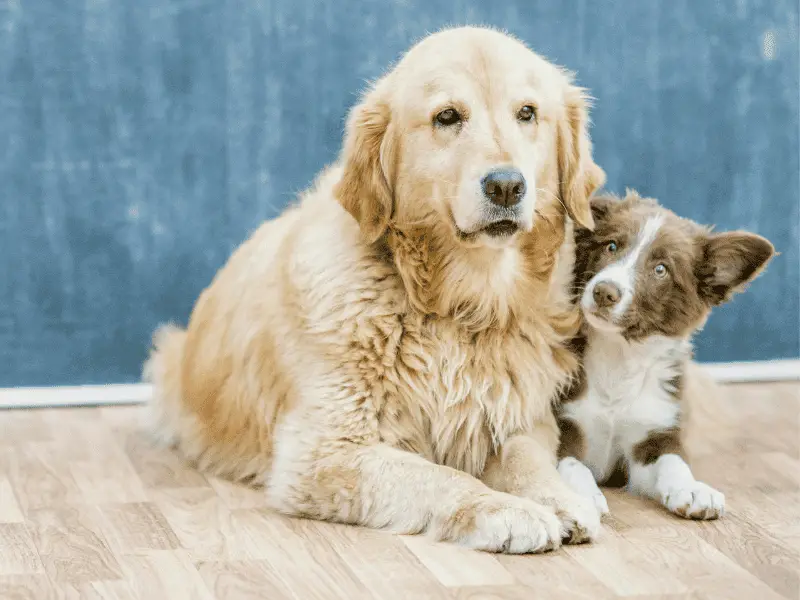
According to Statista, about 1.74 million households in Germany have two dogs. You would like to be one of them too, but you are concerned about your first dog’s age?
People often say that older dogs have trouble adjusting to change. On the other hand, dogs are pack animals. So a fellow dog in the household should only be a plus, right?
Here you will learn the pros and cons of getting a second dog, and what to pay attention to when your first dog is already older. I will also share how to make the introduction of your second dog a success.
Getting a second dog with an older dog: in a nutshell
An older dog can live with another dog if they get along well. Their age gap should not be more than five years. Do not underestimate the costs and time that come with a second dog. Take the introduction slowly and do not leave the dogs alone, even if they seem to get along.
Can I bring a second dog into my home with my older dog?
There is no universal answer to this question. Older dogs can certainly adjust to living with another dog. The plan can also backfire completely. Some dogs simply want to stay the only dog in the home.
For them, social contact on walks is more than enough. You should also weigh the pros and cons beforehand. A second dog brings both.
Advantages
Keeping each other busy
If the dogs get along well, they will tire each other out. They not only play together, they also groom each other and cuddle.
For you, that means you do not have to feel guilty on stressful days when there is no time for long walks. The two of them can just romp around the yard and then go to sleep together.
Double the love
Another dog brings more love into your home. Once the new pup has settled in, hopefully they will love you just as much as your first dog does. And the same goes the other way around.
Your first dog handles part of the training
The first dog is usually the more dominant one. That means they show your second dog the ropes. They not only claim the best sleeping spots for themselves, they will also help train your second dog passively.
Some of this happens all on its own. Since the second dog looks to the first dog for guidance, your first dog passes their training on. Keep in mind this can include quirks too.
If your first dog likes to sneak food off the table, your second dog might not even get the idea until they see it.
Disadvantages
Costs
A second dog naturally means higher costs. You will need toys, harnesses, brushes and so on in duplicate. Do not underestimate food costs either. On top of that come possible expenses for vet visits or insurance.
In Germany, the dog tax also applies to second dogs. Depending on where you live, it can even be twice as high as for the first dog. That is the case in Baden-Württemberg, for example. The tax was also increased some time ago.
A lawsuit in Karlsruhe against this was unsuccessful; the increase is considered proportionate.
Time commitment
Even if the dogs keep each other busy, two dogs are more work than one. You do not necessarily have to go on longer walks since you just take both dogs with you. But cleaning up after two dogs takes more time than cleaning up after one.
During shedding season, your vacuum will barely get a break. There always seems to be a vet visit coming up. And of course you will want to spend time with your pups yourself. Each one should get one on one time. All of that takes time.
Clashing personalities
It can happen that the dogs simply do not get along. If you notice too late or there is an incident, you face a tough decision. Do you try to work on their relationship, or does the second dog unfortunately have to go back?
Before the introduction
Before you decide on a second dog, certain things related to your first dog should be clear. These are
- their basic obedience,
- the possible age gap to the second dog, and
- their temperament and character traits.
Basic obedience
Getting a second dog settled in is exhausting enough. Your first dog should already listen well. That way you prevent dicey situations and only need to focus on the second dog’s obedience. Go over the important cues.
Your pup should have a solid recall, know “stay,” and have an interrupter cue. In general, it is wise that your relationship is close and based on trust. Tricks will not help with the introduction, but they are a sign that you work well together.
Age gap
Do not start visiting the shelters in your area just yet. Otherwise you might fall in love with a dog whose age does not suit your first dog.
The age gap between the two dogs should not be more than five years. Bringing a puppy or adolescent dog into the home with a senior is never a good idea.
The young dog will lack a playmate because the senior cannot physically keep up. The senior would be constantly stressed and annoyed by the youngster who keeps bouncing on them. This combination almost never works out.
It is better when both dogs are fully grown and past their wildest phase. If your dog is a senior, there is nothing wrong with bringing home another older dog.
Thinking about temperament
Think about how you would describe your pup. Wild and dominant? Or rather shy and reserved? Playful and persistent? Or maybe calm and easygoing?
The two dogs do not have to match in every way. But remember: you are choosing a roommate for your dog, and ideally they should get along great. Their temperaments should therefore be a good fit.
Two insecure dogs or two dominant dogs often do not harmonize well together. In those cases, it is better if they differ.
How to make the introduction work
Introducing a second dog to an older dog works the same way as in other setups. It is important that you follow the sequence. You should never just let the dogs run free and hope they like each other right away.
At first, the second dog is an intruder. Your first dog might treat them that way.
How introducing a puppy to an adult dog can work is shown in this video.
Scent phase
Before the second dog is physically present, the dogs should get used to each other’s scent. To do this, exchange blankets, for example. The dogs should not lie on them, but be able to sniff them. Just place them folded up around the home.
Give both dogs a few days to get used to the scent.
Physical separation
After the scent-based introduction comes the first face to face meeting. For this, the dogs should be physically separated but able to see each other. You can do this with baby gates that you clamp into door frames.
If this phase goes well too, meaning the dogs are not growling at each other, take the next step.
Second dog on leash, older dog off leash
Now the dogs can sniff each other without a gate. Keep the new dog on a leash. At first it might be smart if your first dog is also on leash. If the dogs do not like each other after all, you can prevent a fight.
If everything goes smoothly, your older dog gets to come off leash first. The second dog stays leashed so your older dog’s boundaries are respected.
Both dogs off leash
By now, the dogs should know each other well enough to meet without leashes. Do not leave them alone under any circumstances. Even if things have been calm so far, one of them could still get ideas now.
The dogs should be allowed to sniff, they may invite each other to play, or they may simply ignore each other. All of that is okay. The dogs do not have to absolutely adore each other from the start. Polite distance is perfectly fine.
Conclusion
The fact that your first dog is older does not rule out getting a second dog. Their age certainly plays a role when choosing the second dog. Ultimately, what matters more is whether your pup will accept another dog and how well their temperaments fit together.
You should take some time before deciding on a second dog. Weigh the pros and cons and picture different combinations of your dog with another dog. It can also help to watch your pup closely when they play with other dogs. Who do they get along with and who do they not like?
The better you know your dog, the more likely living with a second dog will work out.
Frequently asked questions
How old should the second dog be?
The age gap between the two dogs should not be more than five years.
Which combination is best when you have two dogs?
Whether two same-sex dogs or a male-female pair get along better depends a lot on the dogs’ temperaments. In general, there tend to be fewer conflicts between neutered or spayed dogs.
What speaks against getting a second dog?
A second dog costs money and time, and it can disrupt the relationship with your first dog if the introduction does not go well. Some dogs prefer to remain the only dog and will not accept a second dog at all.