6 Reasons Why Your Old Dog Suddenly Has Bad Breath

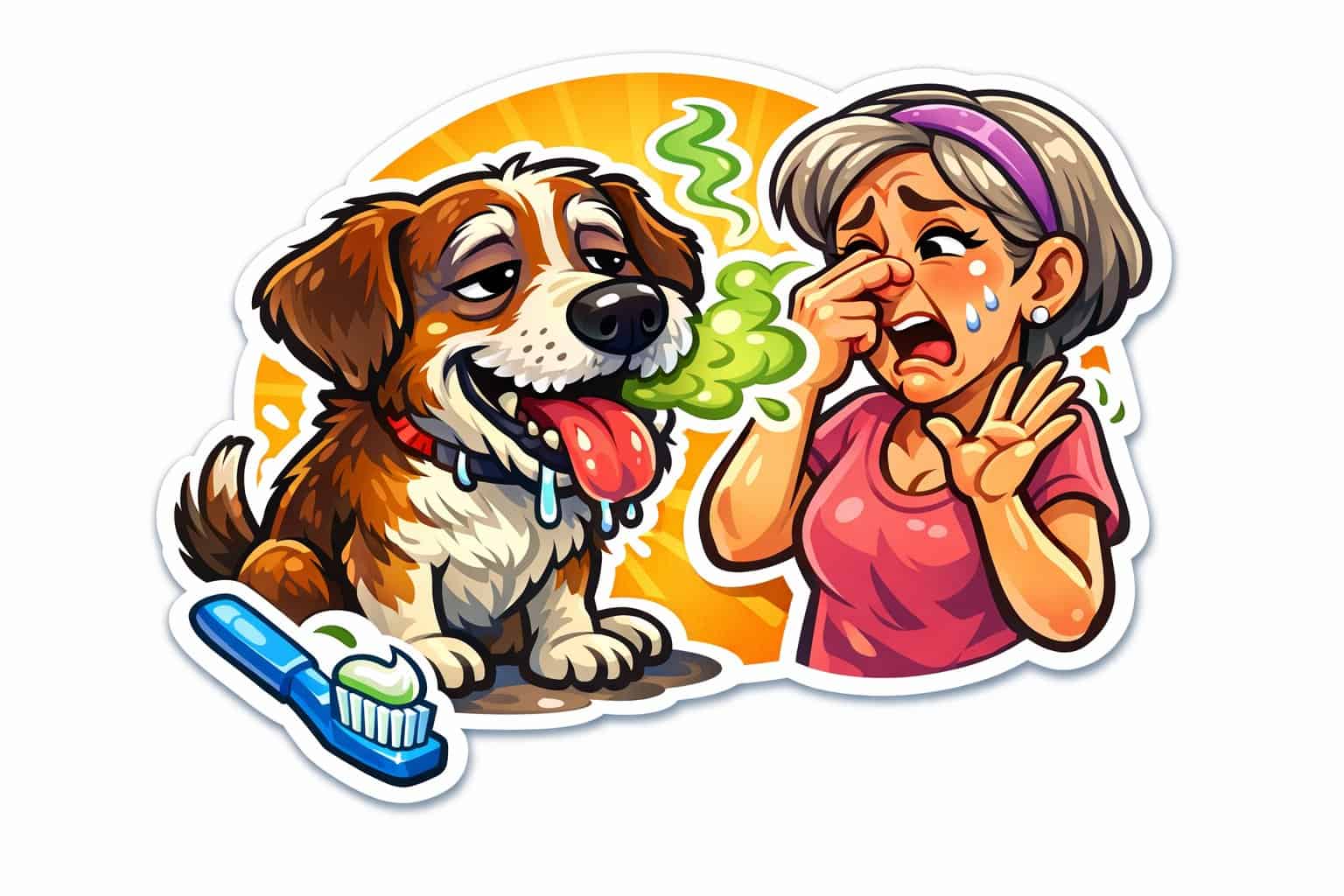
You love your senior dog, but lately their breath has become hard to ignore. When your older dog suddenly develops bad breath, it’s easy to think it’s just part of aging. Bad breath in older dogs is not normal and usually points to an underlying health problem that needs attention.
Several health conditions can cause sudden changes in your dog’s breath. These range from dental problems to issues with internal organs. Some causes are simple to fix, while others need a vet’s help right away.
Understanding why your aging dog’s breath changed can help you take the right steps. This article covers the main reasons behind sudden bad breath and what you can do to help your dog feel better.
1) Periodontal disease causing bacteria buildup
Periodontal disease is one of the most common reasons your older dog’s breath suddenly smells bad. It happens when plaque and tartar build up on your dog’s teeth over time.
Bacteria in your dog’s mouth create this plaque. As the plaque sits on the teeth, it hardens into tartar. This buildup gets under the gumline and causes problems.
Your dog’s mouth is naturally more alkaline than yours. This creates a perfect environment for bacteria to grow and multiply quickly.
When bacteria accumulate, your dog’s body tries to fight back. White blood cells rush to the area to attack the bacteria. This causes the gums to become inflamed and swollen, which is called gingivitis.
The bacteria produce waste products that smell terrible. This is what creates that strong bad breath you’re noticing in your senior dog. The older your dog gets, the more time bacteria have had to build up.
If you’re seeing red gums or noticing your dog eating more slowly, these are warning signs. Bad breath is often the first thing you’ll notice before other symptoms appear.
2) Kidney issues affecting breath odor
When your dog’s kidneys aren’t working properly, their breath can develop a distinct smell. You might notice an ammonia or urine-like odor coming from their mouth. This happens because the kidneys can’t filter out toxins and waste products like they should.
As kidney disease gets worse, a substance called urea builds up in your dog’s body. This buildup creates that strong, unpleasant smell. Some people describe it as fishy or chemical-like.
Bad breath from kidney problems usually comes with other signs too. Your dog might drink more water than usual or need to go outside more often. They could lose interest in food or seem tired and weak.
If your dog’s breath suddenly smells like ammonia, you should contact your vet right away. This type of smell is often a warning sign of serious kidney issues. Your vet can run tests to check kidney function and start treatment if needed.
Keep in mind that kidney disease needs proper medical care. The sooner you catch it, the better your vet can help manage your dog’s condition and keep them comfortable.
3) Liver dysfunction releasing toxins
When your dog’s liver isn’t working properly, it can’t filter out toxins from the bloodstream like it should. These toxins then build up in your dog’s body and can cause bad breath.
The liver does many important jobs in your dog’s body. It cleans the blood and makes proteins your dog needs. When liver disease happens, these functions start to fail.
As toxins collect in your dog’s system, you might notice a strange smell coming from their mouth. This happens more often in older dogs since liver problems become more common with age. The buildup can happen slowly over time or sometimes quickly if your dog ate something harmful.
Other signs of liver problems include vomiting, diarrhea, yellow gums or eyes, and weakness. Your dog might also lose their appetite or seem confused.
If you notice bad breath along with any of these other symptoms, your dog needs to see a vet right away. Liver disease is serious, but it can often be treated if caught early. Your vet can run blood tests to check how well your dog’s liver is working.
4) Oral infections like abscesses or ulcers
Your older dog’s bad breath might come from an infection in their mouth. Abscesses and ulcers are two common types of oral infections that can make your dog’s breath smell terrible.
An abscess forms when bacteria causes a pocket of pus to build up in your dog’s gums or around a tooth root. This infection creates swelling and a very strong, unpleasant odor. Your dog might have trouble eating or show signs of pain when you touch their face.
Mouth ulcers are open sores that can appear on your dog’s gums, tongue, or inner cheeks. These sores happen for different reasons, including injuries, bacterial infections, or other health problems. They can be red, swollen, and painful for your pet.
Both conditions need treatment from your vet. The infection won’t go away on its own and can spread to other parts of your dog’s mouth or body. Your vet will examine your dog’s mouth and may prescribe antibiotics or other medications to clear up the infection and help your dog feel better.
5) Foreign objects stuck in the mouth
Dogs sometimes get things stuck in their mouth that can cause sudden bad breath. Items like sticks, pieces of bone, or bits of toys can wedge between teeth or get stuck in the gums.
When something gets lodged in your dog’s mouth, the smell often appears quickly rather than building up over time. The trapped object can collect bacteria and food particles, creating a strong odor.
You might notice your dog pawing at their mouth or drooling more than usual. Some dogs have trouble closing their mouth properly when something is stuck inside.
Check your dog’s mouth carefully if you can do so safely. Look between the teeth, along the gum line, and at the roof of the mouth. You may spot the foreign object causing the problem.
If you find something stuck in your older dog’s mouth, take them to the vet. Don’t try to remove objects yourself if they’re deeply wedged, as this could cause injury. Your vet has the right tools and training to remove foreign objects safely without hurting your dog.
6) Diet changes leading to digestive upset
When you change your senior dog’s food, their sensitive digestive system might react in ways that affect their breath. Older dogs have more delicate stomachs than younger ones, making them prone to upset when you switch their diet too quickly.
Food changes can disrupt the balance of bacteria in your dog’s gut. This disruption often leads to digestive problems like gas, diarrhea, or stomach upset. These issues can create bad-smelling breath.
Your aging dog’s digestive system works differently now than it did when they were younger. Their body doesn’t adapt to new foods as easily anymore. Even switching between different flavors of the same brand can sometimes cause problems.
If you recently changed what you’re feeding your dog and noticed their breath got worse, the two things might be connected. The digestive upset from the new food could be causing the odor you’re smelling.
You should always introduce new foods slowly over several days. Mix a small amount of the new food with their current food, then gradually increase the new food while decreasing the old. This gives their system time to adjust and helps prevent digestive problems that lead to bad breath.
Sudden Bad Breath in Senior Dogs
Bad breath that appears out of nowhere in your older dog signals that something has changed in their body. Dental disease is usually the main culprit, but other health issues can also cause these new odors.
Common Causes of New Odors
Dental disease is the most frequent reason your senior dog develops sudden bad breath. Plaque and tartar build up on teeth over time, creating a breeding ground for bacteria. These bacteria cause gum inflammation and infection, which produce foul smells.
Kidney problems can make your dog’s breath smell like urine or ammonia. When kidneys fail to filter waste properly, toxins accumulate in the bloodstream and affect breath odor.
Liver disease often causes a sweet or musty smell. Your dog’s liver plays a key role in filtering toxins, and when it struggles, these toxins can create distinctive breath odors.
Diabetes produces a fruity or sweet-smelling breath. This happens when your dog’s body can’t process sugar correctly and starts breaking down fat for energy instead.
Foreign objects stuck between teeth or infections in the mouth can also cause sudden smell changes. Even dietary changes or something your dog ate recently might temporarily affect breath odor.
Why Age Changes Oral Health
Your dog’s mouth becomes more vulnerable as they get older. The immune system weakens with age, making it harder to fight off bacteria that cause dental disease.
Years of chewing and eating wear down tooth enamel. This exposes sensitive inner tooth layers and creates more spots where bacteria can hide and multiply. Older dogs also produce less saliva, which normally helps wash away food particles and bacteria.
Senior dogs often develop gum recession, exposing tooth roots and creating pockets where infection thrives. Many older dogs also have underlying health conditions like kidney disease or diabetes that directly impact breath smell. These age-related changes explain why dental problems progress faster in senior dogs than younger ones.
How to Support Your Aging Dog’s Oral Hygiene
Keeping your senior dog’s mouth healthy requires regular at-home care and knowing when professional help is needed. Simple daily habits can prevent many dental problems, while watching for warning signs helps you catch issues early.
Daily Oral Care Routines
Brushing your dog’s teeth is the most effective way to prevent plaque buildup and gum disease. Use a soft-bristled dog toothbrush and pet-safe toothpaste, never human toothpaste which can be toxic to dogs.
Start by letting your dog taste the toothpaste, then gently lift their lip and brush in small circular motions. Focus on the outer surfaces of the teeth where plaque accumulates most. Aim to brush at least 3-4 times per week, though daily brushing works best.
If your dog won’t tolerate brushing, dental wipes or finger brushes offer easier alternatives. You can also add water additives designed for dental health to their drinking bowl.
Safe dental chews made for senior dogs can help reduce plaque between brushings. Look for products approved by the Veterinary Oral Health Council. Avoid hard bones or antlers that might crack weakened teeth.
When to Consult Your Veterinarian
Schedule a dental checkup at least once a year, or more often if your vet recommends it. Senior dogs may need professional cleanings under anesthesia to remove tartar below the gum line that you can’t reach at home.
Contact your vet right away if you notice bleeding gums, loose teeth, or pus around the teeth. These signs point to advanced gum disease that needs immediate treatment.
Watch for changes in eating habits, like dropping food or chewing on one side only. Persistent bad breath that doesn’t improve with brushing also warrants a vet visit. Your vet can identify infected teeth, oral tumors, or other conditions that cause sudden breath changes in older dogs.