Paws to Tail: The Complete Grooming Checklist for Senior Dogs

As your friend enters their golden years, grooming sessions start to change. Your once-energetic pup might move a bit slower or seem less patient during bath time.
This shift is normal, but it means you’ll need to adjust your approach to keep them comfortable and healthy. Senior dogs need gentle, modified grooming routines that respect their changing bodies and energy levels.
Whether your dog deals with arthritis, skin sensitivities, or just the natural effects of aging, the right grooming checklist makes all the difference. You want to keep them looking and feeling their best from nose to tail.
1) Check Your Senior Dog’s Coat Daily for Mats and Tangles
Your senior dog’s coat needs more attention than it did when they were younger. Their skin gets more sensitive with age, and mats or tangles become especially uncomfortable.
Spend a couple minutes each day running your fingers through your dog’s fur. Focus on spots where mats show up fast:
- behind the ears,
- under the legs,
- and around the collar.
If you find a tangle, work it out gently with your fingers right away. Small tangles can turn into big mats overnight, especially if your dog gets wet.
Older dogs often don’t groom themselves as well. They’re less flexible and may have joint pain that keeps them from reaching certain spots.
Mats pull on your dog’s skin and can cause sores underneath. If you spot redness or irritation under a mat, call your groomer or vet.
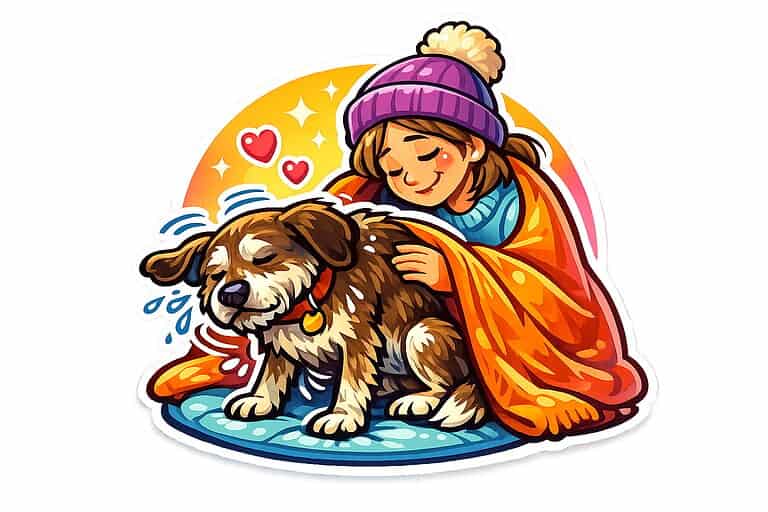
Keep your dog’s coat dry after walks in rain or snow. Damp fur tangles much faster, and those tangles tighten as they dry.
2) Choose a Soft-Bristle Brush
Your senior dog’s skin gets more sensitive with age. The right brush really matters for their comfort.
The Hertzko Self Cleaning Slicker Brush has gentle, rounded bristles that won’t scratch or irritate delicate skin. It still removes loose fur and tangles, thankfully.
This brush works for both long and short-haired dogs, so you don’t need a pile of tools. The self-cleaning feature saves time. just push the button and fur pops right off.
Shorter cleanup means shorter sessions, which is great for dogs who tire easily or get restless. If your dog gets antsy during grooming, this helps a lot.
The brush removes mats gently without pulling. Many senior dogs start to enjoy grooming again once it stops hurting.
3) Trim Nails Carefully
Senior dogs‘ nails keep growing, even as they slow down. Less activity means less natural wear, so nails get long fast.
Long nails can curl under and dig into paw pads, making walking painful. Your dog might limp or avoid walks altogether.
The Safari Professional Nail Trimmer makes the job easier. Its sharp stainless steel blades cut cleanly, and the non-slip grip gives you control.
Look for the pink quick inside the nail. Never cut into it, it hurts and bleeds. If your dog has dark nails, trim little bits at a time.
Hold your dog’s paw gently but firmly. Make a quick, confident cut at the nail tip.
If the nails are very long, don’t try to fix them in one go. Trim a bit each week until they reach the right length.
4) Clean Ears Weekly
The ears need weekly attention. Older dogs get ear problems more often, so staying on top of this helps catch issues early.
Pick up a vet-approved ear cleaner. These are gentler than homemade solutions and made for sensitive dog ears.
Lift your dog’s ear flap and squeeze cleaner into the ear canal. Don’t stress about using too much, excess comes out naturally.
Gently massage the ear base for about 30 seconds. You’ll hear a squishing sound; that’s normal.
Let your dog shake their head to remove loosened wax and debris. Use a cotton ball to wipe away what you see in the outer ear.
Watch for strong odors, dark discharge, or lots of wax. These could signal an infection and need your vet’s attention.
If your dog has floppy ears or allergies, you may need to clean more often.
5) Brush Teeth Regularly With a Pet-Safe Toothpaste
Senior dogs need extra dental care. Like us, as they age, dental problems become more likely.
If your dog’s breath has gotten stronger, plaque and tartar might be building up. Regular brushing with pet-safe toothpaste makes a big difference.
Never use human toothpaste! It’s not safe for dogs! Virbac C.E.T. Enzymatic Toothpaste is a favorite among vets and uses enzymes to break down plaque.
Start slow if your dog isn’t used to brushing. Let them sniff and taste the toothpaste first. Most dogs like the poultry or vanilla flavors.
You can use a regular dog toothbrush or try a finger brush. Consistency matters more than perfection.
Aim for daily brushing, but even a few times a week helps. If your dog won’t tolerate brushing, ask your vet about dental chews or water additives.
6) Bathe Only When Necessary With Gentle Shampoos
Senior dogs don’t need as many baths as you might think. Their skin gets delicate and dries out easily.
Too many baths strip away natural oils. Only bathe your senior pup when they’re truly dirty or smelly.
When it’s bath time, pick a gentle, sensitive-skin shampoo. Earthbath Oatmeal & Aloe is a solid choice.
This shampoo soothes irritated skin and is soap-free, so it won’t dry out your dog’s skin. Look for „hypoallergenic“ or „for sensitive skin“ labels, and avoid harsh chemicals or strong fragrances.
If your senior dog’s skin feels thinner or more tender, that’s normal. Gentle products matter even more now.
Keep baths short and use lukewarm water. Rinse out all shampoo quickly for your dog’s comfort.
7) Inspect Paws and Pads for Cracks or Foreign Objects
Senior dogs with arthritis can’t groom their own paws as well. Stiff joints make it tough to reach and clean their feet.
Become your dog’s personal paw inspector. Check each paw daily for cracks, cuts, or swelling on the pads.
If your senior dog limps, check for a small stone or debris between their toes. Gently spread each toe and look for thorns, glass, or even ice balls in winter.
Remove anything you find with tweezers. Watch for dry, cracked paw pads, these hurt and make walking tough.
If your dog starts licking their paws a lot, that’s usually a sign of a problem. Don’t ignore it.
Deep cuts or severe cracking mean it’s time to call your vet. Minor issues can often be treated at home with pet-safe moisturizers.
Regular paw checks matter even more as your dog ages. With less mobility, small problems can get big fast.
8) Check Eyes Daily for Redness, Discharge, or Cloudiness
Your senior dog’s eyes need a quick look every day. Just glance at their face in the morning and see how their eyes look.
Watch for red eyes, discharge, or cloudiness. Redness can mean irritation or infection. Discharge or „eye goobers“ could signal trouble. Cloudy eyes often point to cataracts or other serious problems.
If your dog squints or one eye looks different, take note. These changes happen slowly, so daily checks help you catch problems early.
Older dogs get more eye issues than younger ones. Their bodies can’t fight infections as well, and cataracts become more common.
If you see changes, call your vet right away. Quick treatment can prevent vision loss.
A few seconds each day could save your dog’s sight.
9) Break Grooming Sessions Into Shorter, Calmer Segments
Senior dogs don’t have the energy they used to. Long grooming sessions can leave them exhausted or stressed.
Would you want a full makeover when you’re already tired? Probably not.
Break grooming into 15-20 minute chunks. Maybe you’ll trim nails on Monday and brush their coat on Wednesday.
This gives your dog time to rest between sessions. It also keeps them from getting overwhelmed.
If your dog pants, gets restless, or tries to move away, that’s a sign to take a break.
Many dogs actually enjoy these shorter sessions more. They stop associating grooming with stress.
Try grooming after your dog has rested. Tired senior dogs have even less patience for brushing and nail trims.
10) Create a Safe, Comfortable Spot With a Grooming Table or Non-Slip Mat
Older dogs‘ joints aren’t what they used to be. Standing on slippery floors during grooming can make them anxious.
A grooming table gives your senior dog a secure, dedicated spot. The raised surface puts them at a good height for you, so you don’t have to bend over.
If a grooming table isn’t in the cards, use a non-slip mat. Place it on any flat surface where you groom your dog.
The textured surface gives their paws something to grip, which helps prevent slips. Mats with cushioning help arthritic dogs stand more comfortably.
Your dog will learn that this spot means grooming time. Consistency helps reduce stress.
Some mats are waterproof, which makes cleanup easier if things get messy. The right surface really does make a difference for your senior dog’s comfort.
Understand Your Old Dog’s Unique Grooming Needs
Your older dog’s body changes as they age. Their skin gets more sensitive, and their coat may thin or become coarser.
Have you noticed your senior dog moving slower lately? Stiff joints from arthritis might make it painful to stand for long grooming sessions.
Physical limitations pop up more often as dogs age. Your dog may struggle to lift their legs for nail trims or feel uncomfortable bending certain ways.
What used to be a 30-minute grooming session might work better as two 15-minute ones. Increased sensitivity means your dog’s skin bruises more easily now.
Their bones sit closer to the surface, so use lighter pressure when brushing and be extra gentle around bony spots. Health conditions like heart disease or breathing problems can make grooming stressful, too.
If your dog pants heavily or tires quickly, take frequent breaks. Some meds even make dogs more sensitive to temperature changes during baths.
Senior dogs might also feel more anxious about grooming. Maybe they’ve had a bad experience, or their hearing and vision changes make them startle easier.
Common Age-Related Skin and Coat Changes
Your dog’s coat tells a story about their health, especially as they get older. These changes are normal, but they call for different grooming approaches.
Thinning coat starts when hair follicles produce less fur. You might spot bald patches or see more of your dog’s skin showing through.
This usually means you’ll spend less time brushing, but you’ll need to watch out for sunburn and help your dog stay warm.
Dry, flaky skin shows up when oil glands don’t make as much moisture. You might notice your dog scratching more or even see dandruff.
Brushing helps spread out those natural oils, but sometimes you’ll want to reach for a special moisturizing shampoo.
Graying fur around the muzzle and eyes is just part of aging. These lighter hairs can get brittle, so go easy when cleaning your dog’s face.
Skin tags and lumps pop up more often in older dogs. Most aren’t a big deal, but check with your vet about any new growths.
Be gentle when brushing near bumps so you don’t irritate the skin.
Slower coat growth means it takes longer for cuts and scrapes to heal and for fur to grow back.
Build a Calm and Comfortable Grooming Routine
Senior dogs need extra patience and the right tools to feel comfortable during grooming. A stress-free environment and gentle equipment really change the whole experience.
Help Your Dog Feel Safe During Grooming
Older dogs sometimes get anxious about grooming, especially if they have sore joints or sensitive skin. Pick a quiet room where your dog already feels safe.
Maybe you’ve noticed your senior dog gets nervous around loud noises? Turn off the TV and close windows to keep things peaceful.
Set up a comfortable space by laying down non-slip mats on the floor or grooming table. If your dog’s joints are stiff, help them get into position slowly. There’s really no need to rush.
Try short grooming sessions at first. Five or ten minutes might be all your dog wants in the beginning.
You can always extend the time as your dog relaxes more.
Use positive reinforcement during grooming. Offer treats and gentle praise when your dog stays calm.
This helps them see grooming as something good.
If your dog gets tired or stressed, just take a break. Older dogs need more downtime than the youngsters.
Sometimes splitting up grooming into two shorter sessions works out way better.
How to Choose the Right Grooming Tools for Seniors
The tools you used when your dog was younger might not work so well now. Senior dogs usually have thinner skin and more sensitive spots that need a softer touch.
Soft-bristled brushes feel much better for older dogs. Hard bristles can hurt delicate skin or poke bony spots like hips and shoulders.
Here are the must-have tools for senior dog grooming:
- Slicker brush with flexible pins: easier on sensitive skin
- Wide-tooth metal comb: gets through mats without tugging
- Nail clippers for seniors: better grip and control, which is a lifesaver
- Non-slip bath mats: help keep your dog steady in the tub
- Handheld shower head: lets you control the water without fuss
Pick nail clippers with care. Maybe your hands aren’t as steady as they used to be, and older dogs often have thicker nails. Guillotine-style clippers usually work better than the scissor type for seniors.
If you can, get a grooming table with adjustable height. It saves your back and makes it so much easier to reach all those tricky spots without bending over forever.