How to Choose the Right Senior Dog Food


Your aging friend isn’t the same energetic pup who could eat anything and bounce back instantly. As dogs get older, their bodies change in ways that affect how they process food and what nutrients they need most.
Maybe you’ve noticed your senior dog moving a bit slower, sleeping more, or showing less interest in their usual kibble. The right senior dog food can really support your older dog’s joint health, digestion, energy, and overall quality of life.
But walking down the pet food aisle? It’s overwhelming. There are countless bags, all promising to be the perfect solution for your aging companion.
Choosing the best food for your senior dog doesn’t have to be complicated. Once you know what to look for, from changing nutritional needs to working with your vet on health-specific diets, you can make decisions that help your dog feel their best for years to come.
Senior Dogs’ Nutritional Needs
As your dog enters their golden years, their body just works differently. Their metabolism slows, health conditions may pop up, and getting the right balance of nutrients becomes more important than ever.
Aging Changes Your Dog’s Diet
Your senior dog’s body doesn’t process food like it used to. Their metabolism naturally slows down, so they burn fewer calories each day.
Most older dogs need about 20-30% fewer calories than adult dogs. If you keep feeding the same amount, your dog will likely gain weight, which puts extra stress on aging joints and organs.
Their digestive system changes too. Maybe your dog struggles with foods they used to eat easily.
Their stomach produces less acid, so breaking down proteins gets harder. Kidney function often declines with age, meaning your dog can’t filter waste products as well.
They may need foods with modified protein levels to reduce strain on their kidneys. Senior dogs also absorb nutrients less efficiently.
Even if they eat the same food, their body might not get all the vitamins and minerals it needs.
Common Health Issues in Older Dogs
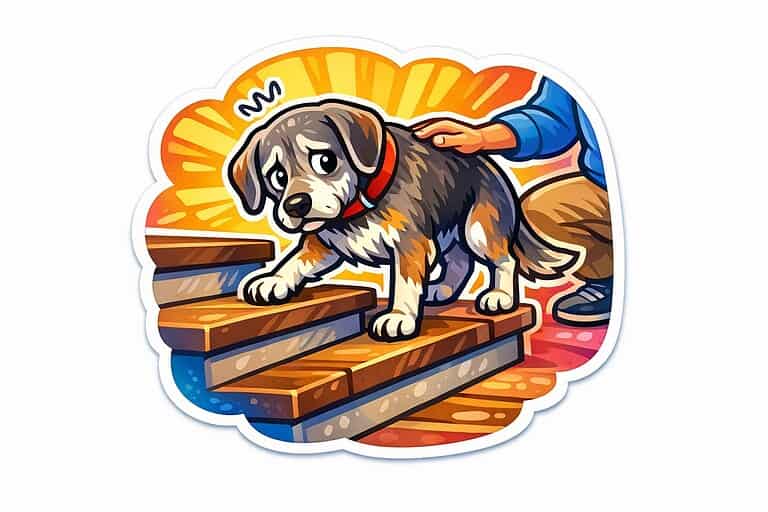
Arthritis affects most senior dogs. You’ve probably seen your dog move more slowly or struggle with stairs.
Omega-3 fatty acids can help reduce joint inflammation and pain. Many older dogs develop heart problems, so diets lower in sodium can help reduce strain on their heart.
Your vet might recommend foods with heart-supporting nutrients. Cognitive decline is real—some dogs get confused or forget their training.
Antioxidants and certain fatty acids may help support brain function. Dental problems show up more often too.
If your dog has trouble chewing, softer food or smaller kibble sizes might help. Constipation is another common issue.
Senior dog foods usually contain more fiber to keep things moving, and probiotics can support digestive health.
Why Nutritional Balance Matters More Now
Your senior dog’s body has less room for error than it used to. Getting the right nutrients isn’t just about feeling good anymore—it’s about managing health conditions and keeping that quality of life.
Protein gets tricky. Too little, and your dog loses muscle mass. Too much, and you might stress their kidneys.
The exact amount depends on your dog’s health status, so your vet’s input matters. Antioxidants like vitamin E and vitamin C help fight cellular damage from aging.
Think of them as your dog’s internal bodyguards. Joint support ingredients like glucosamine and chondroitin can help maintain cartilage.
They won’t cure arthritis, but they might slow it down. Senior dogs also need careful portion control.
Even a little extra food can cause weight gain with a slower metabolism. Foods that pack more nutrition into fewer calories are key.
Your senior dog needs concentrated goodness in every bite.
Key Ingredients to Look for in Senior Dog Food
Your senior dog’s nutritional needs shift as they age. You want high-quality protein for muscle, good fats for joints and brain, fiber for digestion, and essential vitamins and minerals.
#1: High-Quality Protein
Does your older dog seem less energetic? Protein matters more as dogs age because they need it to maintain muscle mass.
Senior dogs actually need more protein per pound of body weight than younger dogs. Their bodies just don’t process protein as efficiently.
Look for named meat sources as the first ingredient—chicken, beef, salmon, or lamb. Skip generic terms like “meat meal” or “poultry by-product.”
Some great protein sources:
- Deboned chicken or turkey
- Fresh fish like salmon or whitefish
- Lamb or beef
- Eggs
Your dog’s muscles naturally weaken with age. It’s similar to how your grandparents might need more protein to stay strong.
Aim for dog foods with 25-30% protein content for most senior dogs. If your dog has kidney issues, check with your vet about the right amount.
#2: Beneficial Fats and Omegas
Have you noticed your senior dog moving more slowly? Omega-3 fatty acids can help reduce joint inflammation and keep their brain sharp.
EPA and DHA are the most important omega-3s for dogs, and you’ll mostly find them in fish oil or algae. Your dog’s coat might look duller as they age—good fats help keep it shiny.
Key fats to look for:
- Fish oil (salmon, herring, sardines)
- Flaxseed oil
- Chicken fat (named sources)
- Coconut oil
If your dog isn’t as active, avoid foods with too much fat. Senior dogs often need 8-12% fat content, not the 15-20% you see in adult foods.
Omega-6 fatty acids are important too, but most commercial foods already have plenty. The trick is balancing omega-3 and omega-6.
#3: Fiber for Digestion Support
Is your senior dog having bathroom troubles? Fiber helps keep their digestive system running smoothly as their metabolism slows.
Senior dogs often deal with constipation or loose stools. The right amount of fiber can help with both.
Good fiber sources:
- Sweet potatoes
- Pumpkin
- Brown rice
- Beet pulp
- Chicory root
Look for foods with 3-5% fiber content. Too little won’t help digestion, but too much can cause gas and loose stools.
Prebiotics are special fibers that feed the good bacteria in your dog’s gut. Ingredients like chicory root and fructooligosaccharides support healthy digestion.
Some senior dogs benefit from probiotics too. These are the actual good bacteria that help break down food and support immune health.
#4: Vitamins and Minerals
Your aging dog’s body just doesn’t absorb nutrients as well as before. Antioxidants become crucial for fighting the effects of aging.
Important vitamins for seniors:
- Vitamin E – protects cells from damage
- Vitamin C – supports immune system
- B vitamins – help with energy and brain function
- Vitamin A – keeps eyes and skin healthy
Essential minerals include:
- Glucosamine and chondroitin for joint health
- Calcium and phosphorus for bone strength
- Zinc for skin and coat health
Many senior dog foods are fortified with extra antioxidants. Look for ingredients like blueberries, spinach, carrots, and sweet potatoes.
Joint supplements are often built into senior formulas. You might see glucosamine, chondroitin, or even green-lipped mussel.
Does your dog seem confused sometimes? DHA supports brain health and may help with cognitive function as dogs age.
Types of Senior Dog Food and Their Benefits
Senior dogs have different nutritional needs than younger pups. The type of food you pick can really affect their comfort and health.
Texture, ingredients, and formulation all play important roles in supporting your aging companion.
Dry Kibble vs. Wet Food: What’s Best?
Have you watched your senior dog struggle with kibble? As dogs age, their teeth and gums often get more sensitive, making hard kibble tough to chew.
Wet food offers several advantages for older dogs. The soft texture is easier to chew and swallow.
It also contains more moisture, which helps keep your dog hydrated. Senior dogs often drink less water than they should.
Dry kibble isn’t necessarily bad for seniors. If your dog still enjoys crunching their food and has healthy teeth, kibble can help maintain dental health by reducing tartar.
Many pet parents use a combination approach. Try mixing wet food with kibble for the best of both worlds.
Or add warm water to dry kibble—it softens the food and makes it smell stronger, which can entice dogs with a reduced appetite.
If your dog has trouble eating, talk to your vet about possible dental issues that might need treatment.
Grain-Free or Whole Grains?
The grain-free trend has a lot of dog owners wondering what’s best for their senior pup. Honestly, most older dogs digest grains just fine, unless they have a specific allergy or sensitivity.
Whole grains like brown rice, oats, and barley provide valuable nutrients and fiber. They can support digestive health in senior dogs who deal with slower digestion.
Grain-free options use alternatives like sweet potatoes, peas, or lentils for carbs. These can be good choices if your dog has grain allergies or sensitivities.
Some grain-free foods have been linked to heart problems in dogs, though. The FDA is still looking into it, so it’s worth discussing with your vet.
Signs your dog might need grain-free food:
- Skin irritation or excessive scratching
- Digestive upset after meals
- Confirmed grain allergy from vet testing
Unless your dog shows clear signs of grain sensitivity, whole grain options are usually safe and nutritious for seniors.
Limited Ingredient Diets for Sensitive Seniors
Does your older dog seem to have a sensitive stomach these days? You’re not alone, many senior dogs develop food sensitivities or digestive issues as they get older.
Limited ingredient diets contain fewer components, making it easier to spot what might be bothering your dog’s tummy. These foods typically feature one protein source and a minimal number of other ingredients.
Benefits of limited ingredient foods:
- Easier to digest
- Lower chance of triggering food allergies
- Helpful for identifying problem ingredients
- Often gentler on sensitive stomachs
Common single protein sources include duck, salmon, lamb, or venison. These are often easier on the digestive system than chicken or beef, which some dogs develop sensitivities to over time.
If your senior dog frequently has loose stools, gas, or seems uncomfortable after eating, a limited ingredient diet might help. Switch gradually over 7-10 days, mixing increasing amounts of the new food with their current diet.
Sudden dietary changes can upset any dog’s stomach, so patience really is key when transitioning your senior companion to new food.
Practical Tips for Choosing the Right Senior Dog Food
The secret to picking great senior dog food? Understand ingredient labels, see through marketing tricks, and make meal plans that fit your dog’s specific needs.
These practical steps help you make choices that actually benefit your aging companion.
Reading and Understanding Ingredient Labels
Start by checking the first five ingredients on any dog food label. These make up most of what your dog will eat.
Protein sources should be specific and named. Look for “chicken,” “salmon,” or “beef” instead of vague terms like “meat meal” or “poultry by-products.”
High-quality senior foods list real meat as the first ingredient. Your older dog still needs protein to maintain muscle, even if they’re less active.
Avoid these red flags on ingredient lists:
- Generic terms like “animal fat”
- Excessive grain fillers (corn, wheat, soy)
- Artificial colors (dogs don’t care about colorful food)
- Too many preservatives
Check the guaranteed analysis percentages. Senior dogs typically need 18-25% protein and moderate fat levels around 8-15%.
If you see ingredients you can’t pronounce, look them up. Some complex names are beneficial nutrients, while others might be unnecessary additives.
Decoding Marketing Claims
Don’t let fancy packaging trick you. Words like “premium,” “holistic,” or “gourmet” aren’t regulated and don’t guarantee quality.
Look for meaningful certifications instead:
- AAFCO (Association of American Feed Control Officials) statement
- “Complete and balanced” nutrition claim
- Specific life stage formulation
The phrase “made with real chicken” can be misleading. It might mean only a tiny amount of chicken was used, so check where chicken appears on the ingredient list.
“Grain-free” isn’t automatically better for senior dogs. Some older dogs digest grains just fine, and grain-free foods have been linked to heart issues in certain cases.
Be wary of foods claiming to cure specific health problems. Only your vet can recommend therapeutic diets for medical conditions.
Price doesn’t always indicate quality. Some expensive foods are mostly marketing, while some reasonably-priced options offer excellent nutrition.
Sample Diet Plans for Senior Dogs
Here’s what a typical day might look like for different senior dogs.
Small Senior Dog (10-20 lbs)
- Morning: 1/4 cup senior formula kibble
- Evening: 1/4 cup kibble with 1 tbsp wet food
- Treats: Small training treats, but keep them under 10% of daily calories
Medium Senior Dog (30-50 lbs)
- Morning: 3/4 cup senior kibble
- Evening: 3/4 cup kibble with green beans or carrots
- Optional: Small dollop of plain Greek yogurt
Large Senior Dog (60+ lbs)
- Morning: 1.5 cups senior formula
- Evening: 1.5 cups with joint-supporting supplements
- Snacks: Raw carrots or apple slices, but always remove the seeds
For dogs with sensitive stomachs, try smaller, more frequent meals. Split the daily amount into three portions instead of two.
These are just starting points. Your dog’s activity, health, and metabolism will change what they need.
Transition to new foods slowly over 7-10 days. Each day, mix in a little more of the new food and a little less of the old to avoid stomach upset.
How to Introduce New Food to Your Senior Dog
Switching foods with older dogs takes patience. Seniors need slower transitions and more careful watching for tummy troubles or reactions.
How to Transition Gradually
Your senior dog’s digestive system just isn’t what it used to be. Sudden food changes can cause upset stomach, diarrhea, or total food refusal.
Start with a 7-10 day transition plan. This lets your dog’s gut adjust without too much stress.
Here’s a simple way to do it:
| Day | Old Food | New Food |
|---|---|---|
| Days 1-3 | 75% | 25% |
| Days 4-6 | 50% | 50% |
| Days 7-9 | 25% | 75% |
| Day 10+ | 0% | 100% |
Mix the foods so your dog can’t just pick out the old stuff. If you see any tummy trouble, slow down the switch.
Some seniors need even longer. If it takes 14 days, that’s fine—there’s really no rush.
Spot Food Sensitivities or Allergies
Senior dogs can suddenly react to foods they’ve eaten for years. Watch for these signs during any food transition.
Digestive symptoms like loose stools, gas, vomiting, or not wanting to eat usually show up within a day or two.
Skin reactions might take longer. Check for lots of scratching, red skin, hot spots, or random ear infections.
Behavior changes can hint at food problems too. Is your dog suddenly tired or not interested in eating?
If you spot any of these, go back to the previous food ratio. Wait for symptoms to clear before trying again, and go even slower.
A simple food diary helps. Jot down what your dog eats and any odd symptoms.
Encouraging Picky Eaters
Is your senior dog turning up their nose at dinner? You’re definitely not the only one dealing with this.
Warm the food a bit to boost the smell. Seniors lose some sense of smell, so a few seconds in the microwave can make a big difference.
Add a little plain chicken broth or a spoonful of wet food. Sometimes that’s all it takes to get them interested.
Try smaller, more frequent meals instead of one big bowl. Some seniors feel overwhelmed by a large serving.
Make mealtimes special by hanging out nearby while your dog eats. Your company can actually encourage them to eat.
If your dog skips food for more than a day, call your vet. Seniors can’t afford to miss meals like younger dogs.
Work with Your Veterinarian
Your vet is your best resource when you’re choosing food for your senior dog. They know your dog’s history and can catch things you might not notice.
When to Seek Professional Advice
Talk to your vet before you switch to senior food. Not every older dog needs a senior formula right away. Your vet will let you know if your 7-year-old Golden really needs it yet, or if your 10-year-old mix can stick with adult food.
If your dog starts drinking more or eating less, let your vet know. Sometimes food changes help, but your vet will want to rule out kidney issues, diabetes, or other health concerns first.
Book a senior wellness exam every six months. Ask about your dog’s weight and body condition at these checkups. If your dog has gained weight, you might need a weight control formula.
If your dog has trouble chewing, your vet can suggest softer foods. They’ll also check for dental pain that could make eating tough.
For dogs that seem confused or restless at night, some nutrients might help their brain. Your vet can tell you which ingredients are actually helpful and which are just marketing fluff.
Adjusting Food for Prescription Diets
Prescription diets are different from regular senior foods. If your dog has kidney disease, heart problems, or serious arthritis, your vet might prescribe a special food. These have specific nutrients that regular foods just can’t match.
You can’t buy prescription diets at regular pet stores. You’ll need to get them from your vet or a pharmacy with a prescription. Don’t try to find a „close enough“ match at the store—it won’t have the right formula.
Follow feeding instructions exactly. Prescription diets often need different portions than regular food. Your vet will calculate the right amount based on your dog’s weight and health.
Wondering if treats are okay with prescription food? Check with your vet first. Some diets are strict, while others allow a few approved treats.
If your dog refuses the prescription food, let your vet know. They might have tips or other flavors to try.
Troubleshooting Common Feeding Challenges
Older dogs run into eating problems that can stress out any pet parent. Loss of appetite and tummy sensitivities are especially common when switching or maintaining a senior diet.
Loss of Appetite in Older Dogs
Has your food-loving dog suddenly turned picky? It’s a common worry.
Dental pain is a hidden cause of appetite loss. Sore teeth or gums make chewing kibble miserable. Try softening dry food with warm water or use wet food for a bit.
Seniors lose some sense of taste and smell, which makes food less exciting. You can help by:
- Warming food to boost aroma
- Adding a splash of low-sodium bone broth
- Mixing in a little plain cooked chicken
- Using puzzle feeders for more engaging meals
Medical issues like arthritis can make bending to eat painful. Raising the food bowl to shoulder height can really help.
If your dog won’t eat for more than a day, call your vet. Sometimes appetite loss means something more serious is going on.
Gastrointestinal Upset and Food Changes
If you switch your senior dog’s food too fast, you’ll probably notice stomach problems. As dogs age, their digestive systems tend to get touchier.
It’s really important to make food changes slowly. Start by mixing in about 25% new food with 75% of the old for a couple of days. After that, try a 50-50 blend for a few more days before going all in with the new food.
Loose stools, vomiting, or extra gas usually mean your dog’s not handling the change well. When you see those signs, just slow down or maybe try a different formula.
Some older dogs suddenly develop food sensitivities they never had. Limited ingredient diets can help you figure out what’s causing trouble. Foods with just one protein source, like lamb or fish, are a good place to start.
For sensitive stomachs, smaller and more frequent meals usually work better. Try splitting food into three smaller meals instead of two big ones each day.