How often should you really walk your old dog?

Your dog has slowed down, but those daily walks still matter. Senior dogs need movement to stay comfortable, alert, and calm. The challenge is knowing how much is helpful and how much is too much.
Most old dogs do best with one or two short walks each day, usually 15 to 30 minutes total, based on their health and energy. You may need to change pace, distance, or timing to match how your dog feels now, not how they walked years ago.
This guide helps you spot what your dog needs today. You will learn how to adjust walks, watch for warning signs, and support your dog’s comfort and quality of life as they age.
Senior dogs still need regular walks to stay mobile, alert, and calm. The right schedule depends on health, comfort, and daily energy, not on age alone.
Daily Walking Guidelines for Senior Dogs
Most older dogs do best with short, frequent walks instead of long ones. You usually want 2–4 walks per day, each lasting 10–30 minutes.
| Dog Condition | Suggested Walk Schedule |
|---|---|
| Healthy senior | 2–3 walks, 20–30 minutes |
| Mild stiffness or arthritis | 2–4 walks, 10–20 minutes |
| Limited mobility | Several brief walks, 5–10 minutes |
You should keep a steady pace and allow sniffing breaks. These pauses support mental health without adding strain.
Walking can also support appetite and digestion. Many senior dogs eat better after light movement.
Factors That Affect Walking Frequency
Your dog’s health plays the biggest role. Arthritis, heart disease, vision loss, or breathing issues often require shorter walks.
Weather matters more as dogs age. Cold, heat, and slippery ground can worsen joint pain or raise fall risk.
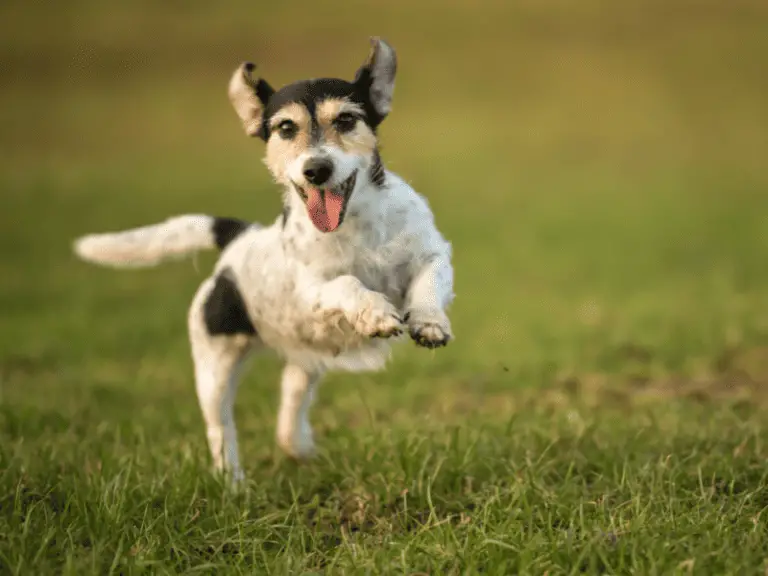
Breed and size still count in old age. Larger dogs may tire faster, while smaller dogs may handle more short outings.
Always adjust based on guidance from your veterinarian. They can help you set safe limits and avoid pain.
Signs Your Old Dog Needs More or Less Walks
Your dog shows they need more walks when they pace, seem restless, or gain weight. Mild stiffness that eases after moving also points to benefit from regular walks.
Your dog needs less walking if you see limping, heavy panting, or lagging behind. Stopping often or refusing to move also matters.
Watch behavior after walks. Soreness that lasts into the next day signals that the walk was too long.
You should adjust time, pace, or number of walks as these signs change.
Adapting Walks for Your Senior Dog
Your older dog still needs regular walks, but you need to shape them around comfort and safety. Shorter outings, safe paths, and a slower pace help your dog stay active without pain.
Choosing the Right Walk Duration
You should base walk length on your dog’s health, not age alone. Many senior dogs do best with short, steady walks instead of long ones. Aim for quality time outside, not distance.
Start with 10–20 minutes once or twice a day. Watch how your dog acts during and after the walk. Stiffness, lagging, or heavy panting mean the walk lasted too long.
You can use this simple guide:
| Dog Condition | Suggested Walk Time |
|---|---|
| Mild stiffness | 15–20 minutes |
| Arthritis or joint pain | 10–15 minutes |
| Heart or lung issues | 5–10 minutes |
You can always add time later. It is easier to build up than to recover from a hard walk.
Selecting Safe Walking Routes
You should pick routes that reduce strain on joints and paws. Flat ground works best for senior dogs. Sidewalks, packed dirt trails, and quiet streets offer stable footing.
Avoid steep hills, uneven paths, and loose gravel. These surfaces raise the risk of slips and sore joints. Wet grass and icy pavement also cause trouble, even on short walks.
Choose calm areas with low traffic. Loud noise and fast movement can stress older dogs. Shade matters too, since senior dogs handle heat poorly.
If weather limits outdoor walks, short indoor walks or slow laps in a yard still give your dog movement and mental input.
Adjusting the Pace Based on Mobility
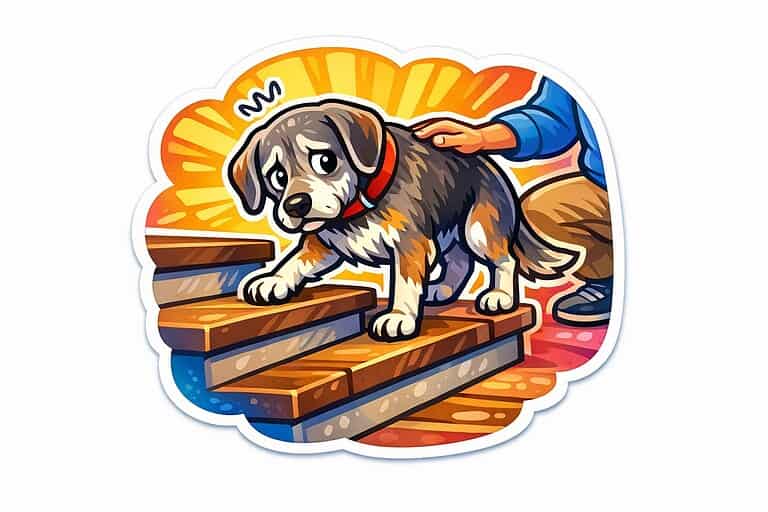
You should let your dog set the pace. Many senior dogs need a slow, steady rhythm to stay comfortable. Pulling or rushing can cause pain.
Watch for signs your dog needs a break:
- Lagging behind
- Limping or stiff steps
- Sitting or stopping often
Stop when you see these signs. A short pause can help your dog finish the walk without strain.
For dogs with mobility limits, support tools can help. A front-clip harness or support sling can reduce pressure on weak joints. Keep leash tension light, and give your dog time to sniff and move at their own speed.