My Senior Dog Eats Fine but Seems Constantly Exhausted: What can I do?


You notice your aging dog still has a good appetite, but they seem tired all the time. They eat their meals without any trouble, yet they sleep more than usual and don’t seem interested in activities they once enjoyed. This can be worrying when you’re not sure if it’s normal aging or something more serious.
While some slowing down is expected as dogs get older, constant exhaustion in a senior dog eating normally can signal underlying health issues like heart disease, thyroid problems, anemia, or pain from conditions like arthritis that need veterinary attention. The key is knowing when your dog’s tiredness is just a natural part of getting older versus when it requires medical care.
Understanding what might be causing your senior dog’s low energy can help you take the right steps. This guide will walk you through warning signs that need urgent care, how to tell the difference between lethargy and normal aging, common health reasons for exhaustion, what your veterinarian might check, and ways you can support your dog at home to improve their comfort and quality of life.
When Your Dog’s Exhaustion Can’t Wait
Some signs of exhaustion in your senior dog need immediate attention, while others require same-day veterinary evaluation. Knowing the difference can help you act quickly when your older dog’s health is at risk.
Emergency Signs That Require Immediate Help
Take your senior dog to an emergency vet right away if you notice collapse or severe weakness where your dog cannot stand. Pale gums often signal anemia or poor blood flow, which are serious problems in older dogs.
Labored breathing or difficulty breathing requires immediate veterinary care. Your dog might breathe rapidly, gasp for air, or show effort with each breath.
Additional emergency signs include:
- Severe confusion or disorientation where your dog seems lost in familiar places
- High fever combined with exhaustion
- Repeated vomiting or severe diarrhea that leads to dehydration
- Signs of pain like whining, shaking, or refusal to move
- Extreme lethargy where your dog won’t respond to you or wake up normally
Dogs showing weakness, dehydration, and tiredness need emergency treatment.
When to Arrange a Same-Day Veterinary Evaluation
Schedule a same-day veterinary evaluation if your senior dog shows persistent lethargy that has gotten worse over hours or days. This means your dog stays tired even after rest and shows no interest in normal activities.
Call your vet the same day if your older dog has:
- Mild vomiting or diarrhea along with exhaustion
- Loss of appetite combined with extreme tiredness
- Slight confusion or changes in mental awareness
- Reluctance to move that seems related to pain or discomfort
Your dog might also need same-day care if the exhaustion started suddenly or seems different from normal aging tiredness. Regular veterinary evaluation for senior dogs helps catch health issues early.
Trust your instincts about your older dog’s health. If something feels wrong, contact your vet right away.
Is It Lethargy or Just Normal Aging?
Older dogs naturally slow down as they age, but knowing whether your senior dog is just tired or dealing with a health problem takes careful attention. You need to watch for specific signs that separate normal aging from true lethargy in dogs.
Compare Their Energy to Their Usual Baseline
Every aging dog has their own normal energy pattern. Your dog might have always been a couch potato or an energetic player, so you need to measure changes against their personal history.
Start by tracking what’s typical for your senior dog right now. Notice when they usually get up, how long they walk before wanting to rest, and how much they engage with family members. Write down these patterns for a week or two.
Changes worth noting include sleeping significantly more than usual, refusing activities they normally enjoy, or struggling to get up after rest. Behavioral changes in senior dogs are often subtle at first. A dog with normal age-related tiredness will still show interest in treats, greet you at the door, and perk up for favorite activities even if they tire faster than before.
Clues Your Dog Is Tired Because They Feel Unwell
True lethargy goes beyond normal tiredness. Your dog might show a dull expression, lack of response to things they care about, or complete disinterest in their surroundings.
Physical symptoms often appear alongside problem lethargy:
- Weakness or stumbling when walking
- Dehydration shown by dry gums or skin that doesn’t bounce back when gently pulled
- Breathing changes like panting when resting
- Temperature differences feeling unusually hot or cold
- Loss of appetite or refusing even favorite foods
Problems like cognitive dysfunction can cause dullness and depression in older dogs. Canine dementia may make your senior dog seem exhausted because they’re confused or anxious rather than physically tired. Dogs with cognitive decline might stare at walls, forget familiar routines, or show restlessness at night that leaves them exhausted during the day.
Contact your vet if your dog seems weak, shows reduced appetite along with exhaustion, or stops responding to you normally.
Why Your Senior Dog Eats Fine but Has No Energy
Your senior dog might eat well but still feel tired because of hidden health problems that don’t affect appetite right away. Older dogs often deal with pain conditions, organ diseases, infections, medication issues, or brain changes that drain their energy while leaving their interest in food intact.
Pain, Arthritis, and Mobility Problems
Arthritis is one of the most common causes of fatigue in senior dogs. Your dog’s joints become inflamed and painful, making movement exhausting even when they still enjoy their meals.
Spinal issues like degenerative disc disease can also drain your dog’s energy. The discomfort from back and neck problems makes your dog reluctant to move around, leading to more rest time throughout the day.
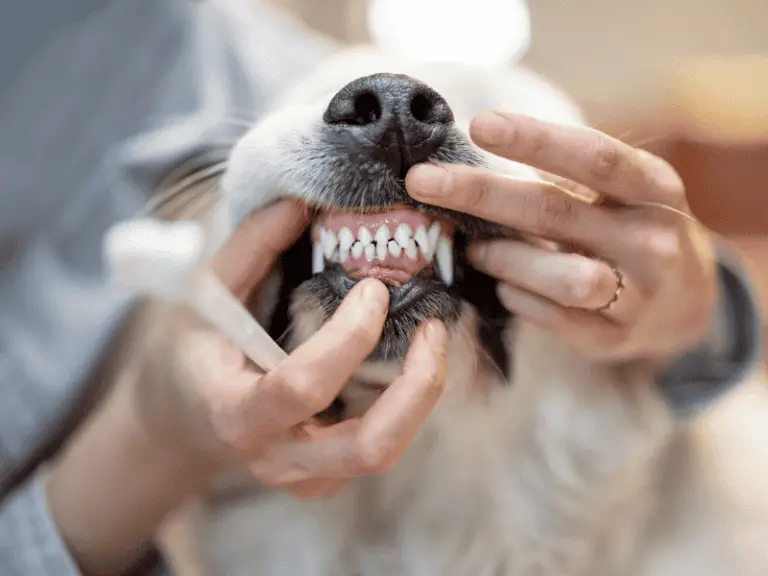
Dental pain might not stop your dog from eating, especially if you feed soft food. However, chronic mouth pain from infected gums or broken teeth creates constant discomfort that wears down your dog’s energy reserves.
Signs of pain-related exhaustion include:
- Reluctance to climb stairs or jump
- Stiffness after lying down
- Less interest in walks or play
- Sleeping more than usual
- Moving slowly or carefully
Heart, Kidney, Liver, and Metabolic Conditions
Heart disease and heart failure reduce the amount of oxygen reaching your dog’s muscles and organs. Your dog tires quickly because their heart can’t pump blood efficiently, even though their appetite may stay normal for months.
Chronic kidney disease causes fatigue by allowing waste products to build up in your dog’s blood. Your senior dog’s kidneys can’t filter toxins properly, leading to weakness and lethargy that gets worse over time.
Liver disease affects energy levels because the liver plays a key role in processing nutrients and removing toxins. When your dog’s liver doesn’t work well, they feel exhausted despite eating normally.
Diabetes causes tiredness because your dog’s cells can’t use glucose for energy properly. An electrolyte imbalance from any of these conditions can also make your dog feel weak and drained.
Infection, Medication Effects, and Digestive Illness
Hidden infections can sap your senior dog’s energy while leaving their appetite unchanged. Urinary tract infections, skin infections, or internal infections force your dog’s body to work harder, leaving less energy for normal activities.
Antibiotics and other medications your dog takes for chronic conditions often cause fatigue as a side effect. Pain medications, blood pressure drugs, and seizure medications commonly make dogs feel drowsy or less energetic.
GI upset and conditions like pancreatitis might not stop your dog from eating but still cause abdominal pain and discomfort. Your dog feels too tired to be active because their digestive system isn’t working properly or they’re dealing with low-grade nausea.
Cognitive Changes and Poor Sleep
Cognitive dysfunction affects many senior dogs and changes their sleep patterns. Your dog might seem tired during the day because canine dementia causes them to wake up confused at night and pace or wander.
Cognitive decline doesn’t usually affect appetite in early stages, but it does impact energy and alertness. Your dog may sleep more or seem less engaged because their brain isn’t processing information the same way.
Dogs with cognitive problems often experience:
- Confusion or disorientation
- Nighttime restlessness
- Staring at walls or into space
- Getting stuck in corners
- Less response to family members
Poor sleep quality means your senior dog never feels fully rested, leading to constant exhaustion even after eating well.
What Your Veterinarian May Check
A thorough veterinary evaluation helps identify the specific cause of your senior dog’s exhaustion. Your vet will combine information you provide with physical tests and lab work to create a complete picture of your dog’s health.
Track These Details Before the Appointment
Write down specific observations about your dog’s behavior before you visit the vet. Note how many hours your dog sleeps each day and whether they struggle to wake up or seem drowsy after normal rest periods.
Track your dog’s eating and drinking habits. Record if they drink more water than usual or urinate more frequently, as these signs can point to kidney disease or other conditions.
Pay attention to other symptoms like:
- Weakness or stumbling during walks
- Pale gums or tongue color
- Coughing or difficulty breathing
- Weight loss despite normal eating
Take videos of concerning behaviors if possible. This helps your veterinarian see what happens at home, especially if your dog acts differently at the clinic.
Physical Examination and Diagnostic Tests
Your vet will check your dog’s gums for pale coloring that suggests anemia. They’ll listen to the heart and lungs to detect heart disease or breathing problems.
Blood work reveals critical information about organ function. These tests check for kidney disease, liver disease, infection, and anemia. Urine tests show how well the kidneys work and can detect dehydration or urinary tract infections.
Your vet may recommend imaging like X-rays or ultrasound. These tests look at internal organs and can find tumors, heart enlargement, or fluid buildup. Older dogs need complete veterinary records that document all findings from these examinations.
Why Test Results Guide Safe Treatment
Test results show which organs aren’t working properly and how severe the problem is. A dog with kidney disease needs different medication doses than a healthy dog because damaged kidneys process drugs differently.
Blood work prevents harmful drug interactions and overdoses. If your dog has liver disease, certain medications could make them sicker instead of better.
Diagnostic tests also establish a baseline for future comparisons. Your vet can track whether treatments are working or if your dog’s condition is changing over time. This information helps adjust care plans to keep your senior dog comfortable and safe.
Safe Steps to Support Your Dog at Home
Creating a comfortable environment and making thoughtful adjustments to your senior dog’s daily routine can provide supportive care that helps manage their exhaustion while you work with your vet on finding the underlying cause.
Make Rest, Water, and Meals Easy to Reach
Your older dog needs their food, water, and resting spots within easy reach to avoid unnecessary trips that drain their energy. Place water bowls on every floor of your home so your senior dog doesn’t have to climb stairs when thirsty. Dehydration makes exhaustion worse, so check that your dog drinks regularly throughout the day.
Set up multiple comfortable resting areas with orthopedic beds or thick padding to support aging joints. Your dog should be able to reach their favorite spots without walking long distances or navigating obstacles.
Food and water station tips:
- Keep bowls at a comfortable height using raised feeders to reduce neck strain
- Use non-slip mats under bowls to prevent sliding
- Place stations away from high-traffic areas where your dog can eat without stress
- Clean and refill water bowls twice daily to encourage drinking
Move your dog’s sleeping area closer to you if they seem anxious when separated. Senior dogs often feel more secure near their family, which helps them rest better.
Go Slow With Any Food Changes
When working with your veterinarian on pet nutrition, any dietary adjustments for your exhausted senior dog must happen slowly to prevent digestive problems. A bland diet of boiled chicken and white rice can help if your vet suspects mild stomach issues are contributing to fatigue, but introduce this gradually over 5-7 days.
Safe food transition schedule:
- Days 1-2: Mix 25% new food with 75% current food
- Days 3-4: Mix 50% new food with 50% current food
- Days 5-6: Mix 75% new food with 25% current food
- Day 7: Feed 100% new food
Watch for signs of GI upset like diarrhea, vomiting, or reduced appetite during any food changes. Stop the transition and contact your vet if these occur. Your vet may recommend appetite stimulants if your senior dog’s eating decreases, as maintaining nutrition is important for their energy levels.
Avoid Human Medicines and Unapproved Remedies
Never give your senior dog human medications for pain relief or exhaustion without direct veterinary approval. Common over-the-counter pain relievers like ibuprofen and acetaminophen are toxic to dogs and can cause serious harm or death.
Your exhausted dog may have pain or discomfort that requires proper veterinary care and prescription medications designed specifically for dogs. What seems like simple tiredness could be your dog’s way of showing pain, and only your vet can safely prescribe appropriate pain relief.
Skip supplements, herbal remedies, or online treatments unless your vet recommends them. These products aren’t regulated the same way as veterinary medicines and may interact badly with other conditions or medications your senior dog needs. Some can worsen existing health problems or delay proper diagnosis of serious conditions causing the exhaustion.
Managing Ongoing Fatigue and Quality of Life
Long-term tiredness in your senior dog requires careful tracking and regular communication with your vet to keep your pet comfortable. You’ll need to monitor daily patterns and adjust care plans as your old dog’s needs change over time.
Keep a Daily Energy and Mobility Log
Keeping a simple daily record helps you spot patterns that might otherwise go unnoticed. Write down what time your senior dog wakes up, how much food and water they consume, and how long they stay active during the day.
Track specific details like whether your dog struggles to stand after resting or seems stiff in the morning. Note any changes in bathroom habits, breathing patterns, or interest in activities they once enjoyed. Managing fatigue and pain requires attention to details that seem small on their own.
Use your phone to take quick notes or photos. Record which days seem better or worse. This information gives your vet real data to work with rather than relying on memory alone.
Work With Your Vet on Comfort and Chronic Disease Care
Your vet can adjust medications and treatments based on your log entries to improve your dog’s daily comfort. Senior dogs often need management plans for conditions like arthritis, chronic kidney disease, heart failure, or cognitive dysfunction.
Pain relief might include medications, supplements, or physical therapy options. Dogs with arthritis may benefit from joint supplements or anti-inflammatory drugs. If your old dog has heart failure or kidney disease, specific medications can reduce symptoms that cause tiredness.
Dental disease and infected gums can drain energy even when your dog eats normally. Your vet should check teeth and gums during regular visits. Sometimes persistent lethargy improves after dental cleaning or treatment.
Ask about quality of life assessments during veterinary care appointments. Your vet can help you understand which symptoms are manageable and which ones signal declining health.
Watch for Changes That Mean the Plan Needs Updating
Watch for new symptoms or behaviors that differ from your dog’s recent normal patterns. A senior dog who suddenly refuses favorite treats or can’t get up without help needs immediate attention.
Contact your vet if your dog’s tiredness gets worse despite following the current care plan. Changes in breathing, increased confusion, or loss of interest in eating require prompt evaluation. Cognitive dysfunction may worsen over time and need different approaches.
Your care plan should evolve as your old dog ages. What worked three months ago might not work now.
Schedule regular check-ups every three to six months rather than waiting for annual visits. Bring your log to each appointment so your vet can see trends and make informed adjustments to medications or treatments.