Why Are Dogs So Loyal?

You see it every day. Your dog waits by the door, follows you from room to room, and looks at you like you matter more than anything else. That steady devotion makes you wonder why dogs act this way.
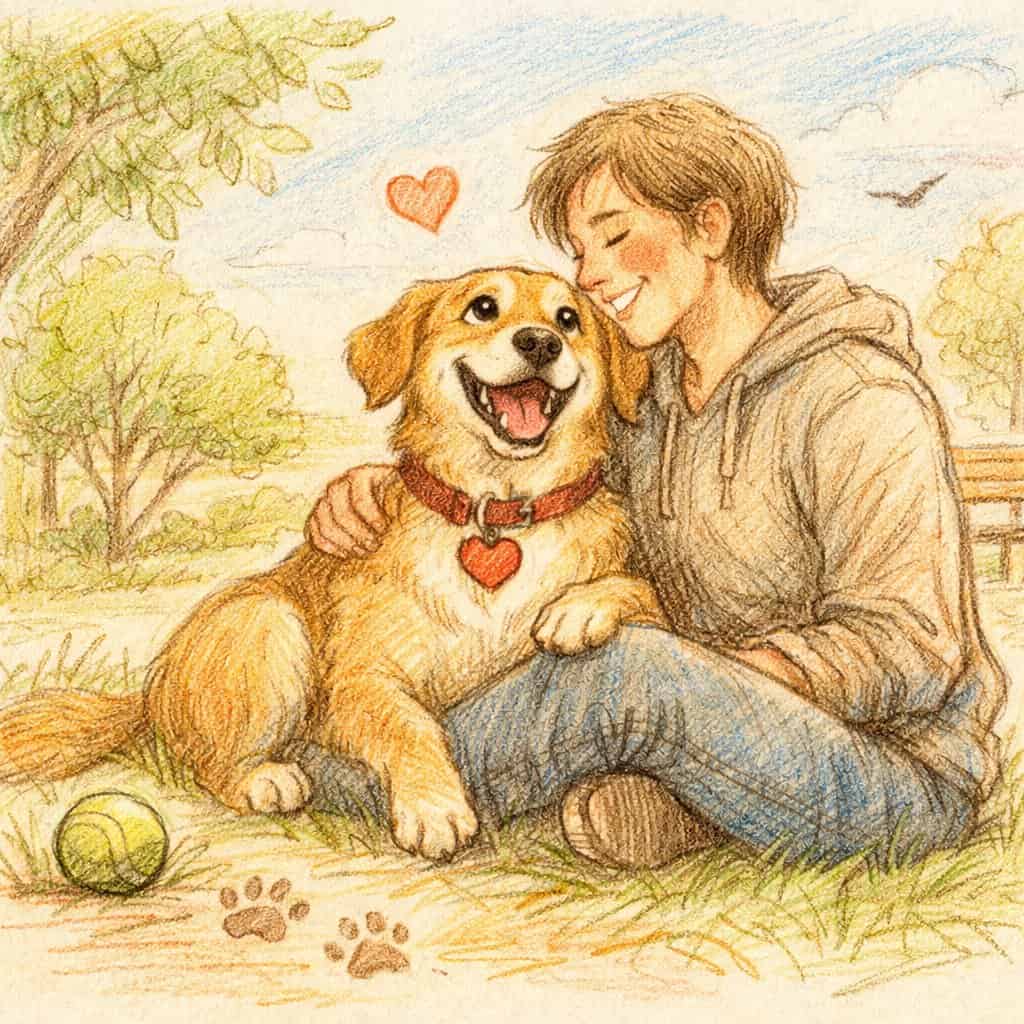
Dogs stay loyal because thousands of years of living with humans shaped their brains, hormones, and social instincts to bond closely with you. Through domestication, they learned to work with people, trust people, and depend on people. Their brains even release bonding chemicals, like oxytocin, when they look at you or spend time near you.
You will explore how science explains this deep bond and how that loyalty shows up in simple, daily moments. From brain chemistry to pack instincts to small acts of trust, you will see why your dog chooses you again and again.
The Science Behind Canine Loyalty
Dogs stay loyal because of inherited pack traits, strong social bonds, and clear changes in brain chemistry. You can see this loyalty in how your dog seeks your attention, follows your cues, and reacts to your emotions.
Genetic Roots of Dog Behavior
Your dog’s loyalty starts with its ancestors. Dogs evolved from wolves, which live and hunt in packs. In a pack, survival depends on cooperation, clear roles, and trust.
Early wolves that tolerated humans likely gained food and safety. Over thousands of years, people bred dogs that showed calm behavior and a willingness to stay close. This process shaped traits like attentiveness and reduced fear.
Selective breeding also strengthened social skills. Dogs that responded well to human gestures, such as pointing or eye contact, were more likely to live and reproduce.
You benefit from this history today. When your dog watches you for direction or stays near you in new places, it shows traits shaped by both evolution and domestication.
The Role of Social Bonding
Dogs form strong attachments to the people who care for them. You become part of their social group, similar to a pack member.
Daily routines build this bond. Feeding, walking, grooming, and training create repeated positive contact. Over time, your dog links you with safety and comfort.
Research shows that many dogs use their owners as a “secure base.” In new or stressful settings, they check back with you before exploring. This pattern looks similar to how young children rely on parents.
Your behavior matters. Consistent rules, gentle handling, and clear communication strengthen trust. Harsh treatment or neglect weakens it.
Loyalty grows from shared experiences. The more safe and positive time you spend together, the stronger your connection becomes.
Hormones and Brain Chemistry
Your dog’s brain plays a direct role in loyalty. Certain chemicals increase bonding and attachment.
Oxytocin, often called the bonding hormone, rises in both you and your dog during positive contact. Simple actions like petting or making eye contact can raise oxytocin levels.
This process works both ways. When your dog looks at you and you respond kindly, both of your brains release more oxytocin. That feedback loop strengthens attachment.
Other chemicals also matter:
- Dopamine supports pleasure and reward during play and training.
- Serotonin helps regulate mood and calm behavior.
These brain responses make time with you feel safe and rewarding. Over time, repeated positive interactions shape your dog’s behavior and deepen loyalty at a biological level.
Everyday Expressions of Loyalty
You see your dog’s loyalty in daily habits and small actions. These behaviors show how closely your dog bonds with you, protects you, and reacts to your feelings.
Attachment to Owners
Your dog forms a strong attachment to you because dogs evolved to live in social groups. Wolves depended on their pack to survive, and that need for connection still shapes your dog’s behavior today.
You may notice your dog follows you from room to room. This “shadowing” behavior shows that your presence makes your dog feel safe. Many dogs also wait by the door when you leave or greet you with strong excitement when you return.
Common signs of attachment include:
- Sleeping near your bed
- Bringing you toys
- Checking on you during the day
- Whining or pacing when you prepare to leave
Dogs often measure their comfort by how close they are to you. Over thousands of years of domestication, humans rewarded dogs that stayed close and worked with them. That history strengthened their natural desire to stay by your side.
Protective Instincts
Your dog’s loyalty also appears in protective behavior. Even small dogs may place themselves between you and a stranger. This action comes from pack instincts, where members guard each other from threats.
Protection does not always mean aggression. Your dog might:
- Bark when someone approaches your home
- Stand alert when hearing unusual sounds
- Stay close in crowded or unfamiliar places
These behaviors show awareness and concern for your safety. Dogs read body language and tone of voice. If you appear tense, your dog may become more watchful.
Keep in mind that healthy protection stays controlled. Training and socialization help your dog learn the difference between real danger and normal daily events. Loyalty drives the instinct, but guidance shapes how it appears.
Responding to Human Emotions
Your dog pays close attention to your mood. Studies show dogs can read facial expressions and changes in voice. This skill helps them respond in ways that strengthen your bond.
If you feel sad, your dog may rest a head on your lap or sit quietly beside you. When you feel happy and energetic, your dog often mirrors that mood with play and movement.
You might notice your dog:
- Approaches you when you cry
- Licks your hands or face during stress
- Acts calmer when you speak in a soft tone
Dogs release bonding hormones, such as oxytocin, during positive contact with you. Simple actions like petting and eye contact strengthen that connection. Your dog’s loyalty shows in these small, steady responses to your emotions each day.