How the yellow ribbon could change your senior dog’s walks

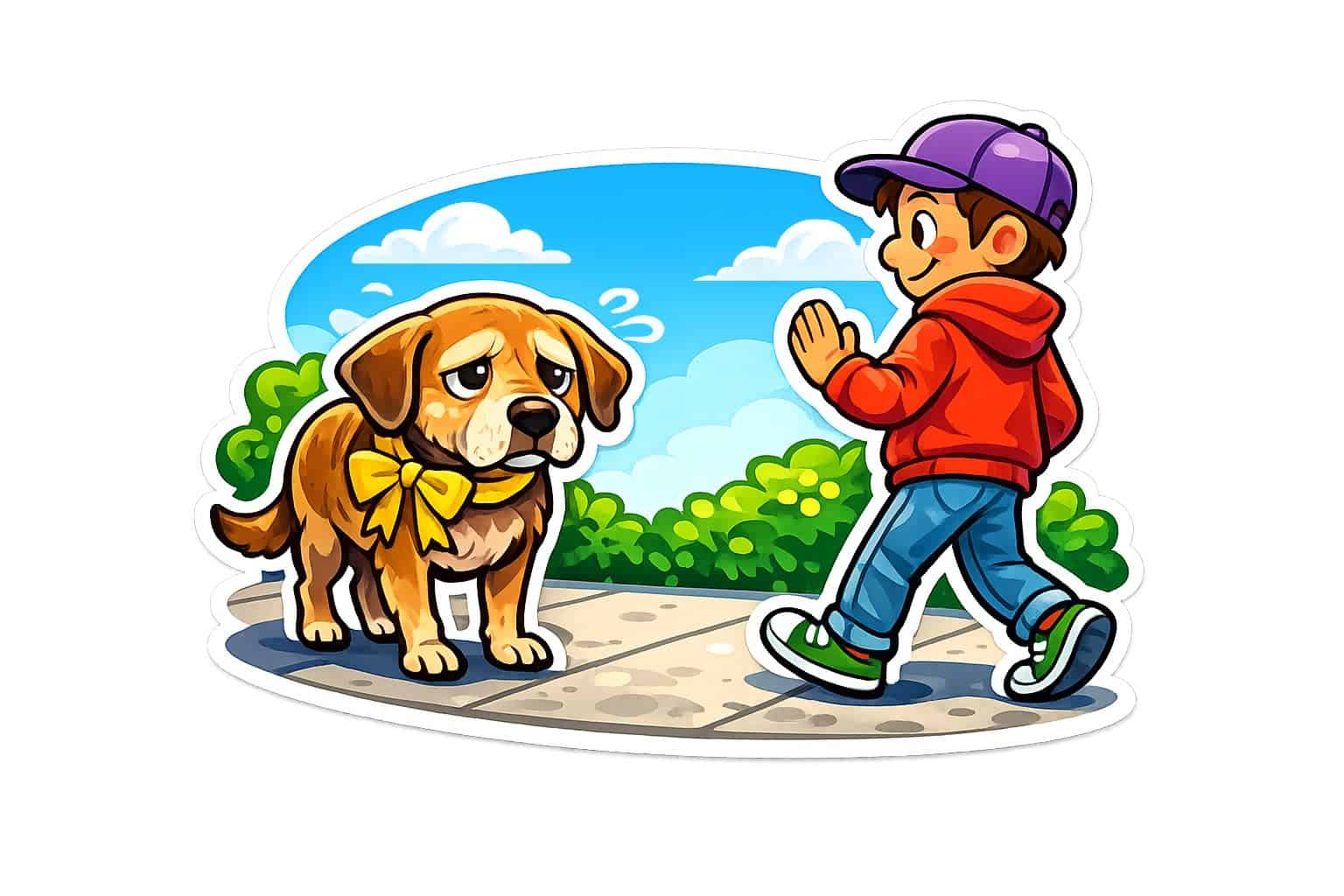
Walking your senior dog should be a peaceful experience, but sometimes other people and dogs make it stressful. Your older dog might be dealing with pain, anxiety, or health issues that make unexpected interactions difficult. A simple yellow ribbon on your dog’s leash or collar can help solve this problem.
The yellow ribbon is a signal that tells others your dog needs space and shouldn’t be approached without permission. This small piece of yellow fabric acts like a caution sign, letting people know to keep their distance. For senior dogs who may be uncomfortable, in pain, or simply tired, this visual cue can make walks much more enjoyable for both of you.
Many dog owners don’t know about the yellow ribbon system yet, which means it’s important to understand how to use it effectively. You’ll learn what the ribbon communicates, why it works so well for older dogs, and how to make the most of this simple tool. You’ll also discover ways to help spread awareness in your community so more people respect your senior dog’s needs.
What the Yellow Ribbon Really Means
A yellow ribbon on your senior dog tells other people and pets to keep their distance. The Yellow Dog Project started this system to help dogs who need extra space stay safe and comfortable during walks.
Origins and Purpose of the Yellow Dog Project
The Yellow Dog Project began in Sweden before spreading worldwide as a way to protect dogs who need space. Tara Palardy helped bring this movement to North America, where it gained support from dog owners and trainers. The system uses yellow ribbons, bandanas, or vests to mark dogs who shouldn’t be approached.
Your older dog might need this signal for many reasons. Senior dogs often deal with arthritis pain that makes sudden movements uncomfortable. They may have vision or hearing loss that causes them to startle easily. Some elderly dogs develop anxiety or confusion as they age. Others are recovering from surgery or managing health conditions that require them to avoid excitement.
The yellow marking works as a universal warning system. When you tie a yellow ribbon to your senior dog’s leash or harness, you’re asking others to respect your pet’s needs without having to explain repeatedly.
How Yellow Signals ‚Give Me Space‘
The yellow ribbon system creates a simple visual code that anyone can understand. When you use yellow on your dog, you’re requesting that people and other pets maintain distance during your walk. This doesn’t mean your dog is aggressive or dangerous.
Yellow tells others your senior dog needs room to move comfortably. Other dog owners should keep their pets from running up to greet your yellow-marked dog. People should ask before petting rather than reaching out without permission. The space requirement varies by dog, but generally means staying at least six feet away unless you give permission to approach.
Your yellow dog marking helps prevent stressful situations before they happen. An older dog with sore joints won’t get bumped by an excited puppy. A senior with hearing loss won’t get startled by someone sneaking up from behind.
Common Misconceptions About Dogs Wearing Yellow
Many people wrongly assume a yellow ribbon dog is mean or will bite. Your senior dog wearing yellow simply needs personal space, not a muzzle or quarantine. The marking indicates caution, not danger.
Some think yellow ribbons only apply to reactive or poorly trained dogs. Your well-behaved elderly dog deserves space too, especially when managing age-related issues like reduced mobility or sensory decline. A yellow marker doesn’t reflect on your training skills.
Others believe they can ignore the yellow signal if they’re „good with dogs.“ Your senior dog’s needs matter more than someone’s confidence. Even friendly interactions can overwhelm an older pet who tires easily or feels vulnerable due to physical limitations.
The yellow ribbon isn’t a legal requirement or official certification. It’s a courtesy system that depends on community awareness and respect.
Why Senior Dogs Benefit from the Yellow Ribbon
Senior dogs often face unique challenges that make walks more difficult than they were in younger years. The yellow ribbon helps communicate these needs to strangers and other dog owners before uncomfortable situations arise.
Physical and Emotional Needs of Senior Dogs
Your senior dog’s body doesn’t work the same way it did at age two. Older dogs commonly develop arthritis, hip dysplasia, or back problems that make sudden movements painful. When a stranger reaches down to pet your dog or another dog rushes over, your senior may need to move quickly to avoid contact. This movement can cause real pain.
Vision and hearing loss also affect many older dogs. Your dog might not see or hear someone approaching until they’re very close. This can startle them and trigger a defensive reaction that looks aggressive but is really just fear.
Common physical changes in senior dogs:
- Joint pain and stiffness
- Reduced vision or hearing
- Slower reaction times
- Less energy for extended interactions
- Digestive issues requiring immediate bathroom breaks
The yellow ribbon tells others your dog needs space to move at their own pace without pressure.
Reducing Stress and Skittish Behavior on Walks
Many senior dogs become more anxious as they age. Your once-friendly dog might now feel overwhelmed by busy sidewalks or excited puppies. This isn’t unusual behavior for older dogs.
An anxious dog or skittish dog experiences real stress when forced into social situations. Rescue dogs who joined your family later in life may have limited history with other animals. They might have learned dog behavior patterns that don’t match what other owners expect.
The yellow ribbon creates a buffer zone. Other people see it and give your dog room to walk without added pressure. Your senior can focus on the walk itself instead of worrying about the next stranger who wants to say hello. This reduces the daily stress that builds up over time and can make your dog even more reactive.
Communicating Mobility or Health Issues
Some senior dogs deal with conditions that aren’t obvious to strangers. Your dog might have a healing surgical site, bladder control issues, or an illness that requires medication. The yellow ribbon signals that your dog has special needs without requiring you to explain personal health information to everyone you pass.
Dogs with mobility problems might lose their balance if bumped or nudged by another dog. Your senior might move slowly or need to stop frequently. The yellow ribbon helps others understand your dog isn’t being stubborn or poorly trained. They’re managing a health condition that requires patience and space.
Practical Tips for Using Yellow Gear on Walks
Yellow accessories work best when they’re visible and paired with clear communication. You’ll want to select items that suit your senior dog’s comfort level and make it easy for others to understand your dog needs space.
Choosing the Right Yellow Accessories
A yellow ribbon tied to your senior dog’s leash or collar is the simplest option to start with. Make sure it’s bright and large enough to see from a distance. You can tie it in a bow or loop it through the leash handle.
Yellow bandanas work well for older dogs because they’re comfortable and highly visible. Look for ones that say „I Need Space“ or „Nervous“ to make the message even clearer. These are especially helpful if your senior dog has anxiety or arthritis that makes sudden interactions painful.
You can also find yellow vests designed specifically for this purpose. These cover more surface area than ribbons and are harder to miss during busy walks. Some senior dogs appreciate the gentle pressure of a vest, which can have a calming effect.
Gentle Leaders and Yellow Leashes
A yellow leash gives you continuous visibility throughout your walk. This is useful for senior dogs who need consistent space due to vision or hearing loss. You can pair a yellow leash with a gentle leader if your older dog pulls or has mobility issues.
Gentle leaders help you guide your senior dog without putting pressure on their neck or joints. Dog trainers often recommend them for older dogs with arthritis. When you combine a gentle leader with yellow gear, you signal both that your dog needs space and that you have good control.
Make sure the gentle leader fits properly and introduce it slowly. Senior dogs can be resistant to new equipment, so give yours time to adjust with positive reinforcement.
Educating Others During Your Walks
Not everyone knows what the yellow ribbon means yet. When people approach, you can politely say „My dog needs space today“ or „We’re working on training.“ Keep your explanations brief and friendly.
If someone asks about the yellow gear, it’s a chance to spread awareness. You might say „The yellow means my senior dog prefers not to be approached by other dogs or people right now.“ Most people will respect this once they understand.
Consider wearing a „My Dog Needs Space“ shirt yourself. This gives people advance notice before they get too close. You can find these online or make your own.
Building a Supportive Community for Yellow Ribbon Dogs
Creating awareness about yellow ribbons helps protect your senior dog and makes walks safer for everyone. When neighbors, family members, and local businesses understand what the ribbon means, they become allies in giving your aging dog the space needed.
Involving Family and Children
Teaching kids about yellow ribbons starts with simple explanations. Tell them that dogs wearing yellow need space just like people sometimes need quiet time. Young children naturally want to pet every dog they see, so help them learn to look for the yellow signal first.
Your own family members need clear instructions too. Explain that your senior dog might have arthritis, hearing loss, or other age-related issues that make unexpected touches painful or frightening. Give them specific rules like asking permission before approaching and staying calm around your dog.
Practice scenarios with children in your household. Show them how to stay still and quiet when they see a yellow ribbon dog on walks. Teach them to ask „Can I say hello to your dog?“ from a distance and accept „no“ without feeling hurt.
Spreading Awareness Locally
Start conversations at your regular walking spots. When someone approaches your senior dog, briefly explain that the yellow ribbon means your dog needs space due to age-related concerns. Most people appreciate learning something new that helps keep dogs safe.
Share information at places dog owners gather:
- Veterinary clinics – Ask if you can post flyers about the Yellow Dog Project
- Pet supply stores – Request staff education about yellow ribbons
- Dog parks – Display information at entrances even if you don’t enter
- Neighborhood groups – Post about it on local social media pages
Your veterinarian and dog trainers can become powerful advocates. They see many senior dogs with mobility issues, pain conditions, or cognitive decline. Ask them to recommend yellow ribbons to other clients with aging dogs.
Support for Service Dogs in Training
Service dogs in training often wear yellow ribbons because they’re learning to focus despite distractions. Your senior dog needs space for different reasons, but the same principle applies. When you see a service dog in training with yellow, give them distance too.
Dog trainers work with both service dogs in training and reactive pets. They understand that senior dogs require special consideration during public outings. If you’re working with a trainer for your older dog, ask them to explain the yellow ribbon system to other clients they encounter during sessions.