
Can Dogs Watch TV?


You catch your dog staring at the screen when a dog barks or a ball flies by. You wonder if that look means anything, or if it just feels cute in the moment. The answer matters because screen time can shape your dog’s mood and habits.
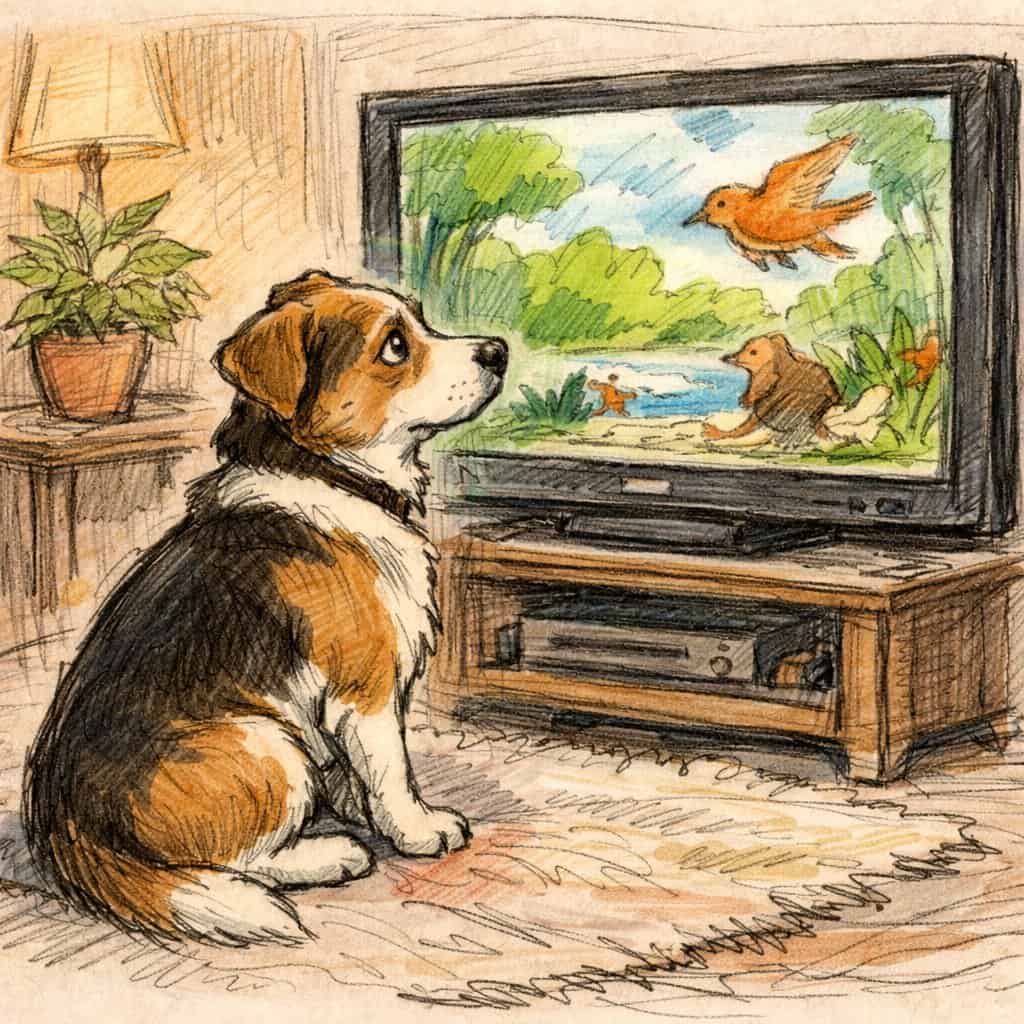
Yes, dogs can watch TV, but they see and hear it in their own way. Your dog does not follow stories like you do, but motion, sounds, and certain colors can grab attention fast.
Once you know how your dog takes in sights and sounds, those screen moments make more sense. You may notice quick bursts of focus, head tilts at familiar noises, or calm interest that fades after a short time.
How Dogs Perceive Television
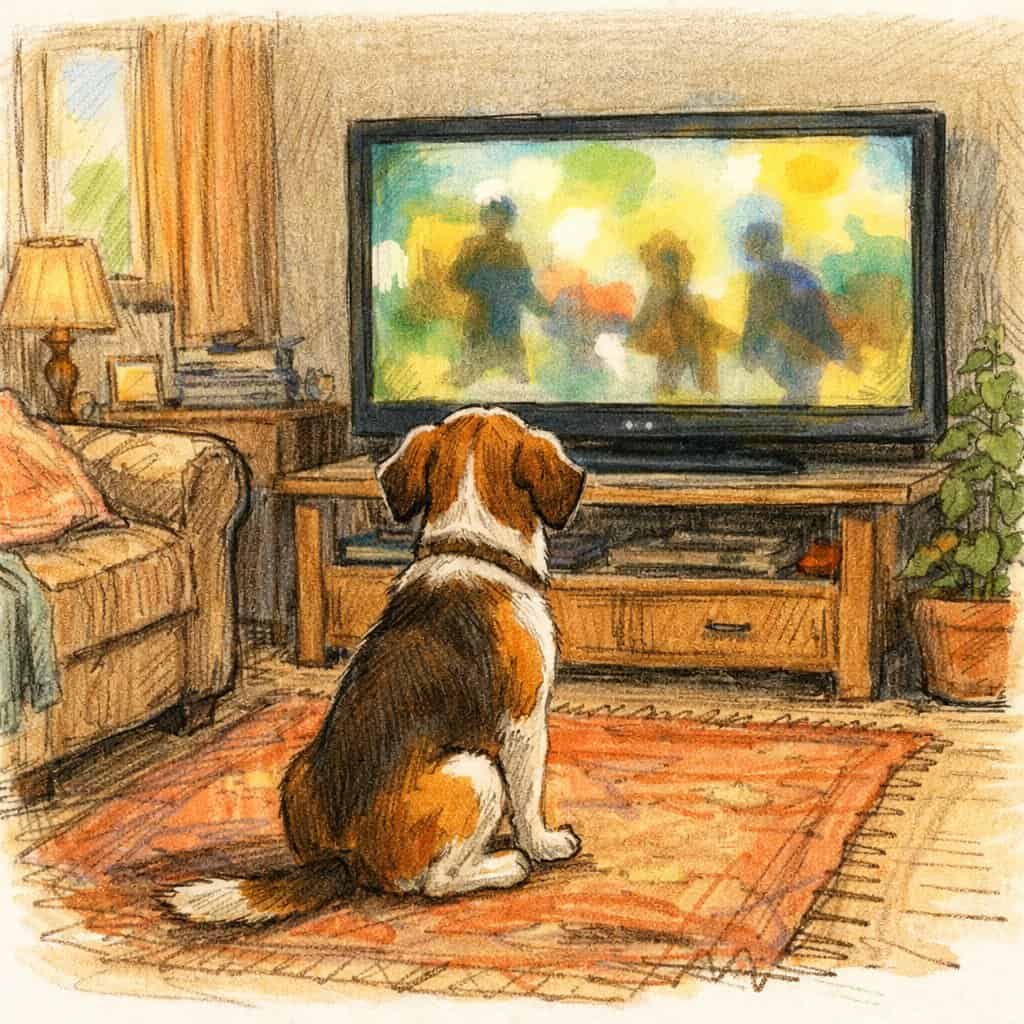
Your dog can see and hear the TV, but not the way you do. Vision limits, motion cues, color range, and sound all shape how your dog reacts to what plays on the screen.
Differences Between Canine and Human Vision
Your dog’s eyes work differently from yours. Dogs have lower visual detail, so fine text or faces look blurry. They also see fewer colors.
Dogs focus more on movement than detail. Fast changes grab attention, while still scenes fade fast.
| Feature | You | Your Dog |
|---|---|---|
| Visual detail | High | Lower |
| Color range | Many colors | Mostly blue and yellow |
| Motion detection | Moderate | Strong |
Screen quality also matters. Modern TVs refresh fast, which helps dogs notice motion instead of flicker. Older screens may look less clear to them.
What Movement and Colors Do Dogs See on Screen
Movement drives your dog’s interest. Running animals, bouncing balls, or quick camera cuts stand out right away. Slow scenes often fail to hold attention.
Your dog mainly sees blues, yellows, and shades of gray. Reds and greens blend together. A bright green field may look dull, while a blue toy pops.
Clear contrast helps. Dark shapes against light backgrounds show better than soft tones. Nature shows, sports clips, and pet-focused programs often work best because they include steady motion and clear shapes.
Your dog may track objects across the screen with head turns or eye movement. This behavior shows visual engagement, not full story understanding.
Auditory Cues From TV That Dogs Notice
Sound often matters more than images. Your dog reacts fast to noises that match real life.
Common attention triggers include:
- Barking or whining
- Human voices giving praise or commands
- Squeaky or high-pitched toy sounds
Your dog links these sounds to real events. A bark may prompt alert behavior, while calm voices can soothe. Sudden loud noises may cause stress, so volume control helps.
Tone and pitch matter. High-pitched sounds cut through background noise and hold focus longer. Music or dialogue alone often fades into the background unless it mimics familiar sounds.
What Happens When Dogs Watch TV?
When your dog watches TV, you may notice clear reactions tied to how dogs see and hear. Their interest depends on the images, sounds, and how the show fits your dog’s age, breed, and energy level.
Typical Reactions of Dogs to Television
Many dogs react to TV with short bursts of attention rather than long focus. You may see your dog lift their head, tilt it, or move closer to the screen.
Common responses include:
- Barking or growling at animals or doorbell sounds
- Chasing screen images, especially moving animals
- Ignoring the screen after a few seconds
Dogs notice motion and sound more than fine detail. Modern TVs with smooth motion make it easier for dogs to follow what they see. Some dogs stay calm, while others get excited or restless.
Benefits and Potential Drawbacks
TV can help keep your dog occupied for short periods, especially when you leave the house. It may reduce boredom and provide light mental activity.
Possible benefits include:
- Background noise that feels familiar
- Visual movement that holds brief attention
- Shared time when you sit together
There are drawbacks to watch for. Some dogs become overstimulated by loud sounds or fast motion. Others may bark more or pace. TV should not replace walks, play, or training. Watch your dog’s behavior and adjust as needed.
Choosing the Right Content for Your Dog
Your dog responds best to content made for canine senses. Shows with clear movement and natural sounds often work well.
Helpful content tips:
- Choose videos with other dogs or animals
- Keep volume low to avoid stress
- Use short viewing times, not long sessions
Avoid loud action scenes or flashing lights. Calm scenes with steady pacing work better. If your dog loses interest or shows stress, turn the TV off. Your dog’s reaction matters more than what you choose to play.