Why Do Dogs Howl?


You hear a long howl from your dog and wonder what it means. That sound can feel strange, loud, or even worrying. It helps to know that howling is a normal way dogs share messages with the world around them.
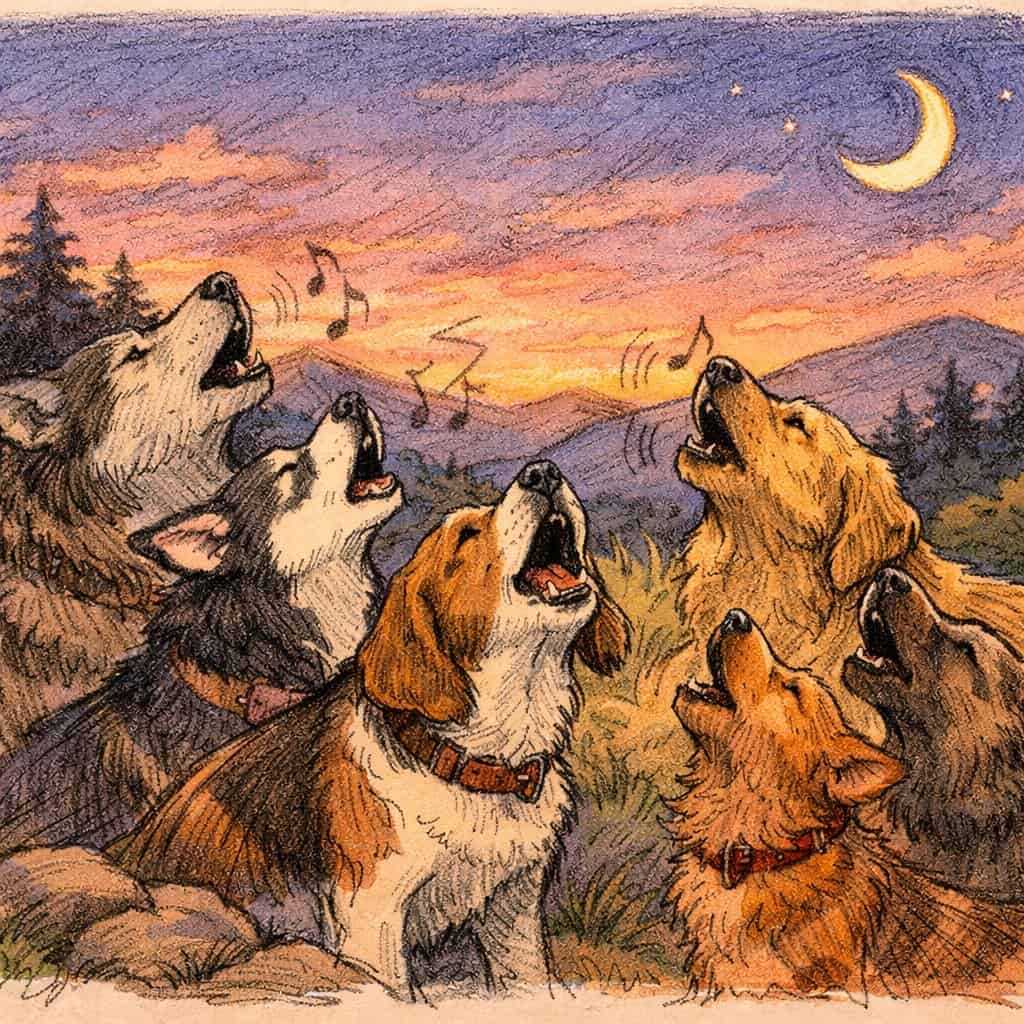
Dogs howl to communicate, respond to sounds, express feelings, or follow instincts passed down from their wolf ancestors. Your dog may answer sirens, call out to other dogs, react to stress, or signal pain. Some breeds howl more because it sits deep in their nature.
When you understand why your dog howls, you can tell the difference between normal behavior and a sign that something is wrong. You can also learn what different howls say about mood, needs, and comfort, which helps you respond in the right way.
Reasons Dogs Howl
Dogs howl for clear, practical reasons. They use sound to share messages, react to noise, ask for attention, and show stress. Each reason links to how dogs communicate and cope with their world.
Communication With Other Dogs
Your dog may howl to talk with other dogs, even if they are far away. Howling carries sound over long distances better than barking. This helps dogs signal their location or respond to another dog’s call.
Some breeds howl more because of their history. Hounds and northern breeds used howling during work and travel. Your dog may answer a howl on TV or from outside because the sound triggers this instinct.
Howling can also strengthen social bonds. When dogs howl together, they share presence and awareness. This behavior often sounds calm and steady, not sharp or frantic.
Responding to Sounds and Sirens
Many dogs howl when they hear high-pitched or steady sounds. Sirens, alarms, and musical notes often set this off. Your dog may not feel upset; the sound simply matches a frequency that invites a response.
Common triggers include:
- Emergency sirens
- Musical instruments, like harmonicas
- Other dogs barking or howling
- Household alarms
Your dog usually stops once the sound ends. If the howling lasts long or grows louder, your dog may feel overstimulated. Closing windows or adding background noise can help reduce the reaction.
Seeking Attention
Your dog may howl to get a response from you. If howling leads to eye contact, talking, or treats, your dog learns that it works. This often happens when your dog feels bored or ignored.
Attention-seeking howls sound repeated and timed. Your dog may howl when you leave the room or focus on your phone. The goal is simple: bring you back.
You can change this pattern with clear habits. Reward quiet behavior with praise or play. Ignore the howl when it seeks attention, as long as your dog feels safe and calm.
Expressing Anxiety or Distress
Howling can signal stress, fear, or discomfort. Dogs with separation anxiety often howl when left alone. The sound may last for long periods and pair with pacing or scratching.
Your dog may also howl due to pain or confusion, especially in older dogs. Sudden changes in howling matter more than normal habits.
Watch for these signs:
- Restlessness or shaking
- Destructive behavior
- Loss of appetite
If you notice these signs, talk to a vet or trainer. Early support helps reduce stress and protects your dog’s well-being.
What Different Dog Howls Mean
Dogs howl for clear reasons tied to communication, emotion, health, and instinct. The sound, timing, and setting help you understand what your dog wants or needs.
Territory Marking
Your dog may howl to claim space or warn others. This often happens when your dog hears sirens, other dogs, or loud noises outside.
The howl usually sounds long and steady. Your dog may stand tall, face a window, or point toward the sound.
Common triggers include:
- Passing sirens or alarms
- Neighbor dogs howling
- Strange noises near your home
This behavior links to instinct, not aggression. If the howling lasts too long, close windows or add background noise to reduce triggers.
Celebratory or Social Howling
Some dogs howl during happy moments. You may hear it during play, greetings, or when music plays.
This howl often sounds higher and broken into short bursts. Your dog may wag their tail, bounce, or seek eye contact.
Social howling can also happen when your dog hears you sing or talk loudly. Your dog joins in to connect with you. You usually do not need to stop this unless it becomes constant or disruptive.
Medical Causes and Pain
A sudden change in howling can signal pain or illness. Your dog may howl to ask for help when something feels wrong.
Watch for these warning signs:
- Howling paired with limping or stiffness
- Howling at night or when resting
- Loss of appetite or low energy
This type of howl often sounds sharp or urgent. If you notice these signs, contact your vet. Early care helps prevent bigger problems.
Breed-Specific Howling Traits
Some breeds howl more than others due to genetics. These dogs used howling to work with people or other dogs.
| Breed Group | Howling Tendency | Common Reason |
|---|---|---|
| Hounds | High | Tracking and signaling |
| Huskies | High | Social bonding |
| Terriers | Low | Prefer barking |
If you own a vocal breed, expect more howling. Training can guide when and where your dog uses their voice.