Why Do Dogs Eat Poop?

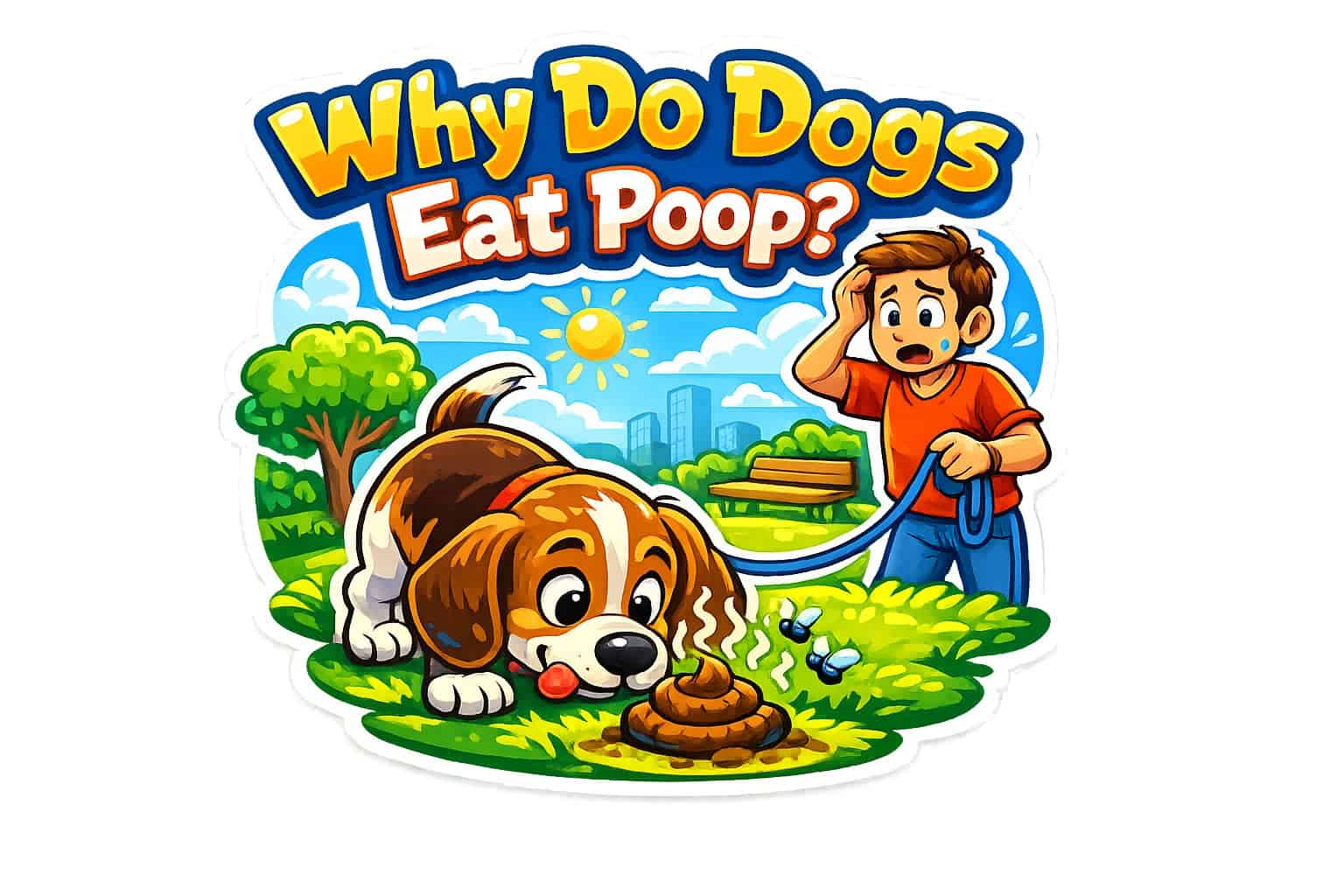
You catch your dog eating poop, and it feels confusing and gross. You may worry something is wrong or wonder if you caused it. Dogs eat poop for normal reasons like curiosity, taste, and learned habits, but stress, health issues, and attention-seeking can also play a role.
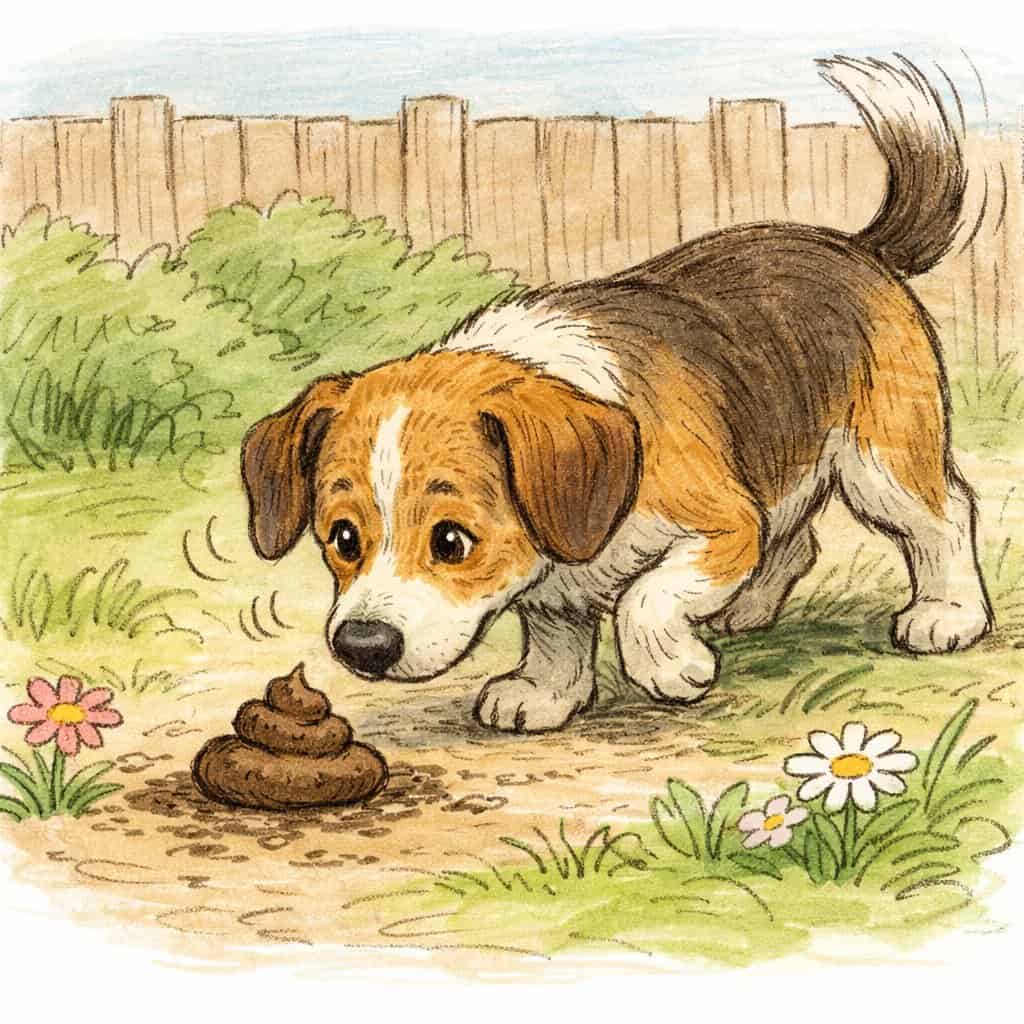
Some dogs pick up the habit as puppies, while others do it when they feel bored, anxious, or unwell. Your dog may also copy other dogs or react to how you respond. What looks shocking often has a clear reason behind it.
You can learn what drives this behavior and what helps stop it. With the right steps, you can protect your dog’s health and keep this habit from sticking around.
Common Reasons Dogs Eat Poop
Dogs eat poop for a few clear reasons that link to diet, behavior, and health. Some causes come from missing nutrients, while others relate to habits, stress, or medical problems that need attention.
Nutritional Deficiencies
Your dog may eat poop because their diet does not meet all their needs. Low-quality food can pass through the body without full digestion, leaving stool that still smells like food. Dogs rely on smell, so this can trigger interest.
Common diet-related causes include:
- Low protein or fat levels
- Poor digestion or absorption
- Irregular feeding schedules
Puppies and dogs on restrictive diets face higher risk. Switching to a balanced, high-quality food often reduces the behavior. Feeding meals on a consistent schedule also helps regulate hunger and digestion.
Behavioral Causes
Many dogs eat poop due to learned or stress-based behavior. Puppies often copy their mother, who may eat stool to keep the nesting area clean. This habit can continue into adulthood.
Behavior-related triggers include:
- Boredom or lack of exercise
- Anxiety or stress
- Seeking attention, even negative attention
Dogs left alone for long periods may explore poop out of curiosity. Harsh punishment after accidents can also cause a dog to hide evidence by eating it. Positive training and mental stimulation usually lower this behavior over time.
Health Issues
Some medical conditions increase hunger or change how your dog processes food. These issues can push your dog to seek extra nutrients from stool.
Health-related causes may include:
- Intestinal parasites
- Diabetes
- Thyroid disease
- Digestive disorders
Certain medications, like steroids, can also raise appetite. Eating poop does not always mean illness, but sudden changes matter. If the habit starts quickly or comes with weight loss, vomiting, or diarrhea, a vet visit helps rule out problems and guide treatment.
How to Prevent Poop Eating in Dogs
You can reduce poop eating by meeting your dog’s basic needs and acting fast when the behavior starts. Diet, training, and vet care work best when you use them together.
Diet Adjustments
Feed a complete, balanced diet that fits your dog’s age and size. Low-quality food can leave dogs hungry or missing key nutrients. That can drive poop eating.
Stick to a regular feeding schedule. Predictable meals help digestion and reduce scavenging.
Add safe supplements only if your vet approves. Some dogs benefit from digestive enzymes or probiotics.
Helpful diet steps
- Choose food with clear protein sources.
- Avoid sudden food changes.
- Limit table scraps.
| Diet Focus | Why It Helps |
|---|---|
| High-quality food | Supports nutrient needs |
| Regular meals | Reduces hunger |
| Vet-approved supplements | Aids digestion |
Clean up stools right away. Fresh poop attracts dogs more than old waste.
Training Techniques
Train a strong “leave it” cue. Practice with treats, then use it during walks. Reward your dog when they listen.
Supervise bathroom breaks. Keep your dog on a leash in the yard until habits improve. This lets you redirect fast.
Use positive rewards, not punishment. Scolding can increase stress and make the habit worse.
Training tips
- Reward calm behavior near stools.
- Increase daily walks and play.
- Use puzzle toys to fight boredom.
Mental and physical exercise lowers stress. Tired dogs focus less on bad habits.
Veterinary Support
Talk to your vet if the habit continues. Some dogs eat poop due to medical or behavior issues.
Your vet may check for parasites, digestion problems, or poor nutrient absorption. Treating the cause often reduces the behavior.
Ask about behavior plans if anxiety plays a role. Stress, fear, and confinement can trigger poop eating.
When to call the vet
- Sudden start of the habit
- Weight loss or diarrhea
- Excessive hunger
Follow your vet’s plan closely. Consistent care leads to better results.