Why Is My Senior Dog Losing Weight Even Though They’re Still Eating?

When your older dog is finishing every meal but the pounds keep dropping off, it’s natural to feel confused and worried. You might think that as long as they’re eating well, everything should be fine.
But weight loss in senior dogs despite a normal appetite often signals an underlying health issue that needs veterinary attention, ranging from digestive problems and parasites to more serious conditions like diabetes, kidney disease, or cancer.
The truth is that your senior dog’s body works differently than it did just a few years ago. Their metabolism changes, their organs may not function as efficiently, and certain diseases become more common after age seven.
Some of these conditions prevent your dog from properly absorbing nutrients even when they’re eating the same amount as always. Others cause their body to burn through calories faster than food can replace them.
Understanding why your older dog is losing weight despite a good appetite helps you know when to act and what questions to ask your veterinarian. This guide walks you through the medical causes behind unexplained weight loss in dogs, the warning signs that need immediate care, and how your vet will work to find answers and get your senior dog back to a healthy weight.
What Weight Loss Despite a Good Appetite Can Mean
When your senior dog is losing weight but eating normally, it points to an underlying issue with how their body uses or absorbs food. The problem often involves metabolism changes, digestive troubles, or loss of muscle mass rather than fat.
Their Body Is Burning More Than They’re Eating
Your older dog’s metabolism can change in ways that burn more calories than they take in. Some health conditions cause the body to work harder, using up energy faster than food can replace it.
Hyperthyroidism makes the metabolism speed up. Your dog burns through calories quickly even when resting. Diabetes prevents cells from using glucose properly, so the body breaks down fat and muscle for energy instead.
Cancer increases calorie needs because tumors use a lot of energy to grow. Your dog might eat the same amount but still lose weight because their body is working overtime. Kidney disease and heart disease also raise metabolic demands.
As dogs age, they naturally move less, but some senior dogs experience changes in metabolism that increase their calorie needs. Infections and inflammatory conditions cause fever and immune responses that burn extra calories.
The Food Goes Through, But the Nutrients Don’t
Malabsorption happens when your dog’s digestive system cannot pull nutrients from food into the bloodstream. Food passes through but your dog gets little benefit from it.
Conditions that cause poor nutrient absorption include:
- Inflammatory bowel disease (IBD) – inflammation damages the intestinal lining
- Exocrine pancreatic insufficiency (EPI) – the pancreas does not make enough digestive enzymes
- Intestinal parasites – worms steal nutrients before your dog can absorb them
- Small intestinal bacterial overgrowth (SIBO) – bad bacteria interfere with digestion
Senior dogs often develop digestive problems as their organs age. The pancreas might not work as well. The intestines become less efficient at absorbing vitamins and minerals.
You might notice loose stools, diarrhea, or very large amounts of stool if your dog has malabsorption. The food goes in but comes out mostly undigested. Your dog stays hungry because their body is not getting what it needs.
How to Tell Fat Loss From Muscle Loss
Muscle loss is more serious than fat loss in senior dogs. A condition called cachexia causes the body to break down muscle tissue for energy, even when your dog eats enough food.
Check your dog’s body condition score by feeling along their spine, ribs, and hips. You should feel a thin layer of fat over the bones. If the bones feel very sharp and prominent, your dog has lost too much fat.
Look at your dog from above and from the side. Healthy dogs have a visible waist behind the ribs. Dogs losing muscle appear bony at the hips and spine but might still have a sagging belly.
Muscle wasting shows up as:
- Sunken areas around the head and face
- Very thin legs with visible bone structure
- Loss of muscle mass over the shoulders and hips
- Weakness or difficulty standing and walking
Fat loss happens evenly across the body. Muscle loss tends to be more obvious in specific areas. Your vet can help determine which type of weight loss your dog is experiencing through physical examination and tests.
What Could Be Causing the Weight Loss
Several health problems can make senior dogs lose weight even when they keep eating normally. These conditions often affect how the body processes food or uses energy.
Digestive Disorders and Pancreatic Disease
Your senior dog’s digestive system may not work as well as it used to. Inflammatory bowel disease (IBD in dogs) is a common problem where the intestinal lining becomes inflamed and stops absorbing nutrients properly.
Dogs with IBD might eat their full meals but still lose weight because their body can’t use the food. Exocrine pancreatic insufficiency happens when the pancreas stops making enough digestive enzymes.
Without these enzymes, your dog can’t break down food properly. The food passes through without giving your dog the calories and nutrients they need.
Gastrointestinal disease can also include problems like chronic inflammation or damage to the stomach and intestines. These conditions are more common in older dogs. You might notice your dog has softer stools or eats more than usual but keeps getting thinner.
Diabetes and Hormonal Conditions
Diabetes mellitus in dogs affects how the body uses sugar for energy. When your senior dog has diabetes, their cells can’t get the sugar they need even though there’s plenty in the bloodstream.
Your dog will lose weight because their body starts burning fat and muscle instead. Dogs with diabetes often show polyphagia, which means they’re hungrier than normal and eat more.
Without enough insulin, the sugar from food stays in the blood and gets passed out through urine. Cushing’s disease in dogs causes the body to make too much cortisol, which affects metabolism and can lead to muscle loss.
Addison’s disease is less common but can cause weight loss along with weakness and poor appetite in some cases.
Kidney, Liver, and Heart Disease
Chronic kidney disease is very common in senior dogs. When the kidneys fail, your dog loses protein through their urine and can’t process nutrients correctly.
The buildup of waste products in the blood also makes dogs feel sick and less interested in food over time. Liver disease affects how your dog’s body stores and uses nutrients.
The liver helps process proteins, fats, and sugars from food. When it’s damaged, your dog can’t maintain their weight even with normal eating.
Heart disease can cause cardiac cachexia, which is weight loss that happens because the heart isn’t pumping blood well enough. Your dog’s body has to work harder just to keep going, burning more calories than they take in.
Cancer and Other Systemic Illnesses
Cancer is one of the most serious reasons older dogs lose weight while eating normally. Tumors use a lot of energy and change how the body processes food.
Lymphoma affects the lymph nodes and organs throughout the body. It’s common in senior dogs and causes weight loss even when appetite stays good.
Hemangiosarcoma is an aggressive cancer that affects blood vessels. It often grows in the spleen or heart and can cause rapid weight loss.
Cancer cells release chemicals that change your dog’s metabolism. The body breaks down muscle and fat faster than normal.
Many dogs with cancer keep eating but continue to lose weight because the disease uses up so much energy.
Other Things That Can Cause Weight Loss
Several health issues beyond major organ disease can cause your senior dog to lose weight despite eating normally. Problems like parasites, dental pain, muscle loss, and changes in how your dog processes food can all lead to unexpected weight loss.
Parasites Can Steal Nutrients Before Your Dog Gets Them
Intestinal parasites steal nutrients from your dog’s body before they can be absorbed. Common parasites in older dogs include roundworms, hookworms, whipworms, tapeworms, and giardia.
Roundworms and hookworms attach to the intestinal wall and feed on blood and nutrients. Whipworms burrow into the intestinal lining and cause inflammation. Tapeworms absorb nutrients directly from digested food in your dog’s gut.
These parasites often cause chronic diarrhea, which prevents proper nutrient absorption. Your dog might eat their full meals but still lose weight because the food passes through too quickly. Some dogs also experience vomiting alongside diarrhea.
Older dogs can be vulnerable to parasites if their immune system weakens with age. Your vet can check a stool sample to identify parasites and prescribe the right deworming medication.
Dental Pain That Makes Eating Less Effective
Dental disease affects most senior dogs and can prevent them from chewing food properly. Periodontal disease causes swollen gums, loose teeth, and infections in the mouth.
Your dog might still eat because they’re hungry, but they may swallow food whole instead of chewing it. This means they don’t break down the food enough for good digestion. Food that isn’t chewed properly passes through without releasing all its nutrients.
Common signs of dental problems include:
- Bad breath
- Red or bleeding gums
- Dropping food while eating
- Chewing on one side of the mouth
- Pawing at the face
Some dogs need a professional dental cleaning to remove tartar and infected tissue. Others may require tooth extraction if teeth are too damaged. In rare cases, a root canal might save an important tooth.
Switching to softer food can help, but treating the underlying dental disease is most important for your dog’s health and comfort.
Older Dogs Naturally Lose Muscle as They Age
Senior dogs naturally lose muscle mass as they age. This condition is called sarcopenia or age-related muscle loss.
Muscles burn more calories than fat, even at rest. As your dog loses muscle, their body composition changes. They might weigh less on the scale but actually have more body fat and less lean muscle.
Reduced activity makes this problem worse. Older dogs often become less active and spend more time resting.
Exercise intolerance from joint pain or heart problems keeps them from moving as much as they used to. When dogs move less, they lose even more muscle.
This creates a cycle where weakness leads to less activity, which leads to more weakness. Your dog needs protein-rich food and gentle exercise to maintain muscle mass as they age.
Food, Routine, and Cognitive Changes
Changes in diet or feeding routine can affect how well your senior dog absorbs nutrients. A sudden dietary change might upset their digestive system, even if they continue eating the full amount.
Some older dogs develop food sensitivities they didn’t have before. Their digestive system becomes less efficient at breaking down certain ingredients. This means they might not get full nutrition from their current food.
Cognitive dysfunction affects many senior dogs and changes their relationship with food. Dogs with this condition might forget they’ve eaten or become confused about their feeding schedule. Pet parents often need to adjust how they feed older dogs with cognitive issues.
Signs your dog might have cognitive changes:
- Confusion about meal times
- Wandering while eating
- Forgetting where their food bowl is
- Eating at unusual times
Feeding your dog in a quiet area away from distractions can help. Keeping a strict schedule also provides structure for dogs experiencing cognitive decline.
When You Need to Call the Vet Right Away
Weight loss in senior dogs can point to serious health problems that need immediate attention. Some symptoms indicate your dog needs to see a vet right away, while others signal conditions that can become emergencies if left untreated.
Changes in Thirst and Urination
Increased thirst paired with weight loss often signals kidney disease, diabetes, or Cushing’s disease in older dogs. If your senior dog suddenly drinks much more water than usual, this is a red flag.
Excessive urination usually goes hand-in-hand with excessive thirst. You might notice your dog asking to go outside more often or having accidents indoors after years of being house-trained.
Watch for these specific patterns:
- Drinking an entire water bowl multiple times per day
- Urinating large amounts frequently
- Waking up at night to drink or urinate
- Dilute or pale urine
These changes require prompt veterinary care because they indicate metabolic problems that worsen quickly without treatment.
Digestive, Breathing, and Mobility Red Flags
Vomiting or diarrhea that lasts more than 24 hours needs veterinary attention. Senior dogs lose fluids faster than younger dogs and can become dangerously dehydrated.
A pot-bellied appearance combined with weight loss suggests Cushing’s disease or fluid buildup. Your dog’s abdomen might look swollen while their ribs become more visible.
Coughing that persists or worsens can indicate heart disease or lung problems in older dogs. Pay attention if the cough happens more at night or after exercise.
Lethargy means more than just sleeping more. Contact a vet immediately if your senior dog seems confused, won’t get up for meals, or shows no interest in activities they usually enjoy.
Exercise intolerance shows up when your dog can’t walk as far as before or needs frequent rest breaks. Combined with weight loss and muscle loss, this points to heart problems or other serious conditions.
Signs That Require Emergency Care
Jaundice makes your dog’s gums, eyes, or skin look yellow. This signals liver failure and needs emergency treatment.
Collapse or inability to stand requires immediate veterinary care. Don’t wait to see if your senior dog improves on their own.
Difficulty breathing, including gasping or blue-tinged gums, is always an emergency. Senior dogs with breathing problems can decline within hours.
Refusal to eat for more than 24 hours combined with weight loss signals a crisis. Older dogs have less reserve than younger ones and deteriorate faster.
How Your Vet Will Find the Cause
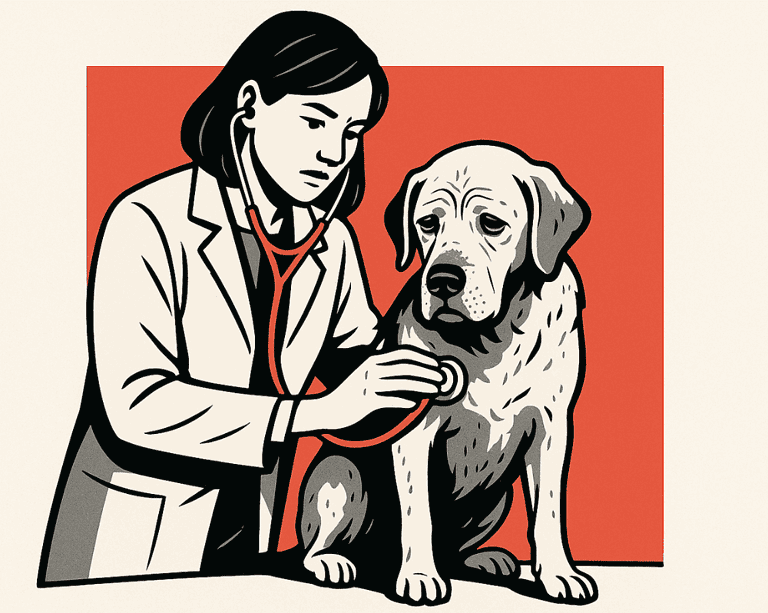
Your vet will use a step-by-step approach to figure out why your senior dog is losing weight. This involves gathering information about your dog’s daily habits, running specific tests to check organ function and rule out diseases, and creating a treatment plan that addresses both the underlying cause and your dog’s nutritional needs.
What to Track at Home Before the Appointment
Before your visit, keep a record of your dog’s eating and bathroom habits for at least one week. Write down how much food your dog eats at each meal, what time they eat, and whether they seem hungry or disinterested.
Note any vomiting, diarrhea, or changes in water drinking. Track your dog’s activity level and energy throughout the day. Does your senior dog seem tired, restless, or acting differently than usual?
Take photos or videos if you notice anything unusual. Measure your dog’s weight on a home scale if possible, or note how their body feels when you pet them. Can you feel their ribs more easily than before?
These details help your vet understand what’s happening between visits and can speed up finding the right diagnosis.
Tests Your Veterinarian May Recommend
Your vet will start with a physical exam and check your dog’s body condition score to assess weight loss. Blood work is usually the first step to evaluate your senior dog’s overall health.
A complete blood count checks for infection, anemia, and immune system problems. A chemistry panel looks at kidney function, liver health, blood sugar, and protein levels. These tests can reveal diabetes, kidney disease, or liver problems that cause weight loss.
Your vet may order a thyroid panel since thyroid levels often change in older dogs. High thyroid levels speed up metabolism and lead to weight loss despite normal eating.
A urinalysis checks for kidney issues, diabetes, or infections that might go unnoticed. A fecal exam looks for parasites that steal nutrients from your dog’s food.
An abdominal ultrasound may be needed to view the pancreas, intestines, liver, and other organs for signs of cancer, inflammation, or other diseases.
Treatment, Nutrition, and Follow-Up Monitoring
Treatment depends on what tests reveal about your dog’s health. If your vet finds an infection, antibiotics or other medications will help your senior dog recover.
For thyroid problems, daily medication can regulate metabolism and stop weight loss.
Dietary change often plays a key role in helping your dog gain weight back. Your vet might suggest a higher-calorie food, easier-to-digest protein, or special prescription diets for specific conditions.
Some senior dogs need smaller, more frequent meals throughout the day. Supportive care may include fluids for dehydration, pain relief for arthritis, or supplements to boost appetite.
Your vet will schedule follow-up visits to recheck weight, repeat blood work, and adjust the treatment plan. Most dogs need monitoring every 2-4 weeks until their weight stabilizes, then less frequent checkups to make sure they stay healthy.