Why Does My Dog Lick Its Paws?

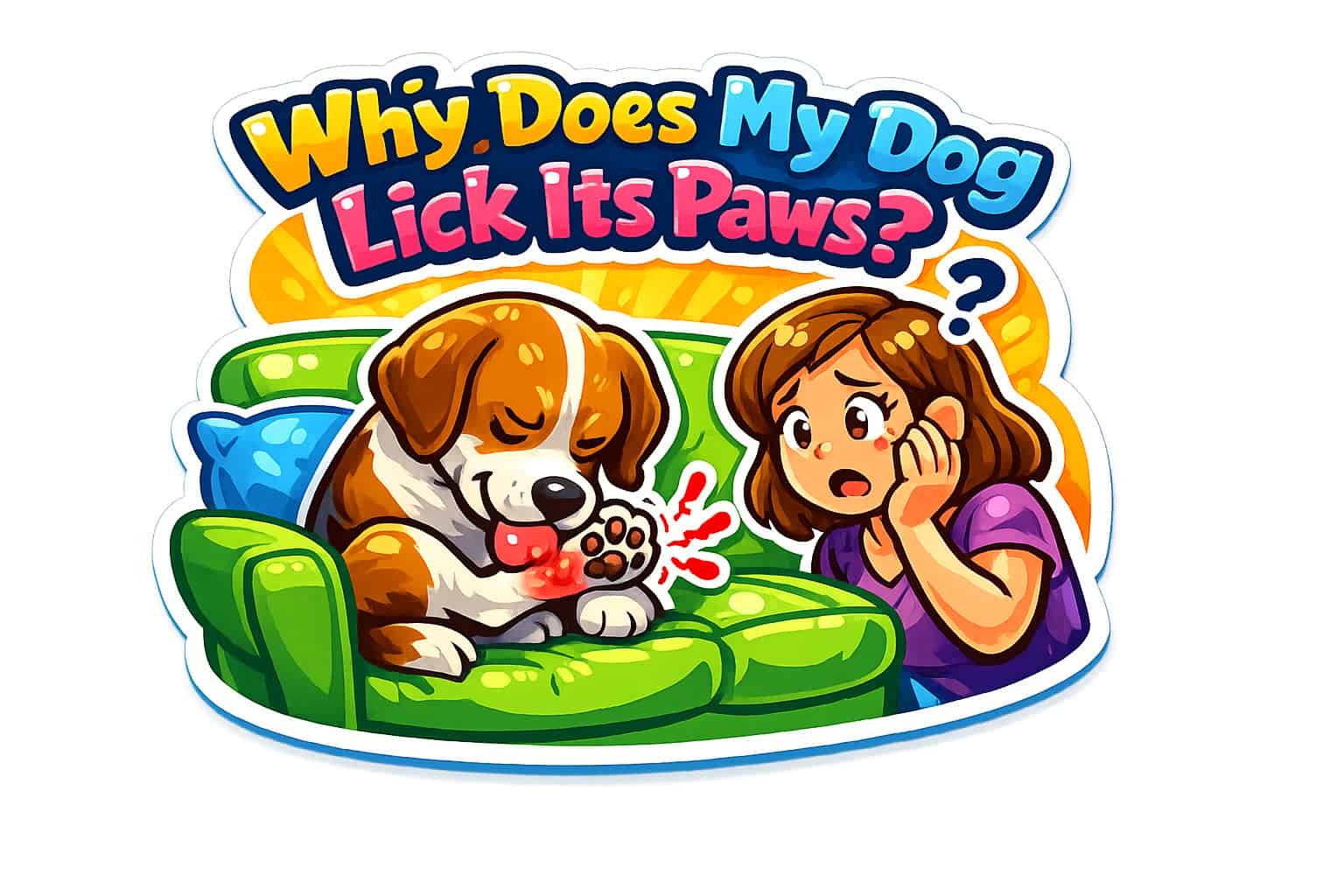
You notice your dog licking its paws, and at first it seems harmless. Dogs clean their paws as part of normal grooming, especially after walks or play time. The concern starts when the licking happens often, lasts a long time, or leaves the paws red or sore.
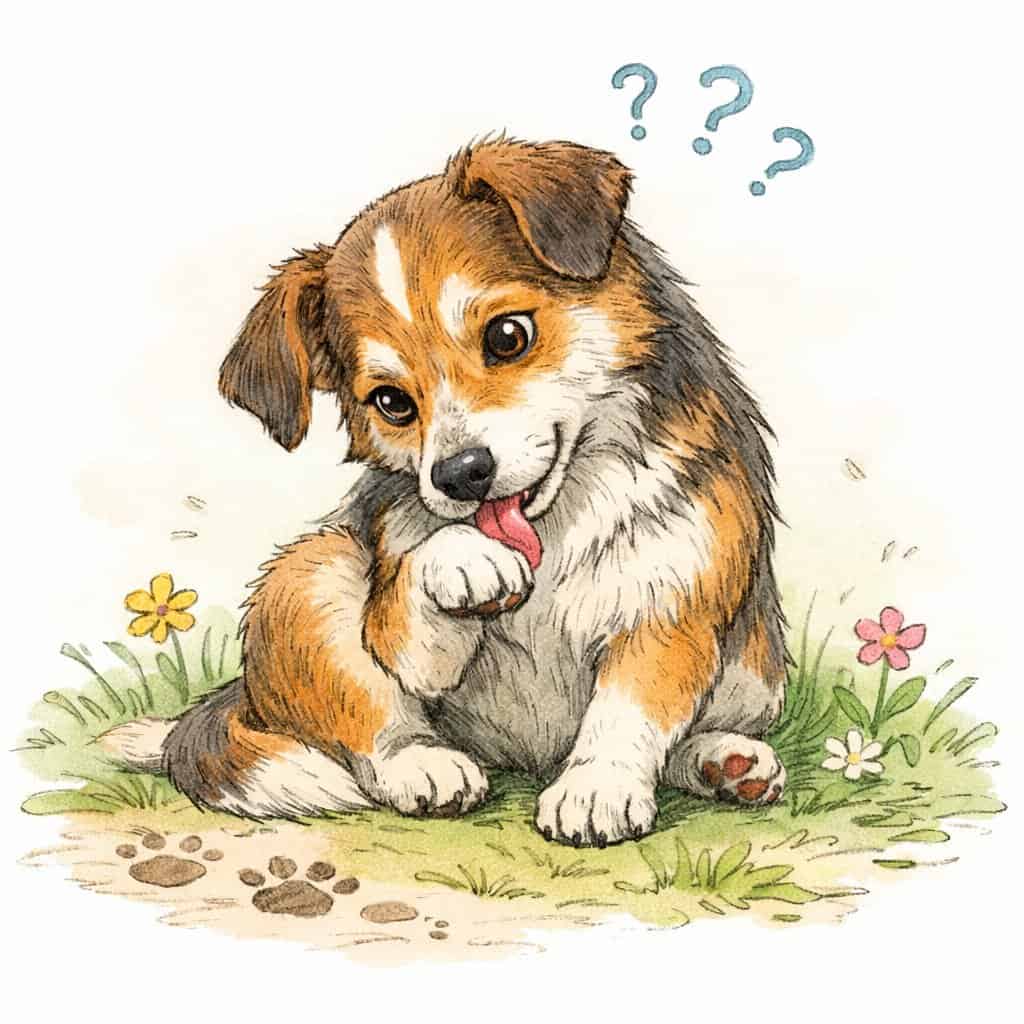
Your dog usually licks its paws because of allergies, irritation, injury, anxiety, or a habit that has gone too far. This behavior often points to something that feels itchy, painful, or stressful. The cause can be physical, emotional, or both.
Understanding why this happens helps you know when to watch and when to act. As you learn the common reasons behind paw licking, you can also learn simple ways to reduce it and help your dog feel more comfortable day to day.
Common Reasons Dogs Lick Their Paws
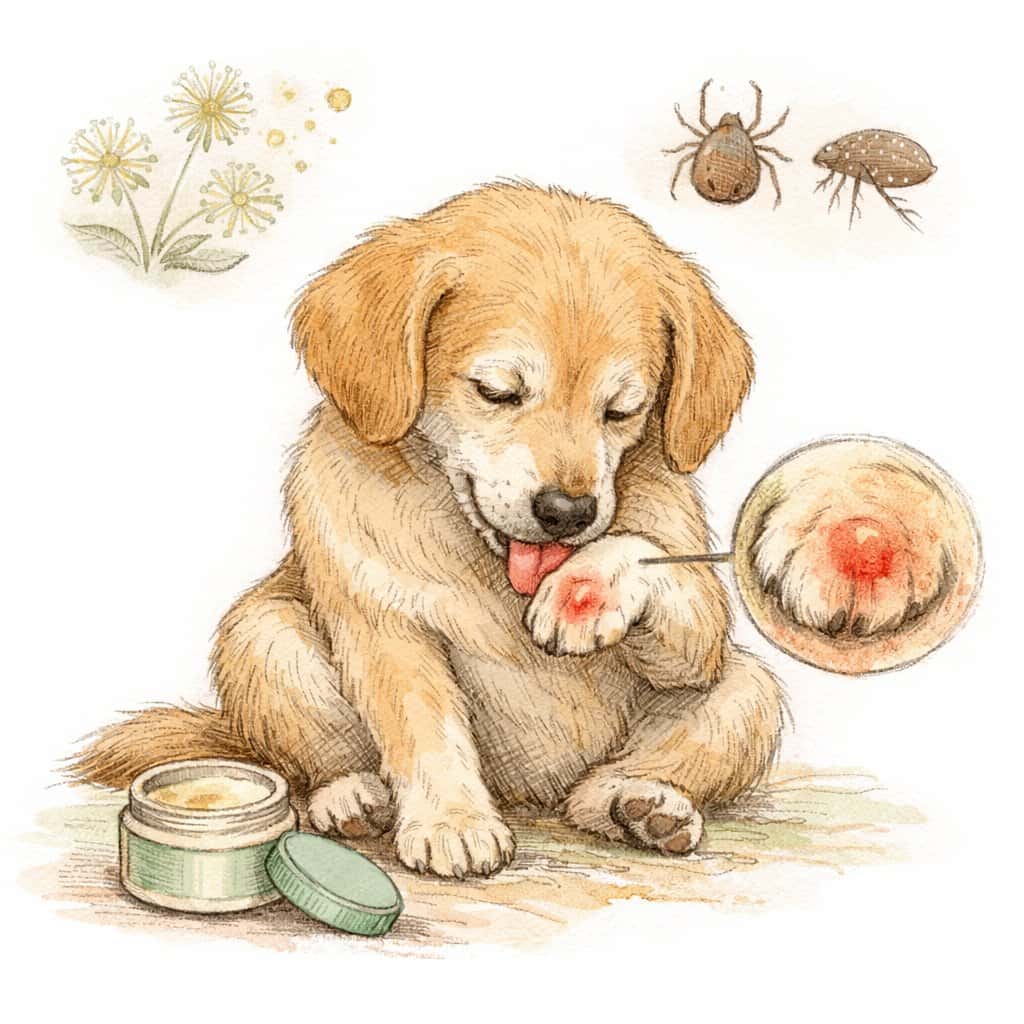
Dogs lick their paws for clear reasons tied to comfort, health, and stress. The most common causes include allergies, pain, skin problems, and habits linked to anxiety or boredom.
Allergies and Sensitivities
Allergies rank as a top cause of paw licking. Your dog may react to pollen, grass, dust, mold, or certain foods.
You often see red skin, swelling, or a strong smell between the toes. Licking brings short relief but can worsen irritation.
Common triggers include:
- Environmental allergens: pollen, weeds, grass
- Food sensitivities: beef, chicken, dairy, wheat
- Contact irritants: cleaners, lawn treatments, salt
Seasonal licking points to outdoor allergies. Year-round licking often links to food. A vet can help test triggers and guide treatment like diet changes or allergy care.
Injury or Pain
Pain drives dogs to focus on one paw more than others. Even small injuries can cause nonstop licking.
Check for visible signs:
- cuts or scrapes
- thorns or splinters
- cracked pads
- insect stings
Your dog may limp or pull away when you touch the paw. Licking acts as self-soothing but delays healing. Clean minor wounds and watch closely. If swelling, heat, or limping lasts more than a day, a vet visit matters.
Parasites or Infections
Parasites and infections irritate the skin and cause intense itching. Fleas often target paws, legs, and belly.
Yeast and bacterial infections also cause licking. You may notice:
- a yeasty or sour odor
- dark discharge between toes
- thick or flaky skin
- hair loss around the paw
Moist paws raise the risk, especially after swimming or rain. Regular cleaning and drying help. Vets treat infections with topical or oral meds based on the cause.
Behavioral Causes
Some dogs lick their paws due to stress or boredom. This habit works like nail-biting in people.
Triggers include:
- long periods alone
- changes at home
- lack of exercise or mental play
You may notice licking during quiet times, like evenings. The paws often look normal at first. Over time, constant licking can injure the skin.
Increase walks, play, and training games. Calm routines and puzzle toys help reduce stress-driven habits.
How to Address and Prevent Paw Licking
You can reduce paw licking by finding the cause, giving steady home care, and knowing when to get help. Small daily steps often make a clear difference for your dog’s comfort.
### Identifying the Underlying Cause
Start by watching when and how often your dog licks. Timing gives clues. Licking after walks often points to grass, pollen, or chemicals on the ground.
Check the paws in good light. Look for red skin, cuts, swelling, odor, or discharge. These signs suggest injury or infection. Also check between the toes and around the nails.
Use behavior clues. Dogs that lick more during stress may deal with anxiety or boredom. Loud noises, long alone time, or changes at home can trigger this.
Common causes to consider:
- Allergies: food, pollen, dust, or fleas
- Pain or injury: thorns, cracks, sore joints
- Skin issues: yeast or bacterial infections
- Stress habits: repeated licking with no skin damage
### Home Care Tips
Clean paws after walks. Use warm water and dry them well, especially between toes. This removes irritants before they cause itch.
Limit licking time. A cone or soft boot can help while skin heals. Use these only as needed and keep sessions short.
Support skin health at home:
- Wash bedding weekly to cut allergens
- Trim fur around paws to keep skin dry
- Use vet-approved balms for dry or cracked pads
Keep your dog busy. Daily walks, play, and puzzle toys lower stress. Mental work often reduces habit licking.
Avoid human creams or harsh cleaners. These can burn skin or make licking worse.
### When to Visit the Veterinarian
See your vet if licking lasts more than a few days or gets worse. Ongoing licking can lead to infection fast.
Get help right away if you notice:
- Limping or pain
- Open sores or bleeding
- Strong smell or pus
- Sudden behavior changes
Your vet may run skin tests, check for allergies, or look for joint pain. Treatment may include medicated washes, diet changes, or anxiety support.
Follow the plan closely. Consistent care gives your dog the best chance to heal and stay comfortable.