
Why Does My Dog Get the Zoomies?


Your dog suddenly sprints, spins, and races through the house like a rocket. You watch and wonder what just flipped that switch and whether it means something is wrong.
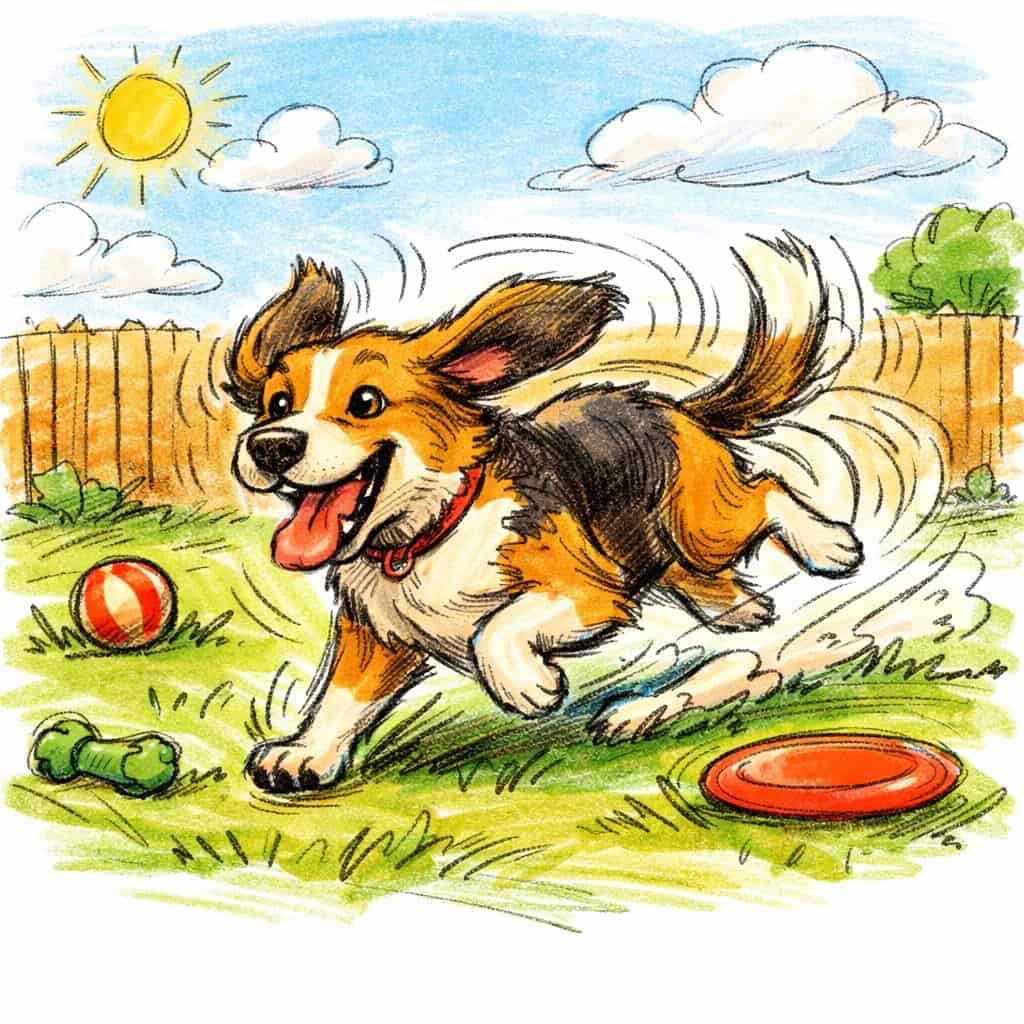
Your dog gets the zoomies to release built-up energy or strong feelings like excitement or stress, and it is usually normal behavior. These bursts often pop up after a walk, a bath, playtime, or a long day of rest.
Once you know why it happens, you can spot the triggers and respond in a calm, safe way. That makes it easier to support your dog’s needs and enjoy those wild moments instead of worrying about them.
Why Dogs Get the Zoomies
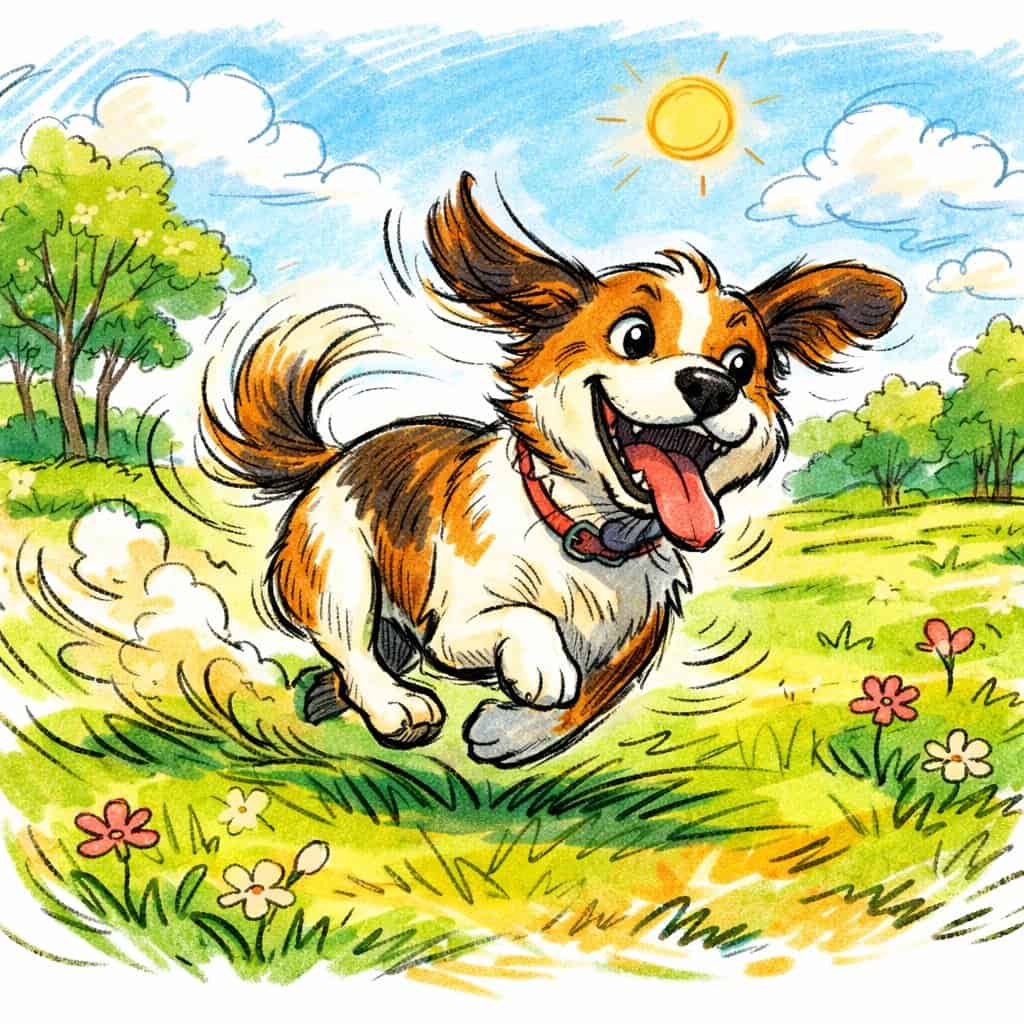
Dogs show zoomies as short bursts of fast movement tied to energy, emotion, and routine. These moments often link to daily triggers, your dog’s age, and natural traits tied to breed.
What Are Zoomies?
Zoomies are short periods when your dog runs fast, often in circles or sharp turns. Vets call them frenetic random activity periods. They usually last seconds to a few minutes.
Your dog uses zoomies to release stored energy or strong feelings. You may see them after rest, play, or a change in routine. The behavior looks wild, but it stays normal for healthy dogs.
Zoomies often include playful body language. Your dog may bow, spin, or sprint with loose movements. These signs show excitement, not aggression or fear.
Common Triggers for Sudden Energy Bursts
Certain moments tend to spark zoomies. These triggers often stack up during a normal day.
Common causes include:
- After a bath or grooming, when your dog feels relief or excitement
- After being outside, especially in cold weather
- Before or after meals, tied to routine and anticipation
- During play, when excitement peaks
- When energy builds up, due to limited exercise
- During stress release, such as after a vet visit
If zoomies happen too often, your dog may need more walks or play. Regular exercise and mental games can reduce sudden bursts.
How Breed and Age Affect Zoomie Behavior
Age plays a clear role in how often zoomies happen. Puppies get them the most because they store energy fast and lack self-control. Adult dogs still zoom, but less often. Senior dogs may zoom briefly, with slower speed.
Breed traits also matter. Dogs bred for speed or work tend to show stronger bursts.
| Breed Type | Zoomie Tendency |
|---|---|
| Herding and sporting | Frequent and fast |
| Terriers | Short and intense |
| Toy breeds | Quick bursts indoors |
| Large calm breeds | Less frequent |
You can’t remove zoomies, but you can guide them. Safe space, steady routines, and daily exercise help your dog express energy without risk.
Managing and Responding to the Zoomies
Zoomies often come from extra energy, strong feelings, or daily routines. You can keep your dog safe, guide that energy in healthy ways, and spot signs that need attention.
Keeping Your Dog Safe During Zoomies
You protect your dog best by managing the space around them. Clear paths help prevent slips, crashes, and knocked-over items. Close doors to stairs and block tight areas where your dog could get stuck.
Stay calm and avoid chasing. Chasing can push your dog to run faster and take risks. If your dog zooms indoors, guide them outside when possible.
Quick safety checklist:
- Pick up toys and clutter
- Close stair gates and doors
- Move sharp or fragile items
- Use a fenced yard when available
Let zoomies run their course if the area stays safe. Most episodes end within minutes.
Encouraging Healthy Expression of Energy
You reduce zoomies by meeting your dog’s daily needs. Regular walks, playtime, and training sessions help burn energy before it builds up. Puppies and young dogs often need more activity than adults.
Mix physical and mental work. Short training games, puzzle toys, and scent games tire your dog without long runs.
Helpful daily habits:
- Two or more walks based on age and breed
- Interactive play like fetch or tug
- Brief training sessions with treats
- Calm routines after baths or crate time
Avoid trying to stop zoomies with commands. Instead, plan for them and give your dog safe ways to release energy.
When to Be Concerned About Hyperactivity
Most zoomies stay normal and harmless. Pay attention when episodes happen too often, last longer, or turn rough. Sudden changes in behavior can signal stress or unmet needs.
Watch for signs that call for a vet or trainer:
- Zoomies paired with aggression or fear
- Trouble settling down after exercise
- Pacing, whining, or destructive behavior
- Zoomies starting later in life with no clear cause
Health issues, anxiety, or pain can raise energy levels. If you feel unsure, seek advice early. Early support helps your dog stay comfortable and safe.