My Senior Dog Can’t Chew Dry Kibble Anymore. What now?

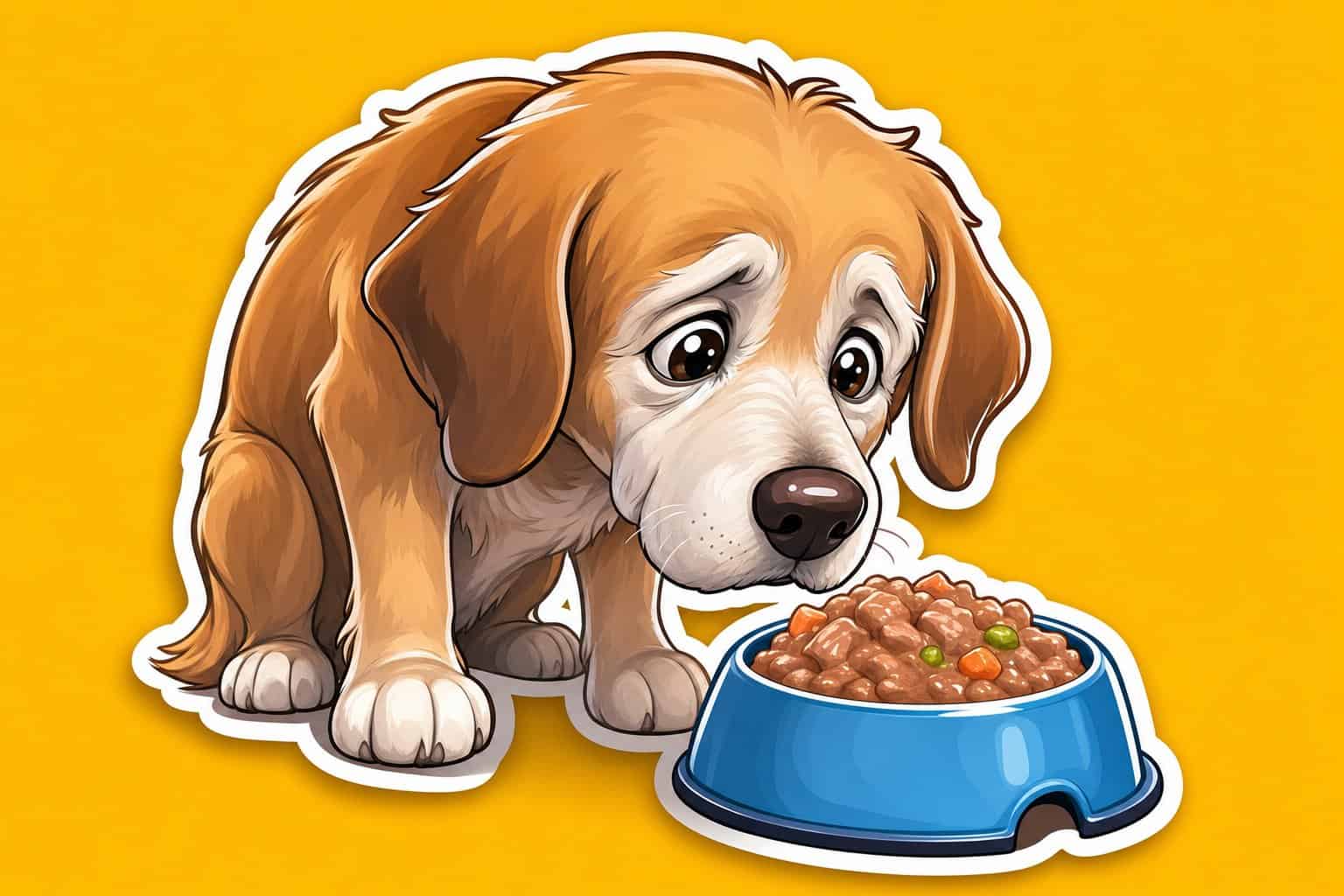
When your older dog suddenly turns away from the kibble bowl they’ve eaten from for years, it can feel worrying. Maybe you’ve noticed them picking at their food, dropping pieces, or walking away hungry.
If your senior dog can’t chew dry kibble anymore, switch to wet food, soften their kibble with warm water or broth, or try fresh food options that are easier on their teeth and gums.
This shift in eating habits is actually pretty common as dogs age. Dental disease, missing teeth, jaw pain, and weaker muscles can all make crunching through hard kibble uncomfortable or even impossible.
The good news is that you have several practical options to keep your senior dog well-fed and happy without forcing them to struggle through meals.
Understanding why this is happening and knowing what alternatives work best can make a real difference in your dog’s quality of life. You’ll learn how to spot the signs early, what food options are gentle on aging mouths, and when it’s time to check in with your vet about underlying health issues.
Why Your Senior Dog Isn’t Eating Kibble
When your senior dog stopped eating kibble or is suddenly turning their nose up at their usual dry food, it’s rarely just pickiness. Dental pain, digestive changes, underlying illness, and even stress can all make your older dog refuse the food they once loved.
Dental Problems Make Chewing Painful
Dental issues are one of the most common reasons your senior dog won’t eat kibble anymore. Broken teeth, gum disease, tooth decay, and oral infections make chewing hard kibble painful or even impossible for aging dogs.
Your old dog not eating might be showing you they’re in pain without being able to tell you directly. Watch for signs like dropping food from their mouth, chewing on one side only, pawing at their face, or bad breath that’s worse than usual.
Some dogs will approach their food bowl with interest but back away after trying to bite down on the kibble. Periodontal disease affects over 80% of dogs by age three, and the problem only gets worse as they age.
Loose teeth, receding gums, and exposed roots all make dry kibble feel like chewing on gravel. If your dog not eating is accompanied by drooling, reluctance to let you touch their mouth, or visible redness around the gums, a dental exam should be your first step.
Even if teeth look okay from the outside, fractured teeth or abscesses below the gum line can cause significant pain. Your vet can do a thorough oral exam and may recommend dental X-rays to see what’s happening beneath the surface.
Their Digestion Changes as They Age
Your older dog not eating kibble might simply be dealing with normal age-related changes to their digestive system and metabolism. Senior dogs produce less saliva, stomach acid, and digestive enzymes, which makes breaking down dry, dense kibble harder on their system.
The sense of smell also weakens with age, and since dogs rely heavily on scent to stimulate appetite, kibble that seemed appealing before might not register as food anymore. A senior dog not eating dry food but willing to eat wet food or fresh options is often responding to the stronger aroma and easier digestibility of softer foods.
Slower gut motility is another factor. Food moves through the digestive tract more slowly in older dogs, which can lead to feelings of fullness, nausea, or discomfort after eating hard kibble.
Some senior dogs also develop sensitivities to ingredients they tolerated fine for years, leading to stomach upset that makes them avoid their bowl entirely. If your dog not eating is paired with weight loss, lethargy, or changes in stool, their digestive system might need more support than kibble alone can provide.
Softening kibble with warm water or switching to more digestible food formats can make a real difference.
Could an Illness Be Causing This?
When your old dog not eating becomes a pattern, illness could be the underlying cause. Kidney disease, liver problems, cancer, diabetes, and other age-related conditions often show up first as appetite loss or food refusal.
A dog not eating and vomiting is especially concerning and warrants an immediate vet visit. But even without vomiting, ongoing appetite changes in senior dogs should never be ignored.
Subtle signs like eating less than half their normal portion, taking longer to finish meals, or only eating when hand-fed can all point to underlying health issues. Pain from arthritis, hip dysplasia, or other joint problems can also make it uncomfortable for your senior dog to bend down to eat from a floor-level bowl.
If your dog won’t eat kibble but seems interested in food held at chest height, pain during eating posture might be the problem. Elevated bowls can help in these cases.
Nausea from medications, particularly common pain relievers or antibiotics, can make kibble unappealing or even trigger food aversion. If your senior dog not eating started shortly after beginning a new medication, talk to your vet about alternatives or anti-nausea support.
Stress and Cognitive Changes Play a Role Too
Your dog stopped eating kibble might also be related to cognitive decline or emotional stress.
Canine cognitive dysfunction, similar to dementia in humans, affects many senior dogs and can cause confusion around mealtimes, forgetting where their food bowl is, or losing interest in eating altogether.
Changes in household routine, new pets, moving furniture, or even a different family member doing the feeding can stress older dogs more than younger ones. Senior dogs often crave routine and predictability, and disruptions can lead to appetite loss or food refusal.
Some older dogs develop anxiety around their food bowl if they’ve had a negative experience like choking, vomiting after eating, or being startled while eating.
A senior dog not eating from their usual bowl but willing to eat from your hand or a different dish might be showing you they’ve developed a negative association with that specific spot or container.
Loneliness and depression also impact appetite in aging dogs, especially if they’ve recently lost a companion animal or if their favorite person is gone more often. Dogs are social eaters, and some seniors simply lose motivation to eat when they feel isolated or anxious.
Gentle Feeding Options for Dogs Who Can’t Chew Kibble
When your senior dog struggles with dry kibble, you have several good options to make meals easier to eat. Softer foods and simple changes to your dog’s current diet can help keep your older dog eating well.
Canned Dog Food Is Easy to Eat
Canned dog food works well for senior dogs who can’t handle hard kibble anymore. The soft texture requires almost no chewing, which makes it perfect for dogs with dental problems or weak jaws.
Look for canned food labeled „complete and balanced“ by the AAFCO. This means the food has all the nutrients your dog needs.
Senior-specific formulas often have joint support ingredients and fewer calories since older dogs may need dietary adjustments.
Check the ingredient list carefully. Meat or fish should be the first ingredient.
Avoid foods with too many fillers or by-products. Start by mixing a small amount of canned food with your dog’s current diet if they’re still eating some kibble.
Gradually increase the canned portion over 7-10 days to avoid stomach upset.
Soften Their Kibble With Broth or Water
You can keep feeding your dog their regular kibble by making it softer. Add warm water or low-sodium chicken broth to the dry food and let it sit for 5-10 minutes.
The kibble will absorb the liquid and become much easier to chew. Use enough liquid to create a porridge-like consistency.
Too little won’t soften it enough, while too much can make it soupy and less appealing.
Benefits of adding broth:
- Adds flavor that encourages eating
- Provides extra moisture
- Makes food smell more appealing
- Easy on your budget
Avoid broths with onions, garlic, or high salt content. These can harm your dog.
Plain warm water works fine if you don’t have safe broth available. This method lets you continue using the kibble your dog already knows.
Fresh Dog Food Might Be Worth Trying
Fresh dog food offers a soft option that’s less processed than kibble. These meals come refrigerated or frozen and contain real ingredients you can recognize.
Many companies now make fresh food specifically designed for senior dogs. The texture is naturally soft and moist.
Your dog won’t need to crunch through anything hard. Popular fresh food options include:
- Refrigerated rolls you slice
- Pre-portioned meal packs
- Gently cooked meat and vegetables
- Human-grade ingredients
Some fresh foods are gently steamed to keep nutrients intact. This cooking method creates a tender texture perfect for dogs with chewing difficulties.
Fresh food costs more than kibble or canned options. But it may help if your senior dog not eating has become a problem.
The smell and taste often appeal to picky eaters. Store fresh food properly in your refrigerator and use it within the recommended time.
Throw away any uneaten portions after 1-2 hours at room temperature.
You Can Make Simple Meals at Home
You can make simple, soft meals at home for your senior dog. Bland diets with gentle ingredients work well for dogs with sensitive stomachs or dental issues.
A basic recipe includes boiled chicken or turkey mixed with plain white rice. Cook the meat thoroughly and shred it into small pieces.
Mix it with the rice at a 1:2 ratio (one part meat to two parts rice). You can also use boiled ground beef or fish.
Sweet potato or pumpkin can replace rice for variety. Mash everything together until it’s soft and easy to swallow.
Talk to your vet before switching to homemade food long-term. These bland meals don’t have all the vitamins and minerals your dog needs for months of feeding.
Your vet can recommend supplements or help you create a balanced homemade diet plan.
How to Make Meals Appealing and Nutritious
When your senior dog struggles with dry kibble, making food both tempting and healthy becomes your top priority. You can transform meals by adding safe toppers, improving smell and texture, and meeting your older dog’s changing nutritional needs.
Add Healthy Toppers They’ll Actually Want
You can make kibble more appealing by adding safe, healthy toppers that encourage your senior dog to eat. Warm, low-sodium chicken or beef broth works well to soften food and add flavor.
Plain cooked chicken, turkey, or lean beef cut into small pieces makes an excellent protein topper. Canned pumpkin (not pie filling) adds fiber and moisture while being easy on the stomach.
Plain yogurt or cottage cheese provides protein and probiotics for digestion. You can also add small amounts of cooked sweet potato, green beans, or carrots for vitamins.
Safe topper options include:
- Warm bone broth (low or no sodium)
- Plain cooked meats
- Canned pumpkin
- Plain yogurt or cottage cheese
- Cooked vegetables (no onions or garlic)
Avoid adding table scraps with salt, spices, or fat. Never use foods toxic to dogs like onions, garlic, grapes, or chocolate.
Start with small amounts of any new topper to avoid stomach upset.
Make It Smell Better and Easier to Chew
Senior dogs often have weaker senses of smell and taste, so making food smell stronger helps them eat better.
Warming food to body temperature releases more aroma and makes it more appealing.
You can heat wet food or softened kibble for 10-15 seconds in the microwave.
Adding warm water or broth to dry kibble creates a soft texture that’s easier for older dogs to chew and enjoy.
Let it sit for 5-10 minutes until soft.
Some dogs prefer a soup-like consistency while others like it thicker.
Mixing wet and dry food together gives variety in texture.
The wet food adds moisture and smell while any remaining kibble pieces provide some crunch.
You can gradually increase the wet food ratio if your dog has trouble with harder pieces.
Senior Dogs Need Different Nutrition
Your senior dog needs different nutrition than younger dogs.
Older dogs need fewer calories because they move less, but they still need quality protein to maintain muscle.
A veterinary nutritionist can help determine what nutrients your dog needs based on their health conditions.
Look for senior-specific dog food with joint support ingredients like glucosamine.
Choose formulas with easily digestible proteins and moderate fat levels.
Foods with omega-3 fatty acids help with brain function and reduce inflammation.
Key nutrients for senior dogs:
- High-quality, digestible protein (chicken, fish, lamb)
- Lower calories to prevent weight gain
- Omega-3 fatty acids for joints and brain
- Fiber for digestive health
- Antioxidants for immune support
If your dog is not eating regularly, talk to your vet before making major diet changes.
Some health problems affect appetite and need treatment first.
When to Seek Veterinary Guidance for Appetite Loss
Not all appetite changes mean something serious is happening, but knowing when your senior dog needs professional help can make a real difference.
Sudden refusal to eat, vomiting alongside appetite loss, or weight dropping quickly are all signs that warrant a vet visit sooner rather than later.
Watch for These Warning Signs
If your senior dog not eating suddenly stops eating for more than 24 hours, that’s your cue to call the vet.
Older dogs don’t have the same reserves younger dogs do, and skipping meals can lead to dehydration and weakness fast.
Watch for these red flags:
- Vomiting or diarrhea along with not eating
- Lethargy or seeming confused or disoriented
- Weight loss that happens quickly over days or weeks
- Drooling excessively or pawing at the mouth
- Bad breath that smells different than usual
A dog not eating and vomiting at the same time could signal anything from kidney disease to pancreatitis to a bowel obstruction.
These aren’t things you can fix at home with a different food.
Your vet needs to run bloodwork and potentially imaging to figure out what’s going on.
Loss of appetite and not responding to their name are both behaviors that signal cognitive or physical problems in aging dogs.
Dental pain is another big one.
If your older dog suddenly won’t eat dry kibble but seems interested in food, broken teeth or gum disease might be the culprit.
A Veterinary Nutritionist Can Build a Custom Plan
A veterinary nutritionist specializes in creating custom diet plans for dogs with specific health conditions.
If your older dog not eating has kidney disease, diabetes, or food allergies, a nutritionist can design a meal plan that works around those issues while still being something your dog will actually eat.
Your regular vet can refer you to a board-certified veterinary nutritionist, or you can find one through the American College of Veterinary Nutrition.
They’ll review your dog’s medical history, current medications, and lab results to build a feeding strategy that supports their health without making things worse.
For dogs with multiple health problems, a nutritionist takes the guesswork out.
They know which nutrients to increase, which to limit, and how to balance everything so your senior gets complete nutrition even with a restricted diet.
Seeking veterinary advice ensures your dog gets the right nutrition for their specific situation.
Switch Foods Slowly to Avoid Stomach Upset
Don’t switch your dog not eating to a completely new food overnight, even if they’re being picky. Sudden diet changes can cause stomach upset, which makes the appetite problem even worse.
Transition gradually over 7-10 days by mixing the new food with the old. Start with 25% new food and 75% old, then slowly increase the new food ratio every couple of days.
This gives your senior’s digestive system time to adjust.
If your older dog needs softer food because of chewing issues, you have options:
Add warm water or low-sodium broth to kibble and let it soak for 10-15 minutes
Mix in wet food to make dry kibble easier to chew
Switch to canned food or fresh food completely
Try dehydrated or freeze-dried food rehydrated with water
Before making major changes, talk to your vet about whether your senior needs bloodwork to check kidney function, liver values, or thyroid levels. These results help determine which type of food is safest.
Consulting with a veterinarian or veterinary nutritionist before adjusting your dog’s diet helps avoid accidentally worsening existing health problems.