My Dog Suddenly Lost Teeth – Is This Normal for Senior Dogs?

You spot a tooth on the kitchen floor, or maybe you notice a new gap in your senior dog’s smile. Sudden moment of panic.
Loosing teeth in older dogs is actually pretty common, but it’s almost always a sign of something going on with their dental health. It’s not something to brush off, even if your dog seems fine.
Just like us, dogs‘ teeth take a beating over the years. As they get older, their dental health gets more fragile. You might wonder, is this just aging, or is something else at play?
Dental Health in Senior Dogs
Older dogs‘ teeth face more wear and tear, so dental problems crop up more often. Age brings changes that weaken teeth and gums. Sometimes the warning signs creep up so slowly, you barely notice.
Aging Changes Your Dog’s Teeth
Picture your dog’s teeth like an old house, years of use add up. Enamel wears down gradually, and maybe your dog’s teeth look longer than they used to.
Gums recede with age, showing more of the tooth root. That makes teeth weaker and more likely to fall out.
Older dogs make less saliva. Since saliva helps wash away bacteria and food, less of it means more plaque sticks around.
Their immune system doesn’t fight bacteria as well anymore. That gives gum disease and tooth infections an easier time.
Jaw bones can lose density too. Weaker bones mean teeth don’t stay anchored as well.
Dental Issues in Older Dogs
Have you noticed your dog acting weird at meal time? Changes in eating habits often come first.
Look for things like:
- Breath that smells worse than usual
- Trouble chewing or dropping food
- Pawing at the mouth or face
- Yellow or brown stuff on the teeth
- Red, swollen, or bleeding gums
- Loose or missing teeth
You might see your dog avoiding hard kibble or toys they once loved. Some dogs chew on just one side if the other hurts.
If your usually friendly dog turns grumpy or hides more, dental pain could be the culprit. Sometimes you’ll spot extra drool, maybe even tinged with blood.
Is Sudden Tooth Loss Normal for Senior Dogs?
Sudden tooth loss in older dogs sits in a gray area. Some tooth loss happens with age, but when a tooth falls out suddenly, it’s usually a sign of dental disease.
Aging or Health Problem?
Teeth don’t just drop out because your dog is old. Dogs usually lose teeth when something’s gone wrong.
Healthy aging rarely leads to sudden tooth loss. Most dogs keep their teeth if their mouths stay healthy. You might see some yellowing or tartar, but teeth should stay put.
Health problems are usually behind tooth loss. When a tooth falls out, it’s often because the support structures have failed, like a tree losing its roots.
Normal aging is slow. If a tooth loosens or falls out quickly, that’s a health issue.
Why Do Senior Dogs Lose Teeth?
A few main problems cause sudden tooth loss in older dogs. Knowing these can help you spot trouble early.
Periodontal disease is the number one cause. This infection attacks gums and bone. Bacteria hide under the gum line, and the tooth eventually loses its anchor.
Thick tartar pushes gums away from the teeth. When tartar builds up, bacteria have more places to hide, and your dog’s immune system can’t keep up.
Broken or cracked teeth create weak spots. Maybe your dog chewed something too hard, or an old injury finally caught up. These teeth often get infected at the roots.
Other health issues like diabetes or kidney disease can also make it harder for your dog to fight mouth infections.
Common Causes of Tooth Loss in Old Dogs
Periodontal disease is the main cause of tooth loss in senior dogs. Years of chewing on hard things can also wear down teeth.
What Is Periodontal Disease?
Has your dog’s breath gotten worse lately? That can be the first clue.
Periodontal disease starts with plaque. It’s like the sticky stuff on your teeth in the morning. Over time, this hardens into tartar.
Bacteria in plaque and tartar make gums red and swollen. You might see your dog drooling or pawing at their mouth.
As it gets worse, it attacks the structures holding the teeth. Gums pull away, and bone gets damaged.
Eventually, teeth loosen and fall out. It’s painful and makes eating difficult.
Dental Trauma in Senior Dogs
Years of chewing on hard things can add up like rocks, bones, tennis balls. Older teeth crack or break more easily.
Hard bones, ice cubes, and even some toys can fracture senior dogs‘ teeth. What was fine when they were young can now cause big problems.
A fall or bump to the face can also break or loosen teeth that are already weak.
What to Do If Your Senior Dog Loses Teeth
If your older dog loses a tooth, try to stay calm. There are steps you can take right away.
First Steps at Home
Don’t panic, this happens more than you might think.
If your dog lets you, gently check their mouth. Look for:
- Bleeding or swelling
- Other loose teeth
- Broken pieces
- Bad smell
Don’t force your dog’s mouth open. Even gentle dogs can bite if they’re hurting.
If you find the tooth, rinse it with water. You don’t need to save it, dogs can’t get implants like people.
Watch how your dog eats. Are they avoiding food? Chewing on one side? These signs can tell you if they’re in pain.
Switch to soft food for now. Wet food or soaked kibble is easier and less painful to eat.
When to Call the Vet
Call your vet within 24 hours if your dog loses a tooth suddenly. Even if your dog seems okay, a vet should check for problems.
Call right away if you see:
- Bleeding that won’t stop
- Severe pain or crying
- Not eating or drinking
- Swelling around the face
- Fever or acting really tired
Your vet will check your dog’s whole mouth, not just the missing tooth spot. They might find other issues you missed.
If more than one tooth falls out, don’t wait. This usually means serious gum disease.
Tooth loss is common in older dogs, but it’s never just „normal.“ It means something needs attention, whether that’s better care or treatment.
Preventing More Dental Problems
Good dental care can slow down tooth loss and keep your senior dog comfortable. Home care and regular vet visits work best together.
Basics of Home Dental Care
Daily brushing makes a big difference. Use a toothbrush and toothpaste made for dogs, never human toothpaste.
If your dog isn’t used to brushing, start slow. Let them sniff the toothpaste, then try brushing just a few teeth.
Tips for brushing:
- Use gentle circles on teeth and gums
- Focus on the outer sides
- Brush for 30 to 60 seconds
- Praise and give treats after
Dental chews and toys help between brushings. Look for products approved by the Veterinary Oral Health Council. Avoid hard bones, they can crack weak teeth.
Water additives and dental treats aren’t as good as brushing, but they’re better than nothing if your dog won’t cooperate.
Vet Cleanings and Checkups
Your vet should check your dog’s teeth every six months after age seven. They can catch problems before you notice.
Professional cleanings remove tartar below the gum line. Senior dogs need anesthesia for this, which can worry some owners.
During dental visits, expect:
- Full mouth X-rays
- Scaling above and below the gum line
- Polishing to smooth teeth
- Possible extractions
Ask about blood work before anesthesia. This checks if your dog’s organs can handle it.
Some dogs need yearly cleanings, others less often. Your vet will decide based on your dog’s needs.
Nutrition Tips for Toothless or Tooth-Losing Senior Dogs
Feeding a toothless dog means switching to softer foods and making meals easier to swallow. You can still give them balanced nutrition with the right choices.
Choose Foods That Work
Wet food is a lifesaver when your dog loses teeth. Canned, pâté-style foods are already soft.
Look for senior formulas with added nutrients for older dogs.
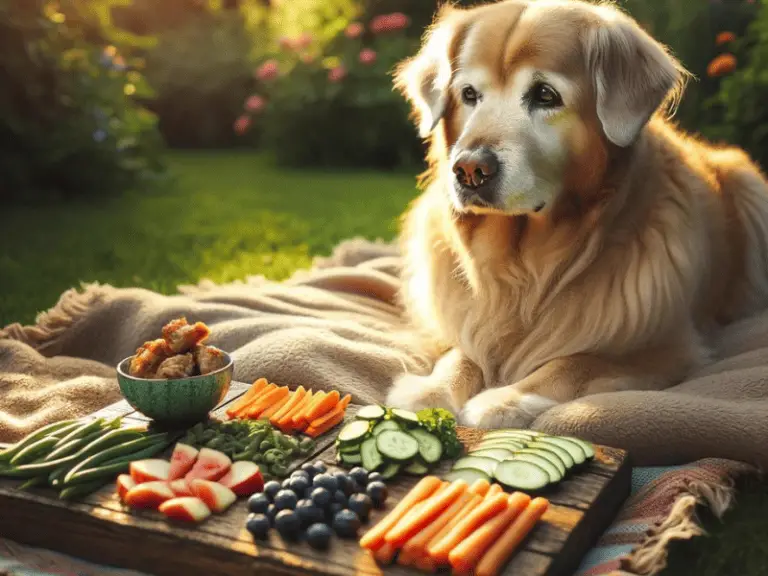
Cooked veggies like mashed sweet potatoes, steamed carrots, or squash make great additions. But skip onions and garlic, they’re toxic.
Lean meats like chicken, turkey, or fish work well if cooked until tender and shredded. Dogs can gum soft meats surprisingly well.
Soft grains like cooked rice or oatmeal add energy and fiber. Mix these with protein and veggies for a complete meal.
Pour a little bone broth over kibble to soften it and add flavor.
Make Meals Easier
Blending or mashing food helps a lot. Use a food processor or just mash with a fork.
Try the „finger test“: if you can mash it with your finger, your dog can probably eat it.
Warm food a little before serving to bring out the smell. Cold food is less appealing and harder to taste.
Feed smaller, more frequent meals. That way, your dog doesn’t get tired eating. Raise food bowls to make eating easier. It takes pressure off your dog’s neck.
Add warm water or low-sodium broth to soften any hard bits and boost hydration.
How Tooth Loss Affects a Senior Dog’s Daily Life
When your senior dog loses teeth, everyday things like eating and playing can get tricky. The biggest changes usually show up at mealtime and during play.
Eating and Chewing with Fewer Teeth
Your dog’s eating habits will change. Hard kibble gets tough to crunch, and you might see them drop food or swallow pieces whole.
What you might notice:
- Food falling out while chewing
- Meals taking longer
- Avoiding hard treats
- Tilting their head to use remaining teeth
Soft foods are your friend. Wet food, soaked kibble, or homemade meals work well.
Don’t worry if your dog swallows soft food without chewing. Their stomach can handle it. It’s a bit like eating soup. Chewing isn’t always necessary.
Some dogs come up with clever ways to eat. They might use their back teeth more or press food against the roof of their mouth. Dogs are pretty good at adapting, honestly.
How Missing Teeth Affect Your Dog’s Play and Comfort
Missing teeth change how your dog interacts with toys and shows affection. You might notice they’re gentler when taking treats from your hand. Sometimes, they avoid their usual tug-of-war games.
Changes in play behavior:
- Less interest in hard chew toys
- Gentler mouth contact during play
- Preference for softer toys
- A new way of carrying objects
Your dog’s mouth might feel tender for a few days after losing teeth. That’s pretty normal, but keep an eye out for signs of pain like pawing at their face or refusing food.
Rope toys and tennis balls might not excite them much anymore. Try soft plush toys or rubber toys they can gum instead of biting hard.
Some dogs get more careful about how they use their mouth. If your usually mouthy dog seems reserved, they’re just figuring things out.