12 Ingredients to Look for in Senior Dog Food


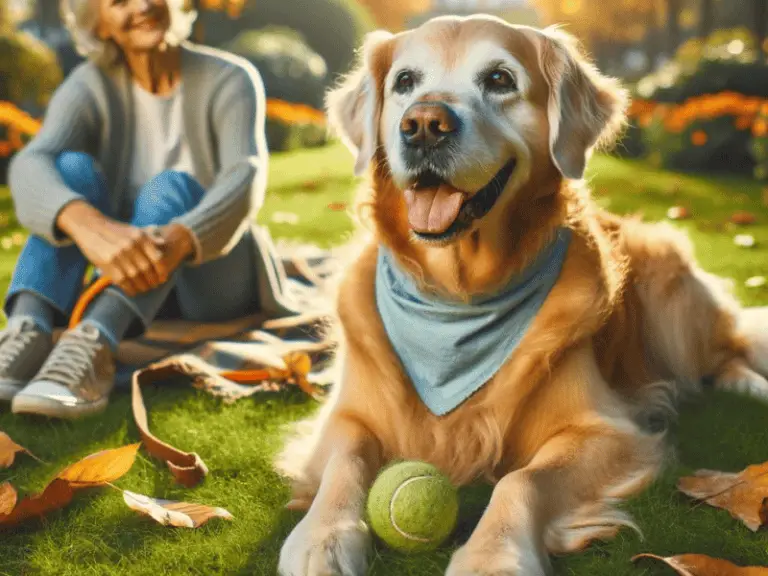
As your dog enters their golden years, you’ve probably noticed some changes. Maybe they’re not as eager to chase that tennis ball, or perhaps they take a little longer to get up from their favorite napping spot.
Just like us, senior dogs have different nutritional needs than their younger counterparts. Choosing the right ingredients in your senior dog’s food can really affect their comfort, energy, and overall quality of life.
When you walk down the pet food aisle, you’ll see plenty of options labeled “senior.” But what should you actually look for? From joint-supporting compounds to brain-boosting fatty acids, certain ingredients can help tackle the unique challenges that come with an aging body.
1) Glucosamine for Joint Support and Mobility
Maybe you’ve noticed your senior dog taking a little longer to rise from their nap. Like us, dogs deal with joint stiffness as they age.
Glucosamine acts like a cushion for your dog’s joints—think of it as oil for a squeaky hinge. It helps everything move more smoothly.
Your dog’s body makes glucosamine naturally when they’re young, but production slows down with age. That’s where glucosamine in their food steps in.
This ingredient supports cartilage health by encouraging new cartilage cells to grow. It also helps reduce inflammation in joints, making daily activities more comfortable.
Dogs over 7, especially larger breeds, benefit the most from glucosamine. If your dog loves long walks but seems stiffer lately, this might help them feel more like their younger self.
Look for senior dog foods that list glucosamine clearly on the ingredient panel. Some foods combine it with chondroitin for even better joint support.
2) Chondroitin to Protect Cartilage
Chondroitin acts like your dog’s cartilage bodyguard. This natural compound works with other ingredients to protect the soft tissue that cushions your dog’s joints.
As dogs age, their cartilage naturally breaks down. It’s like the padding in an old couch—it gets thinner and less supportive over time.
Chondroitin helps slow this breakdown. It blocks enzymes that damage cartilage and helps your dog’s body hold onto water in their joints.
This ingredient works best when paired with glucosamine. Together, they form a strong team for joint comfort and mobility.
You’ll often find chondroitin in quality senior dog foods, usually combined with other joint-supporting nutrients. Look for chondroitin sulfate on the ingredient panel.
Many pet owners notice their senior dogs moving more comfortably after switching to foods with chondroitin. While results can vary, it might help your aging companion stay active longer.
3) High-Quality Named Proteins for Muscle Maintenance
As your dog ages, their muscles need extra support to stay strong. It’s a bit like how we need more protein as we get older.
High-quality proteins are the building blocks your senior dog needs. Look for specific names like “chicken,” “beef,” or “salmon” on the ingredient list.
Avoid vague terms like “meat by-product” or “animal meal.” You wouldn’t want to eat mystery meat, and neither should your pup.
Chicken is easy to digest and packed with protein. Beef brings iron and B vitamins for active seniors. Fish like salmon adds omega-3s that help reduce inflammation in aging joints.
Your senior dog’s body breaks down muscle faster than it rebuilds it. Quality protein helps slow this process and keeps them moving comfortably.
Maybe your older dog seems less energetic? Proper protein intake can help them maintain muscle mass and energy. Look for these named proteins as the first ingredient on the label.
4) Omega-3 Fatty Acids from Fish Oil for Brain and Heart Health
Your senior dog’s brain and heart need extra support as they age. Omega-3 fatty acids from fish oil are like a daily vitamin for those vital organs.
Maybe your older dog isn’t as sharp as before? Fish oil contains EPA and DHA, two omega-3s that help keep your dog’s mind clearer.
These same fatty acids also support your dog’s heart. They act as natural helpers, reducing inflammation throughout the body.
The good news? Your dog doesn’t need to eat fish every day to get these benefits. Quality senior dog foods include fish oil right in the kibble.
If you spot salmon oil, sardine oil, or other fish oils in the ingredients, you’re on the right track. These should appear near the top of the list.
Some dogs seem more alert and energetic after a few weeks of omega-3s. Your senior pup deserves to feel their best.
5) Fiber from Whole Fruits and Vegetables for Digestion
Your senior dog’s digestive system isn’t what it used to be. Like us, older pups benefit from the gentle digestive support that whole fruits and veggies provide.
Fiber works like nature’s broom for your dog’s intestines. It helps food move smoothly and keeps things regular.
Whole fruits like apples, blueberries, and bananas offer soluble fiber that’s easy on sensitive stomachs. Sweet potatoes and carrots provide both types of fiber your dog needs.
If your senior dog struggles with constipation or loose stools, adding fiber-rich whole foods can help balance their system naturally.
Look for foods that list actual fruits and vegetables in the ingredients. You’ll see names like “sweet potatoes,” “carrots,” or “pumpkin” instead of vague “plant fiber.”
The key is choosing foods with whole ingredients, not just processed fiber additives. Dogs process real fruits and veggies better than artificial supplements.
Fresh pumpkin is especially helpful for senior dogs with digestive issues. It works for both constipation and diarrhea.
6) Antioxidants Like Vitamin E and C for Immune Strength
Your senior dog’s immune system needs extra support as they age. Like you might take vitamins, your older pup benefits from antioxidants in their food.
Antioxidants like vitamin E and C act as your dog’s personal bodyguards. They fight off harmful free radicals that can damage cells.
Vitamin C helps your dog’s body repair tissues and fight infections. It also boosts the effectiveness of other antioxidants.
Vitamin E protects your dog’s cells from daily wear and tear. You’ll often find it in fish, nuts, and leafy greens in human foods, and it works similarly for dogs.
These antioxidants matter even more for senior dogs since aging weakens immune function. It’s like updating your phone’s security, your dog needs that extra protection.
Look for foods that list vitamin E and C on the ingredient panel. Some foods add other antioxidants from fruits and veggies for even more immune support.
7) Limited Ingredient Diets for Allergies or Sensitivities
Does your senior dog scratch constantly or deal with stomach troubles after meals? Food allergies or sensitivities can get worse with age.
Limited ingredient diets use just one protein and one carbohydrate source. This makes it easier to figure out what’s bothering your dog.
It’s a bit like detective work. If your dog eats 15 ingredients, finding the culprit is almost impossible. With only three or four, you can spot the troublemaker quickly.
These diets reduce potential allergens in your dog’s bowl. Fewer ingredients mean fewer chances for reactions like itchy skin or digestive upset.
Senior dogs often develop new sensitivities as they age. Their digestive systems get more delicate, and old favorites might suddenly cause problems.
If you suspect food allergies, choose an AAFCO-approved limited ingredient formula. Look for single proteins like duck, salmon, or venison paired with simple carbs like sweet potato.
Transition slowly over 7-10 days. Your senior dog’s sensitive stomach needs time to adjust.
8) L-carnitine for Lean Muscle Mass
Has your senior dog started looking less muscular lately? It’s normal as dogs get older, but L-carnitine can help slow it down.
L-carnitine is an amino acid that works like a delivery truck in your dog’s body. It carries fat to the muscles, where it gets burned for energy instead of stored.
This process helps your older dog maintain muscle mass. Think of it like keeping the engine running smoothly in an older car.
When muscles use fat for fuel more easily, they stay stronger for longer. This means your furry friend can keep up with walks and playtime.
L-carnitine also supports your dog’s heart muscle. Since the heart works harder as dogs age, this extra support matters.
Many senior dog foods now include L-carnitine for these reasons. You’ll often see it in weight management formulas too.
If you’re unsure whether your dog needs more L-carnitine, ask your vet. They can help you decide if switching foods makes sense for your pup.
9) Prebiotics and Probiotics for Digestive Health
Your senior dog’s gut health becomes more important as they age. Their digestive system just doesn’t work as efficiently as before.
Probiotics are helpful bacteria that live in your dog’s stomach and intestines. They support digestion and boost immune function.
Prebiotics act as food for the good bacteria. They help probiotics grow and stay strong in your dog’s gut.
Together, these ingredients create a balanced gut environment. This helps your senior dog absorb nutrients better.
If your older dog has more stomach issues, probiotics can help with gas, loose stools, and upset stomach.
Look for foods that list specific probiotic strains on the label. Helpful ones include Lactobacillus and Bifidobacterium.
Prebiotic ingredients might show up as chicory root, beet pulp, or fructooligosaccharides. These fiber sources feed the good bacteria.
Your dog’s immune system depends heavily on gut health. About 70 percent of immune function happens in the digestive tract.
Adding these to your senior dog’s diet supports their overall wellness. They work behind the scenes to keep digestion on track.
10) Balanced Calcium and Phosphorus for Bone Strength
Your senior dog’s bones work harder than you might think. Like your own bones, they need the right nutrients to stay strong.
Calcium and phosphorus work as a team. Calcium builds strong bones and teeth, while phosphorus helps the body use that calcium properly.
It’s like a recipe—too much of one throws off the whole dish. The same goes for calcium and phosphorus in your dog’s food.
Senior dogs face unique challenges here. Their bodies don’t absorb nutrients as well, and their kidneys need extra protection from too much phosphorus.
If your older dog moves slower, poor calcium levels could lead to bone loss and joint pain. No one wants that for their furry friend.
Look for foods that list both calcium and phosphorus. The ratio should be balanced—usually around 1.2 parts calcium to 1 part phosphorus.
Many senior dog foods are specially formulated with this in mind. Your vet can help you choose the right option.
11) Natural Carbohydrates Like Sweet Potatoes for Steady Energy
Your senior dog needs reliable energy sources that won’t cause spikes and crashes. Sweet potatoes are perfect for this.
Unlike simple sugars, sweet potatoes give complex carbohydrates. These break down slowly in your dog’s system.
That means steady energy throughout the day, not quick bursts followed by fatigue. Sweet potatoes also provide fiber for digestion and are loaded with vitamins A and C.
If your senior dog tires more easily, complex carbs like sweet potatoes can help maintain their energy. They’re especially helpful for dogs who still love daily walks but need more fuel.
Other good carb sources include brown rice and oats. But sweet potatoes usually top the list because most dogs love their taste.
When checking labels, look for whole sweet potatoes, not sweet potato meal. The whole form keeps more nutrients.
12) Animal Fats or Plant Oils as Healthy Fat Sources
Your senior dog needs healthy fats just like you do. These fats give energy and help keep their coat shiny.
Animal fats like chicken fat and beef fat are common in dog food. They provide important fatty acids your dog can’t make on their own.
Plant oils bring different benefits. Fish oil, flaxseed, and canola oil contain omega-3s that support your dog’s brain and joints.
If your senior dog’s coat looks dull, the right balance of healthy fats can help bring back that puppy-like shine.
Look for foods that list specific fat sources instead of generic “animal fat.” Named sources like chicken fat or salmon oil tell you exactly what your dog is getting.
Older dogs process fats differently than younger ones, so quality matters more than quantity.
Both animal fats and plant oils serve important roles in your senior dog’s nutrition. The best foods combine both types to give your furry friend complete fat nutrition.
Why Ingredients Matter for Senior Dogs
As your dog gets older, their body handles food differently and new health issues can pop up. The right ingredients can really make a difference for their well-being in these later years.
How Older Dogs‘ Bodies Change
Your senior dog’s digestive system just isn’t what it was. Maybe dinner takes longer, or they seem less thrilled about mealtime?
Their metabolism slows down a lot after age seven. They burn fewer calories each day.
Older dogs also don’t absorb nutrients as well anymore. That means they can miss out on what they need, even if they’re eating the same food.
Muscle mass drops as dogs age. Without good protein, your dog could lose even more strength.
Everyday stuff like stairs or hopping on the couch gets tougher. It’s just part of getting older.
Their liver and kidneys don’t work as efficiently. These organs are supposed to filter toxins and process nutrients.
When those organs slow down, your dog needs food that’s easier to digest. It just helps everything run smoother.
A lot of senior dogs drink less water, too. Their sense of thirst kind of fades with age.
That can leave them dehydrated or constipated. It’s not always obvious, but it matters.
Common Health Concerns in Old Age
Arthritis hits most senior dogs eventually. You might see them moving slower or hesitating before they jump up.
Joint pain can make the simplest things uncomfortable. It’s tough to watch.
Heart problems show up more after age ten. Your dog’s heart muscle weakens, so it has to work extra hard.
Kidney disease is pretty common in older dogs. Their kidneys just can’t filter waste as well anymore.
That means toxins build up in their system. It’s not something you want to ignore.
Cognitive decline happens, too. Dogs can get forgetful or confused, just like people.
Sometimes they forget routines or seem lost in familiar places. It can be a little heartbreaking.
Dental disease gets worse as dogs age. Painful teeth and gums make eating tough.
A lot of older dogs start skipping hard kibble because chewing hurts. Soft food can help.
Weight gain sneaks up, since senior dogs move less but often eat the same amount. Extra weight puts more pressure on their joints and organs.
Balancing Nutrition for Your Grey-Muzzled Companion
Your senior dog’s body isn’t what it was in their puppy days. You’ll need to pay close attention to protein quality and calories.
Getting these right helps your older friend keep muscle without packing on extra pounds.
The Role of Protein as Dogs Age
Noticing your older dog looks less muscular? That’s totally normal.
Senior dogs lose muscle over time. High-quality protein matters more than ever to slow that down.
Check the ingredient list for protein at the top. Chicken, beef, fish, or lamb should come first.
Your senior needs protein that’s easy to digest. Their stomach just doesn’t work as hard as it used to.
Try to avoid foods loaded with plant proteins like corn gluten meal. Animal proteins just work better for keeping muscle on older dogs.
Most senior dogs do well with protein content around 18-25%. That might surprise you—lots of people think seniors need less protein.
If your dog has kidney issues, your vet might suggest less protein. Always talk to them before you make a switch.
Fat and Calorie Management for Slower Pups
Have you noticed your dog napping more and playing less? Most senior dogs slow down as they age.
Your dog’s calorie needs drop with age, so it’s easier for them to gain weight on the same old food. Extra pounds can stress those aging joints and organs.
Senior dog foods usually have 8-12% fat content. In comparison, adult dog foods often pack in 15-20% fat.
You might need to cut back on portion sizes, even with food made for seniors. Keep an eye on your dog’s waistline and tweak meals as needed.
Omega-3 fatty acids matter even more for older pups. These healthy fats can help support joint health and brain function.
Check the ingredient list for fish oil or flaxseed oil. Both help keep your dog’s coat shiny and joints more comfortable.
Some very old or underweight dogs actually need more calories, not fewer. Every dog is different, so you’ll want to pay attention to your own companion’s needs.