How to spot early arthritis signs in you senior dog

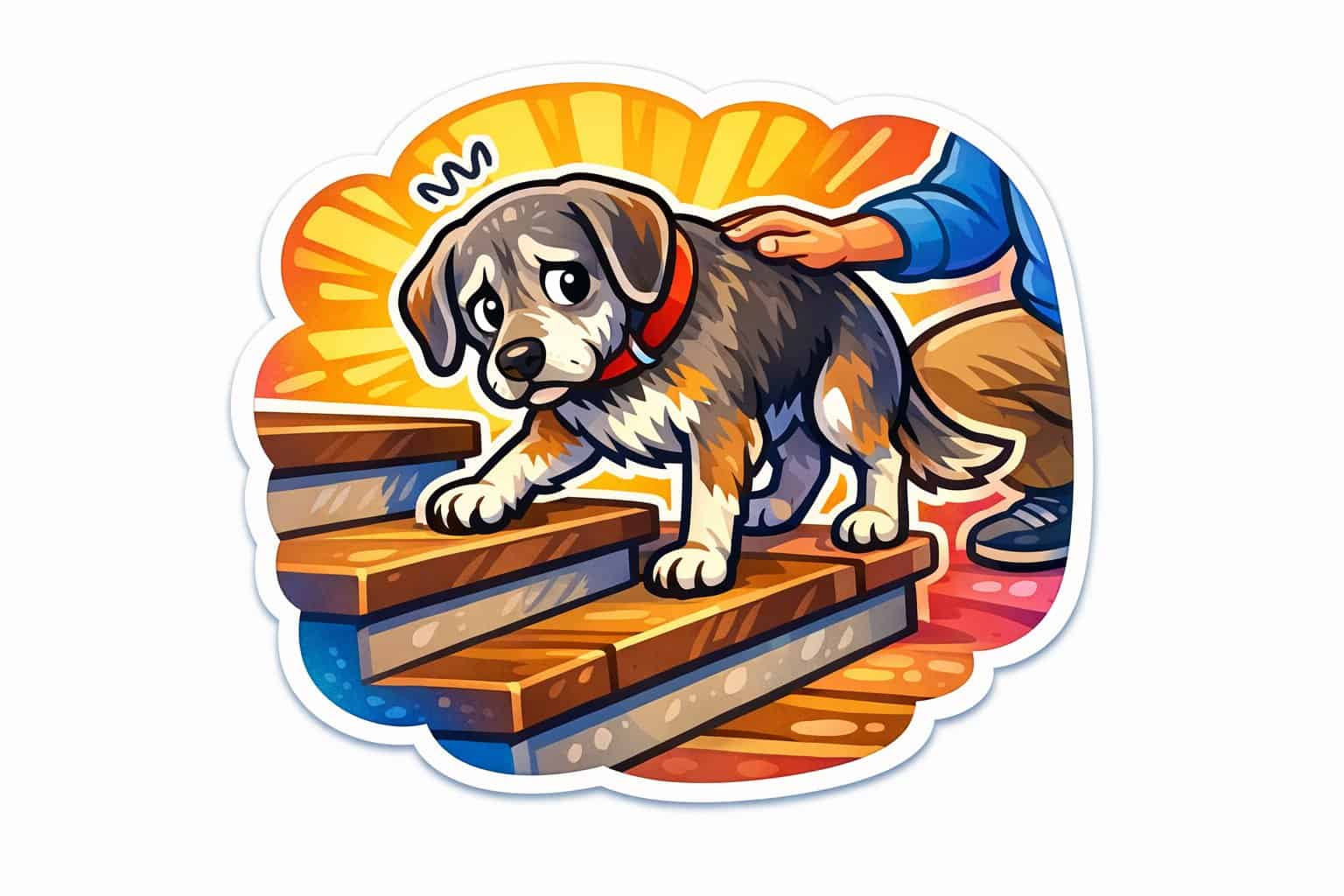
You start to notice your dog slowing down during walks, or maybe they’re hesitating before hopping up on the couch.
It’s tempting to just chalk that up to old age, but honestly, those little changes could be something more. Early arthritis usually sneaks in with subtle signs like stiffness, limping, or just avoiding certain moves.
If you know what to watch for, you can jump in before things get really uncomfortable.
Learning how to spot arthritis early, keeping an eye on daily habits, and figuring out when to call your vet, that all makes a real difference over time. Sometimes, just being aware and making a couple small changes at home can help your older dog stay comfortable and active a lot longer.
Arthritis in Senior Dogs
Arthritis slowly messes with how your dog moves and feels. It usually starts long before you notice limping or stiffness. Understanding what causes it, and how aging messes with the joints, lets you react sooner and keep your dog feeling better.
What Causes Arthritis in Old Dogs
Arthritis happens when the cartilage that cushions your dog’s joints starts to wear down. Without that smooth layer, bones rub together, leading to pain, inflammation, and stiffness. Over time, the friction just keeps making things worse.
Common causes include:
- Repeated joint stress from old injuries or overuse
- Genetics in certain breeds
- Obesity putting extra weight on the joints
- Old injuries that didn’t heal great
All these things chip away at cartilage and joint fluid. For most older dogs, the damage is slow, so it’s easy to miss until it’s pretty obvious.
Regular checkups and just paying close attention matter, because early treatment can slow things down and ease discomfort.
How Aging Affects Canine Joints
The cartilage gets thinner and less springy, so joints are just more vulnerable to daily wear.
Muscle mass drops off with age, too. Weaker muscles mean less support for the hips, knees, and shoulders, so joints get wobbly and it’s harder for the body to cushion every step.
Older bones change, too. They lose some density and just don’t bounce back from stress or injury as fast. Put all these changes together, and you start to see classic arthritis signs, like stiffness after resting, dragging along on walks, or struggling with stairs.
Recognize Early Signs of Arthritis
You might first spot arthritis in your dog through tiny changes, not obvious pain. These signs usually show up as shifts in movement, flexibility, and how eager they are to do stuff that used to be easy.
1. Subtle Changes in Movement
Your dog might start moving a little differently. Maybe they’re slower on walks, or their stride just seems shorter around the house. Sometimes there’s a limp, or maybe they’re not putting all their weight on one leg.
Keep an eye on how your dog handles stairs or furniture. Even a simple pause before jumping can say more than any dramatic yelp. Sometimes, you might hear a faint clicking from the joints, which can mean a bit of stiffness or inflammation.
Try jotting down a quick observation chart,
| Movement | Normal Behavior | Recent Change |
|---|---|---|
| Climbing stairs | Quick and steady | Moves slowly, pauses halfway |
| Getting up | Springs up easily | Takes time, braces with front legs |
These little notes help you spot patterns you might otherwise just brush off as routine.
2. Unusual Stiffness After Rest
One of the first things you’ll notice is stiffness, especially after your dog wakes up or has been lying down for a while. The first few steps might look tight or awkward, but usually things ease up once they get moving.
Maybe your dog keeps shifting positions to get comfortable. Some will lick or chew at a sore joint, which is another clue. Try gently feeling their joints when they’re relaxed, and you might notice a bit of swelling or warmth where arthritis is starting.
Keep walk sessions short but regular. Gentle movement helps with circulation and flexibility. If your dog’s stiffness hangs around for more than a few minutes, it’s probably time to talk to your vet about early testing or maybe some supplements for joint health.
3. Reluctance Toward Usual Activities
When arthritis is just getting started, your dog might avoid favorite activities before you ever see real pain. Instead of rushing to the door for a walk, maybe they just sit there or tag along slowly.
Jumping into the car or onto the couch could take a couple tries or maybe they just skip it altogether.
It’s easy to think your dog’s just getting old, but losing enthusiasm can be a sign of joint pain. Watch for little things, like standing nearby during play but not joining in.
Changes in attitude usually follow those physical limits. Keep track of what your dog avoids or hesitates to do. If you see a pattern, it’s probably more than just normal aging, and it can help you decide how to help sooner.
Behavioral Clues and Daily Patterns
Sometimes, the first signs of arthritis show up as tiny changes in habits that are easy to miss. Shifts in how your dog rests or interacts can reveal when they’re feeling stiff or sore, even before you see a limp.
4. Increased Resting and Sleep
You might notice your dog sleeping more during the day or hesitating before getting up. Stiff joints can make movement less appealing. It might take an older dog longer to get up from a nap or settle into a comfy spot at night.
Keep an eye on where they rest. A senior dog with early arthritis might nap in the same cozy spot every day because it’s easier on their joints. They might avoid cold floors or anything hard.
A quick daily note can help you spot changes. Something like,
| Time of Day | Activity | Signs Observed |
|---|---|---|
| Morning | Stands after rest | Hesitation, stiff walk |
| Afternoon | Nap location | Prefers soft or warm spot |
| Evening | Playtime | Less interest, slower movement |
If you start seeing these signs often, it’s worth bringing up with your vet. Gentle exercise and keeping things predictable can really help.
5. Friendliness or Withdrawal Shifts
Pain can change how your dog acts with people and other pets. A dog who used to greet you at the door might now just stay put or wait for you to come over. It’s not just moodiness, it’s probably discomfort.
You might see your dog being more cautious, maybe avoiding rough play, steering clear of active pets, or seeming annoyed when you touch around the hips or shoulders. These reactions are usually because bending or twisting hurts.
Look for patterns instead of one-off moments. If your dog is always choosing quiet spots or avoiding certain people, pain could be the reason. Give them space when they want it, and let them rest where they’re most comfortable.
Just staying observant lets you tweak routines early and keep your dog more comfortable before arthritis gets bad.
Physical Symptoms to Watch For
You might first notice your dog moving differently, or just not as keen to play or climb as before. These small changes usually come before you see obvious pain, and they can tell you a lot about how your dog’s joints are doing.
6. Limping or Lameness
A limp is often one of the first signs of arthritis. Your dog might favor one leg, walk unevenly, or seem stiff when getting up after a nap.
Sometimes, the limp gets better as your dog moves around, only to come back later. That kind of pattern usually means early joint changes, not just sore muscles.
Watch how your dog handles everyday stuff. If they’re not jumping on the couch, avoiding stairs, or skipping long walks, it could be a sign of discomfort. Sometimes it’s just slower movement or a pause before standing up.
It helps to jot down some notes or use a simple table,
| Behavior Change | When It Happens | Severity (1,5) |
|---|---|---|
| Hesitation on stairs | Morning | 3 |
| Uneven walk | After playtime | 2 |
Tracking these patterns over time gives your vet a better idea of what’s going on and helps with early treatment.
7. Noticeable Joint Swelling
Swelling around a joint usually means inflammation is there. You might spot a little puffiness near the knees, elbows, or hips. Sometimes it’s easier to feel than see, so gently run your hands along your dog’s legs and compare both sides for warmth, tenderness, or thickening.
Even a little swelling can change how your dog moves or acts. They might not want you touching that spot, or maybe they’ll lick it more. When swelling shows up with stiffness, it’s usually a sign of ongoing arthritis, especially in older dogs.
Keeping your dog’s weight steady helps take pressure off the joints, and shorter, more frequent walks encourage gentle movement. If the swelling sticks around, let your vet know, since it usually means the joint’s under extra strain.
Home Monitoring and Observation
You can catch early arthritis in your dog by watching for little changes each day. Careful tracking helps you and your vet manage pain, tweak routines, and keep joint issues from getting worse.
Keep Track of Mobility Changes
How your dog moves every day is your first clue. Watch how they get up after resting, walk across the room, or handle stairs.
Slow or stiff moves in the morning usually mean discomfort. A short walk might loosen things up, but if stiffness comes back quickly, arthritis could be settling in.
Keep a simple notebook or digital log. Something like this:
| What to Observe | Examples |
|---|---|
| Walking pattern | Limping, slower pace, shorter strides |
| Resting habits | More time lying down, reluctance to rise |
| Posture | Arched back, uneven weight on legs |
Checking in weekly, instead of trusting your memory, lets you see if things are getting better or worse. Share these notes with your vet to help fine-tune treatment or exercise.
Honestly, I’ve found that video clips help, too. Just a quick phone video of your dog walking can catch changes you might miss in the moment. When you watch them back, look for favoring one side or pausing before steps. The little things usually say the most.
Recording Noticeable Flare-ups
Arthritis often comes and goes in waves. A flare-up might mean sudden stiffness after too much play, not wanting to eat, or a mood shift. You might notice licking near sore joints, panting while resting, or just being less eager for walks.
Mark every flare,up on a calendar or phone app with the date, weather, and what happened before things got worse. Patterns can show you if cold, damp days or too much exercise are triggers.
If flare-ups start lasting longer or happening more often, that’s important for your vet to know. It helps decide if meds, supplements, or changes to the routine are needed. Over time, you’ll figure out your dog’s limits and how to keep the rough days to a minimum.
When to Consult a Veterinarian
Usually, you’ll spot small changes before anything major shows up. Paying attention to those first signals helps your vet check joint health, figure out how far along the arthritis is, and pick the right treatment for your dog.
Describe Symptoms for Accurate Diagnosis
When you head to the vet, be ready to describe what you’ve seen. Write down specific behaviors like stiffness after resting, slower walks, or hesitation on stairs.
Note when you first noticed it and if it’s always there or just after certain activities. Little details often show joint pain long before your dog stops playing or walking.
Share anything about pain reactions, like flinching when you touch their hips or elbows, grunting when lying down, or licking one spot over and over. Mention changes in appetite, sleep, or mood.
These clues give your vet a much clearer picture.
If you can, record short videos of your dog walking, standing, or sitting. That way, the vet can compare what they see in the clinic to what you see at home. Good communication saves time and helps rule out stuff like injuries or nerve problems.
Potential Diagnostic Tests
Your vet might suggest a few tests to confirm arthritis and see how bad it is. A physical exam comes first, checking joint movement, pain, and any swelling.
If more info’s needed, tests might include,
| Test | Purpose |
|---|---|
| X-rays | Show bone spurs, joint space narrowing, or degeneration. |
| Joint fluid analysis | Detects inflammation or infection. |
| Blood tests | Rules out metabolic or immune disorders causing similar symptoms. |
Sometimes, advanced imaging like MRI or CT scans gives a closer look, especially if damage doesn’t show up on X-rays.
These results help with choices around meds, weight control, and physical therapy. Early testing makes it easier to track changes and adjust care before pain gets worse.
Support Comfort at Home
You can help your senior dog’s arthritis by making a few small changes to cut down on joint strain and keep them moving steadily. Comfort really starts with a safe home setup and gentle activities that help your dog stay mobile without extra pain.
Simple Adjustments to Living Space
First things first, give your dog some non slip flooring wherever you can. Rugs, rubber mats, whatever works, just something to keep them from sliding around on hardwood or tile.
And hey, try to keep walkways clear, since a stray chair or box could trip them up and lead to a sore joint or two, right?
A good bed honestly makes a world of difference. Go for an orthopedic or memory foam bed, something firm enough to cushion those joints, but not so tall your dog struggles to get in.
I’d put it somewhere cozy, warm, and away from any chilly drafts. Oh, and those elevated food and water bowls? They really do help, taking pressure off the neck and shoulders.
Little layout tweaks help more than you’d think. If stairs are a no go, it’s probably best to block off the upper floors and move all the essentials downstairs. Ramps or low steps can make it easier for your dog to get onto the couch or into the car, and honestly, these small changes do a lot to save their joints from extra wear.
Don’t forget about their nails, either.
Keep them trimmed, and snip the fur between their paw pads short for better grip. Safe, steady footing gives your dog a bit more confidence to keep moving.
Gentle Exercises That Help
Controlled movement really does slow arthritis down. Start with short, easy walks on flat ground, nothing too wild. Avoid those steep hills or rough trails that could jolt their joints.
Honestly, walking early in the morning or later in the evening helps too, since heat can make stiff joints feel even worse.
Swimming? It’s probably the best exercise for arthritic pups. The water supports their weight, so joints move without all that pounding.
If you don’t have a safe pool or lake nearby, maybe check out a canine hydrotherapy place. Trained folks can supervise gentle swims or even underwater treadmill sessions.
Inside, you can try some basic range of motion stretches. Just move each leg gently through its natural path for a few seconds while your dog chills out. But watch their face—if they look uncomfortable or pull away, just stop.
Keep activity light but regular. Too much downtime can make stiffness worse, but pushing too hard is a recipe for pain. Adjust walks or play based on how your dog seems afterward. Honestly, lots of short, easy movement beats one long, exhausting play session any day.