10 Easy Ways to Relieve Your Dog’s Walking Pain


Watching your senior dog struggle with each step can break your heart. Maybe you’ve noticed your furry friend hesitating at the bottom of stairs or moving slower on morning walks.
Sometimes, they get up from their bed with a gentle whimper. As dogs age, joint pain and mobility issues pop up more often and can really change their quality of life.
You actually have a lot of power to help ease your dog’s walking pain and keep them moving comfortably. If gentle exercises or natural supplements and home tweaks, there are so many ways to help your aging dog stay active and happy.
With the right approach, you can help your senior dog enjoy their golden years with less discomfort and more tail-wagging adventures.
1) Short Leash Walks to avoid overexertion
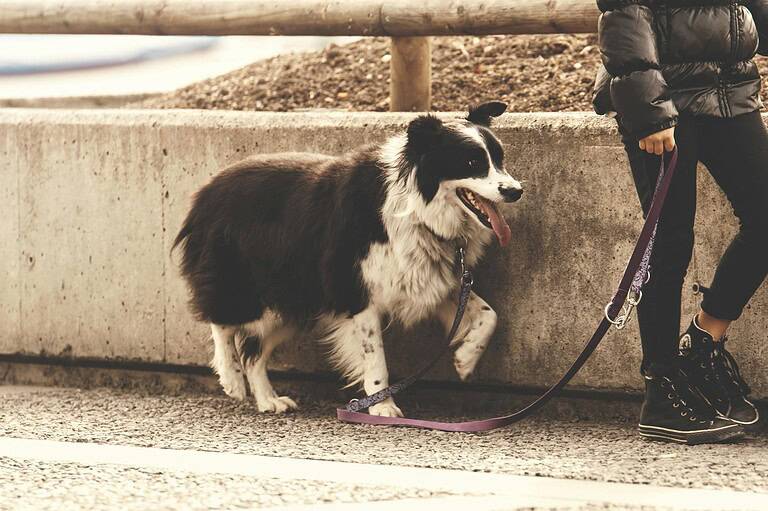
Your senior dog still needs to move, but those marathon walks from younger days are probably behind you now. It’s more like switching from a 5K run to a stroll around the block.
Start with just 5 to 10 minutes at a time. Does that seem too short? Honestly, gentle movement is way better than none.
Watch your dog’s body language closely during these mini adventures. If you see heavy panting, excessive drooling, or them lagging behind, it’s time to head home.
Try taking multiple short walks throughout the day instead of one long trek. This keeps joints moving but doesn’t overwhelm tired muscles.
Let your dog set the pace. If they want to sniff every bush for two minutes, let them. That mental stimulation matters just as much as the exercise.
The goal isn’t distance or speed anymore. You’re just helping those stiff joints stay mobile and maintaining muscle strength.
Short, frequent walks prevent the „weekend warrior“ syndrome that can make pain worse.
2) Use non-slip booties

Have you noticed your senior dog struggling on slippery floors? Non-slip booties can really help your aging companion.
These special boots provide extra grip on smooth surfaces like hardwood or tile. Your dog won’t have to work as hard to stay balanced, which means less strain on sore joints.
When your dog slips less, they feel more confident walking around the house. That confidence can actually encourage them to move more, which is good for their joints.
The cushioning in quality booties absorbs some of the impact when your dog’s paws hit the ground. It’s like comfortable sneakers for your furry friend.
If your dog has tender or injured paws, booties create a protective barrier. They shield sensitive areas from rough surfaces that might cause pain.
Getting your dog used to booties takes patience. Start with short periods and lots of praise.
Most dogs adapt within a few days once they realize how much easier walking becomes. Look for booties made specifically for senior dogs, with extra padding and secure straps that stay on during walks.
3) Incorporate swimming sessions

Swimming works like magic for senior dogs with joint pain. When your dog moves through water, it supports about 90% of their body weight.
This means much less pressure on those aching hips and knees. Water’s like nature’s cushion for your dog’s joints.
Your pup can move freely without the painful impact of walking on hard surfaces. The gentle resistance of water helps build muscle strength, too.
Your dog’s whole body gets a workout while their joints stay protected. It’s almost like having a personal trainer and physical therapist in one.
If your dog seems hesitant about water, start slowly in shallow spots where they can touch the bottom. Many dogs who first fear water end up loving it once they feel the relief.
Warm water helps even more for arthritic dogs. The heat relaxes stiff muscles and increases flexibility.
Swimming also improves your dog’s mood and energy. You might notice your senior pup acting more playful after regular water sessions.
4) Add gentle range-of-motion exercises at home
Your senior dog’s joints might feel stiff in the morning, just like yours. Range-of-motion exercises can help keep your pup’s limbs moving smoothly and reduce pain.
Think of these as gentle stretches for your dog. Slowly move each joint through its normal range without forcing anything.
Start with your dog lying comfortably on their side. Gently bend and extend each leg at the knee and hip joints.
Hold each position for about 10 seconds. For the front legs, carefully flex and extend the shoulder, elbow, and wrist joints.
Move slowly and watch your dog’s face for any signs of discomfort. Your dog might resist at first, but most learn to enjoy this gentle attention.
It’s almost like a mini massage. Do these exercises once or twice daily when your dog is relaxed, maybe after a meal or during your evening routine.
Stop immediately if your dog shows pain or tries to pull away. The goal is comfort, not stress.
5) Maintain a healthy weight
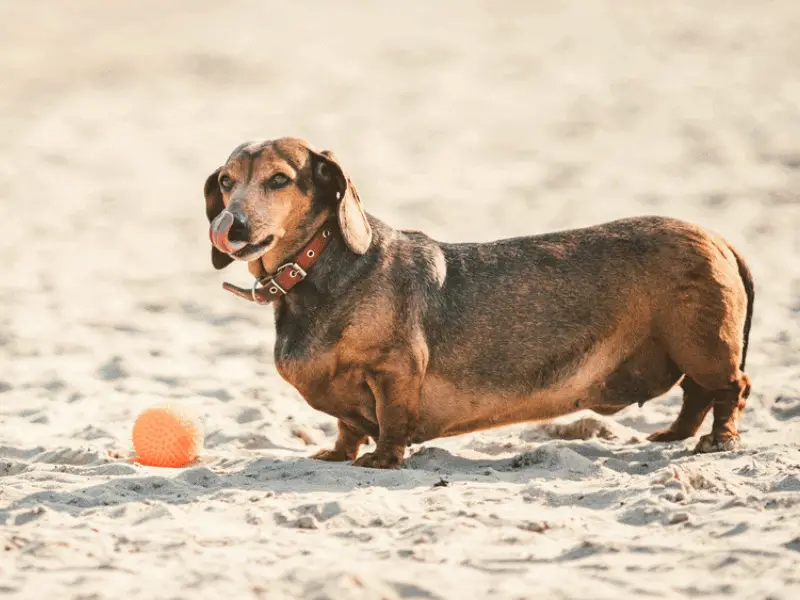
Extra weight puts serious pressure on your dog’s joints. It’s like carrying a heavy backpack all day, every step gets harder.
When your dog is overweight, their hips and knees work overtime. Each pound of extra weight means more stress on already sore joints.
You might notice your dog moving slower or avoiding stairs. Often, this happens because excess weight makes walking painful.
A healthy weight can make a huge difference in your dog’s comfort. Many dogs show improvement in just a few weeks after losing weight.
Work with your vet to find your dog’s ideal weight. They can help you create a safe plan that won’t stress your senior dog’s body.
Feed measured portions instead of free-feeding. It’s easier to track how much your dog eats when you control meal times.
Choose low-impact exercise like short walks or swimming. These activities burn calories without hurting tender joints.
Have you noticed your dog struggling to get up? Weight loss might be the key to getting them moving comfortably again.
6) Use orthopedic dog beds
After a tough walk, your senior dog needs proper support to rest those aching joints. Regular beds just don’t cut it anymore.
Orthopedic dog beds use memory foam that shapes to your dog’s body. This foam supports their joints and takes pressure off sore spots.
It’s like your own memory foam mattress, just for your furry friend. These beds work especially well for dogs with arthritis or hip problems.
The firm support helps reduce morning stiffness after rest. Look for beds with waterproof liners since older dogs sometimes have accidents.
Non-slip bottoms keep the bed in place when your dog gets on and off. Memory foam beds might cost more upfront, but they last longer and give your dog better sleep quality.
Place the orthopedic bed in your dog’s favorite resting spot. Maybe that’s near the couch where you watch TV together.
Your dog will appreciate having a cozy, supportive place to recover after walks.
7) Try natural supplements
Maybe you’ve noticed your senior dog struggling to get up from their favorite nap spot? Natural supplements like glucosamine and chondroitin could be just what their joints need.
These compounds work together to support your dog’s cartilage. Cartilage acts like a cushion between your dog’s bones—when it wears down, walking gets painful.
Glucosamine helps build and repair cartilage tissue. Chondroitin keeps cartilage flexible and reduces inflammation in the joints.
You can find these supplements in powder or tablet form at most pet stores. I’d suggest starting with a high-quality joint supplement designed specifically for dogs.
Natural food sources work too. Bone broth contains both compounds and most dogs love the taste.
Green-lipped mussels are another excellent natural source. If you try supplements, give them time to work. It usually takes 4-6 weeks to see noticeable improvement.
Always check with your vet before starting any new supplements. They can help you choose the right dosage for your dog’s size and needs.
8) Trim your dog’s nails regularly
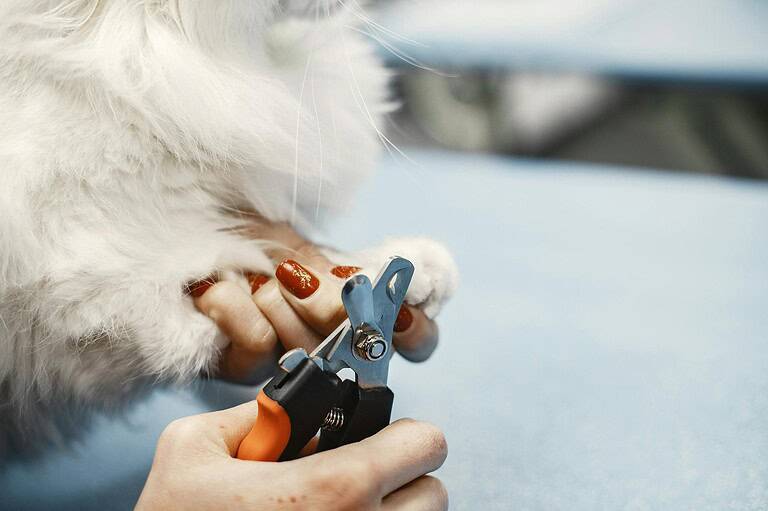
Have you noticed how your senior dog walks differently when their nails get too long? Overgrown nails can really change how your furry friend moves.
When your dog’s nails touch the ground, they push back into the nail bed with each step. This creates discomfort and forces your dog to adjust how they walk.
It’s like wearing shoes that are too tight. You’d probably walk funny too, right?
Your dog does the same thing by shifting weight to their heels or changing their stride. This altered walking pattern puts extra stress on your senior dog’s joints.
Regular nail trims help your dog walk naturally and comfortably. Trim them often enough so the nails don’t touch the floor when your dog stands.
If you’re nervous about trimming nails yourself, your vet or groomer can show you the right technique. Many senior dogs actually feel immediate relief after a good nail trim.
9) Apply warm compresses to stiff joints before walks
Your dog’s joints might feel like yours do on a cold morning, stiff and reluctant to move. A warm compress can work wonders for loosening up those tight muscles before you head out for a walk.
Heat makes blood vessels expand, bringing more blood flow to sore joints. This extra circulation helps reduce stiffness and makes movement easier for your furry friend.
You can make a simple warm compress at home. Soak a towel in warm water and wring out the excess.
The temperature should feel comfortably warm to your touch, not hot. Apply the compress to your dog’s stiff joints for about 15 minutes.
Focus on areas like hips, shoulders, or knees where you notice the most stiffness. Always place a thin barrier between the compress and your dog’s skin to prevent burns.
A light cloth works perfectly for this. Take breaks between treatments and never leave your dog unattended with a heating pad.
Your gentle touch during this process can be just as soothing as the warmth itself.
10) Add rugs to slippery floors
Have you noticed your senior dog sliding around on your hardwood or tile floors? Those smooth surfaces that look great can become dangerous obstacles for older dogs with joint pain.
Your dog’s paws lose their natural grip as they age. What once felt secure now feels like walking on ice.
This can make your furry friend anxious about moving around their own home. Adding area rugs or non-slip mats creates safe pathways for your dog.
Place them in high-traffic areas like hallways, near food bowls, and around their favorite resting spots. Make sure your rugs won’t slide around either.
Choose rugs with rubber backing or place non-slip pads underneath regular rugs. A sliding rug defeats the purpose and can create new hazards.
Focus on the routes your dog takes most often. You don’t need to cover every inch of flooring.
Strategic placement works better than overdoing it. Keep your dog’s nails trimmed too, long nails make it even harder to get traction on smooth surfaces.
Your dog will feel more confident moving around when they know their footing is secure.
Why does my Senior Dog feel Walkign Pain?
When your older dog starts showing reluctance to go on their favorite walks, it’s often a sign that something is causing them discomfort. Arthritis and age-related changes affect most dogs over 10, making movement painful and reducing their enthusiasm for daily activities.
Common Causes
Arthritis is the biggest culprit behind walking pain in senior dogs. This condition causes joint inflammation and stiffness that makes every step uncomfortable for your furry friend.
Hip dysplasia becomes more problematic with age. Your dog’s hip joints don’t fit together properly, creating grinding and pain during movement.
Other common causes include:
- Muscle weakness from reduced activity
- Ligament injuries that never fully healed
- Bone spurs that develop over time
- Paw pad injuries or nail problems
It’s a lot like your own creaky knees on a cold morning. Your dog feels similar stiffness, but they can’t exactly tell you about it.
Aging Impacts Mobility
Your dog’s body changes a lot as they get older. Cartilage in their joints wears down naturally, creating bone-on-bone contact that hurts.
Muscles lose strength when your dog becomes less active. This creates a cycle where weakness leads to less movement, which causes more weakness.
Age-related changes affecting walking:
- Joint fluid thickens and doesn’t work as well
- Ligaments lose flexibility and stretch
- Reaction time slows down, making them more cautious
- Weight gain puts extra pressure on already sore joints
Maybe you’ve noticed your dog taking longer to get up from their bed? That’s their joints telling them to move slowly.
Signs Your Dog May Be in Pain
Your dog won’t complain about pain the way you would. Instead, they show discomfort through behavior changes that are easy to miss.
Physical signs to watch for:
- Limping or favoring one leg
- Stiffness when getting up
- Reluctance to climb stairs
- Shifting weight while standing
Behavioral changes include:
- Less enthusiasm for walks
- Stopping frequently during walks
- Whining or panting more than usual
- Avoiding jumping into cars or onto furniture
Have you noticed your dog sitting down more often during walks? This could be their way of asking for a break from the pain.
How to Support Your Senior Dog’s Mobility
The right equipment, adjusted routines, and proper nutrition can make walking enjoyable again for your aging companion. Small changes in these three areas often lead to big improvements in comfort and movement.
Choose the Right Walking Equipment
Does your senior dog pull against their collar or look uncomfortable on walks? A well-fitted harness can make a world of difference for older dogs with mobility issues.
Front-clip harnesses usually work best for most seniors. They cut down on pulling and don’t put pressure on the neck.
This setup helps dogs with arthritis in their spine or shoulders walk with less discomfort. Honestly, it’s a relief to see them move more easily.
Pick harnesses with padded chest and back straps. Easy-release buckles make life simpler when your dog’s joints are stiff.
Reflective strips help with evening strolls. A handle on top lets you offer gentle support if your dog needs a boost.
Supportive slings come in handy for dogs who wobble or need extra stability. You wrap one around the hindquarters and support their back legs while they walk.
Your dog still gets to move their front legs on their own, which keeps things natural. It feels good to help them keep some independence.
If your dog slips on smooth floors, try booties with good grip. Many seniors lose muscle and traction, so better footing can really help.
Start with short periods so your dog gets used to the feeling. Some dogs take a while to accept them, and that’s okay.
Retractable leashes just don’t work well for older dogs. A regular 6-foot leash gives you more control and avoids sudden jerks that could hurt arthritic joints.
Modifying Your Walking Routine
Your senior dog’s walking needs change over time, and that’s totally normal. The trick is to adjust your routine to fit their abilities now.
Shorter, more frequent walks usually work better than one long outing. Try three 10-minute walks instead of a single 30-minute trek.
This approach helps prevent overexertion and keeps joints from getting stiff. It also breaks up the day a bit, which can be nice.
Pick softer surfaces when you can. Grass and dirt paths are much easier on old joints than hard concrete.
Beach sand offers gentle resistance and can even help build muscle. It’s a bit messy, but most dogs love it.
Let your dog set the pace. If they want to sniff every mailbox, why not let them?
Mental stimulation from sniffing matters just as much as physical exercise for older dogs. Sometimes, a slow stroll is the best kind.
Avoid stairs and steep hills on your usual walks. Save those for days when your dog feels extra energetic.
Keep an eye out for signs of fatigue like heavy panting or lagging behind. It’s better to cut a walk short than push too hard.
Warm up before heading out. Gentle stretches or slow laps around the yard help loosen things up.
Just like older people, senior dogs benefit from easing into activity. It might feel silly, but it really does help.
Diet and Supplements for Senior Dogs
What your senior dog eats shapes how well they move. Good nutrition supports their joints and can help manage the inflammation behind walking pain.
Weight management matters more than most people realize. Extra pounds pile stress onto already-sore joints. If your dog loses just a pound or two, you might notice a real difference, especially in smaller breeds.
Omega-3 fatty acids from fish oil can reduce joint inflammation. Find supplements with EPA and DHA, and make sure they’re made for dogs. The usual dose sits around 20-30mg per pound of body weight each day.
Glucosamine and chondroitin help keep cartilage healthy in your dog’s joints. These supplements work best if you start them early, but even older dogs can benefit. You’ll probably need to wait about 4-6 weeks to see any change.
Turmeric offers natural anti-inflammatory compounds. Pick dog-specific turmeric supplements, and look for ones with black pepper to boost absorption. Always check with your vet before you add new supplements to your dog’s routine.
High-quality protein supports muscle mass. Senior dogs actually need more protein than younger ones to prevent muscle loss. Go for easy-to-digest options like chicken, fish, or eggs.
You might want to try joint-support dog foods with these nutrients in the right amounts. Many senior formulas focus specifically on mobility, which is honestly a relief when you’re worried about your dog slowing down.