
Are Dogs Ticklish?


You scratch your dog’s belly, and their back leg starts to kick. You pause and wonder what just happened. Are they ticklish, or is it just a reflex?
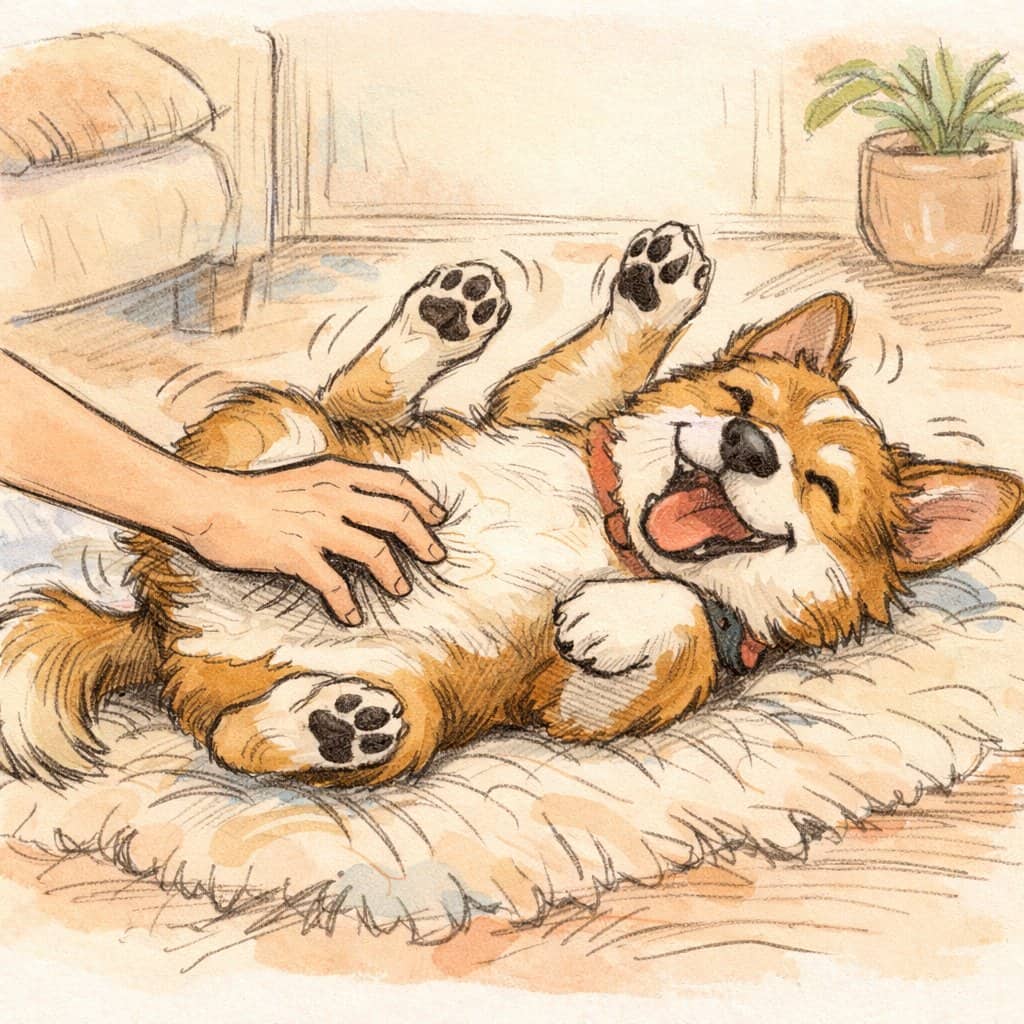
Yes, dogs can be ticklish, and many react to certain light touches with automatic kicks, twitches, or playful movements. Like you, your dog has sensitive spots that respond to touch. Some reactions happen without thought, while others show pure enjoyment.
As you learn how ticklishness works in dogs, you can spot the difference between a happy wiggle and a “please stop” signal. You will also find out where dogs tend to feel it most and how to respond in a way that keeps your dog comfortable and relaxed.
Ticklishness in Dogs
Dogs can react to light touch in ways that look a lot like tickling in people. You may see quick muscle twitches, leg kicks, or sudden turns of the head when you hit a sensitive spot.
What Does It Mean for Dogs to Be Ticklish?
When you call a dog “ticklish,” you usually mean they react to light touch with fast, reflex-like movements. A common example is the scratch reflex. If you rub your dog’s belly or side, their back leg may start to kick without control.
This response does not always mean your dog feels pleasure. It often happens because nerves under the skin send signals to the spinal cord. The body reacts before the brain fully processes the touch.
Dogs may also show milder signs of sensitivity, such as:
- Skin twitching
- Turning to look at your hand
- Moving away
- Leaning into the touch
Areas that often trigger reactions include the belly, sides, neck, ears, and paws. Each dog has different spots. You learn them by watching how your dog responds.
Differences Between Human and Canine Ticklishness
In people, tickling often causes laughter. Scientists describe two types: a light surface touch and a deeper, playful tickle that leads to laughter. Dogs do not laugh in the same way humans do.
When you tickle a dog, you usually trigger a physical reflex, not humor. The leg kick you see is automatic. It does not mean your dog finds the touch funny.
Dogs also cannot tell you if they enjoy the feeling. You must read body language. Signs your dog may enjoy the contact include:
- Loose body posture
- Soft eyes
- Staying close to you
Signs they do not like it include:
- Stiff body
- Lip licking or yawning
- Pulling away
You need to tell the difference between a reflex and true enjoyment.
Why Some Dogs Are More Ticklish Than Others
Some dogs react strongly to light touch, while others barely respond. Several factors affect this.
Breed and coat type can play a role. Dogs with thinner coats or sensitive skin may react faster. Puppies may also show stronger reflexes because their nervous systems are still developing.
Your dog’s health matters too. Skin issues, allergies, or parasites can make certain areas more sensitive. If your dog suddenly becomes very reactive to touch, you should check for redness, bumps, or hair loss.
Personality also shapes how your dog responds. Confident, social dogs may lean into touch. Nervous dogs may flinch or move away.
You understand your dog best when you watch their full body, not just their kicking leg.
Recognizing and Responding to Your Dog’s Ticklish Spots
Dogs often react to light touch in specific areas of their body. You can learn where these spots are, how your dog shows comfort or stress, and how to keep the interaction safe and positive.
Common Ticklish Areas in Dogs
Many dogs have sensitive spots that trigger a quick physical response. When you lightly scratch or touch these areas, you may see a reflex, such as a leg twitch.
Common ticklish areas include:
- Belly
- Sides of the chest
- Armpits (behind the front legs)
- Base of the tail
- Paws
The belly is a frequent spot, especially when your dog rolls over. A gentle rub may cause wiggling or kicking.
The area behind the ears and along the back can also be sensitive. Some dogs squirm or lean into your hand.
Keep in mind that not all dogs are ticklish. Sensitivity varies based on breed, personality, and past experiences. One dog may love belly rubs, while another pulls away from the same touch.
How to Tell If Your Dog Is Enjoying It
You need to watch your dog’s body language closely. A quick leg kick does not always mean pleasure. It can be a simple reflex.
Signs your dog enjoys the touch:
- Loose body posture
- Soft eyes
- Relaxed mouth
- Leaning into your hand
- Gentle tail wagging
If your dog wiggles closer or rolls onto their back again, they likely enjoy the contact.
Stop right away if you see:
- Tense muscles
- Lip licking
- Turning the head away
- Growling
- Trying to move away
Dogs do not laugh like humans. Instead, they show comfort through relaxed behavior. If you are unsure, pause and see if your dog invites more contact.
Benefits and Precautions of Tickling Dogs
Light tickling or scratching can strengthen your bond. When your dog feels safe, touch becomes a form of communication.
It can also help you learn more about your dog’s comfort zones. You become better at reading small signals.
However, you should keep a few precautions in mind:
- Use gentle pressure
- Avoid sensitive or injured areas
- Do not restrain your dog
- Stop if your dog shows stress
Never force contact. What feels playful to you may feel overwhelming to your dog.
When you respect your dog’s signals, tickling becomes a simple, positive way to connect.