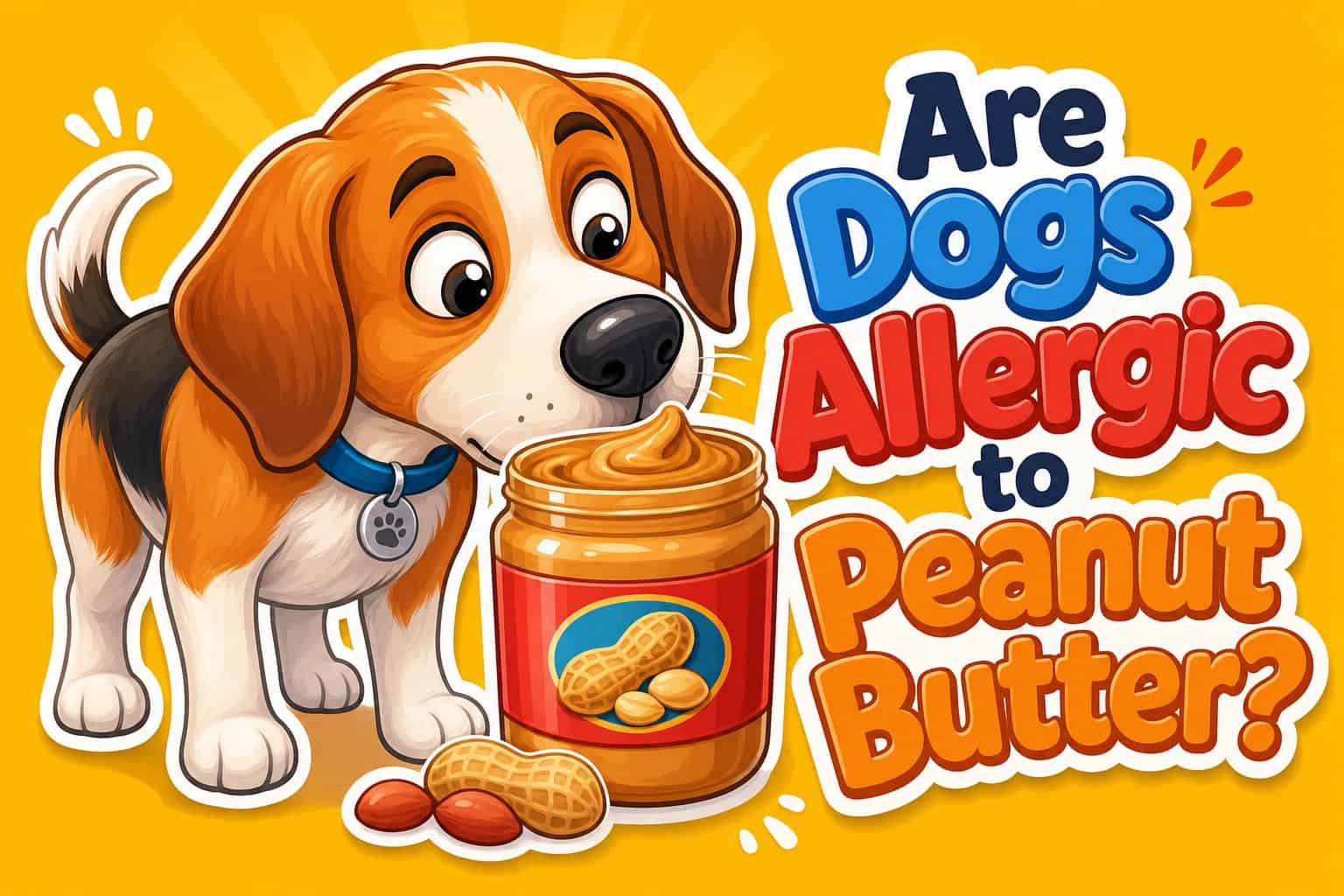
Are Dogs Allergic to Peanut Butter?

Dogs can be allergic to peanuts or ingredients in peanut butter, though this is uncommon. You can often give your dog a small amount safely, but check the label carefully before you do.
Watch for itching, swelling, vomiting, diarrhea, or breathing trouble after your dog eats peanut butter. You also need to avoid products with xylitol, a sweetener that is toxic to dogs.
How to Tell If Your Dog Is Reacting
Most dogs tolerate plain peanut butter, but some react to peanut proteins or other ingredients. Watch your dog closely after a new food, especially during the first few hours.
What to Look For After They Eat It
A peanut butter allergy is uncommon, but it can cause signs in your dog’s skin, stomach, or breathing. You may notice itching, red skin, hives, ear scratching, or swelling around the eyes, lips, face, or paws.
Your dog may also vomit, have diarrhea, drool more than usual, or seem restless. Some reactions begin soon after eating peanut butter, while others take several hours.
Stop giving peanut butter if you notice a possible reaction. Write down the product name, ingredients, amount eaten, and when signs started.
Your veterinarian can help determine whether peanuts, another ingredient, or an unrelated problem caused the reaction.
When You Need to Get to the Vet Right Away
Seek emergency veterinary care right away if your dog has trouble breathing, repeated vomiting, weakness, collapse, pale gums, or fast-growing swelling of the face or throat. These can be signs of anaphylaxis, a severe allergic reaction that needs immediate treatment.
Do not wait to see if breathing problems improve. Call your veterinarian or an emergency animal hospital while you travel, if possible.
Also treat any peanut butter containing xylitol as an emergency, even if your dog shows no allergy signs. Xylitol can cause dangerous low blood sugar and liver injury in dogs.
Check the label carefully, since peanut butter reactions may come from xylitol or other ingredients rather than peanuts.
Keeping It Safe and What to Try Instead
Choose plain peanut butter with safe ingredients, and keep each serving small. If peanut butter does not suit your dog, several simple treats can work instead.
Read the Label Every Single Time
Read the full label every time, even if you bought the brand before. Pick plain, unsalted peanut butter with peanuts as the main ingredient and no added sweeteners or seasonings.
Natural peanut butter with few ingredients is usually the simplest choice. Never give your dog peanut butter containing xylitol, which may also appear as birch sugar.
This sweetener can cause a dangerous drop in blood sugar and liver injury in dogs. If your dog eats a xylitol product, call your veterinarian or an animal poison service right away.
Avoid peanut butter with chocolate, raisins, high salt, or spicy flavorings. Also stop offering it if your dog develops itching, hives, swelling, vomiting, diarrhea, or breathing trouble after eating it.
How Much to Give and Other Options
Peanut butter is high in fat and calories, so use it as an occasional reward rather than a daily snack.
A small dog may only need a thin smear on a toy or spoon. Larger dogs can have a little more, but treats should not replace a balanced meal.
Use peanut butter sparingly if your dog is overweight, has a sensitive stomach, or has had pancreatitis.
Ask your veterinarian before giving high-fat treats to a dog with these health issues.
If your dog cannot eat peanuts or seems sensitive to them, try a small amount of unsweetened sunflower seed butter without xylitol.
You can also offer plain pumpkin puree, cooked sweet potato, or unsweetened applesauce.
Unsalted, unseasoned peanuts without shells can be an occasional option for dogs that tolerate peanuts.