Why Senior Dogs Are More Vulnerable to Pancreatitis (and 8 Signs to Catch It Early)

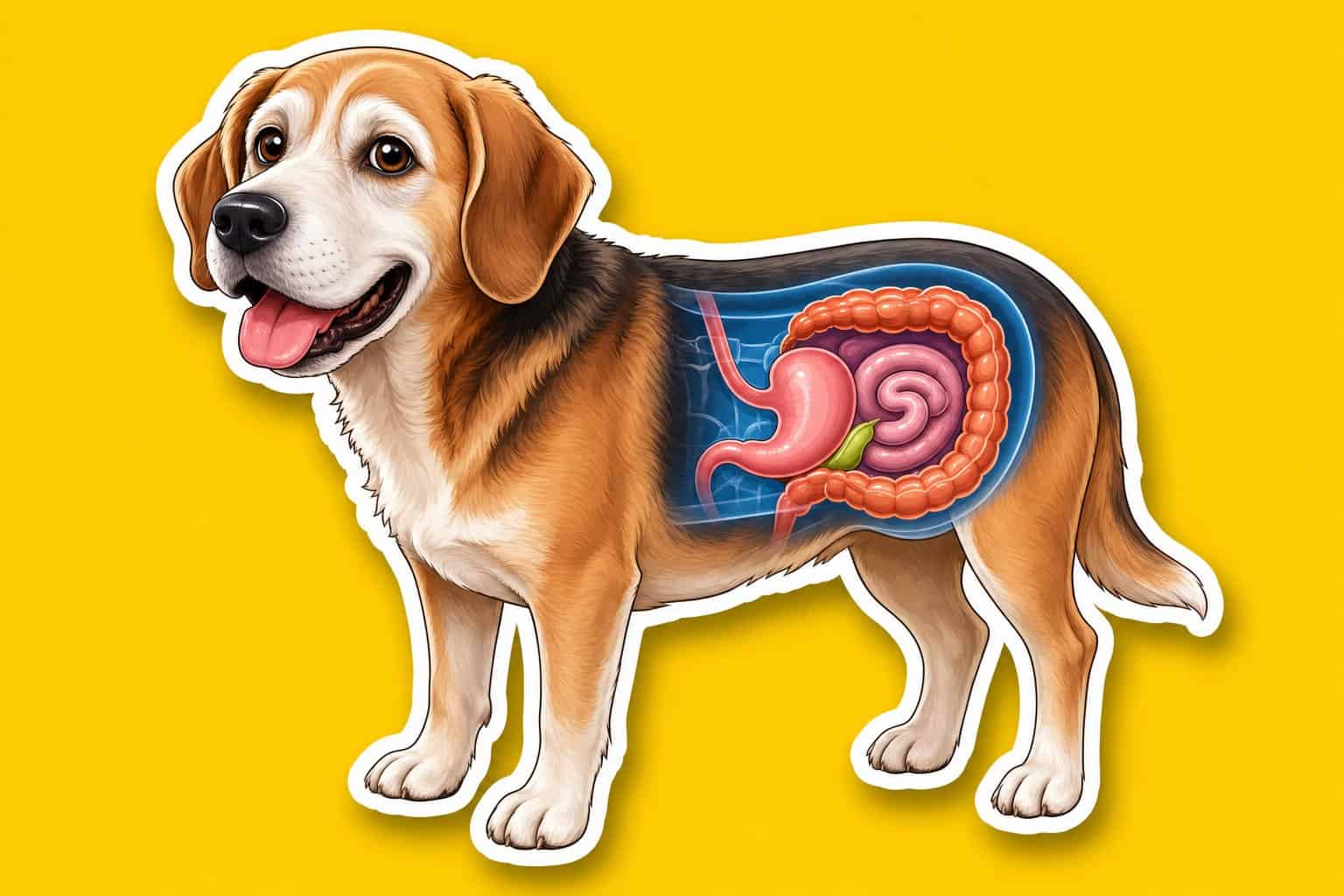
Your dog’s body goes through changes that can make certain health problems more likely. Pancreatitis is one condition that affects senior dogs more often than younger ones.
This happens when the pancreas becomes inflamed and stops working the way it should. Older dogs face a higher risk of pancreatitis because of age-related changes in their immune system, combined with other health issues like diabetes and obesity that become more common as they age.
Your senior dog might also be taking medications that can trigger pancreatic inflammation. Knowing the early warning signs can help you get treatment faster and improve your dog’s chances of recovery.
This article will explain the specific reasons older dogs develop pancreatitis more easily and show you eight key signs to watch for in your senior companion.
Their immune system can’t fight inflammation like it used to
As your dog gets older, their immune system naturally becomes less effective at its job. This change makes it harder for their body to control inflammation throughout their organs and tissues.
Your senior dog’s immune system experiences what veterinarians call „immunosenescence.“ This means the cells that normally fight off problems and keep inflammation in check start to slow down.
Age-related changes to the immune system create a state of chronic low-grade inflammation in your dog’s body. The pancreas is especially vulnerable to this problem.
When your senior dog’s immune system can’t properly regulate inflammation, their pancreas faces constant stress. This ongoing inflammation makes the pancreas more likely to become irritated and inflamed, which leads to pancreatitis.
Your older dog also produces fewer digestive enzymes because of age-related decline. Combined with poor inflammation control, this creates the perfect conditions for pancreatic problems to develop.
Diabetes and pancreatitis often show up together
Your senior dog faces higher pancreatitis risk if they also have diabetes mellitus. These two conditions often occur together in older dogs.
Middle-aged to older dogs are more commonly diagnosed with diabetes mellitus. When your dog has diabetes, their pancreas struggles to produce or use insulin properly.
This puts extra stress on an already aging pancreas. Dogs with diabetes mellitus often have concurrent endocrine diseases including pancreatitis.
The inflammation in the pancreas can make diabetes harder to manage in your senior dog. Obesity and hyperlipidemia are common concurrent problems in pancreatitis cases.
If your older dog is overweight and diabetic, they face even greater risk. High fat levels in the blood can trigger pancreas inflammation.
Watch your diabetic senior dog closely for pancreatitis symptoms. The combination of these conditions requires careful monitoring and management from your veterinarian.
🔍 Sign #1: Extra weight and fatty foods make the pancreas turn on itself
When your senior dog carries extra weight, their pancreas has to work much harder than normal. Fat tissue releases substances that can irritate the pancreas and make it inflamed.
High-fat foods are especially risky for older dogs. When your dog eats fatty meals, their pancreas produces digestive enzymes to break down the fat.
In overweight senior dogs, these enzymes can become activated too early, while they’re still inside the pancreas instead of in the intestines where they belong. This early activation causes the enzymes to start digesting the pancreas itself.
The result is painful inflammation and damage to the organ. Your senior dog’s metabolism slows down with age, making it easier for them to gain weight.
Even foods that were fine when they were younger can now overwhelm their pancreas. Table scraps, fatty treats, and high-fat dog foods all increase the risk.
Keeping your older dog at a healthy weight protects their pancreas. Lower-fat meals reduce the workload on this important organ and help prevent the dangerous enzyme activation that leads to pancreatitis.
🔍 Sign #2: Some medications can trigger an attack
Certain medications your senior dog takes can increase the risk of pancreatitis. Corticosteroids like prednisone are common triggers that you need to watch carefully.
Your older dog might be on steroids for arthritis, allergies, or other age-related conditions. While these drugs help manage those problems, they can stress the pancreas.
Medications affect middle-aged to older dogs more severely than younger animals. Other drugs can also cause issues.
Some antibiotics, chemotherapy medications, and certain pain relievers may trigger inflammation in your senior dog’s pancreas. If your veterinarian prescribes new medication for your older dog, ask about pancreatitis risk.
This is especially important if your dog has had pancreatic problems before. Your vet might choose alternative treatments or monitor your dog more closely while on these medications.
Never stop giving your dog prescribed medication without talking to your veterinarian first. They can help you weigh the benefits against the risks and make the best choice for your senior dog’s health.
🔍 Sign #3: Once it happens, it’s more likely to come back
If your senior dog has already had pancreatitis once, the chances of it coming back go up. Dogs that recover from one episode of pancreatitis face a higher risk of recurrence.
The pancreas doesn’t always fully bounce back after inflammation. Scar tissue can form, making the organ more sensitive to future problems.
Your older dog’s pancreas is already working harder due to age, so previous damage adds extra stress. You’ll need to stay alert even after your dog seems better.
Watch for the same warning signs you saw before. Many dogs experience repeat episodes within months or years of their first bout.
Recurrent acute pancreatitis can lead to chronic conditions that are harder to manage. Your vet might recommend a long-term low-fat diet and regular check-ups to catch problems early.
Keep a journal of what your senior dog eats and any symptoms you notice. This helps you and your vet spot patterns that might trigger another flare-up.
🔍 Sign #4: Sudden vomiting that won’t stop
When your senior dog develops pancreatitis, vomiting often appears as one of the first warning signs. This isn’t just a single episode of throwing up after eating too fast.
Your older dog may start vomiting suddenly and repeatedly over several hours. The vomiting can happen even when their stomach is empty.
You might notice your dog retching or heaving without bringing anything up. This type of vomiting is different from normal upset stomach issues.
It tends to be more intense and doesn’t go away on its own. Your senior dog may vomit multiple times in a row or continue having episodes throughout the day.
The vomit itself might look yellow or foamy. Sometimes it contains food, but other times it’s just bile or liquid.
Your dog may also drool excessively between vomiting episodes. If your older dog shows this pattern of sudden and repeated vomiting, contact your vet right away.
This symptom combined with other signs like loss of appetite or lethargy could point to pancreatitis.
🔍 Sign #5: Hunched back or guarding their belly
When your senior dog has pancreatitis, belly pain is often one of the first things you’ll notice. Your older dog might stand or walk with an arched back, almost like they’re hunching over.
This position helps them protect their sore abdomen. You might also see your dog holding very still in unusual ways.
They may tuck their belly up or keep their body tense when they move. Some senior dogs will lower their front end while keeping their rear up, which looks like a prayer position or downward stretch.
Your dog may not want you to touch their stomach area. They might pull away, growl, or show signs of discomfort when you try to pet their belly.
This guarded behavior is their way of protecting a painful spot. Older dogs with belly pain often have trouble getting comfortable.
They may shift positions frequently or struggle to find a spot to rest. Watch for these posture changes, especially if your senior dog usually moves around without problems.
🔍 Sign #6: They stop eating and lose weight fast
Your senior dog may start turning away from their food bowl or eating much less than usual. This loss of appetite is one of the most common signs of pancreatitis in older dogs.
You might notice your dog sniffing their food but walking away without eating. Weight loss can follow quickly when your senior dog stops eating properly.
Even missing a few meals can cause noticeable weight loss in older dogs since they already have less muscle mass than younger dogs. You may see your dog’s ribs becoming more visible or feel their spine more easily when you pet them.
Some senior dogs will still show interest in treats but refuse their regular meals. Others might eat very small amounts and then stop completely.
This pickiness is different from normal aging changes in appetite. If your older dog refuses food for more than 24 hours, you should contact your vet.
Rapid weight loss combined with other symptoms like vomiting or lethargy needs immediate attention. Senior dogs can become weak and dehydrated quickly when they stop eating.
🔍 Sign #7: Exhausted and running a fever
When pancreatitis affects your senior dog’s body, it often triggers inflammation that spreads beyond just the pancreas. This creates a systemic response that you can spot through two key warning signs.
Lethargy is one of the most common symptoms you’ll notice. Your older dog may seem unusually tired or unwilling to do activities they normally enjoy.
They might sleep more than usual or lack interest in walks and playtime. Fever often accompanies this lethargy in senior dogs with pancreatitis.
Your dog’s normal temperature ranges from 101 to 102.5 degrees Fahrenheit. When inflammation occurs, their temperature can rise above this range.
You might notice your senior dog feels warm to the touch, especially around their ears and paws. They may also pant excessively even when resting or seem generally uncomfortable.
These two signs together suggest that your dog’s immune system is fighting inflammation throughout their body. The combination of fever and lethargy means the pancreatitis is affecting more than just the digestive system.
If your senior dog shows both symptoms, contact your vet right away. Early treatment can help reduce inflammation and prevent more serious complications.
🔍 Sign #8: Greasy, oily stools that smell worse than usual
When your senior dog has pancreatitis, their pancreas can’t make enough enzymes to break down fats properly. This leads to fat malabsorption that shows up as loose, greasy stools.
You might notice your older dog’s poop looks oily or shiny. It may slide across the grass instead of holding its normal shape.
The stool often has a strong, foul smell that’s worse than usual. Diarrhea is common when your senior dog develops pancreatitis.
About one-third of dogs with this condition will have diarrhea alongside other symptoms. Your dog’s body can’t absorb the nutrients from fats when the pancreas isn’t working right.
These undigested fats pass through the digestive system and make the stool greasy. This is different from regular diarrhea because of the oily coating you’ll see.
Watch for stools that are pale or clay-colored too. If your senior dog has frequent loose, greasy bowel movements, contact your vet right away.
What happens to your dog’s digestion as they age
As your dog gets older, their digestive system goes through natural changes that affect how their body processes food and produces important enzymes. The pancreas becomes less efficient over time, and several age-related factors can put extra stress on your senior dog’s digestive health.
How a Dog’s Pancreas Changes Over Time
Your dog’s pancreas produces digestive enzymes that break down fats, proteins, and carbohydrates. As dogs age, older dogs experience decreased gastric acid secretion and reduced pancreatic enzyme production, making digestion less efficient.
The pancreatic tissue itself can change with age. It may develop fat deposits or show signs of wear from years of constant work.
These changes make the organ more sensitive to inflammation. However, the pancreas has less reserve capacity to handle stress.
This means that high-fat meals or other triggers that a younger dog might tolerate can overwhelm an older dog’s pancreas.
Factors That Impact Senior Dog Digestion
Several factors work together to affect your senior dog’s digestive health. Diet composition plays a major role, especially the amount and type of fat your dog eats.
Body weight and obesity put extra strain on the pancreas. Overweight senior dogs face higher risk because excess body fat can cause ongoing low-level inflammation throughout the body.
Medications and health conditions common in older dogs can also affect digestion. Drugs like corticosteroids may increase pancreatitis risk.
Conditions such as diabetes, Cushing’s disease, and hypothyroidism can make your dog more vulnerable to pancreatic problems.
Reduced activity levels in senior dogs can slow digestion and contribute to weight gain. Your older dog’s metabolism naturally slows down, meaning they need fewer calories than they did in their younger years.
Common Triggers and Risk Factors for Pancreatitis in Older Dogs
Your senior dog faces specific dietary and medication-related risks that can trigger pancreatitis. Understanding these factors helps you make better choices for your aging companion’s pancreatic health.
What to feed them and what to avoid
High-fat foods are the most common dietary trigger for pancreatitis in older dogs. Your senior dog’s pancreas becomes less efficient at processing rich, fatty meals as they age.
Middle-aged to older dogs over 5 years show increased susceptibility to diet-related pancreatic inflammation. Table scraps, fatty meats, and greasy treats can overwhelm your older dog’s digestive system.
Even a single high-fat meal may trigger an acute episode.
Common dietary triggers include:
- Fried foods and bacon
- Cheese and butter
- Turkey skin and chicken fat
- Pizza and hamburgers
- High-fat commercial dog foods
Your senior dog needs a consistent, low-fat diet to protect their pancreas. Sudden dietary changes stress the pancreatic system more in older dogs than younger ones.
Research on dietary factors and pancreatitis in dogs continues to examine how specific nutrients affect pancreatic health.
Obesity increases pancreatitis risk in your aging dog. Extra weight puts additional strain on the pancreas and other organs.
Medications That May Influence Pancreatic Health
Certain medications your senior dog takes for age-related conditions may affect pancreatic function.
Corticosteroids like prednisone, often prescribed for arthritis or allergies, can increase pancreatitis risk.
Some antibiotics and chemotherapy drugs may stress the pancreas.
Your veterinarian should review all medications your older dog receives.
Medications requiring careful monitoring:
- Corticosteroids – prescribed for inflammation
- Potassium bromide – used for seizure control
- L-asparaginase – a chemotherapy agent
- Azathioprine – an immune suppressant
Always inform your vet about supplements and over-the-counter medications you give your senior dog.
Drug interactions become more common as dogs age and take multiple medications.
Never stop prescribed medications without consulting your veterinarian.
Discuss pancreatic health concerns during regular checkups.