My Senior Dog Suddenly Can’t Walk Straight: Is It Old Dog Vestibular Disease?

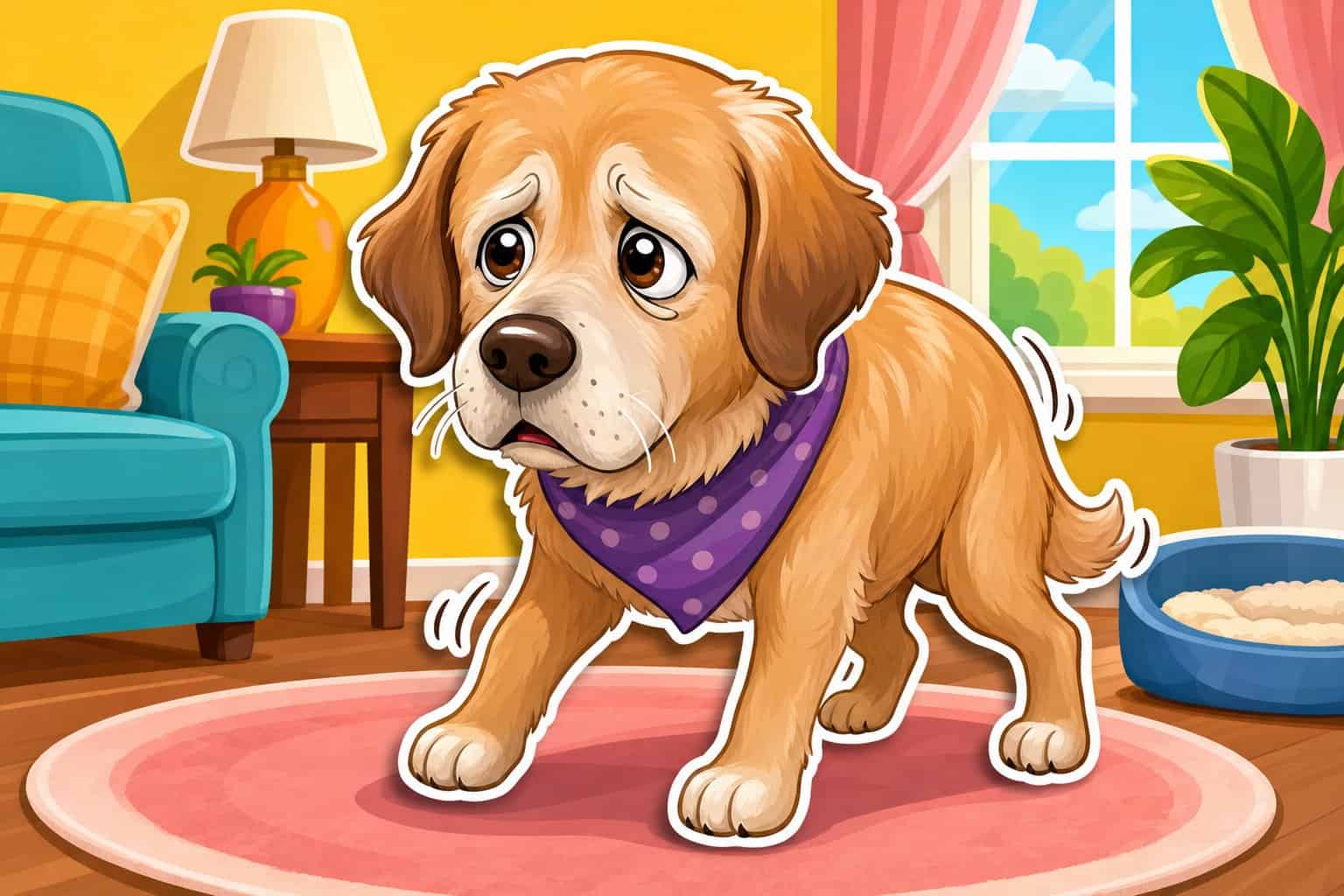
When your older dog suddenly tilts their head to one side, loses balance, or can’t walk in a straight line, it can be terrifying to watch. If your senior dog suddenly develops these symptoms, they may have old dog vestibular disease, a condition that affects the balance system and often looks worse than it actually is.
While the symptoms can appear severe and come on without warning, most dogs with this condition start to improve within a few days. Vestibular disease is common in aging dogs and happens when something goes wrong with the inner ear or brain areas that control balance.
Your dog might seem dizzy, fall over, or even have rapid eye movements that make them look distressed. Understanding what causes these symptoms, how vets diagnose the problem, and what you can do to help your dog recover will give you confidence during this scary time.
This guide will walk you through everything you need to know about vestibular disease in senior dogs. You’ll learn how to spot the warning signs, what happens during a vet visit, and the best ways to care for your dog at home while they heal.
What Does Vestibular Disease Actually Look Like?
When vestibular disease strikes your senior dog, the symptoms appear suddenly and can be scary to witness. Your dog’s balance system becomes disrupted, leading to distinct physical signs that help veterinarians identify this condition quickly.
The Three Big Signs: Head Tilt, Wobbling, and Eye Flickers
The most noticeable sign of old dog vestibular disease is a dramatic head tilt to one side. Your dog’s head may be tilted at an angle that looks uncomfortable, but they usually can’t straighten it on their own.
This head tilt often remains even after other symptoms improve, sometimes becoming a permanent residual head tilt. Ataxia, or loss of coordination, makes your dog look drunk or dizzy.
They may stumble, fall to one side, or walk in circles. Some dogs can’t stand up at all during the first few hours or days of vestibular disease.
Nystagmus refers to rapid, involuntary eye movements that dart back and forth or rotate. You might notice your dog’s eyes flickering side to side or in a circular pattern.
This happens because the balance system connects directly to eye movement control. Your dog may also experience vertigo, though they can’t tell you about the spinning sensation.
Many dogs with vestibular disease in dogs vomit or refuse to eat because of nausea. Some dogs roll repeatedly toward the affected side.
How Vestibular Disease Differs From a Stroke
You might worry your senior dog is having a stroke when you see these sudden symptoms. While old dog vestibular syndrome looks similar to a stroke, there are key differences that help identify what’s happening.
Dogs with vestibular disease typically remain alert and responsive despite their balance problems. They recognize you, respond to their name, and show normal mental awareness.
Stroke victims often appear confused, disoriented, or mentally altered. Vestibular disease affects balance and coordination but doesn’t cause weakness in the legs.
Your dog’s legs work normally—they just can’t coordinate them properly. A stroke often causes weakness or paralysis on one side of the body, which differs from peripheral vestibular disease symptoms.
Old dog syndrome usually improves significantly within 72 hours without treatment. Strokes may worsen or show slower, less complete recovery.
Most dogs with idiopathic vestibular disease start improving within a few days, though the head tilt may persist.
They’re Scared, Not Hurting
Your dog with old dog vestibular disease looks frightened and uncomfortable, but they’re not typically in pain. The condition causes distress from vertigo and disorientation rather than physical pain like an injury would.
Dogs experience extreme dizziness that makes them anxious and scared. They don’t understand why the world seems to be spinning or why they can’t walk normally.
This confusion creates stress, not pain. You won’t need strong pain medications for vestibular disease.
Your dog benefits more from a calm environment, help with mobility, and anti-nausea medication if needed. Keeping them in a quiet, padded area reduces their distress as they adjust to the vertigo.
Some dogs pant heavily or vocalize due to anxiety about their symptoms. This represents fear and disorientation rather than a pain response.
Gentle reassurance and physical support help your dog feel more secure during recovery.
What the Vestibular System Does
The vestibular system works like your dog’s internal balance sensor, helping them know where their body is in space and keeping them steady on their feet. When this system fails in senior dogs, it can cause sudden balance problems that look scary but are often treatable.
Your Dog’s Inner Ear Is Their Balance Control Center
Your dog’s inner ear contains tiny fluid-filled chambers and canals that detect head movements and position. These structures send constant signals through the vestibular nerve to your dog’s brain about which way is up and how their body is moving.
The inner ear has two main parts that control balance. The semicircular canals detect rotational movements when your dog turns their head.
The otolithic organs sense gravity and linear motion when your dog moves forward or tilts their head. The vestibular nerve acts as the messenger between these inner ear structures and your dog’s brain.
It carries information about balance and spatial orientation to help coordinate eye movements, posture, and walking. When everything works properly, your senior dog can walk in a straight line, turn corners smoothly, and keep their eyes focused even when moving their head.
Peripheral vs. Central Vestibular Disease
Peripheral vestibular disease affects the inner ear or vestibular nerve itself. This is the most common type in older dogs and usually has a better outcome.
Your dog’s symptoms might look severe, but peripheral cases often improve within a few days to weeks. Central vestibular disease involves problems in the brainstem or cerebellum where balance information gets processed.
This type is less common but more serious because it affects the brain directly. You can sometimes tell the difference by watching specific symptoms:
| Peripheral Vestibular Disease | Central Vestibular Disease |
|---|---|
| Head tilt present | Head tilt may be present |
| Falling or rolling to one side | Weakness on one side of body |
| Normal consciousness | Decreased alertness possible |
| No other neurological signs | Other brain symptoms likely |
| Eyes move side to side (nystagmus) | Unusual eye movements |
Why This Happens More in Older Dogs
Old dog vestibular disease typically strikes dogs over seven years old, though it can happen at any age. Senior dogs develop vestibular system changes as they age, making the inner ear structures more vulnerable to sudden problems.
The exact cause of idiopathic vestibular disease in older dogs remains unknown. Your senior dog’s vestibular nerve and inner ear may become inflamed without warning, leading to sudden balance loss.
Age-related changes in blood flow to the inner ear might play a role. Older dogs also face higher risks of ear infections, polyps, and tumors that can damage the vestibular system.
The sudden onset seen in geriatric dogs suggests that aging makes the delicate balance structures less resilient to minor insults or inflammation.
What Actually Causes This in Senior Dogs
Vestibular disease in senior dogs stems from several different causes, ranging from a harmless condition that resolves on its own to more serious health problems that need immediate attention. The specific cause determines how the condition is treated and what you can expect for your dog’s recovery.
Idiopathic Vestibular Syndrome: The Most Common Form
Idiopathic vestibular syndrome is the most frequent cause of sudden balance problems in senior dogs. This condition is also called old dog vestibular disease or canine idiopathic vestibular syndrome.
The word „idiopathic“ means that veterinarians don’t know what triggers it. Your dog appears completely fine one moment, then suddenly shows severe symptoms like head tilting, falling, and eye movements.
This condition typically affects dogs over 8 years old. Common characteristics include:
- Sudden onset with no warning signs
- No identifiable underlying cause
- Symptoms often look worse than they actually are
- Most dogs improve within 72 hours
- Full or near-full recovery within 2-3 weeks
The good news is that idiopathic vestibular disease is not painful and usually resolves without treatment. Many dogs experience only one episode in their lifetime, though some may have a recurrence months or years later.
Sometimes It’s an Ear Infection
Inner ear infections can damage the vestibular system in older dogs. These infections may start in the outer ear and progress deeper, or they can develop directly in the inner ear.
Your dog might have an ear infection if you notice discharge, redness, or a bad smell from the ear. Some senior dogs develop chronic ear problems that eventually reach the inner ear.
Bacterial or yeast infections are the usual culprits. Inner ear disease causes similar symptoms to idiopathic vestibular syndrome, but your dog will need antibiotics or antifungal medication.
Without proper treatment, the infection can cause permanent damage to the vestibular system or hearing loss.
Other Underlying Conditions: Tumors, Stroke, and Hypothyroidism
Several serious health conditions can affect the vestibular system in senior dogs. Brain tumors near the vestibular nerve or brainstem can press on these structures and cause balance problems.
These cases usually show gradual worsening rather than sudden onset. Strokes occur in older dogs and may damage parts of the brain that control balance.
Your vet can distinguish between a stroke and idiopathic vestibular disease through neurological testing and imaging. Hypothyroidism, a common condition in aging dogs, has been linked to vestibular problems in some cases.
Blood tests can check your dog’s thyroid levels if your vet suspects this cause.
What to Expect at the Emergency Vet
When you bring your senior dog to the emergency vet, the team will perform a thorough neurological exam and may order tests to confirm vestibular disease while ruling out more serious conditions. The goal is to determine whether your dog has the common, treatable form or something that needs different care.
The Neurological Exam
The emergency vet will start by watching how your dog moves and stands. They’ll look for the classic signs like head tilting, circling in one direction, and abnormal eye movements called nystagmus.
Your vet will test your dog’s balance and coordination. They might move your dog’s head in different positions to see how the eyes respond.
They’ll also check if your dog can tell where their paws are positioned, which helps show if the problem is in the inner ear or the brain. The vet will examine both eyes carefully.
In vestibular disease cases, the eyes often flick back and forth rapidly. They’ll also check your dog’s facial muscles and look inside the ears for signs of infection or inflammation that could affect the vestibular system.
Bloodwork, Imaging, and Ruling Out Serious Problems
Your vet may recommend blood tests to check for underlying health problems. These tests help rule out thyroid issues, infections, or other diseases that can cause similar symptoms in older dogs.
X-rays or advanced imaging might be needed if your vet suspects something beyond typical vestibular disease. CT scans or MRIs can show if there’s a stroke, tumor, or inner ear infection causing the problem.
However, many vets diagnose idiopathic vestibular disease based on symptoms alone when everything else checks out normal. The emergency vet will work to rule out more serious conditions like brain tumors or bleeding in the brain.
If your dog has other worrying signs like seizures, weakness in the legs, or changes in awareness, more testing becomes important to make a speedy and accurate diagnosis.
How to Help Your Dog Recover
Most senior dogs with vestibular disease need supportive care at home while their body heals naturally. Your vet may prescribe medications to help with symptoms like nausea and dizziness during recovery.
Making Your Home Safe During Recovery
Your senior dog needs a safe, comfortable space while recovering from vestibular disease. Place soft bedding on non-slip surfaces to prevent falls when your dog tries to stand or walk.
Keep food and water bowls within easy reach. Your dog may need help eating and drinking at first.
Some dogs do better with elevated bowls during recovery. Block off stairs and other dangerous areas where your dog could fall.
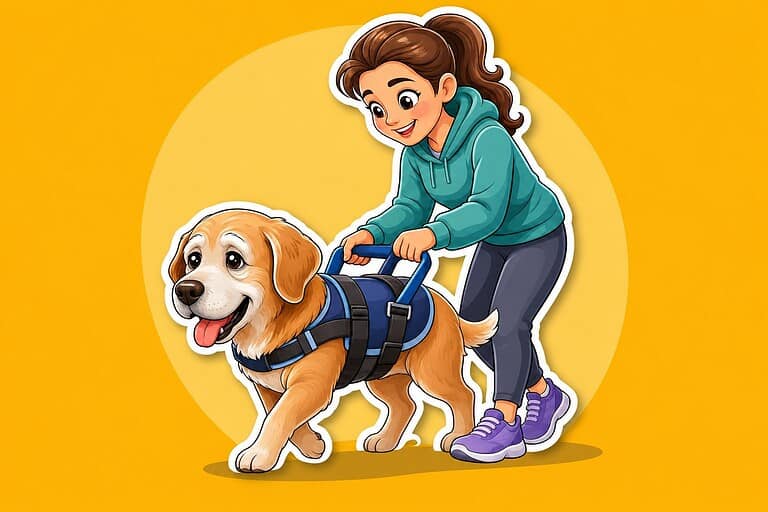
You may need to carry your senior dog outside to go to the bathroom. Use a harness or towel under the belly to support your dog’s weight when walking.
Turn your dog every few hours if they can’t stand up on their own. This prevents bed sores from developing.
Keep the recovery area quiet and calm to reduce stress on your disoriented dog.
Medications to Reduce Nausea and Anxiety
Your vet may prescribe meclizine to reduce dizziness and motion sickness in your senior dog. This medication helps your dog feel more comfortable during recovery.
Cerenia is another common medication that controls nausea and vomiting. Your vet might give this as an injection or prescribe tablets for home use.
Some dogs need diazepam to reduce anxiety and help them relax during the symptoms of vestibular disease.
Your vet may also recommend subcutaneous fluids if your dog isn’t drinking enough water. You can learn to give these fluids at home to keep your senior dog hydrated.
Recovery Timeline and What Comes Next
Most senior dogs start to improve within 72 hours of symptom onset. Full recovery typically takes two to three weeks.
Your dog may have a residual head tilt even after other symptoms resolve. This permanent tilt is usually mild and doesn’t affect quality of life.
Start gentle physical therapy once your dog can stand. Short, supported walks help rebuild balance and coordination.
Gradually increase activity as your dog gets stronger.
Watch for signs of relapse like sudden return of wobbling or head tilt. Take your senior dog to the vet right away if symptoms come back.
Keep follow-up appointments to monitor your dog’s progress and catch any complications early.